Mio Lenses
Mio Lenses
Mio Lenses
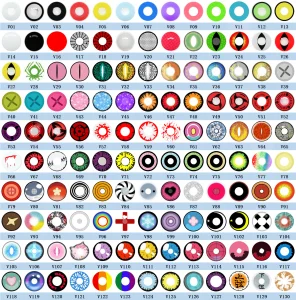
The optical retail and healthcare landscape in the Arab Republic of Egypt has witnessed a profound transformation over the last decade. Historically concentrated on functional corrective eyewear, the Egyptian market has experienced an exponential surge in demand for aesthetic and specialty ocular products. Leading this paradigm shift is the "Crazy Lens" or novelty contact lens sector. Driven by the expansion of Cairo's entertainment hub, theater productions, digital content creation, and local youth culture dynamics, cosmetic lenses are no longer a seasonal purchase but a year-round commodity.
Egyptian optical distributors, pharmacies, and e-commerce platforms facing high domestic consumption require resilient B2B sourcing partners who can provide medical-grade products compliant with stringent regulatory standards. Establishing direct partnerships with automated manufacturers in China ensures consistent supply chain integrity, high margins, and total product safety.
Egypt stands as one of the largest consumer demographics in the Middle East and North Africa (MENA) region. This massive consumer base, characterized by a highly active digital generation, shapes a unique marketplace. Commercial centers like Cairo, Alexandria, and Giza have become dynamic hubs for retail distribution. Cosmetic contact lenses have crossed the threshold from optical specialty stores to daily beauty routines, beauty salons, and online fast-fashion channels.
From an industrial perspective, domestic manufacturing of contact lenses within Egypt remains limited due to the specialized chemical engineering, sterile environments, and high capital equipment costs required. As a result, the Egyptian market relies heavily on imports. Importers and wholesalers navigate regulatory approvals managed by the Egyptian Drug Authority (EDA). Under current regulations, safety certificates (such as CE marking and ISO certifications) are critical to clearing customs smoothly, highlighting the necessity of sourcing from certified international factories.
The novelty contact lens industry has evolved far beyond traditional solid pigments. Modern consumer trends dictate high-fidelity, intricate patterns. We observe three dominant global trends influencing purchase decisions:
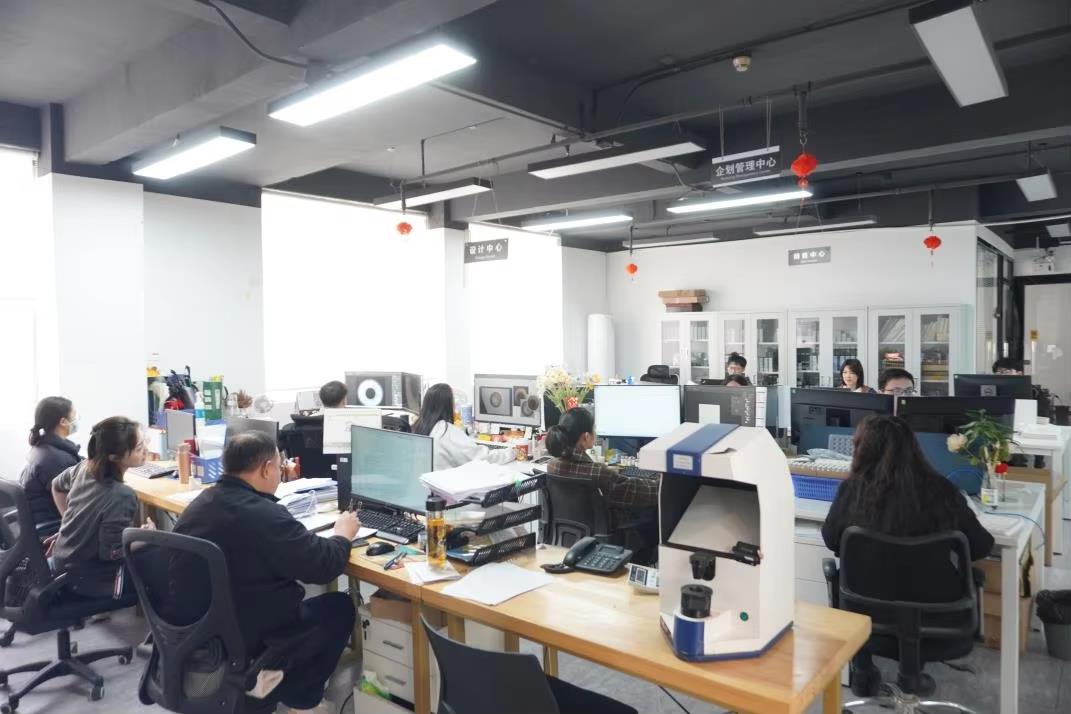
At the core of Shenzhen Mio Lenses Co., Ltd.'s dominance is a state-of-the-art automated production facility designed to meet international ophthalmic standards. Operating under a certified quality management system, the factory integrates key B2B capabilities to offer rapid product design, custom packaging, and verified medical compliance.
Shenzhen Mio Lenses Co., Ltd. utilizes advanced cast-molding techniques coupled with an innovative 3-Layer Sandwich color-embedding technology. This process ensures the pigments are completely locked within the lens material matrix (HEMA/NVP Hydrogel), preventing direct contact between the cosmetic color and the patient's cornea. This is essential for safety, preventing ocular irritation or micro-abrasions.
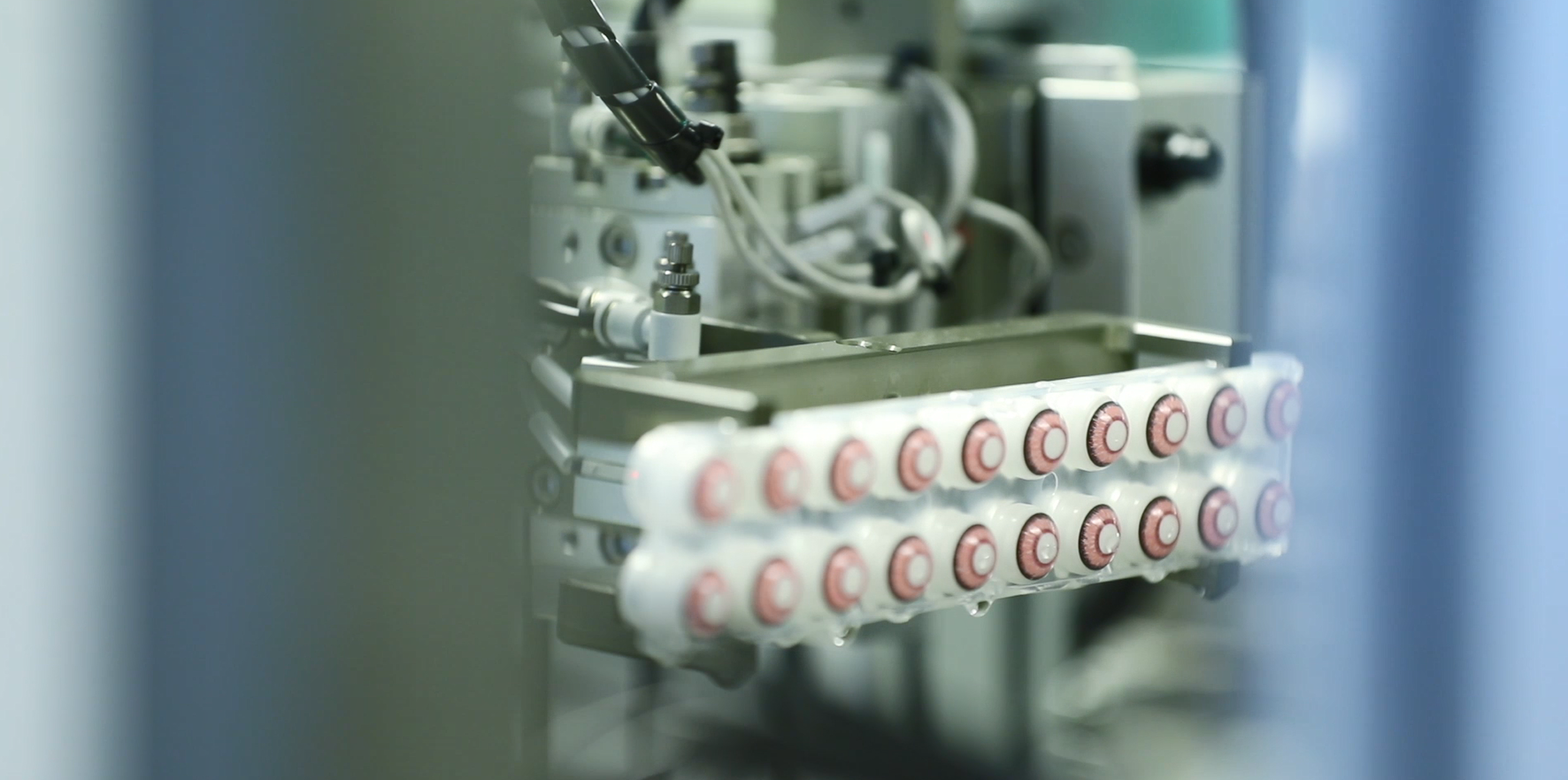
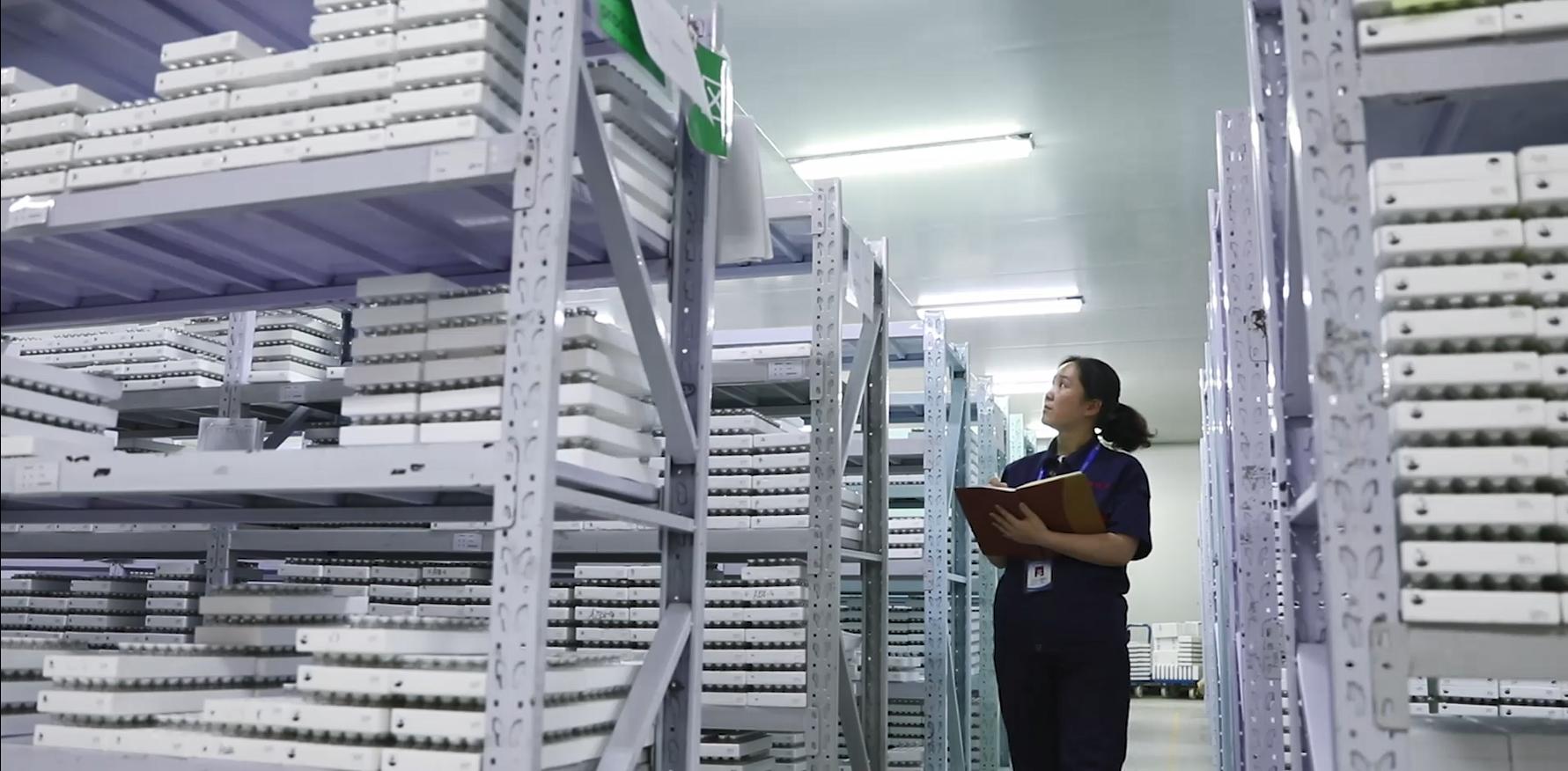
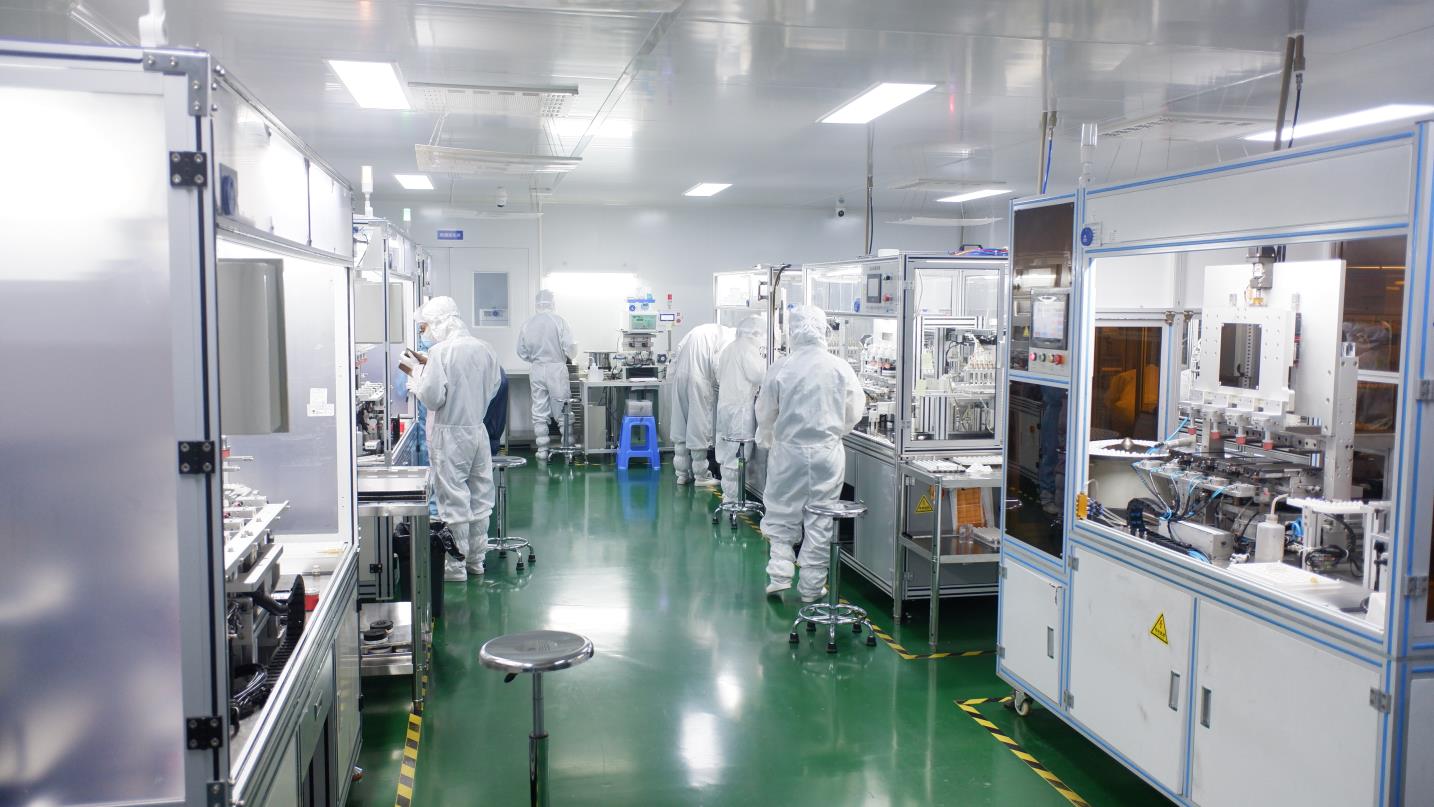
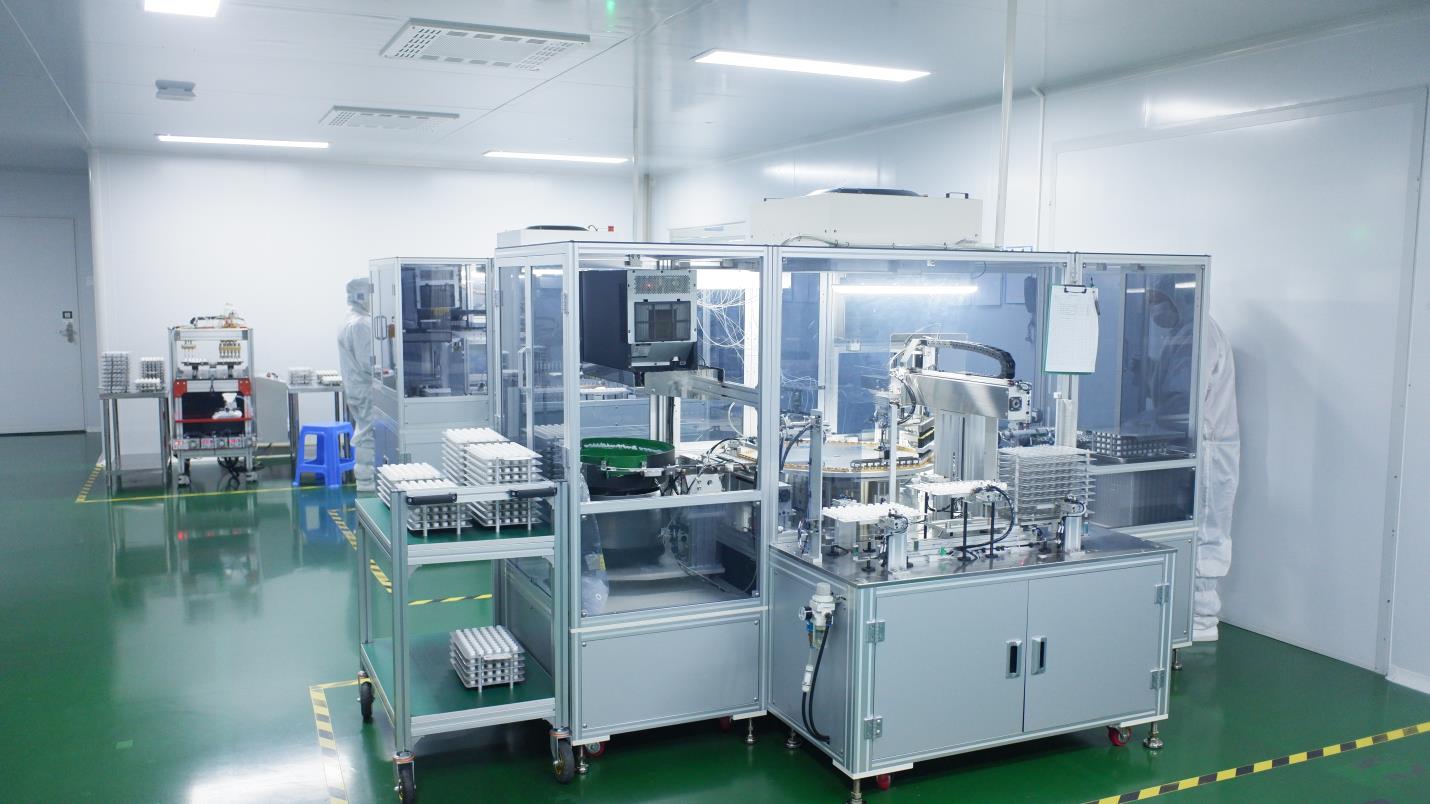
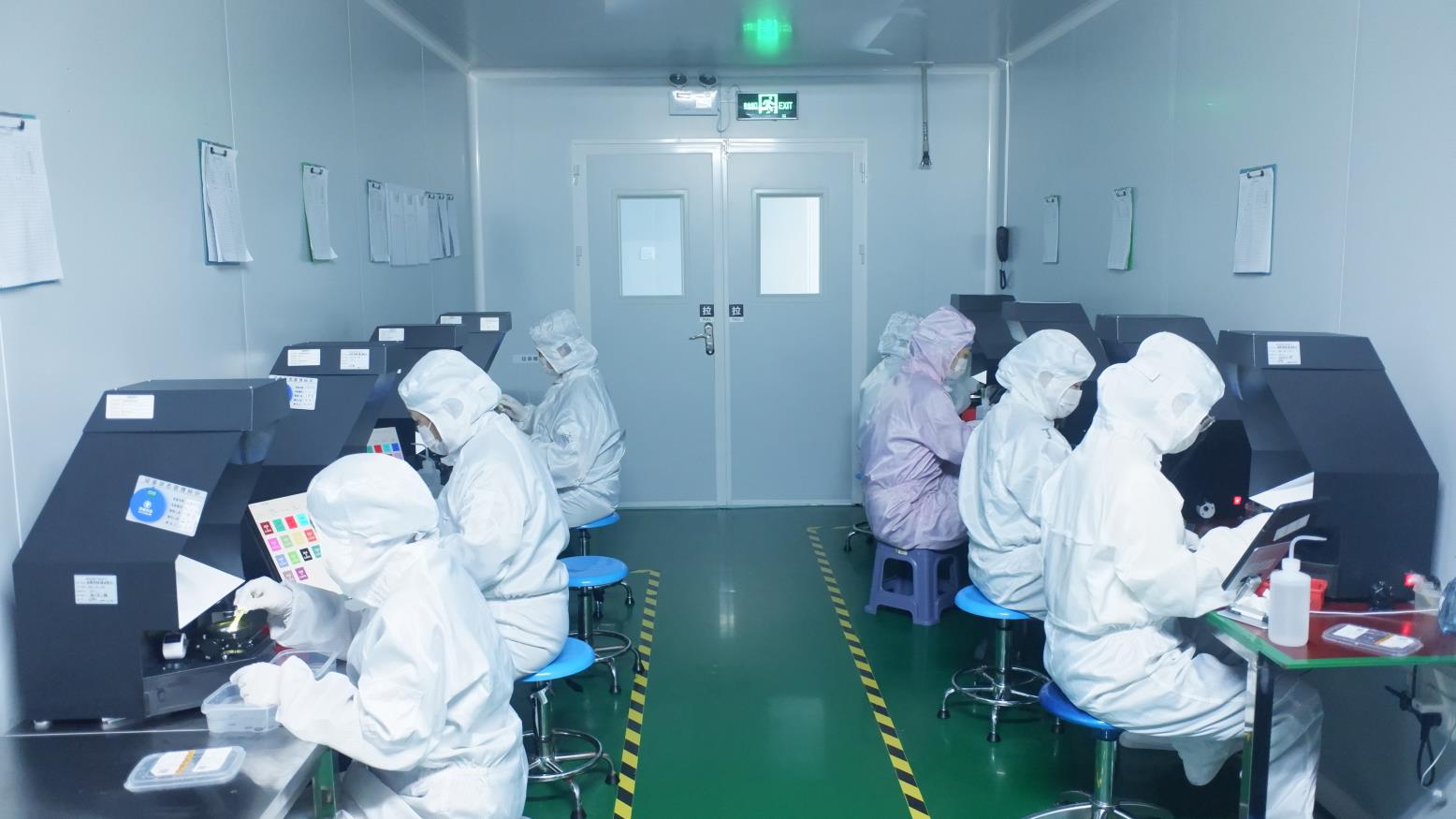
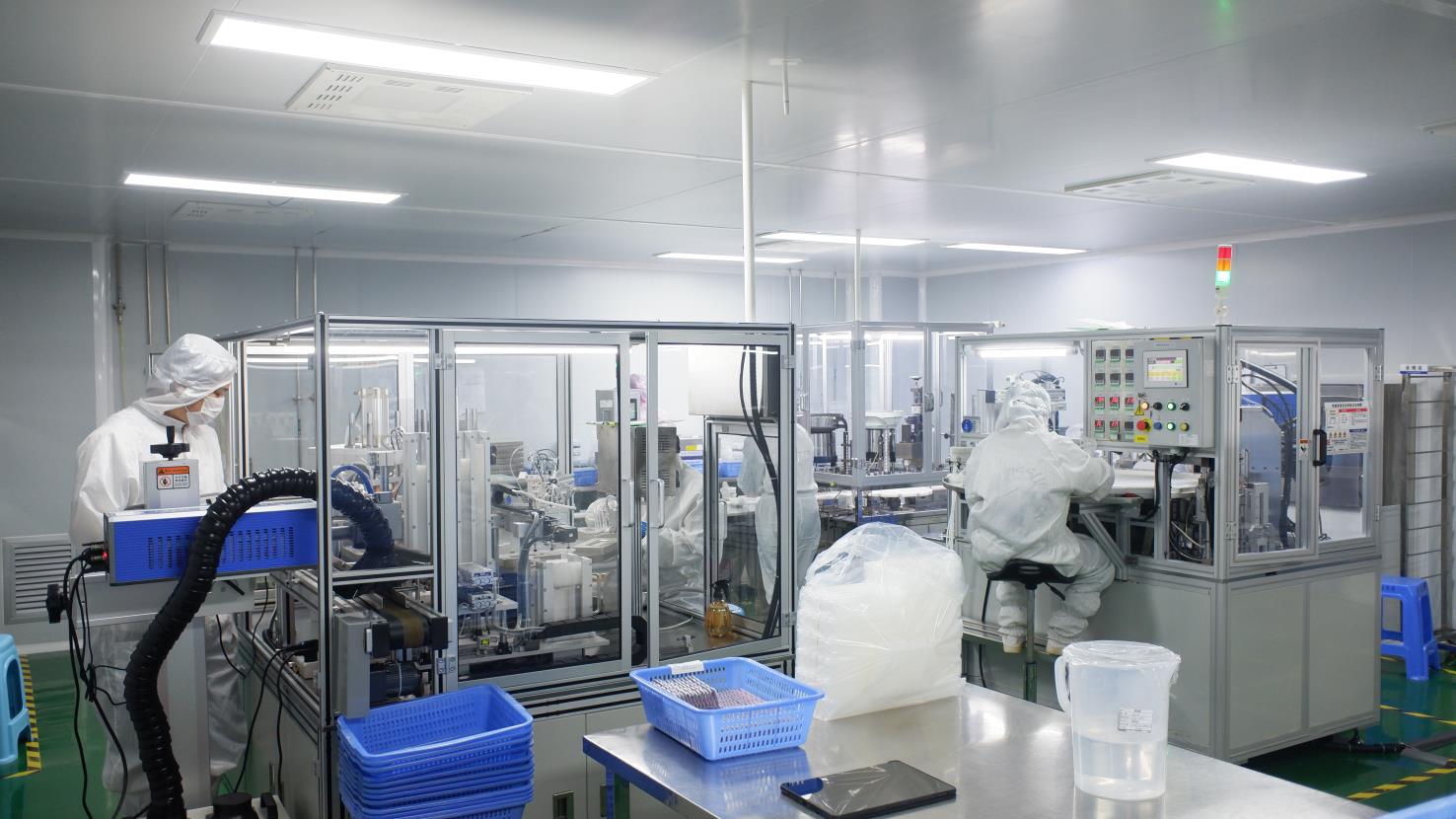
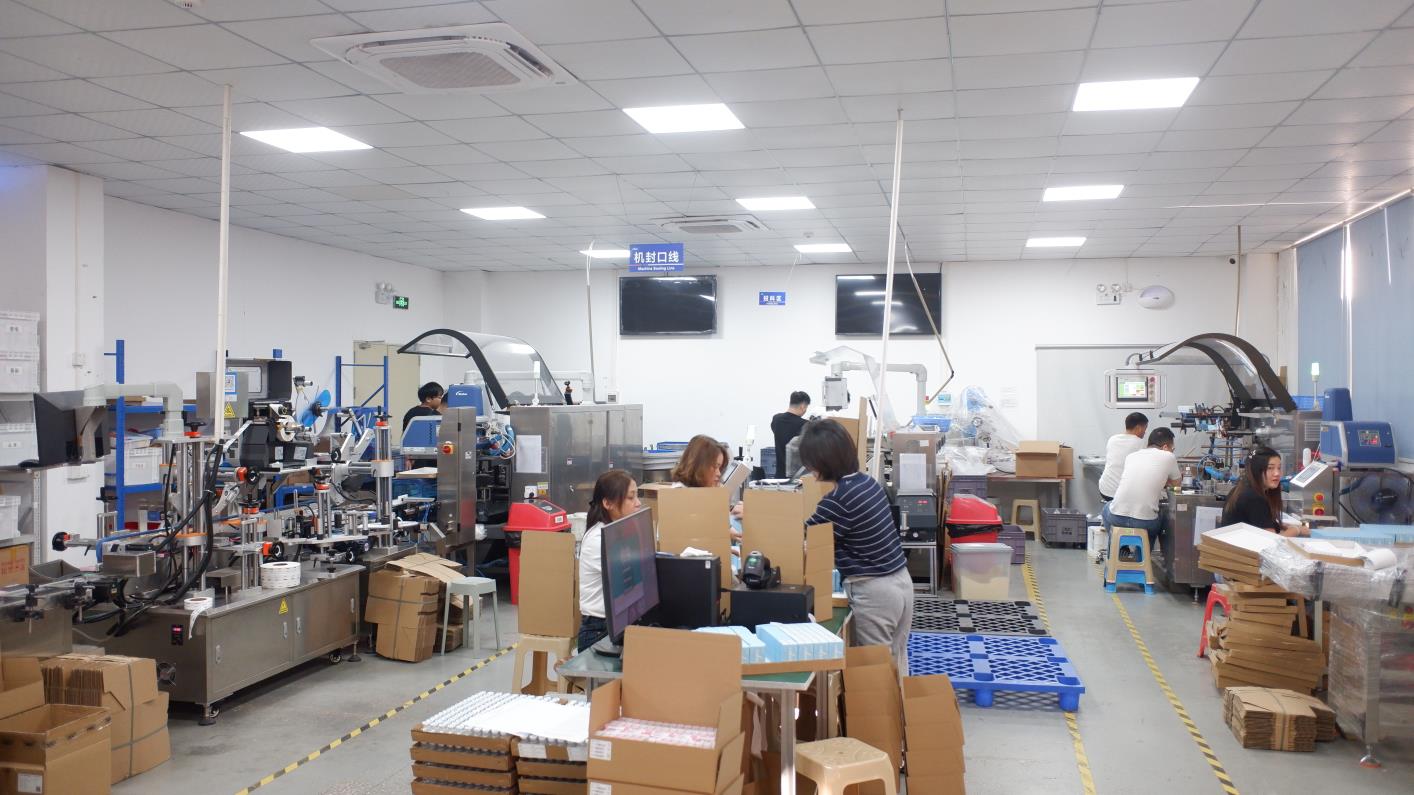
By leveraging automated production lines, the factory maintains a high yield rate and minimizes human-contact-related contamination risk. For Egyptian trade houses, this efficiency translates to reliable delivery times, even for custom designs or OEM packaging.
Cosmetic contact lenses require meticulous material selection. Because novelty designs cover a wider area of the lens surface with pigment, keeping the lens breathable is crucial to avoid corneal hypoxia.
| Parameter | Standard Specification | Clinical & Safety Advantage |
|---|---|---|
| Base Material | HEMA + NVP Hydrogel Co-polymer | Excellent tensile strength, high flexibility, and lower protein adsorption. |
| Water Content | 38% to 42% (Optimized Level) | Maintains structural stability and prevents lens dehydration in arid climates like Egypt. |
| Base Curve (BC) | 8.5mm - 8.6mm | Matches the typical corneal curvature of most global populations, reducing slipping. |
| Thickness (t) | 0.08mm (@ -3.00 D) | Thin profile increases comfort while maintaining durability for repeat cosmetic wear. |
| Color Process | Double Sandwich Technology | Encapsulates organic pigments, preventing direct dye interaction with ocular tissues. |
Shipping medical devices and optical items to Egypt requires a deep understanding of local compliance routes. Major ports of entry—such as Alexandria Port, Port Said, and Cairo International Airport—require strict validation of customs declarations.
Shenzhen Mio Lenses Co., Ltd. coordinates closely with Egyptian import agencies to provide necessary certification dossiers. Key shipping documents prepared by our logistics team include:
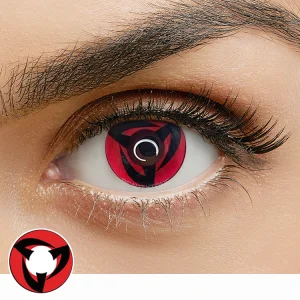
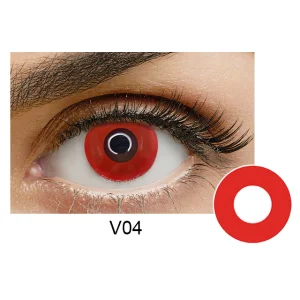
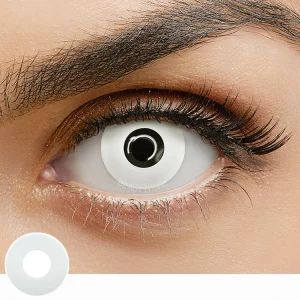
Importers must register their corporate entity and products with the Egyptian Drug Authority (EDA). Sourcing from Shenzhen Mio Lenses Co., Ltd. simplifies this process, as we provide complete registration support, including CE certifications, ISO 13485 medical device manufacturing compliance documents, and detailed material safety reports.
Unlike cheap, single-layer prints where pigment remains on the outer surfaces of the lens, our double-sandwich technology embeds the biological ink inside two layers of premium HEMA/NVP hydrogel. This prevents direct pigment contact with ocular tissue, eliminates pigment degradation from tear enzymes, and reduces the risk of allergies or ocular irritation.
Yes. Shenzhen Mio Lenses Co., Ltd. provides comprehensive OEM services. We offer minor customization of standard product lines, custom drawing-based prototyping for novel patterns, and specialized box/blister package design to help build local brand equity in the Egyptian market.
Unopened blister packs have a sterile shelf life of up to 5 years from the date of manufacture. Depending on the custom contract parameters, the wear cycles can be formulated as daily disposables, monthly disposables, or yearly lenses. Yearly wear lenses remain highly popular in the Egyptian B2B market due to cost-efficiency.
Dry, hot climates (such as in Cairo or Luxor) can lead to faster surface dehydration in contact lenses. We optimize our water content at 38% to 42%. Counterintuitively, extremely high water content lenses can pull moisture away from the eye in dry climates. Our optimized mid-range water content ensures the lens stays hydrated while retaining its shape and structural integrity.
Under ISO 13485 regulations, every batch of hydrogel raw materials is registered with a unique ID code upon factory arrival. This system logs the batch number throughout the cast molding, quality inspection, saline formulation, sterilization, and packing stages. If an issue is flagged, we can trace it back to the exact manufacturing run and material supplier.
Partner with China's leading Industry 4.0 contact lens manufacturer. Access medical-grade safety certifications, reliable supply chains, and low MOQ custom packaging solutions.