Mio Lenses
Mio Lenses
Mio Lenses
Explore our top-tier cosmetic color configurations. Manufactured with precision polymer chemistry for high breathability and striking visual clarity.
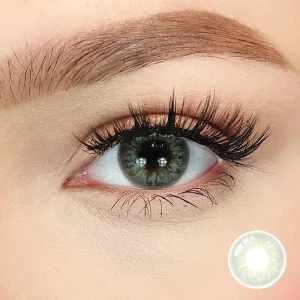
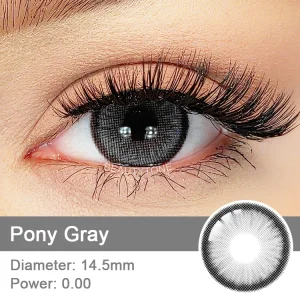
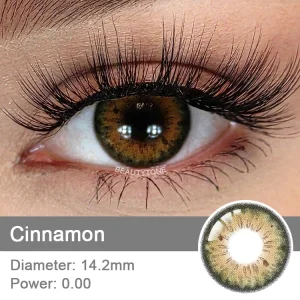
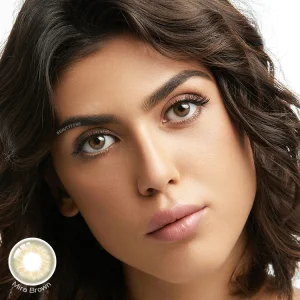
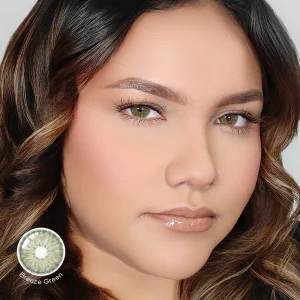
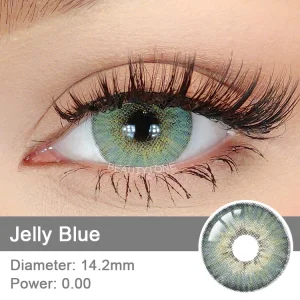
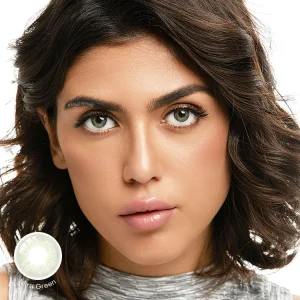
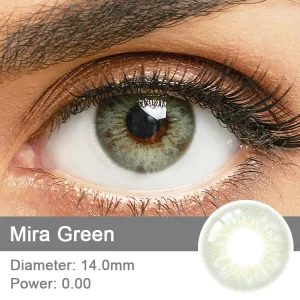
As a global pioneer in ophthalmic cosmetic manufacturing, Shenzhen Mio Lenses Co., Ltd. has constructed a fully integrated, state-of-the-art contact lens production system. We combine advanced polymer chemistry with high-precision manufacturing systems to supply global distributors, importers, and brand owners with medical-grade, highly vibrant cosplay contact lenses.
From dramatic special-effects sclera lenses to highly intricate anime designs, our manufacturing capability covers the entire spectrum of specialty cosmetic lenses. Operating under strict international optical and medical standards, we guarantee exceptional physiological compatibility and color permanence.
Perfect for emerging cosmetic brands. We support modification of catalog base-curves, packaging configurations, and custom private label designs with low MOQs.
Send us your specific digital patterns. Our expert engineering team translates character concept art into printable, multi-layered lens graphics.
Full-process tracking. We source raw materials exclusively from vetted, medical-grade monomer suppliers with traceable batch documentation.
Every lens batch undergoes extensive testing, including automated dimensional inspection, cosmetic surface auditing, and packaging seal verification.
Compliant with Annex II of Directive 93/42/EEC and modern EU Medical Device Regulations (MDR), ensuring friction-free global distribution and import compliance.
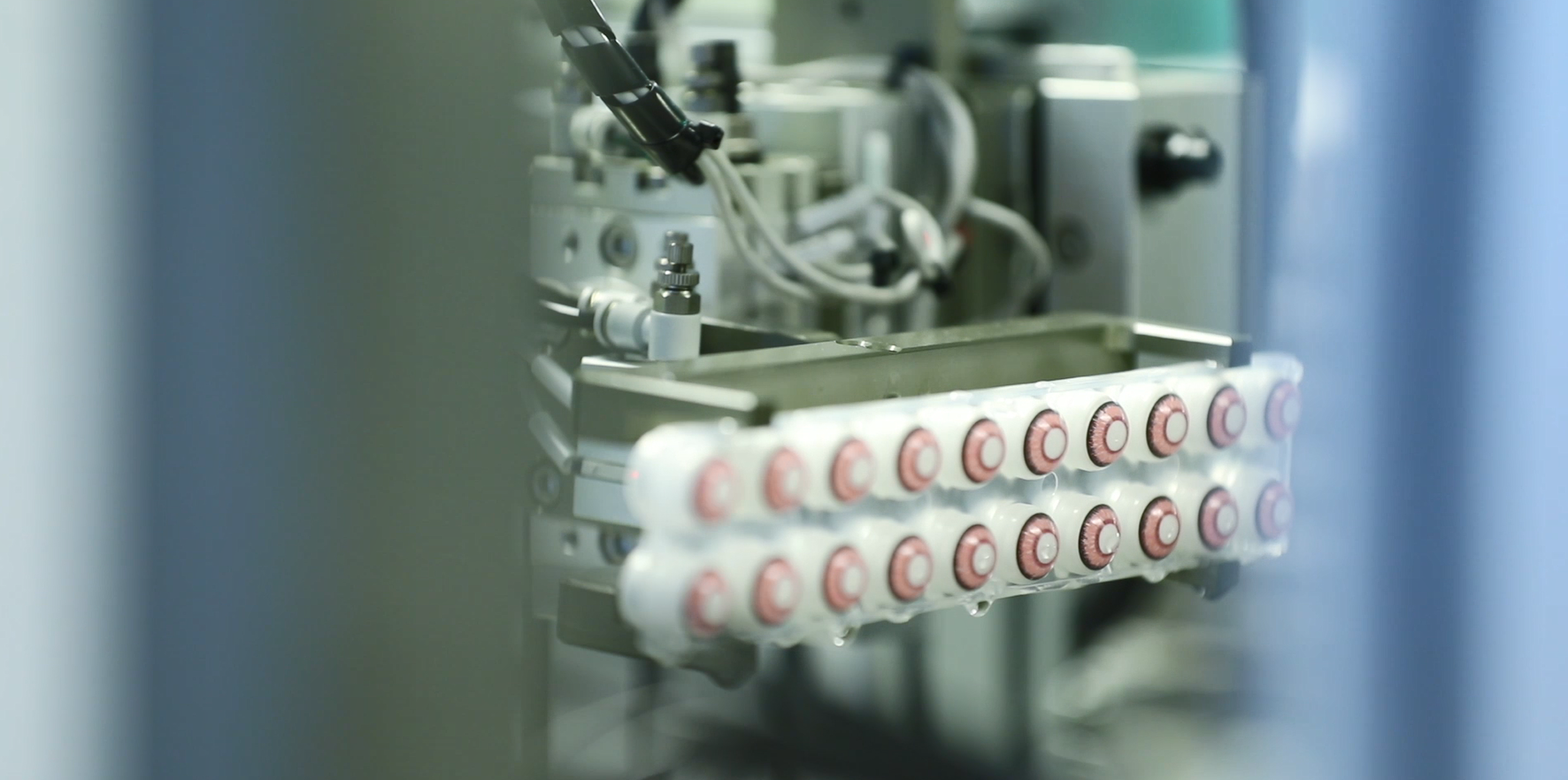
Take an inside look at our advanced manufacturing lines, high-precision automated mold casting systems, and clinical quality control labs.
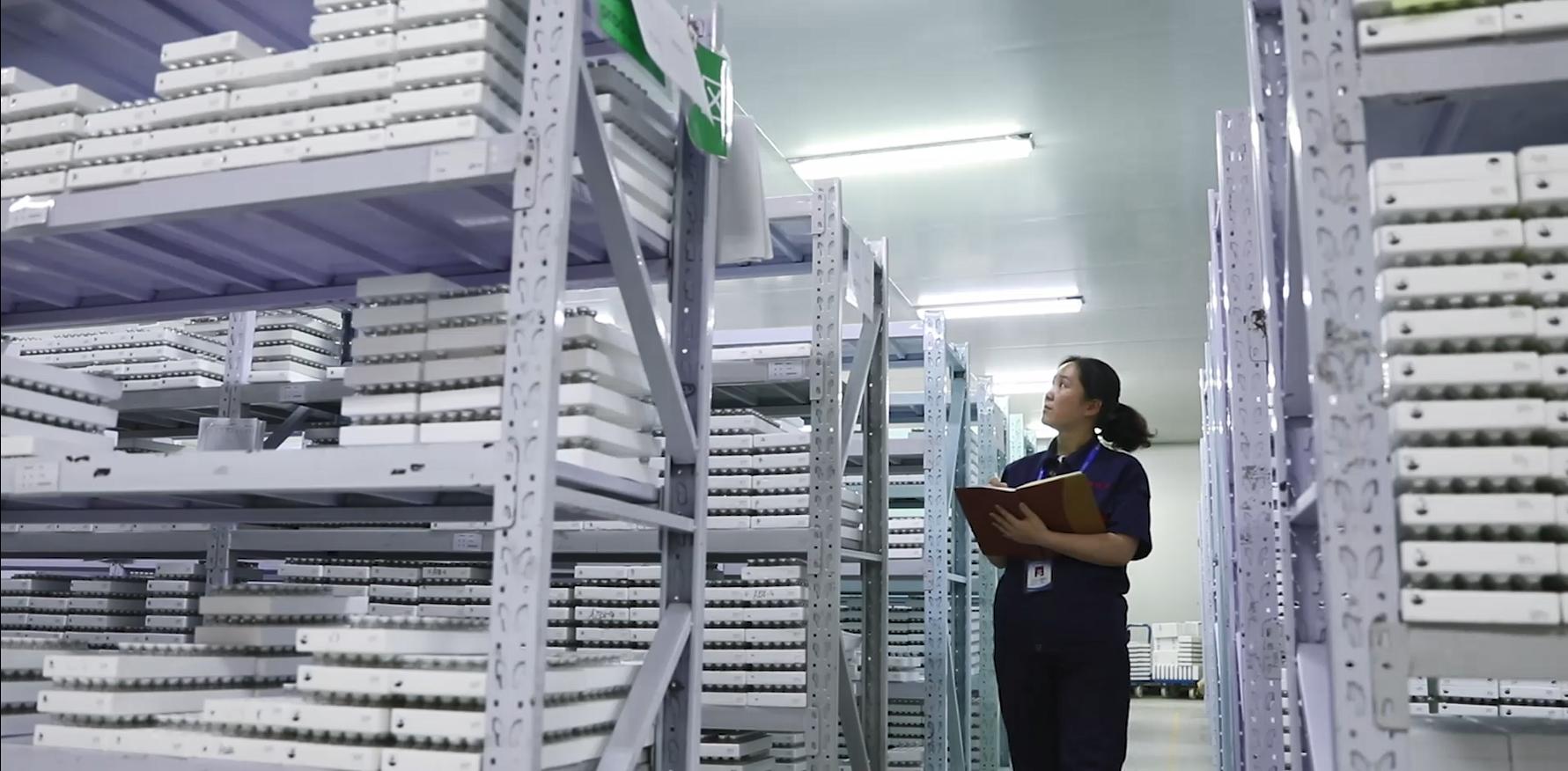
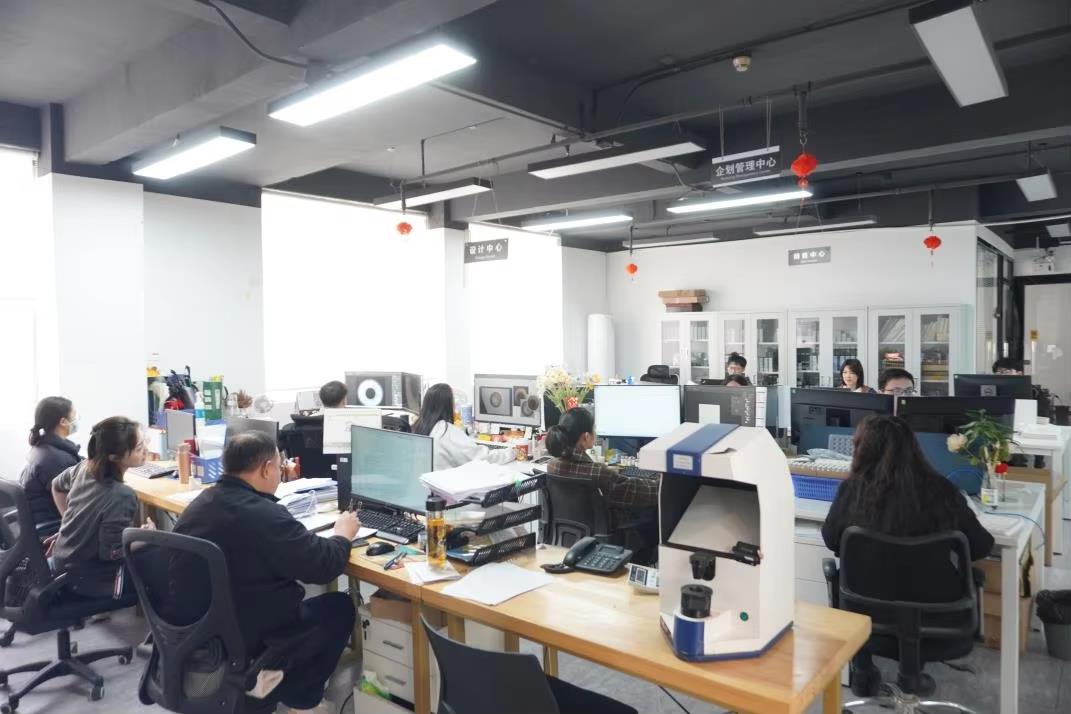
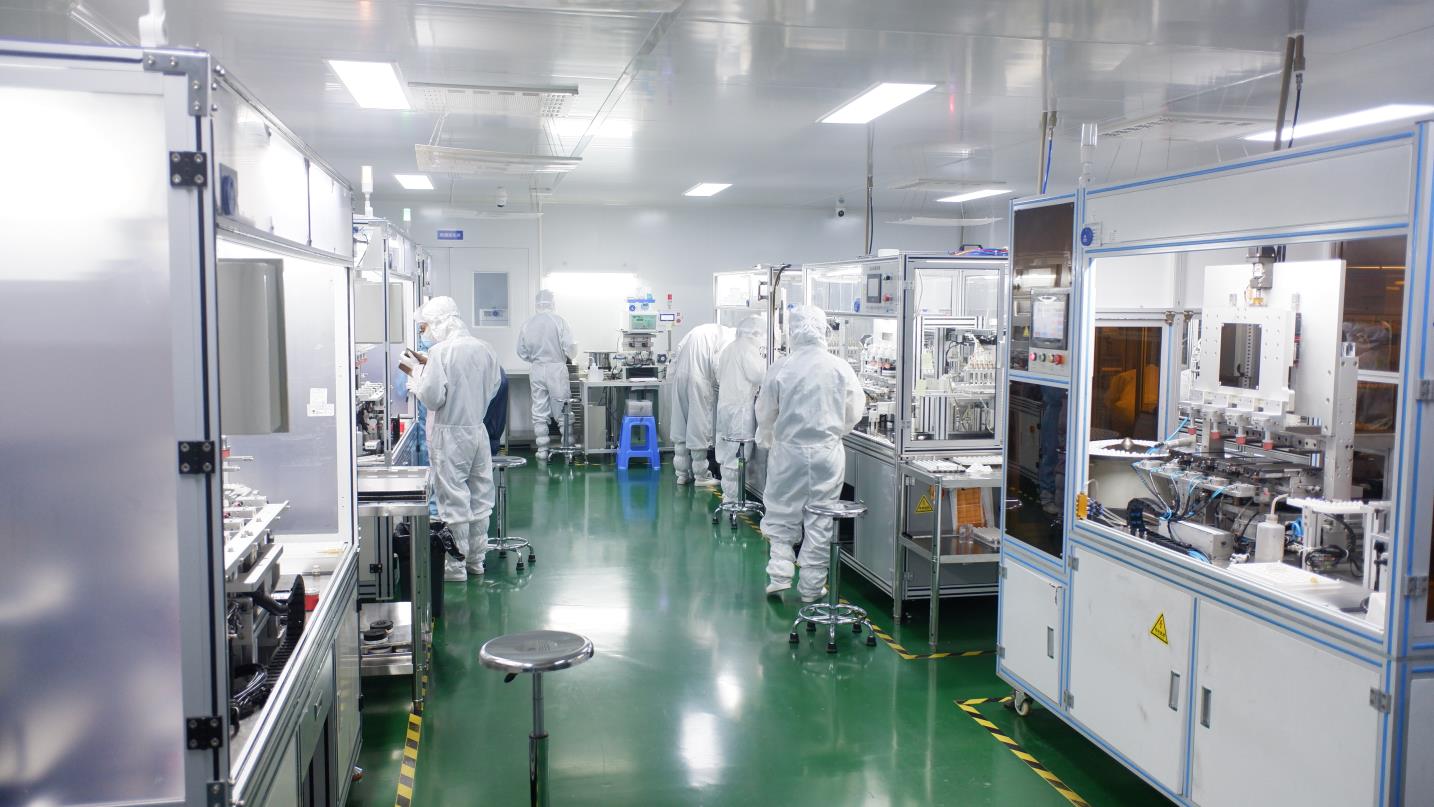
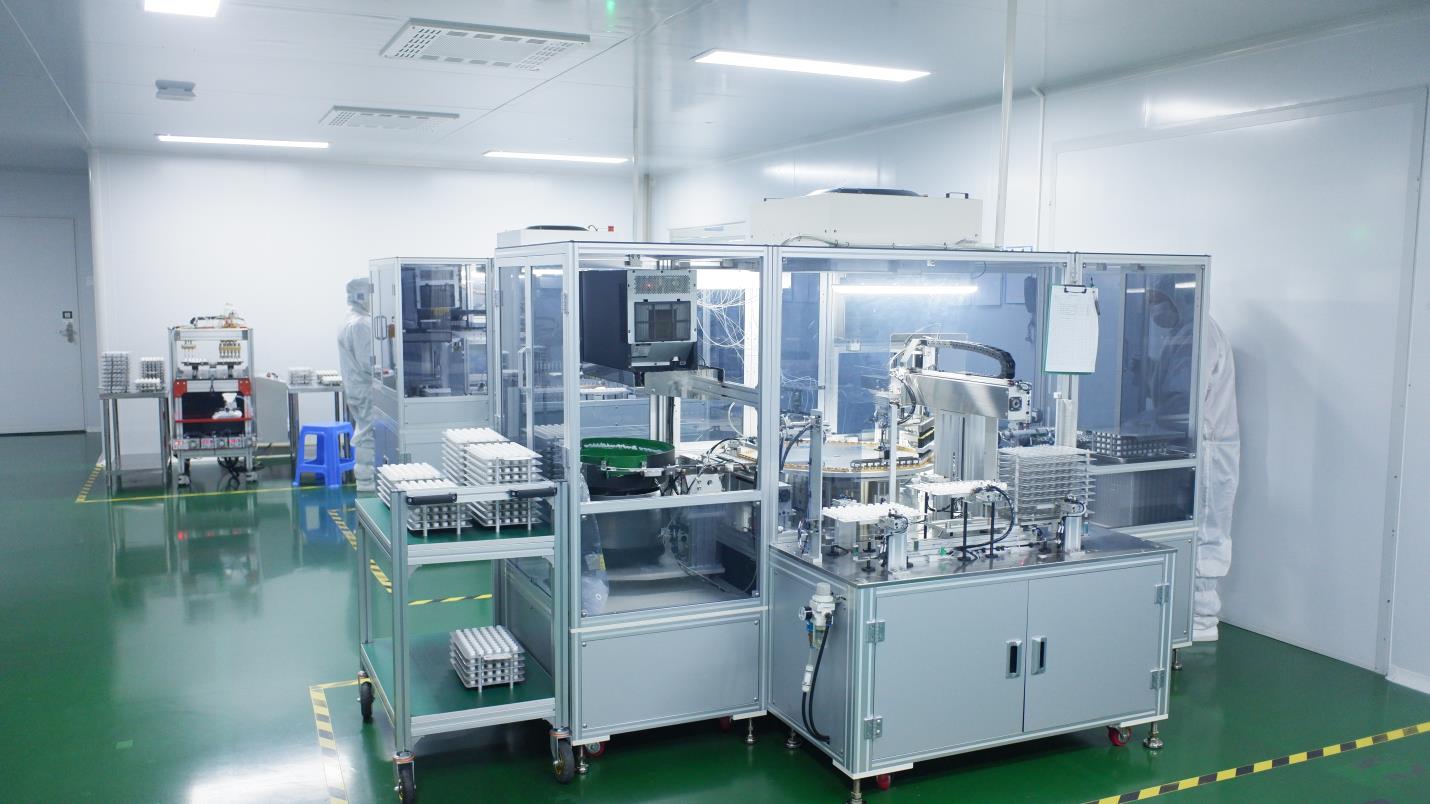
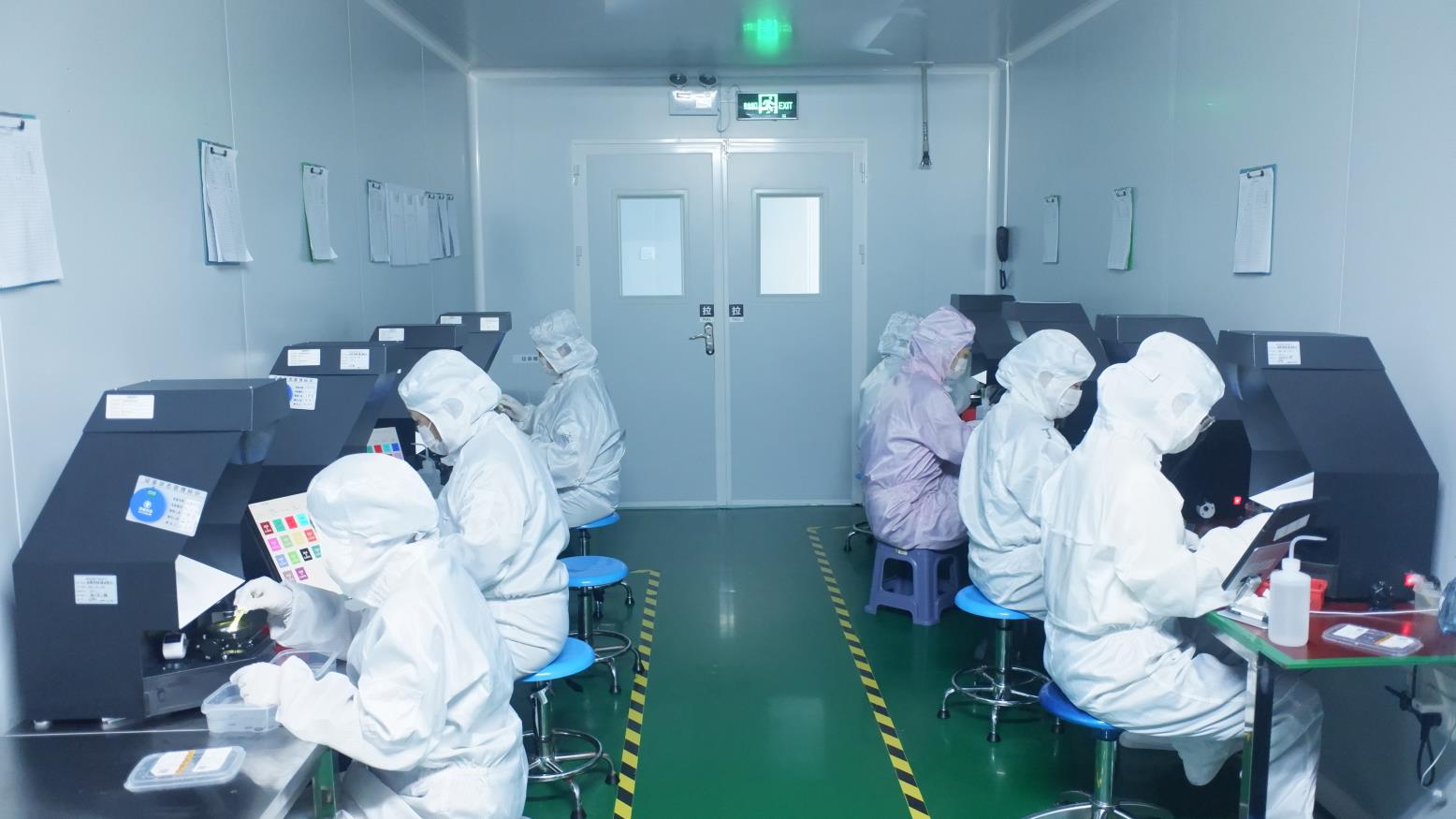
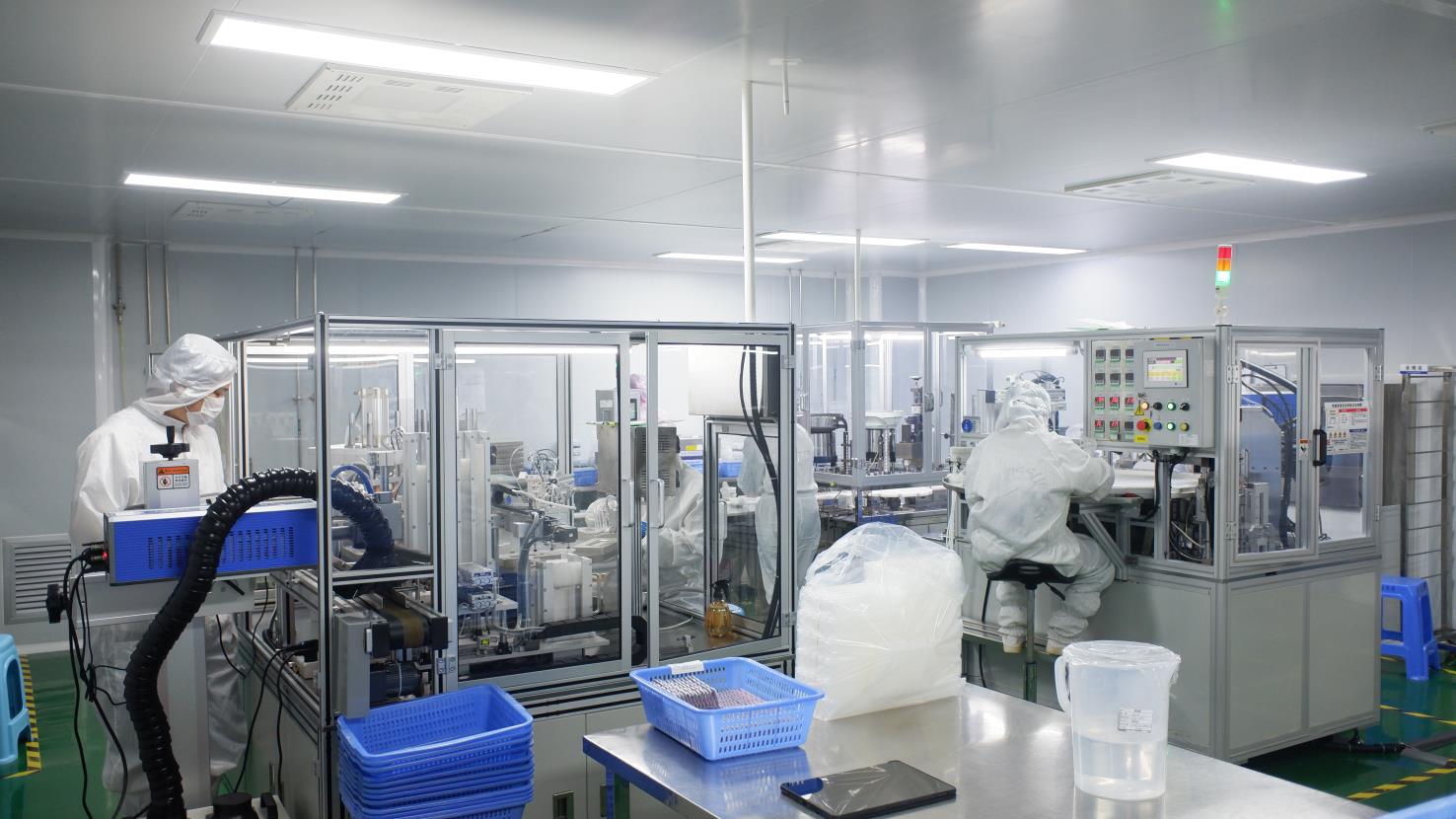
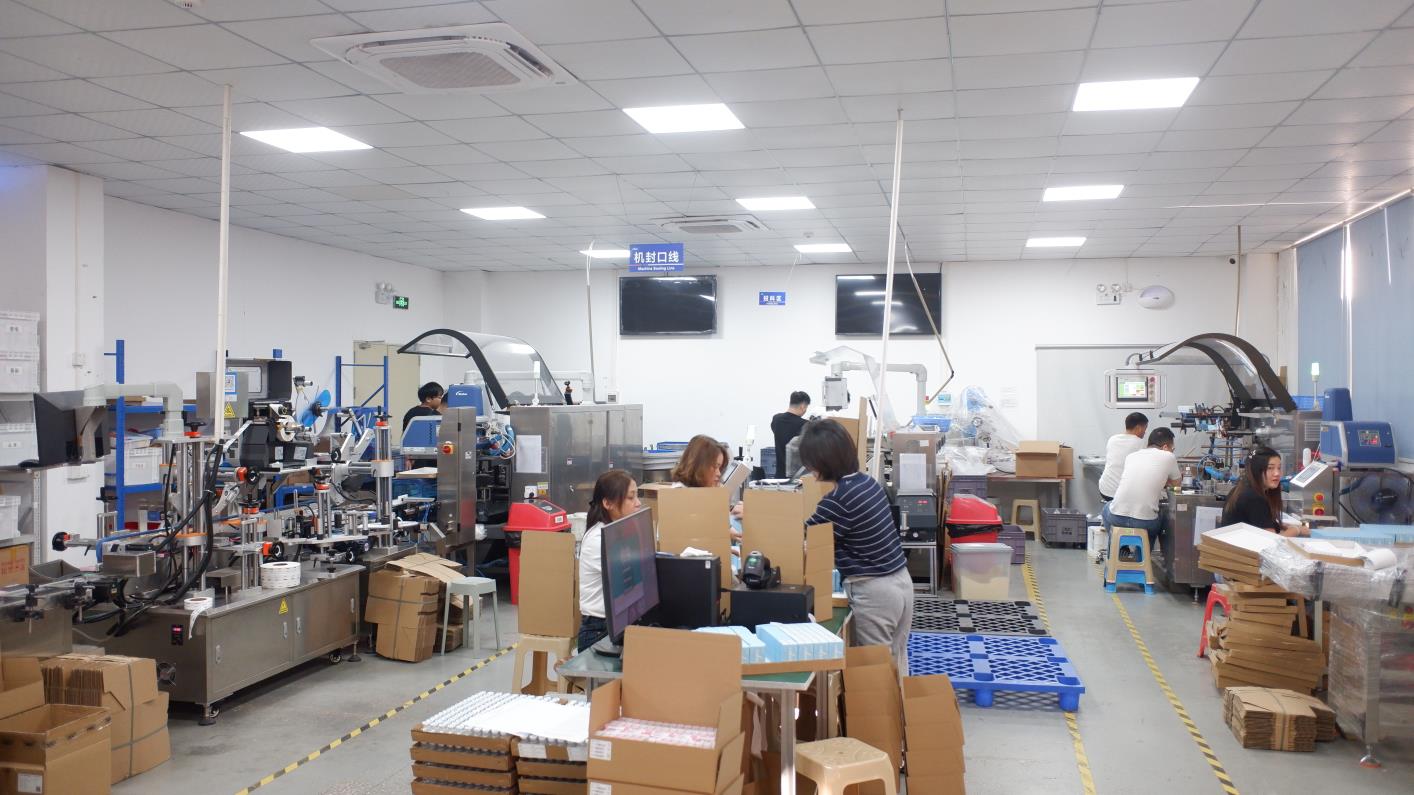
In B2B medical optics, colored contact lenses—particularly theatrical, sclera, and anime-designed variants—are not merely cosmetic accessories; they are class II medical devices subject to strict physiological standards. The manufacturing process of a standard crazy cosplay lens requires a precise balance of color saturation and corneal health parameters.
Historically, cheap cosmetic lenses faced regulatory challenges due to pigment leaching. Under Shenzhen Mio Lenses Co., Ltd.'s quality program, all crazy cosplay lenses are manufactured using a double-sandwich printing method. In this setup, the colored pattern is completely sealed between a transparent inner and outer layer of HEMA (Hydroxyethylmethacrylate) polymer. This architecture ensures the pigment never comes into contact with the patient's corneal epithelium or tarsal conjunctiva, eliminating risks of chemical irritation or abrasion.
A major challenge with high-pigment cosplay lenses is maintaining oxygen permeability (Dk/t). High opacity pigments can reduce gas transmissibility across the lens matrix. To resolve this, our engineering team utilizes optimized hydrophilic monomers with a 38% to 42% water content. This range is selected because it balances structural integrity (critical for preventing lens folding during wear) and adequate oxygen flow, minimizing dry-eye syndrome during prolonged wear at conventions or film sets.
Cosplay events are frequently held in air-conditioned convention centers where dry air can accelerate dehydration. Our finished product inspection includes testing for contact angle and surface wetness. We utilize plasma treatment technologies on our premium yearly disposables to lower the contact angle, allowing the natural tear film to spread evenly over the lens. This lowers the friction coefficient against the eyelid, resulting in comfortable long-term wear.
Shenzhen represents the heart of optical and electronic innovation in China, offering a mature cluster ecosystem that optimizes the production of complex contact lenses. The benefits of sourcing from a specialized Chinese manufacturer like Shenzhen Mio Lenses Co., Ltd. go beyond simple labor cost arbitrage:
Entering international markets requires navigating strict medical device regulations. Shenzhen Mio Lenses supports B2B buyers by providing the documentation needed to obtain clearance from local health authorities, including FDA 510(k) applications, CE MDR files, and certificates of free sale. Every export shipment features comprehensive batch records, raw material certificate tracking, and biocompatibility study dossiers.
For global distributors, purchasing departments must weigh several critical risk and operational factors when selecting a manufacturer:
Buyers require proof of ISO 13485 certification, biocompatibility testing (ISO 10993), and sterile processing standards.
Our shipping department provides correct HS Code classification (typically HS 9001.30) and customs paperwork to avoid delays at international ports.
OEM/ODM options that cover customized blisters, multi-language outer box printing, and inserts tailored to regional requirements.
Cosplay lenses serve distinct retail and theatrical sectors globally. Understanding these use cases helps B2B buyers structure their inventory.
High-density anime conventions drive seasonal spikes in demand. Pop-up vendors and specialty brick-and-mortar hobby stores stock bright, highly opaque primary colors (red, gold, purple) to match popular animated character eyes.
Professional theatrical makeup artists require hand-painted style lenses and larger diameter sclera lenses (22mm). These require strict optical clarity and comfortable wear to handle the heat of studio lights.
Online retailers plan logistics 4–6 months in advance for the Q4 surge. Popular inventory includes classic designs like zombie white-out, cat-eye, and vampire red, supported by our scalable production lines.
The international contact lens market is transitioning toward daily disposable modalities, bio-compatible materials, and digital pattern rendering.
Silicone hydrogels provide higher oxygen transmissibility (Dk/t) compared to traditional hydrogels. Ophthalmic R&D focuses on incorporating silicone matrices into highly pigmented cosmetic lenses without compromising pattern adhesion or dye safety.
Cosplayers and theatrical performers value the hygiene and convenience of single-use lenses. The industry is seeing a shift from yearly replacement schedules to daily disposables, which reduces storage maintenance and risk of corneal infection.
Traditional pad printing is being updated with digital inkjet deposition. This technology enables micro-precise pigment layering, allowing for realistic color depth, gradient transitions, and complex geometric details.
Health authorities worldwide are increasing inspection rates on cosmetic lenses at points of entry. Importers must work with certified, transparent manufacturers to ensure cargo clearance and minimize customs delays.
Get answers to technical, design, compliance, and supply chain questions from our engineering and logistics departments.
Yes. Under major regulatory frameworks, including the US FDA, EU MDR, and China NMPA, all contact lenses—including zero-power (plano) cosmetic and decorative lenses—are classified as Class II or Class III medical devices. Importers must comply with local medical device registration, storage, and traceability requirements.
The double-sandwich printing process encapsulates the colored pigment layers between two layers of clear hydrogel material. This prevents the pigment from coming into contact with the cornea or the eyelid, protecting the eye from chemical irritation and maintaining a smooth, comfortable surface.
MOQs vary depending on the level of customization. For catalog designs with private labels (minor customization), the MOQ typically starts at 500 to 1,000 pairs. For completely custom, drawing-based designs that require new printing plates, MOQs usually start at 3,000 pairs per design.
We track all materials using batch control numbers. Each batch of raw polymer, saline solution, and blister packaging material is logged along with its manufacturer certificate of analysis, certificate of origin, and inspection reports.
Yes. We can manufacture cosplay lenses with power corrections (typically ranging from -0.50D to -8.00D). For toric lenses to correct astigmatism, we offer customizable cylinder and axis parameters using lathe-cutting manufacturing processes.
We provide CE certificates (complying with medical device standards), ISO 13485 Quality Management certificates, Certificates of Free Sale, and detailed biological evaluation reports (ISO 10993). This documentation supports smooth import clearance through major global ports.
Unopened blister packages have a sterile shelf life of up to 5 years, depending on the sterilization validation cycle. Once opened, we offer yearly, monthly, and daily disposable options, depending on your target market preferences and regulatory approvals.
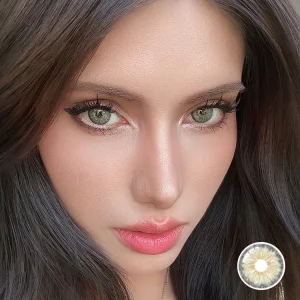
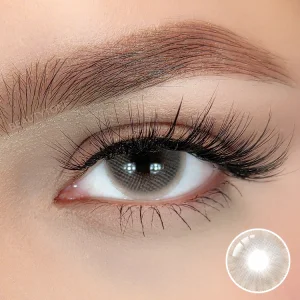
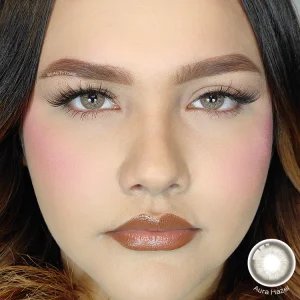
Our extended line of yearly fashion, cosplay, and special effects contact lenses. High coverage patterns designed for light and dark iris colors.