Mio Lenses
Mio Lenses
Mio Lenses
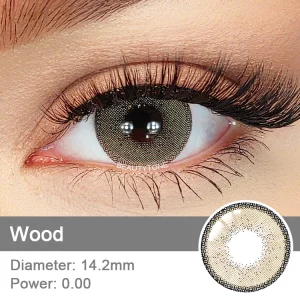
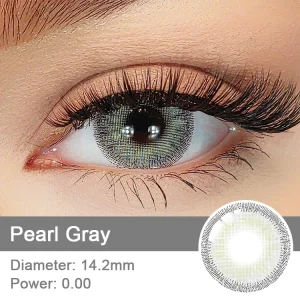
Explore our top-selling 14.2mm cosmetic lenses designed for ultimate physiological comfort and vibrant natural aesthetics.
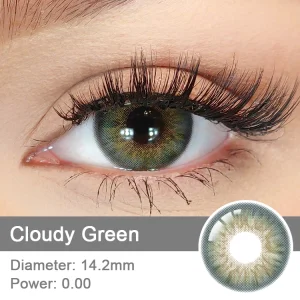
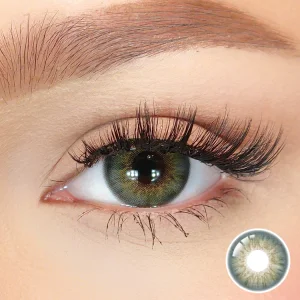
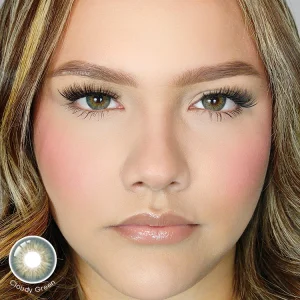
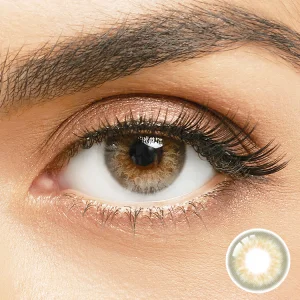
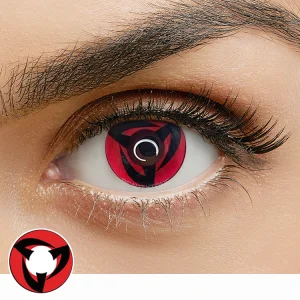
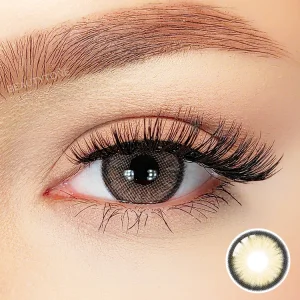
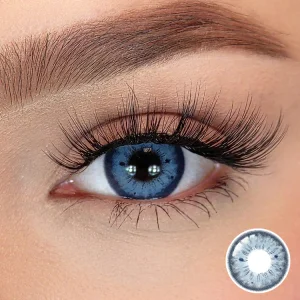
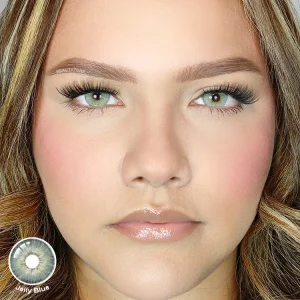
In the rapidly expanding market of cosmetic ophthalmics, 14.2mm BeautyTone Cloudy contact lenses have emerged as a benchmark for consumer-centric design and physiological compatibility. Global sourcing strategies for beauty brands require a deep understanding of manufacturing tolerances, polymer chemistry, and regulatory landscapes. This whitepaper serves as a definitive guide for brand owners, distributors, and ophthalmological professionals to evaluate the manufacturing infrastructure, OEM/ODM processes, and market integration opportunities offered by leading producers like Shenzhen Mio Lenses Co., Ltd.
Historically, cosmetic contact lenses prioritized dramatic visual transformation over physiological wellness. Today, under the strict guidelines of global optical safety organizations, manufacturers must balance micro-pigmentation layers with the mechanical requirements of the cornea. The BeautyTone Cloudy series represents this paradigm shift, incorporating advanced hydrogel matrices with nano-encapsulated colorants to deliver striking, realistic visual textures without compromising ocular health.
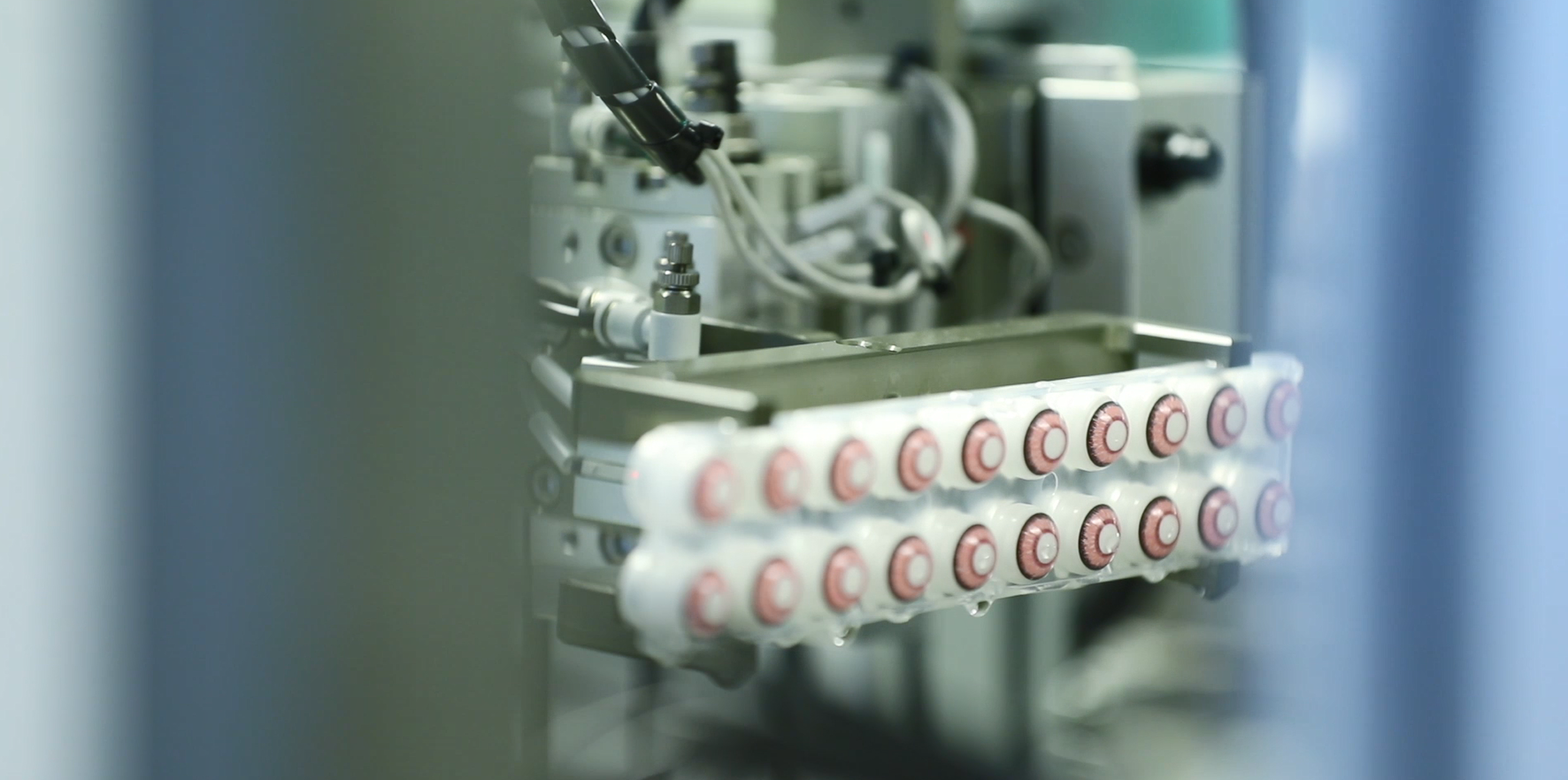
Unlike traditional pad printing, modern factories utilize Sandwich Technology, where the micro-pigments are permanently sealed inside a biomedical-grade hydrogel envelope. This entirely prevents raw color pigments from contacting the corneal epithelium, mitigating the risk of allergic conjunctivitis and pigment leaching.
The human cornea exhibits a vertical diameter of approximately 11.5mm to 12.0mm and a horizontal diameter ranging from 12.0mm to 12.5mm. In optical design, selecting the base curve and overall diameter (Total Diameter, or TD) dictates physical fitment, hydration performance, and the aesthetic limbal ring appearance.
A 14.2mm diameter is engineered to offer the ideal ratio of coverage to breathability. Key advantages include:
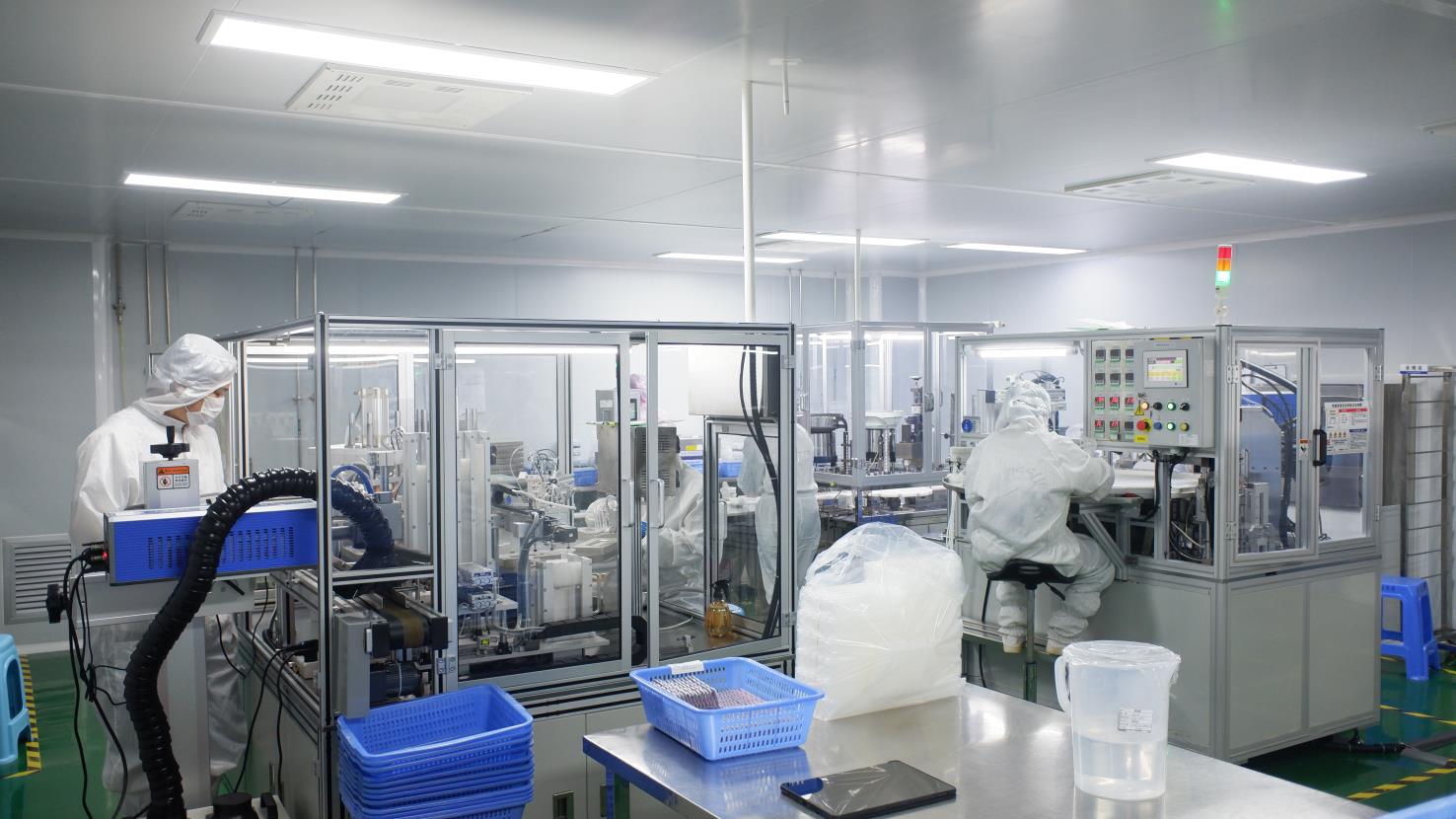
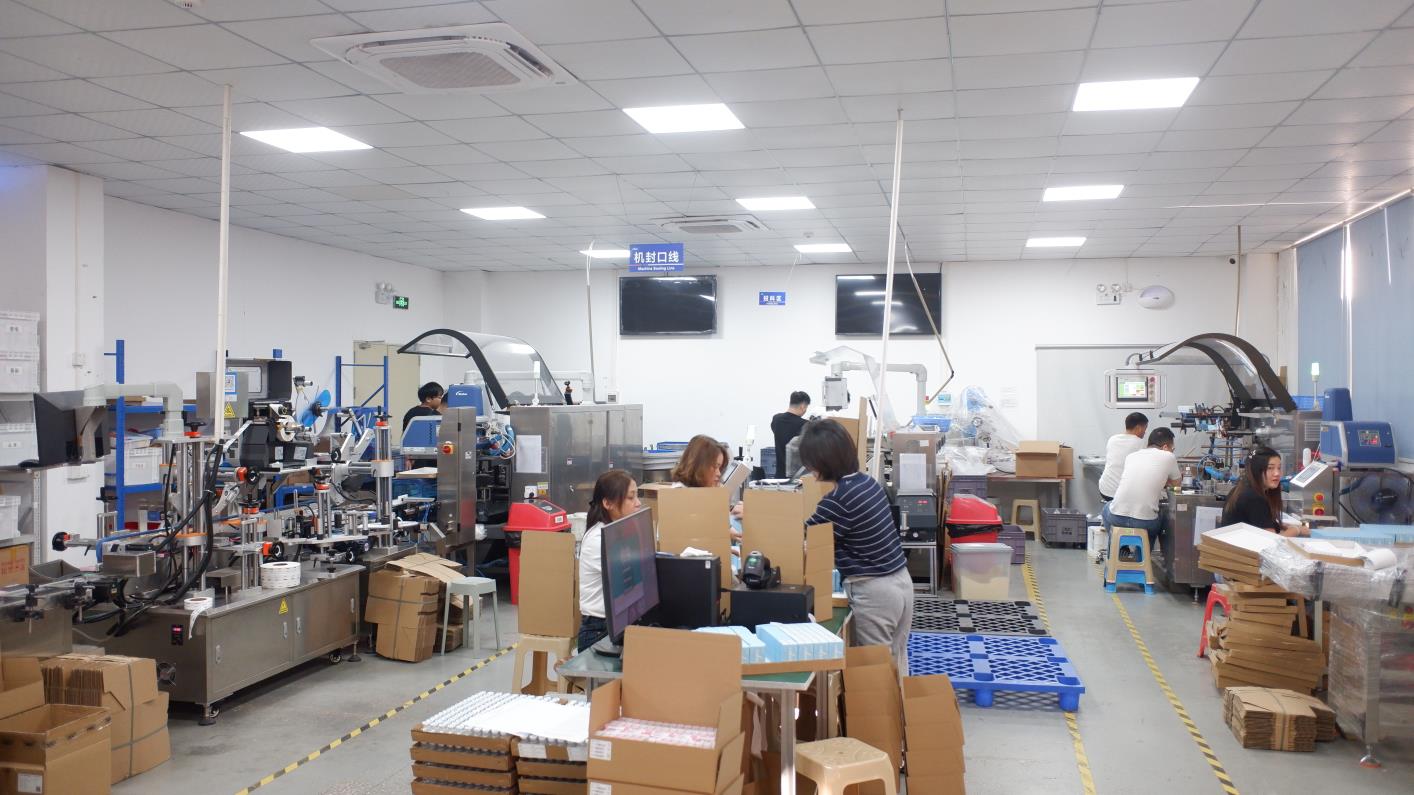
When sourcing B2B cosmetic lenses, partnering with certified manufacturers is critical to ensuring product safety and market longevity. Shenzhen Mio Lenses Co., Ltd. stands at the forefront of this industry, integrating high-tech automation with strict quality assurance systems.
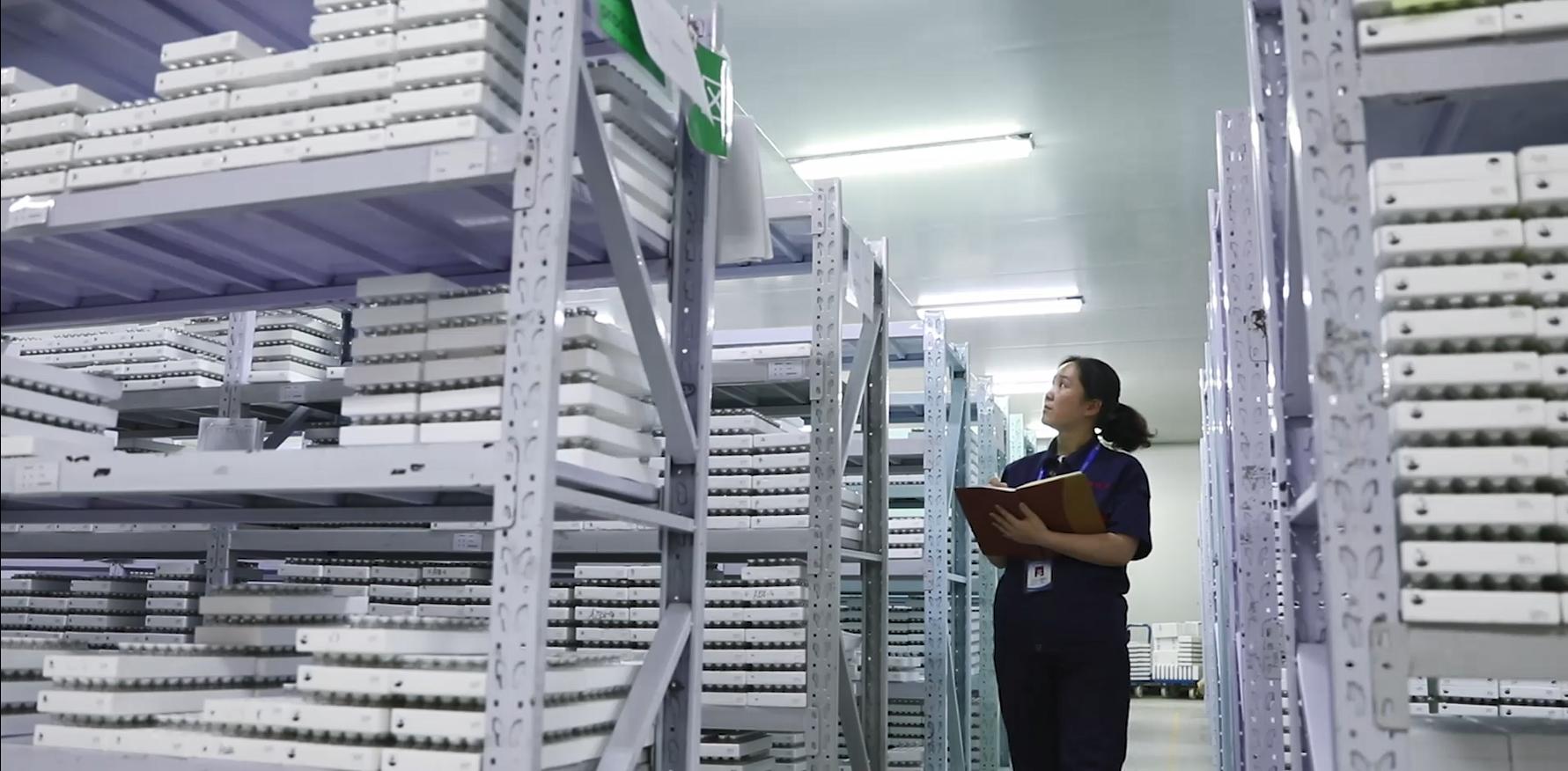
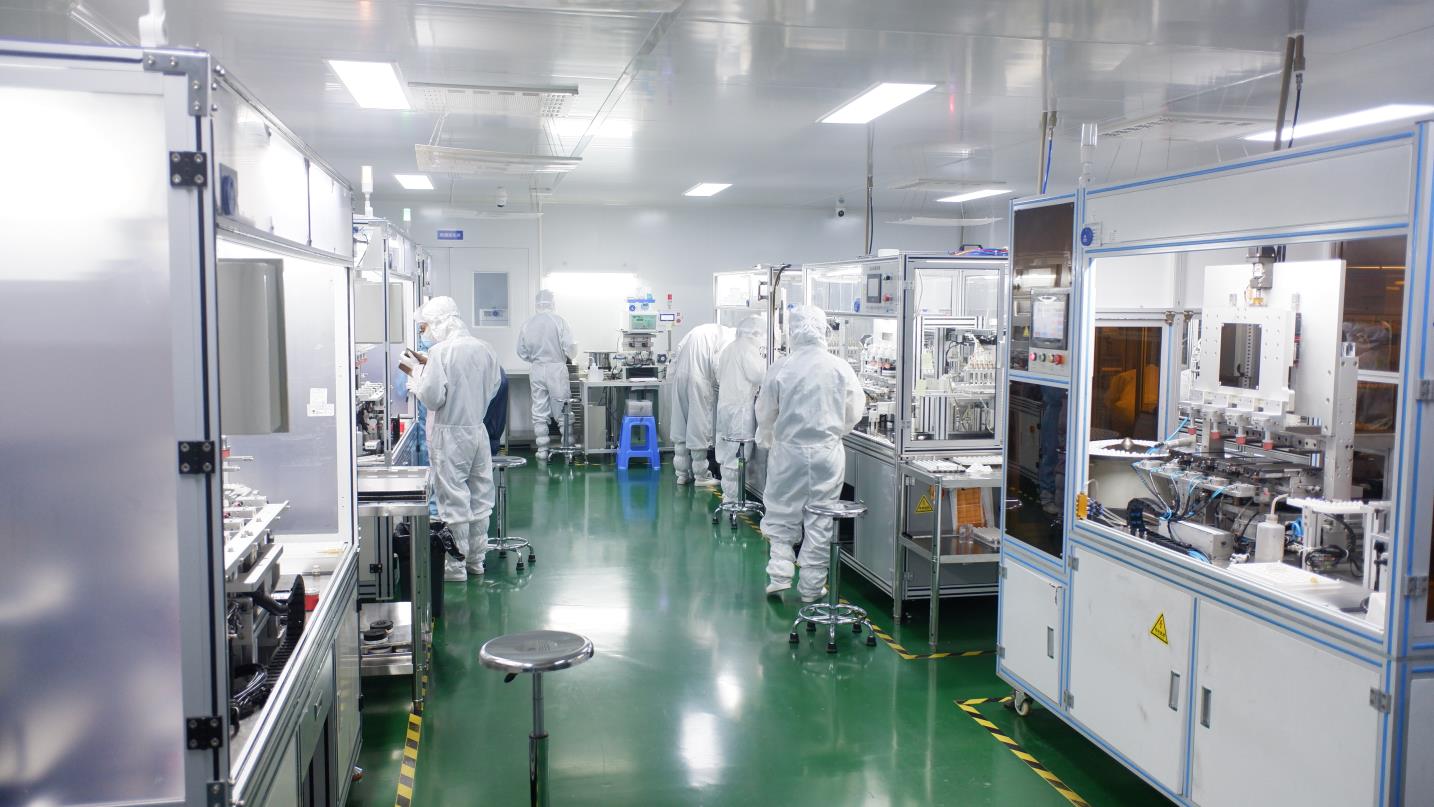
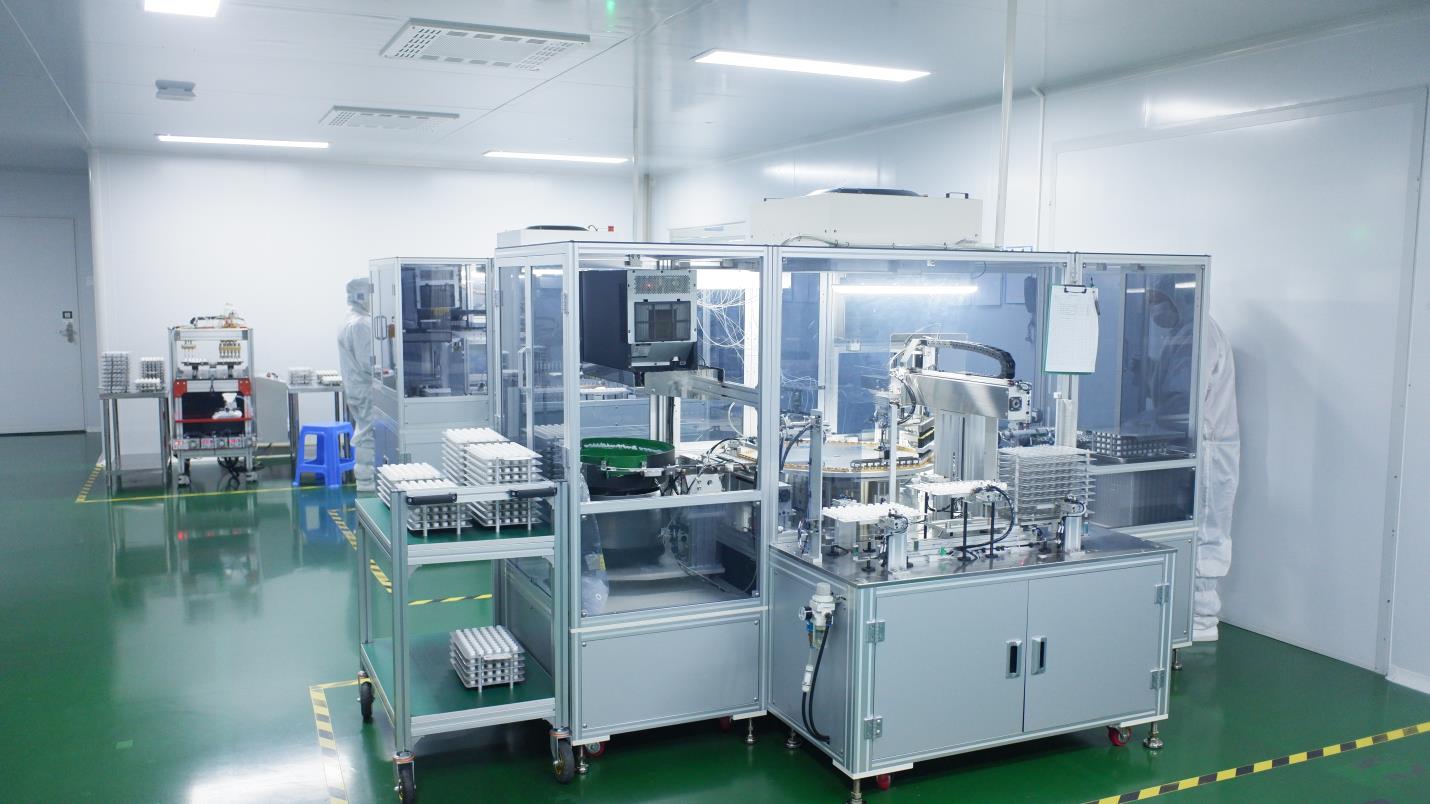
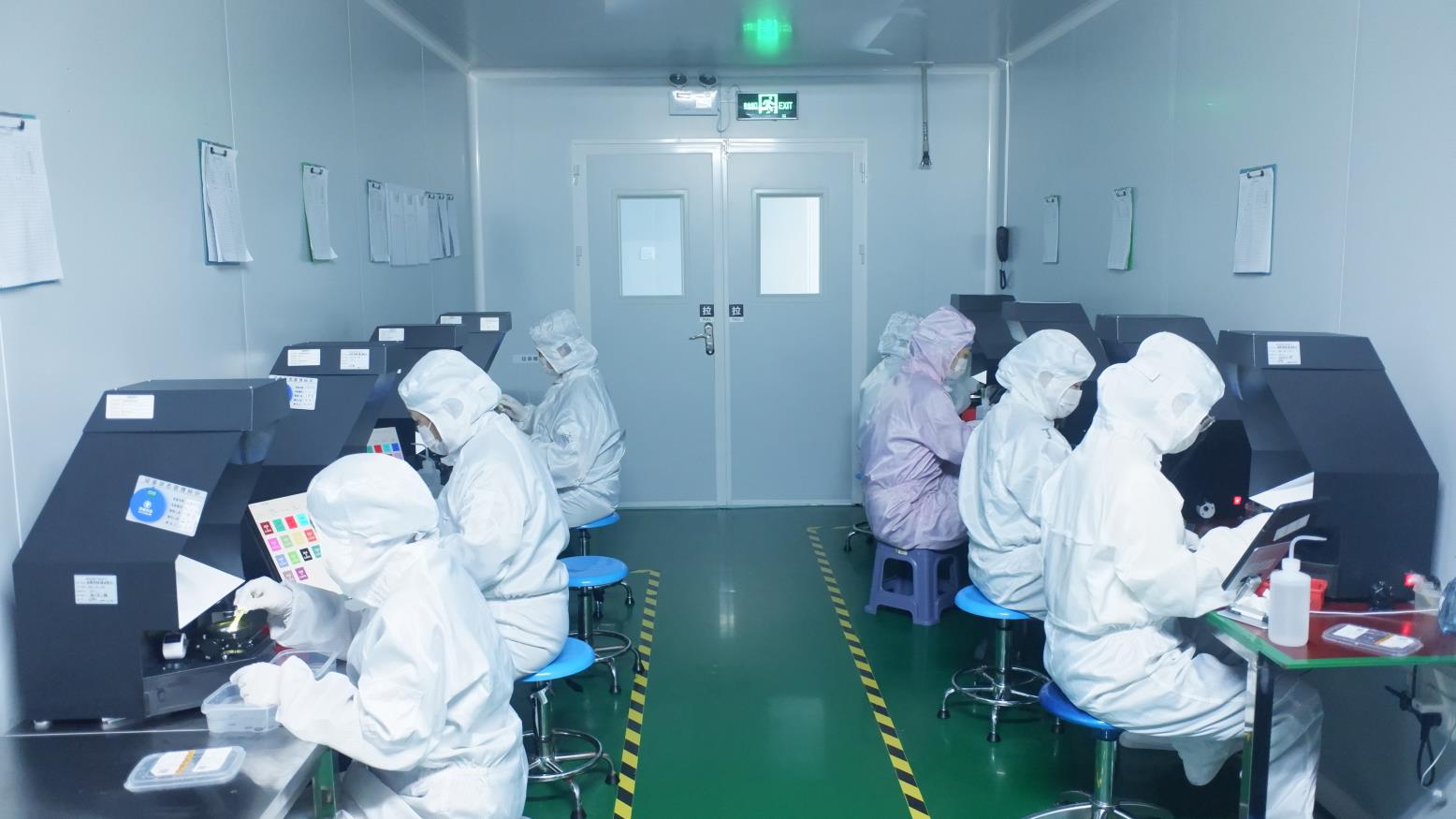
Operating from state-of-the-art cleanroom environments (Class 100,000 ISO standards), Mio Lenses ensures every lens batch undergoes exhaustive structural and biological validation. The facility integrates raw material identification systems with molecular-level traceability, guaranteeing that only medical-grade polymers enter the production lines.
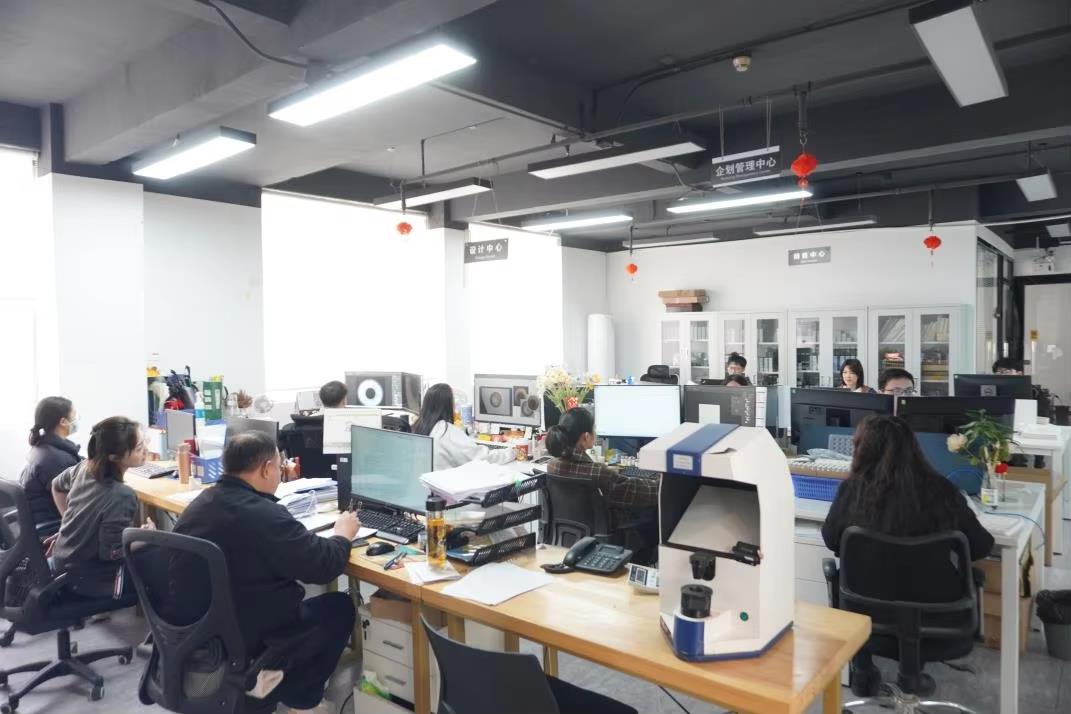
Mio Lenses supports complex product life cycles from conception to distribution. The company specializes in drawing-based customization, allowing global private-label buyers to submit customized graphics and receive calibrated prototype lenses in record time.
The core of the 14.2mm BeautyTone Cloudy series rests in its material formulation. Most modern factories utilize either traditional Hydrogels (such as Polymacon or HEMA copolymers) or advanced Silicone Hydrogels (Si-Hy).
Offers excellent structural integrity and low protein deposition. With a water content commonly balanced at 38% to 40%, these lenses do not pull moisture away from the eye, making them excellent for dry environments or long-wear cycles.
Delivers exceptionally high oxygen transmissibility (Dk/t), allowing up to 5 times more oxygen to reach the cornea compared to traditional hydrogels. This minimizes corneal hypoxia, prevents redness, and ensures long-term physiological health.
Advanced manufacturers incorporate plasma surface treatments or locked-in wetting agents (such as Hyaluronic Acid in the packaging saline) to maintain a low contact angle, ensuring the lens remains hydrated throughout the day.
To assist global buyers and SEO specialists in optimizing their distribution channels, we analyze the search intent underlying the "14.2mm BeautyTone Cloudy" keyword space.
The B2B customer search journey typically spans three main pillars:
As the beauty and medical technology sectors merge, the future of cosmetic contact lens manufacturing will focus on two major areas: personalized anatomical matching and environmentally sustainable production.
Leading factories are investing in digital 3D-printing tech for color patterns, moving past analog plates to print intricate, custom-designed irises on demand. Furthermore, the integration of UV-blocking filters (blocking both UV-A and UV-B rays) directly into the monomer mixture is becoming an industry standard.
By partnering with factories like Shenzhen Mio Lenses Co., Ltd. that invest in modern automated inspection, global brands can guarantee consistent products that satisfy modern consumers' demand for safety, visual performance, and style.
Explore more design options including natural shades, cosplay options, and standard soft contact lenses.