Mio Lenses
Mio Lenses
Mio Lenses
Engineered for exceptional comfort and localized aesthetic preferences. These products are high-volume sellers in the Tashkent and Samarkand metropolitan regions.
Uzbekistan is rapidly emerging as the powerhouse economy of Central Asia. Driven by sweeping regulatory reforms, a young demographic (with over 60% of the population under 30), and steady growth in disposable income, the consumer preferences for lifestyle and optical health products are undergoing a tectonic shift. Contact lenses, once viewed purely as corrective medical devices, have evolved into a core cosmetic accessory within the urban centers of Tashkent, Samarkand, Bukhara, and the Fergana Valley.
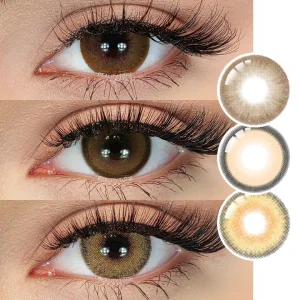
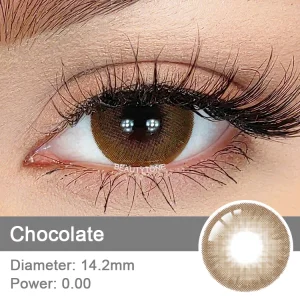
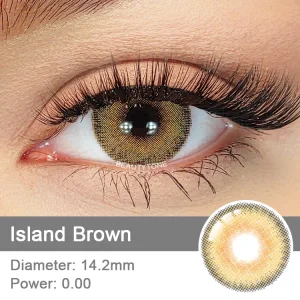
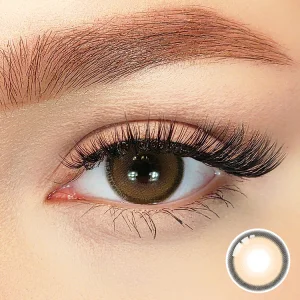
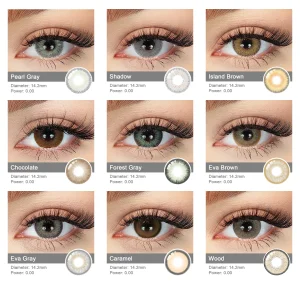
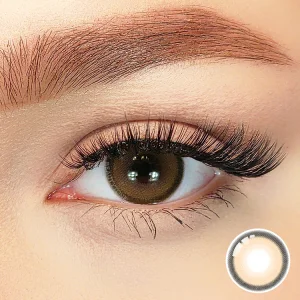
The BeautyTone Romance series addresses a precise market gap in Uzbekistan. For years, regional consumers had to choose between low-quality imports with poor oxygen permeability or excessively priced Western medical brands that lacked natural aesthetic colors suited for Central Asian eye profiles. Our data highlights that Uzbek color lens wearers heavily favor warm, realistic brown, caramel, and charcoal-gray tones that enrich brown irises without looking artificially saturated. BeautyTone Romance provides the perfect synthesis: high water content (38%-43% Hydration), advanced HEMA materials, and competitive pricing structures designed to maximize retail margins for local optical networks and cosmetic clinics.
Bridging advanced ophthalmic science and high-speed supply chain logistics. Operating a medical-grade facility specialized in OEM, ODM, and custom solutions for global markets.
Shenzhen Mio Lenses Co., Ltd. serves as the master manufacturer of BeautyTone Romance lenses. We implement high-precision CNC lathe cutting alongside high-volume cast molding technology within class 100,000 cleanrooms. This ensures that every single lens boasts an ultra-smooth edge profile, mitigating corneal friction and ensuring long-lasting comfort even in the dry, continental climate of Central Asia.
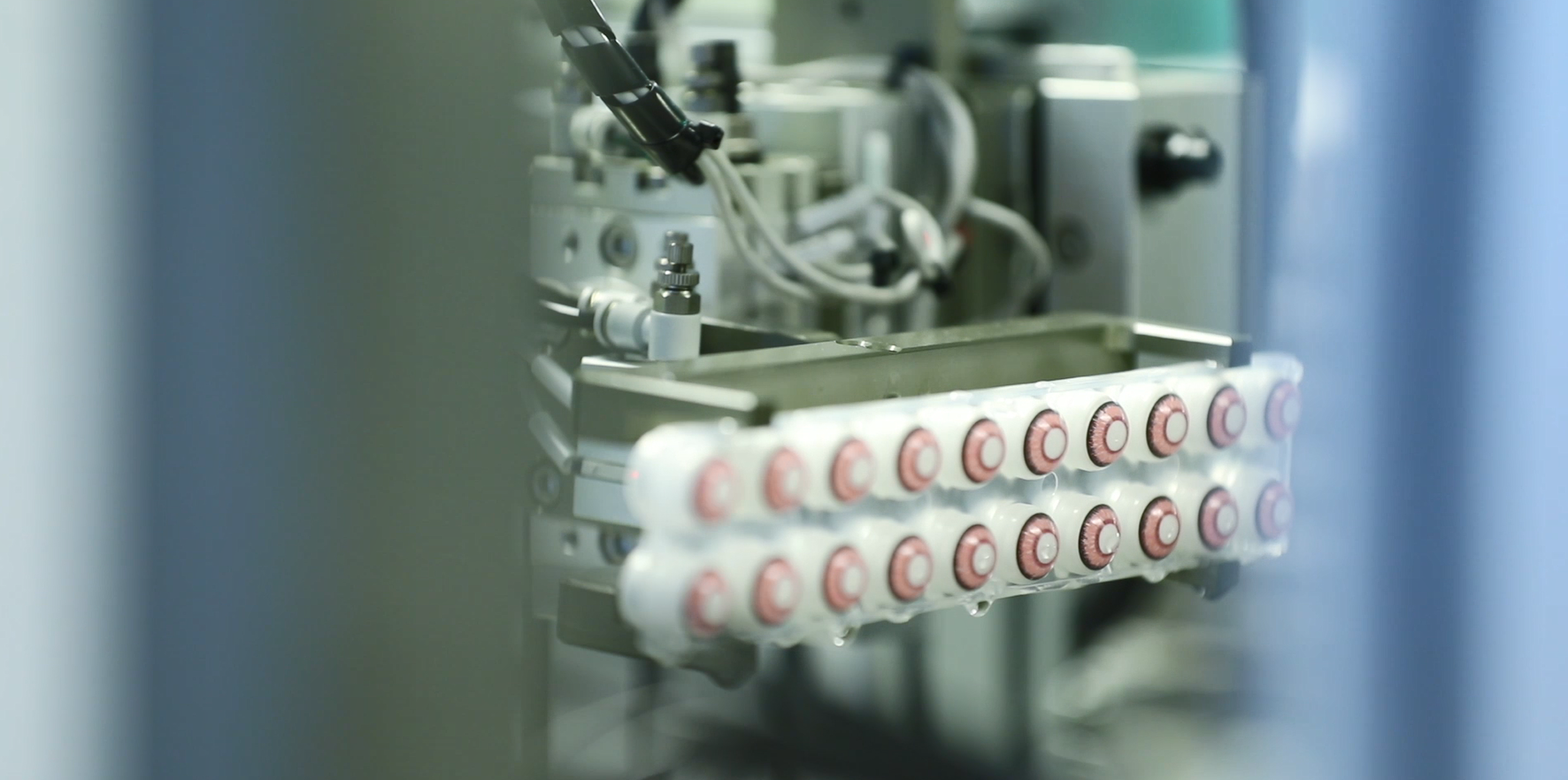


Our core development roadmap focuses on optimizing oxygen transmissibility (DK/t) utilizing custom-developed Hydrogel-Silicone hybrid materials. By integrating active hydrophilic monomers, we achieve longer wear cycles without drying. Furthermore, our Sandwich Printing Tech fully embeds the pigment layer within biocompatible polymers, ensuring complete safety for the wearer's cornea.
We offer Central Asian importers robust private-label options. From custom-branded boxes in local Uzbek (O'zbekcha) and Russian (Русский) scripts to digital media packs, our marketing packages are ready for deployment. Strategic airfreight routes connect Shenzhen to Tashkent (TAS) within 4 to 6 days, while cost-efficient rail links via Urumqi provide high-volume options.
Navigating the medical device regulatory processes in Uzbekistan can be complex. Shenzhen Mio Lenses Co., Ltd. provides full support, supplying the necessary documentation including ISO 13485 declarations, detailed CE test reports, raw material MSDS data sheets, and clinical trial results to facilitate swift clearance by the Ministry of Health of Uzbekistan.
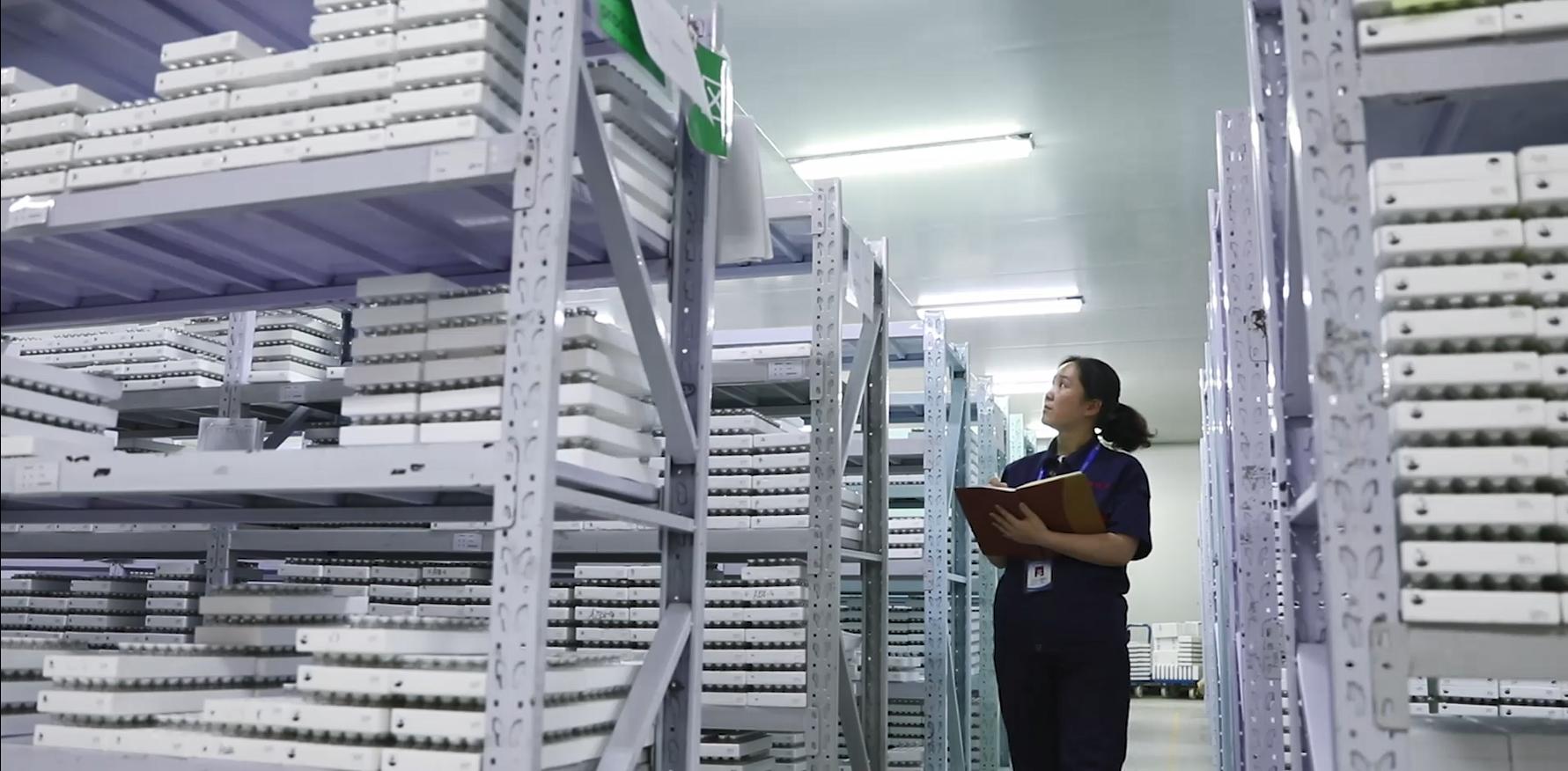
For B2B importers, the primary liability is safety. A single bad batch of lenses can destroy a retail brand's reputation overnight. Shenzhen Mio Lenses Co., Ltd. implements a multi-tier raw material verification standard. Every batch of Hydrogel and HEMA-based monomer is tagged at receipt, tested for chemical purity via gas chromatography, and logged with unique ID codes. In the unlikely event of quality anomalies, our ERP systems allow retroactive identification of the exact chemical components used, down to the specific day and reactor shift. This rigorous standard aligns perfectly with WHO directives and EU CE certification requirements.
The preferences of Central Asian consumers are fluid. A trend in Samarkand for warm caramel colors may shift rapidly toward ash-gray styles. Western manufacturers require high upfront MOQs and up to 6 months for design changes. Through our Drawing-Based Customization protocol, B2B partners can submit digital vectors or design schematics. Our engineers can convert designs into functional production molds and manufacture pilot batches in as little as 15 working days. This operational agility empowers local distributors to test the market with minimal capital commitment.
Being doubly landlocked, Uzbekistan requires meticulous planning for supply chain logistics. Standard ocean shipping to regional ports followed by long overland hauls is prone to delays. Therefore, our logistical pathways rely on multimodal overland networks. High-value cargo is transported via air cargo channels to Tashkent International Airport (TAS), which offers reliable customs clearance. For bulk supply lines, we utilize direct rail freight departing from China's dry ports, passing through Kazakhstan, and reaching Uzbekistan directly. We employ temperature-controlled containers to safeguard the molecular integrity of the lenses from temperature variations during transit.
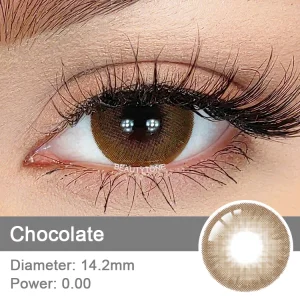
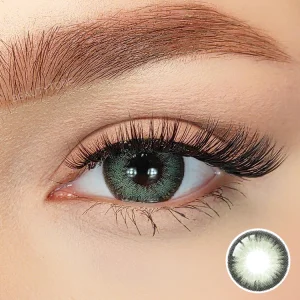
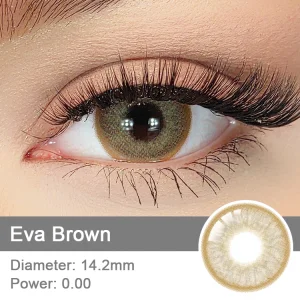
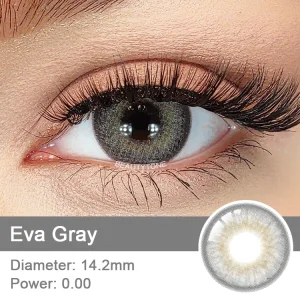
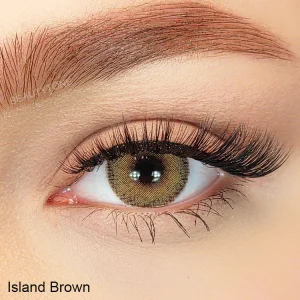
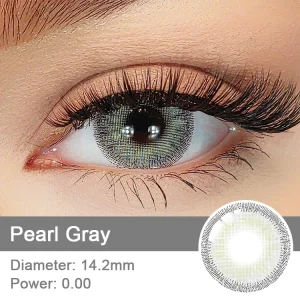
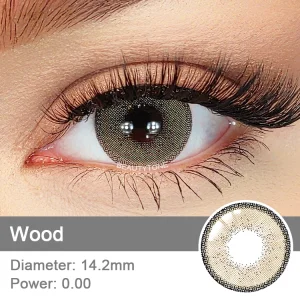
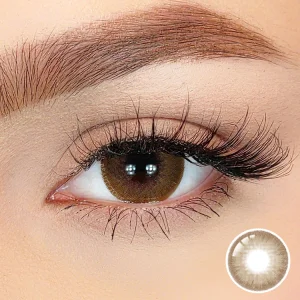
Below is our complete BeautyTone Romance range. These products are fully compatible with Uzbekistan standards and available for high-volume B2B contract ordering.
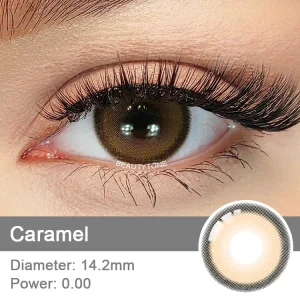
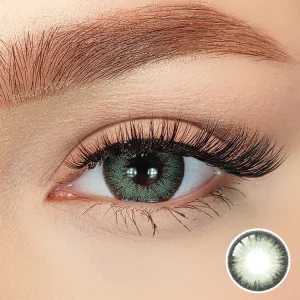
Answers to key regulatory, logistical, and technical questions asked by commercial importers in Central Asia.
We provide full documentation required by the Ministry of Health of Uzbekistan (Sog'liqni Saqlash Vazirligi) and customs offices. This includes CE Medical certificates, ISO 13485 Quality System certification, free sales certificates, raw material safety data sheets (MSDS), and sterile test reports. Our compliance department works with local brokers to ensure a smooth clearance process.
For minor customizations (such as custom blister prints or adding Uzbek language instructions to outer boxes), our standard MOQ starts at 5,000 units. For drawing-based customization of the lens color patterns, the MOQ is determined by manufacturing runs and typical mold costs. Contact our B2B team for a precise quote.
Contact lenses are highly sensitive to extreme heat, which can occur during transit through Central Asian trade corridors in the summer. We package all shipments in high-insulation thermal boxes. For rail freight, we coordinate container bookings with temperature-controlled logistics services. This ensures that the hydration levels and chemical bonds of the HEMA polymers remain intact.
Air freight shipments typically take 4 to 7 working days to reach Tashkent International Airport (TAS), including transit stops. Rail transit through the Urumqi corridor to Tashkent station takes approximately 14 to 18 days and represents the most cost-effective solution for high-volume container orders.
Access competitive factory pricing, comprehensive compliance documentation, and tailored packaging solutions for the Uzbekistan and wider Central Asian ophthalmic markets.
Send Inquiry Now