Mio Lenses
Mio Lenses
Mio Lenses
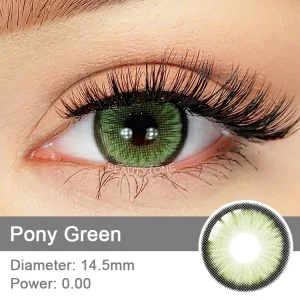
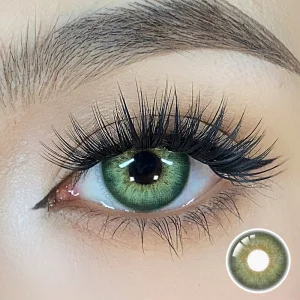
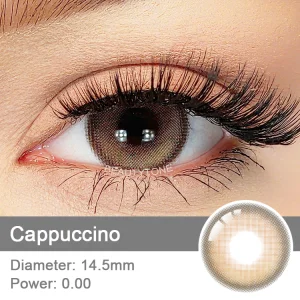
Explore our top-performing daily and yearly disposable aesthetic models, certified for physiological safety, pigment separation integrity, and optimal corneal oxygenation.
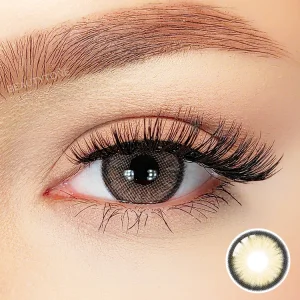
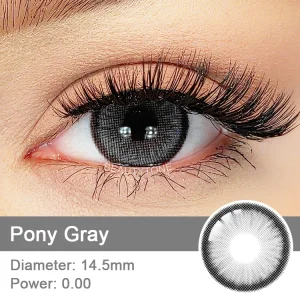
Berlin stands as a leading epicenter of fashion, cultural pluralism, and expressive cosmetology in continental Europe. Driven by dynamic club subcultures, theatrical performing arts, and a surging consumer demand for safe, self-expressive cosmetic products, the market for colored contact lenses has evolved significantly. Sourcing cosmetic contacts in this landscape requires meeting high consumer expectations for design, alongside stringent regulatory compliance.
For optical distributors, beauty chains, and online specialty portals based in Berlin and the wider European Economic Area (EEA), importing contact lenses requires navigating a complex environment. The transition of non-corrective (cosmetic) colored lenses from general consumer goods to Class IIa/IIb medical devices under the European Medical Device Regulation (MDR 2017/745) has restructured the supply chain. Distributors now face a critical task: sourcing partners who combine design capabilities with full quality assurance and clinical compliance.
Fully certified sterile facilities utilizing advanced automation for raw material control.
Engineered with optimal water retention metrics and excellent oxygen transmissibility.
Our multi-layer sandwich print technology embeds pigments securely between protective layers of biocompatible polymers. This prevents raw pigment from contacting the corneal surface, providing reliable safety for both prescriptive and non-prescriptive wearers.
Shenzhen Mio Lenses Co., Ltd. is an established, specialized manufacturer of contact lenses, supporting global distributors with high-quality OEM/ODM services. We balance minor aesthetic customization with robust quality management systems. Our raw materials are fully traced, and finished products undergo comprehensive physical, biological, and cosmetic inspections prior to sterile packaging.
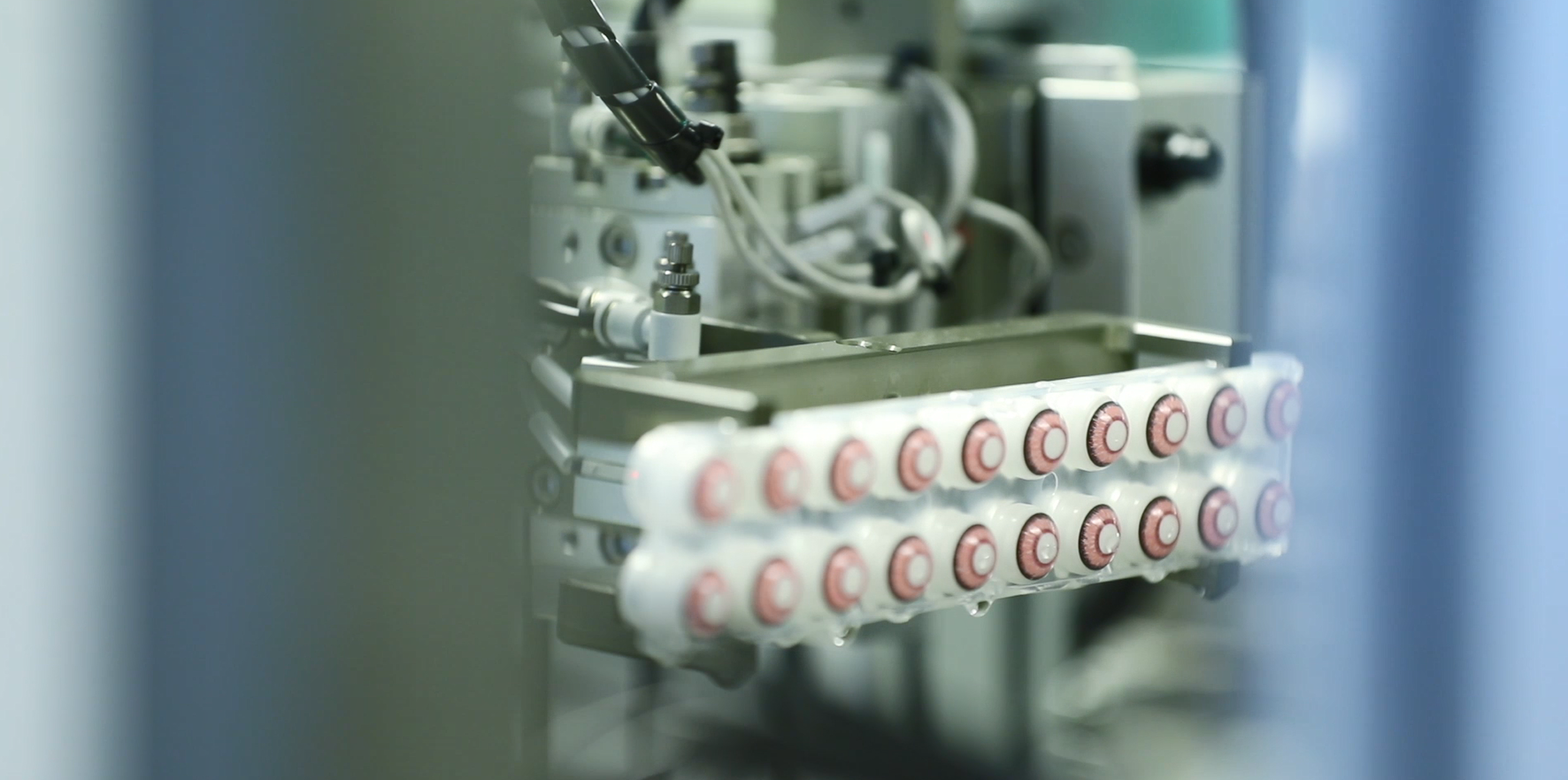
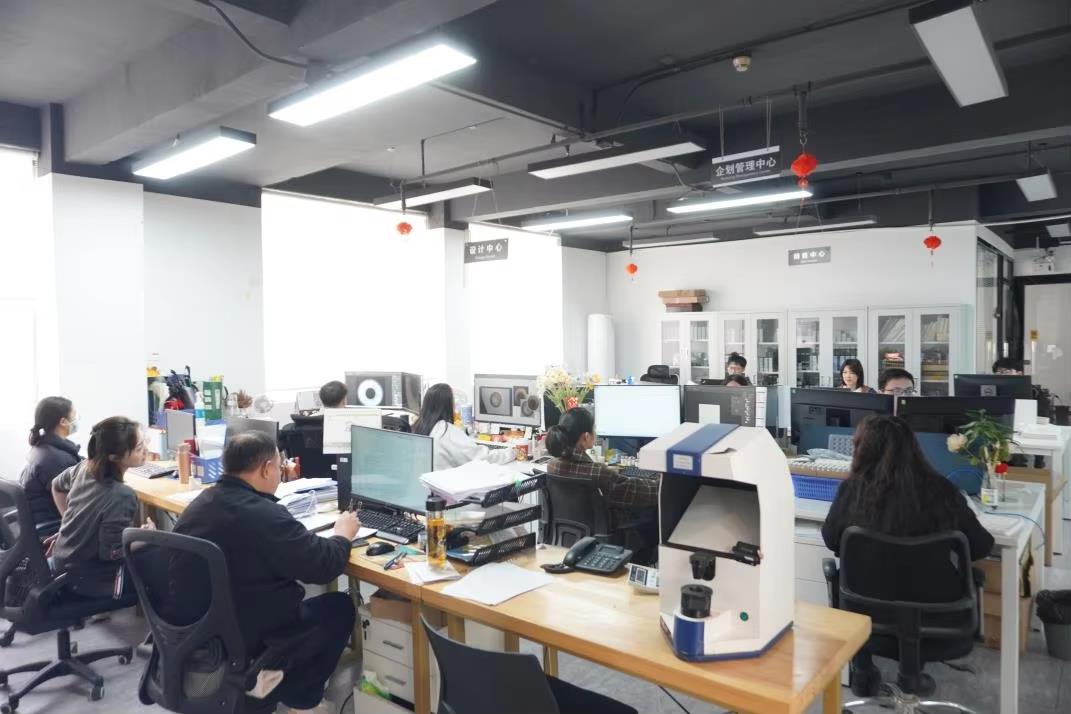
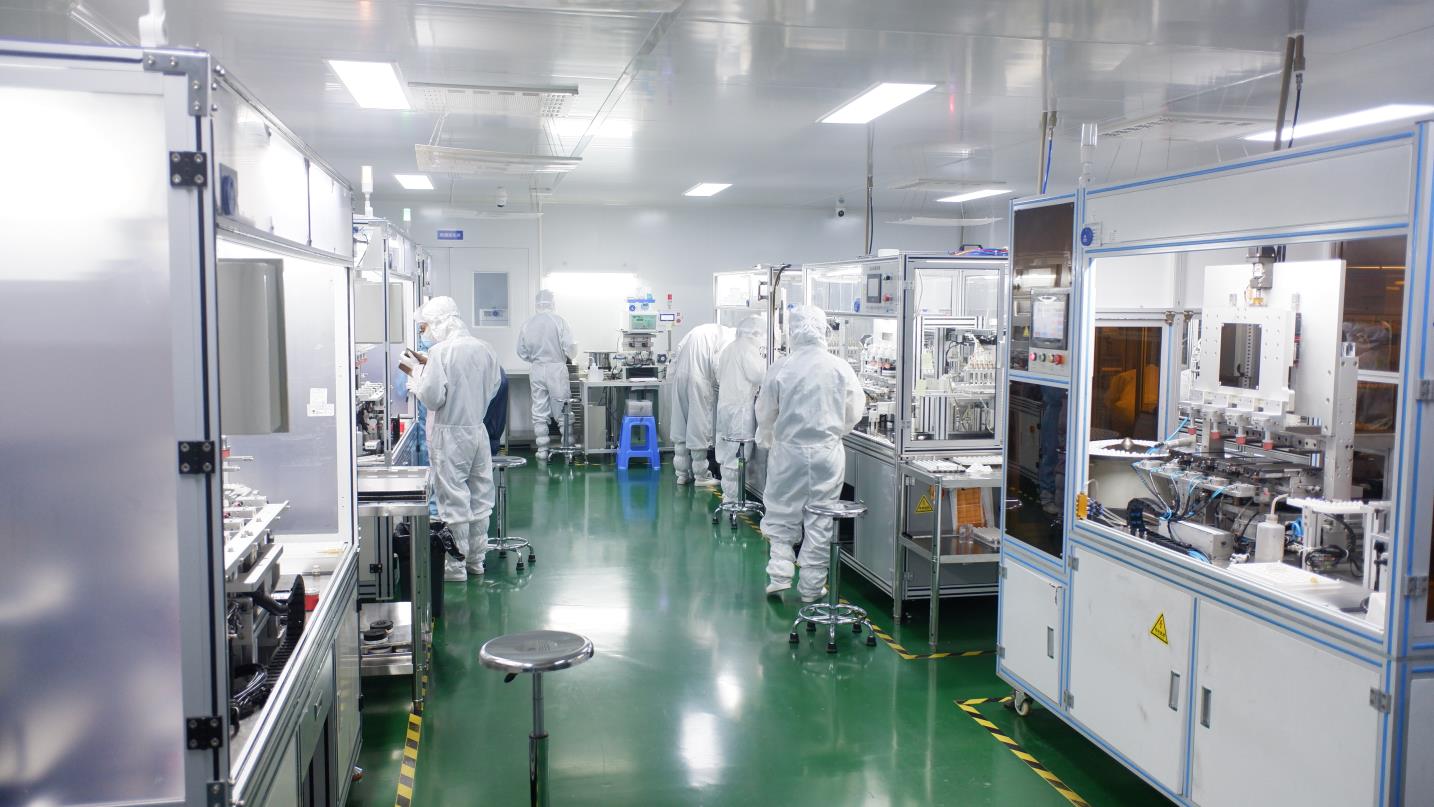
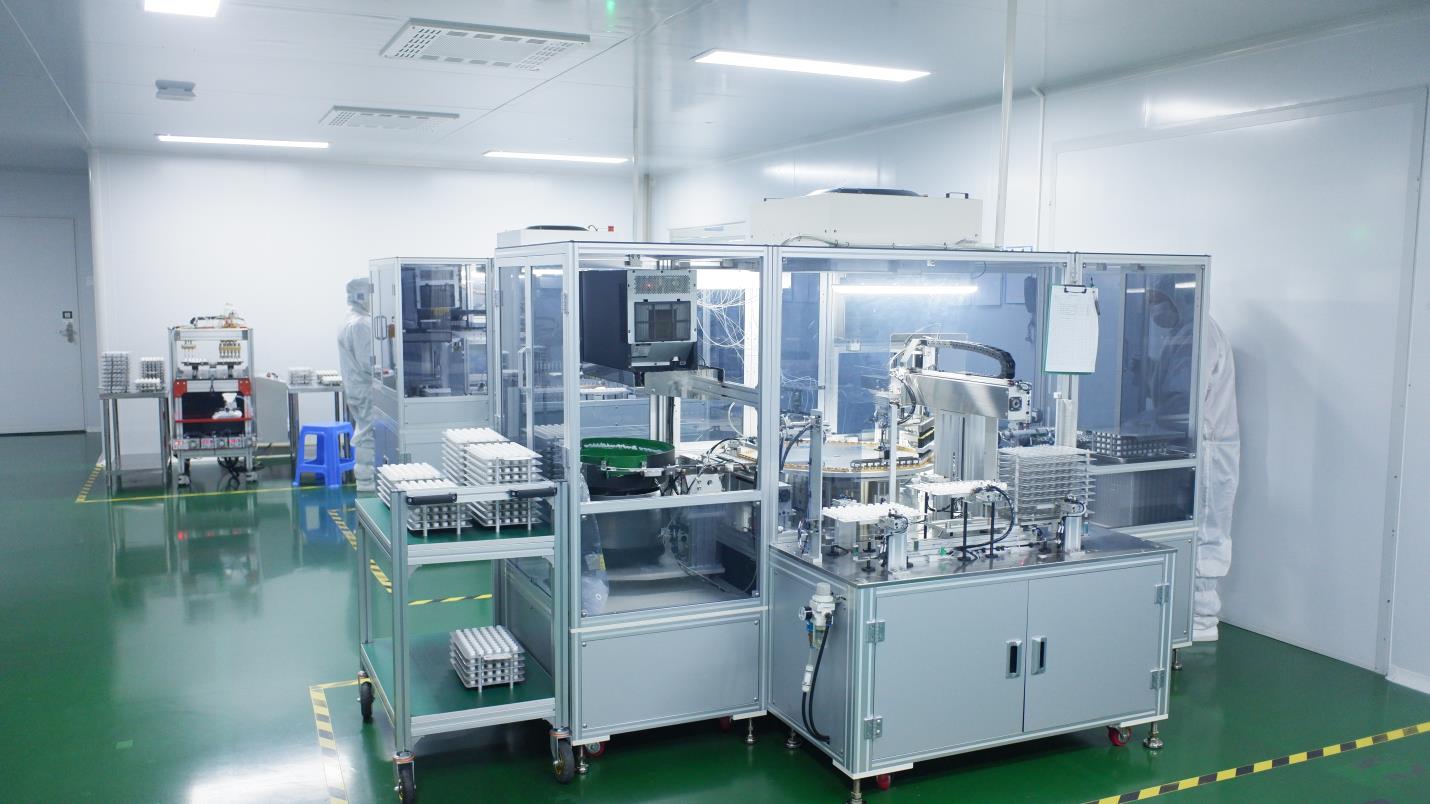
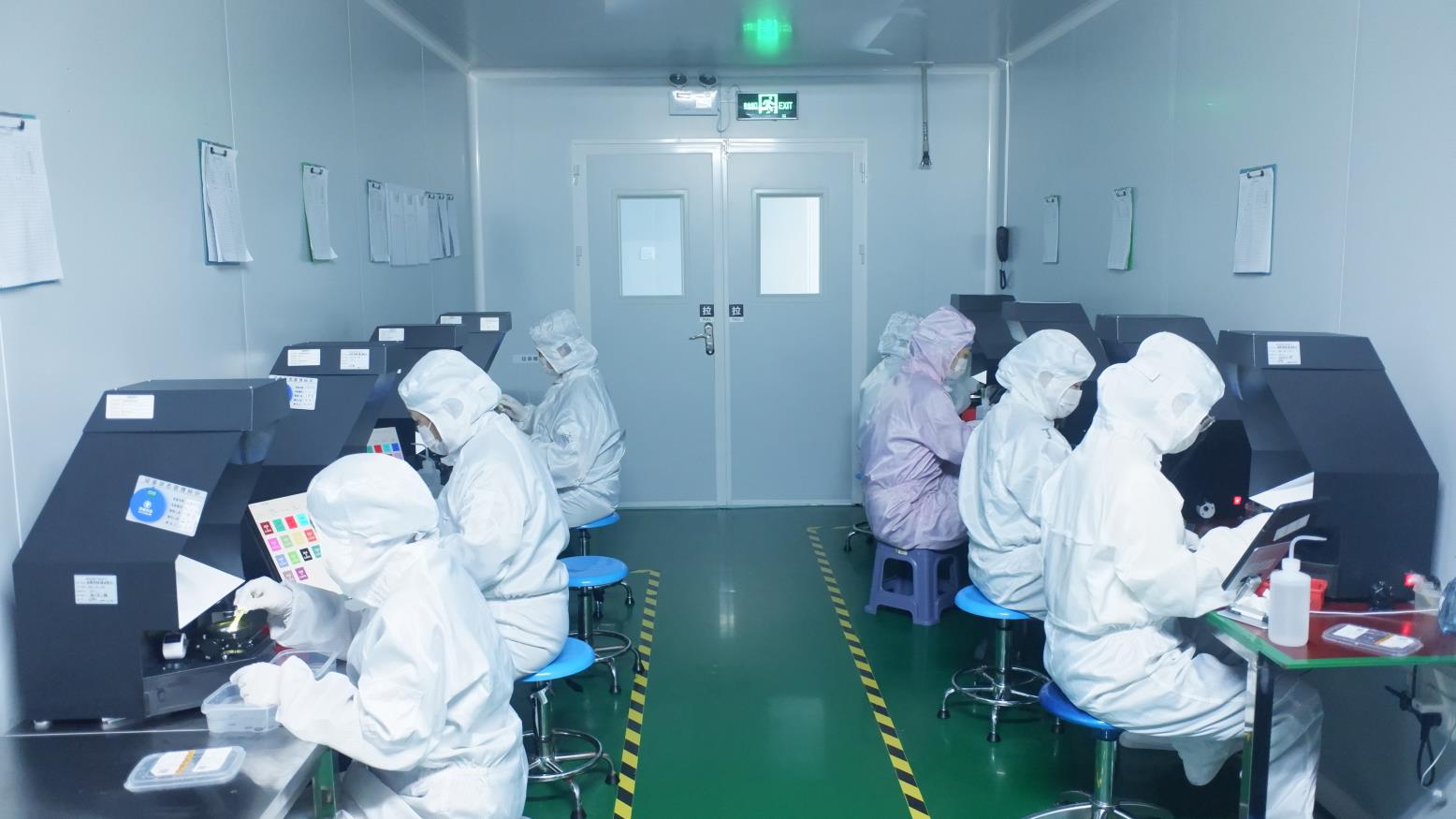
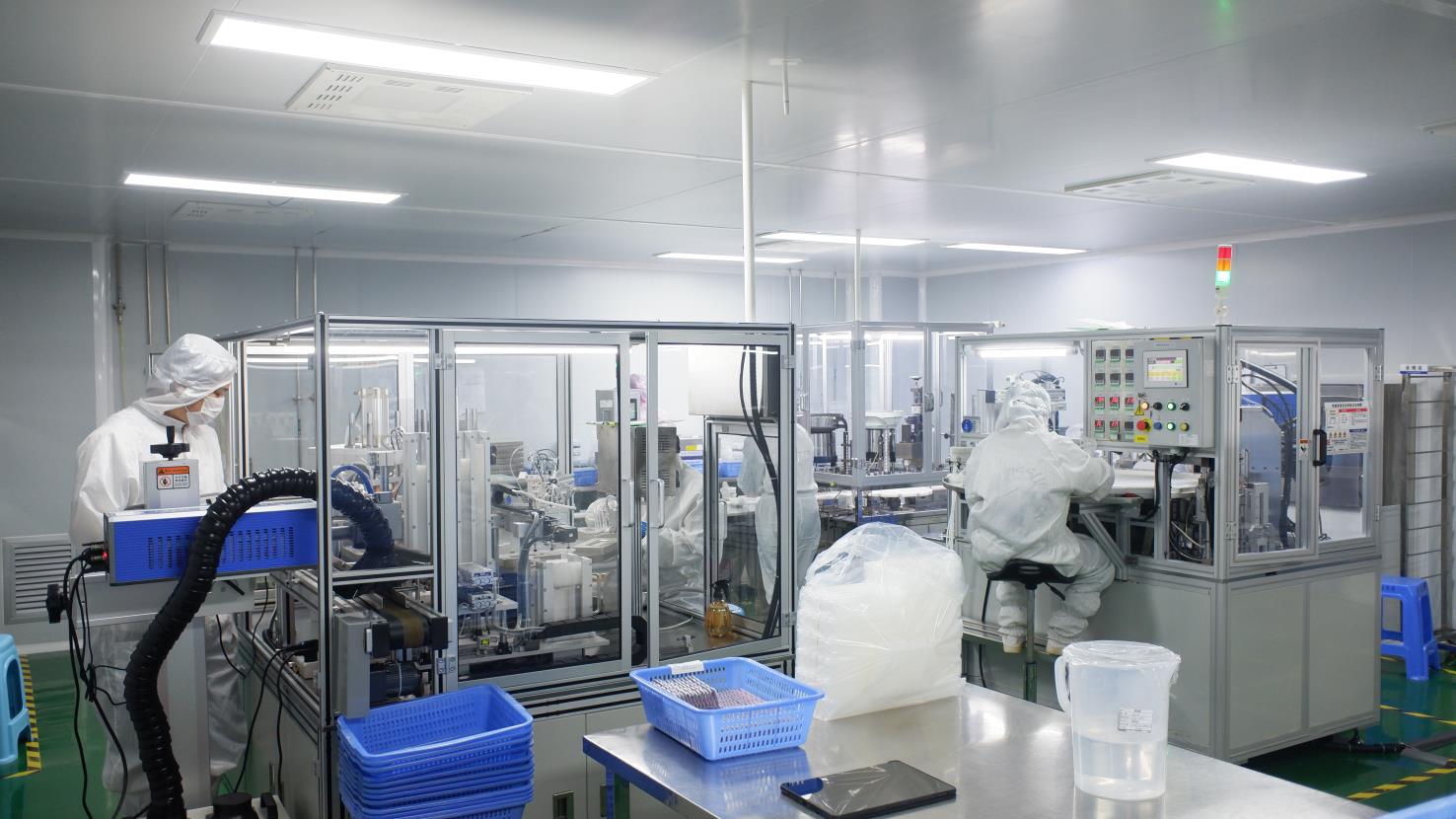
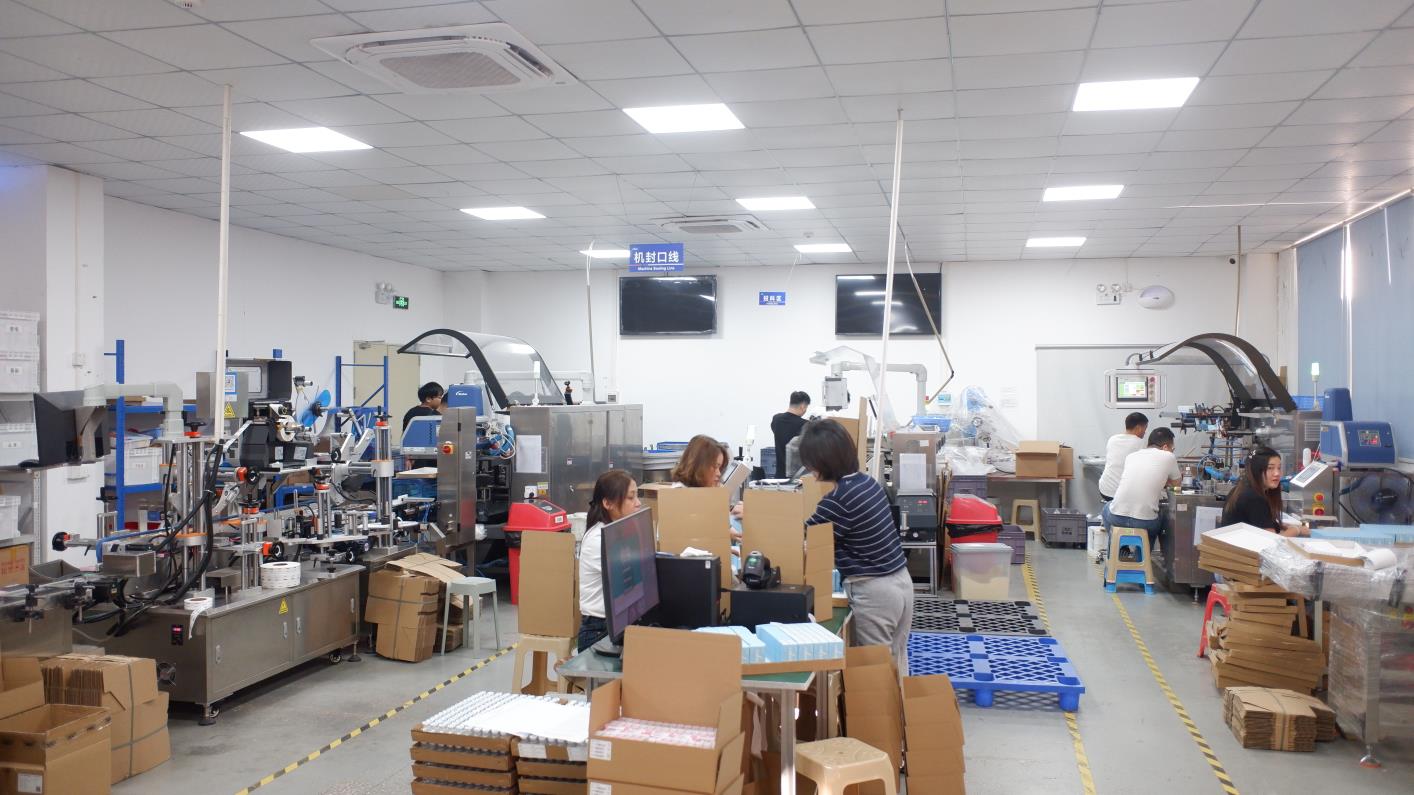
We manufacture according to rigorous optical standards, balancing wearability, hydration stability, and safety.
| Technical Parameter | Scientific Value | Physiological Purpose | Compliance Certification Standard |
|---|---|---|---|
| Base Curve (BC) | 8.50 mm – 8.70 mm (Customizable) | Optimizes centering on the cornea, avoiding centration errors. | EN ISO 18369-3:2017 |
| Overall Diameter (DIA) | 14.0 mm – 14.5 mm (Targeted) | Sized for safe, aesthetic pupil-to-iris scaling. | EN ISO 18369-3:2017 |
| Water Content | 38% – 42% (Hydrogel Optimised) | Balances initial lens softness with low dehydration-induced irritation. | EN ISO 18369-4:2017 |
| Central Thickness | 0.08 mm (at -3.00 Diopter baseline) | Maintains structural integrity during insertion while keeping dry eye symptoms low. | EN ISO 18369-3:2017 |
| Pigment Insertion Tech | Dual-Layer Sandwich Micro-Encapsulation | Ensures pigments remain encased, preventing color compounds from touching ocular tissue. | ISO 10993 (Biocompatibility Suite) |
Our engineering trajectory balances material safety, wearer comfort, and sustainable manufacturing.
Integrating slow-release hyaluronic acid (HA) chains directly into the mold polymer. This approach helps maintain stable tear breakup times (TBUT) and mitigates fatigue associated with prolonged wear.
Developing a high-permeability silicone hydrogel range (Dk/t > 80) tailored specifically for complex colored pigments. This development supports longer, comfortable wear times for active users.
Utilizing high-speed cameras and automated vision inspection systems during QA. This technology screens for micron-level pigment shifts, ensuring reliable batch-to-batch consistency.
Transitioning to recycled plastics for external cases, optimization of PP blister parameters, and biodegradable cardboard boxes to reduce waste throughout our supply chains.
A comprehensive selection of daily and yearly disposable aesthetic designs, with flexible private label, blister, and box packaging configurations.
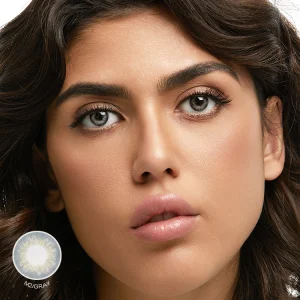
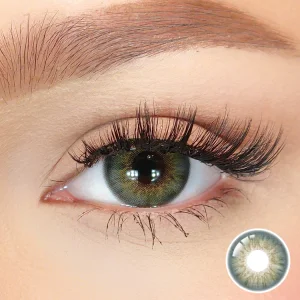
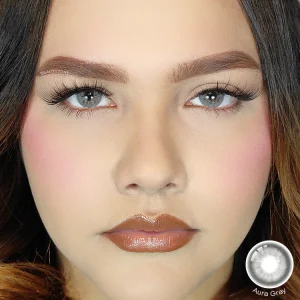
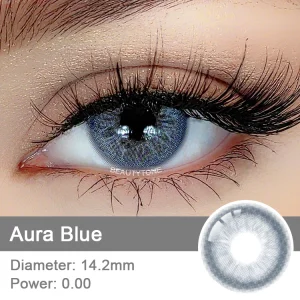
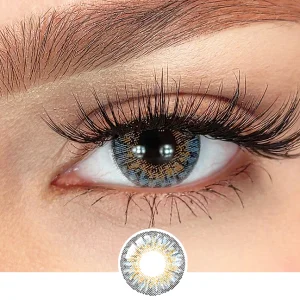
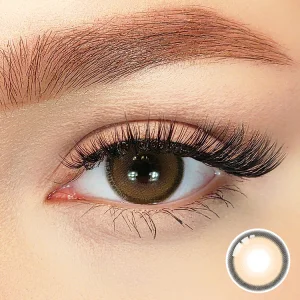
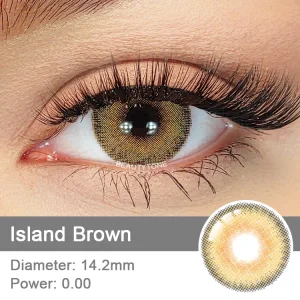
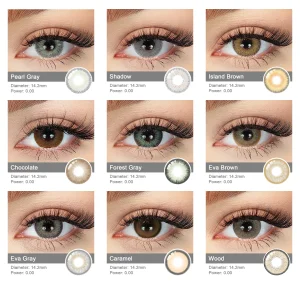
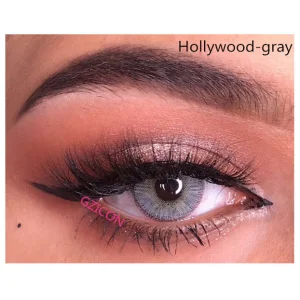

From technical production to final distribution, we optimize logistical steps to support our European retail partners.
For German distributors, maintaining regulatory alignment is essential. Under the EU Medical Device Regulation (MDR 2017/745), decorative contact lenses are subject to strict safety scrutiny, matching the classification of corrective lenses.
We coordinate standard shipping methods to streamline transit and customs clearance at European cargo hubs.
Clear, direct answers regarding certifications, MOQs, custom packaging, and chemical composition specifications.