 Mio Lenses
Mio Lenses
Mio Lenses
Explore our highly curated collection, specifically engineered with oxygen-permeable hydrogel structures to perform under dry climatic regions like Nur-Sultan and Almaty.
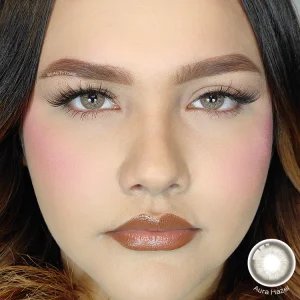
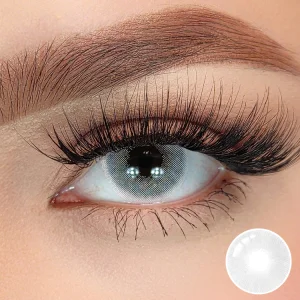
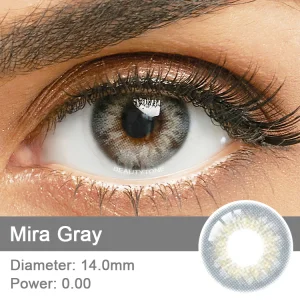
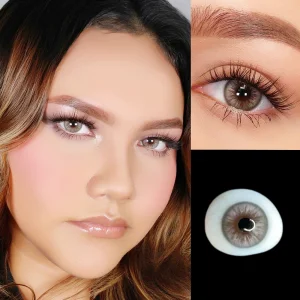
Analyzing current consumer demand, logistical shifts, and regulatory milestones for optic products in Central Asia.
The cosmetic and medical devices industry in Kazakhstan is undergoing a transformative transition. Historically driven by traditional correction methods (standard eyeglasses and clear spherical contacts), the consumer base across Kazakhstan—specifically within urban metropolitan regions like Almaty, Nur-Sultan (Astana), Shymkent, and Karaganda—is demanding highly aesthetic, natural-looking iris enhancers. Today, contact lenses are no longer viewed strictly as visual orthotics; they are positioning themselves at the junction of ophthalmic health and luxury cosmetic fashion.
This market evolution is fueled by several demographic and macroeconomic forces. First, the young, digital-native population of Kazakhstan (under the age of 35) is heavily influenced by international beauty standards via social channels. This has triggered an exponential demand for natural color lenses, particularly in shades of gray, hazel, and deep green. Furthermore, the extreme continental climate of Kazakhstan—characterized by high atmospheric dryness, intense wind, and severe winter seasons—presents unique clinical challenges. Standard hydrogel lenses tend to dehydrate rapidly in these dry settings, resulting in corneal discomfort. As a result, B2B procurement heads and regional optical distributors are focusing on importing high-oxygen-transmissibility (Dk/t) hydrogel and silicone-hydrogel materials that retain hydration under challenging atmospheric conditions.
For B2B buyers seeking a competitive edge, sourcing products that offer high hydration capacity, structural stability, and pigment safety is a necessity. The *BeautyTone Miko* series addresses this exact market segment, providing local ophthalmic importers with a product line optimized for dry continental climates, backed by international regulatory certifications.
Pioneering precision manufacturing, customizable design patterns, and total regulatory verification.
At Shenzhen Mio Lenses Co., Ltd., we combine state-of-the-art contact lens fabrication techniques with robust supply chain configurations. Recognizing that one size does not fit all in the global B2B optical sector, we offer modular product adaptation options that empower local distributors to command their markets.
We tailor base curves, diameters, water ratios, packaging designs, and branding styles to match regional demand in Kazakhstan.
Provide your digital files or physical samples, and our research center will develop precise matrix patterns and color hues.
100% visibility of monomer sourcing, cleanroom conditions, and raw material audits to secure a reliable, safe product.
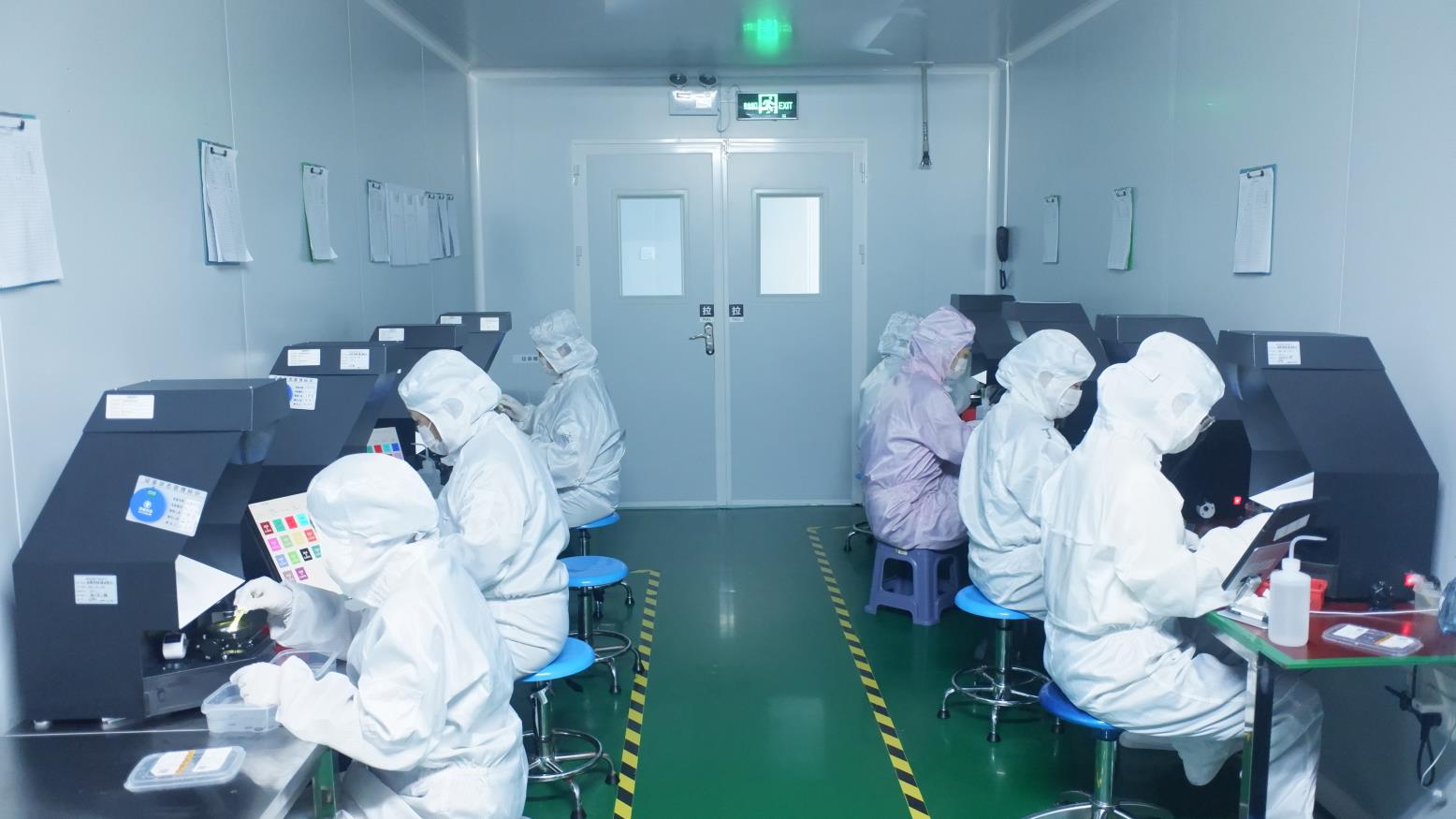
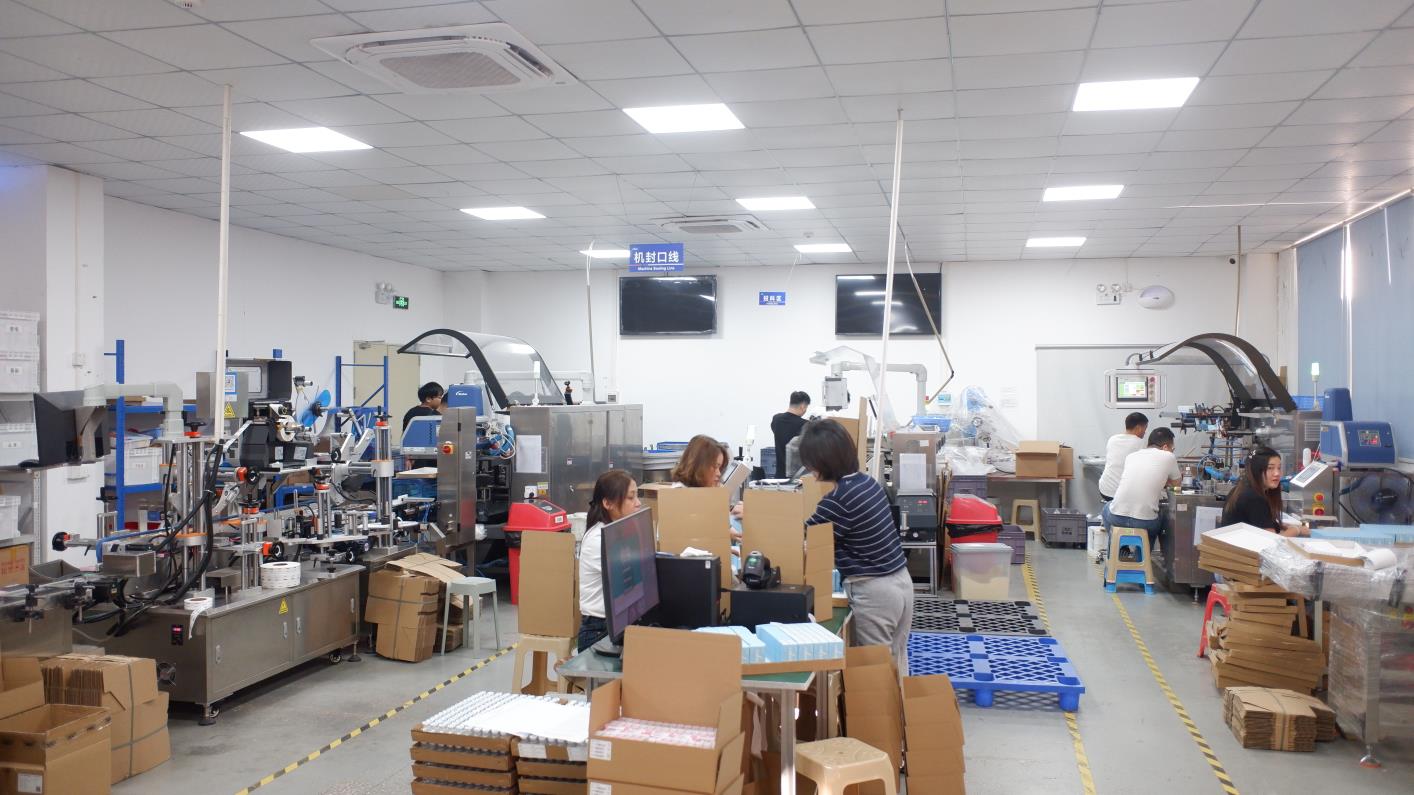
Strict quality control: every lens is scanned for micro-tears, cosmetic irregularities, structural shifts, and package seals.
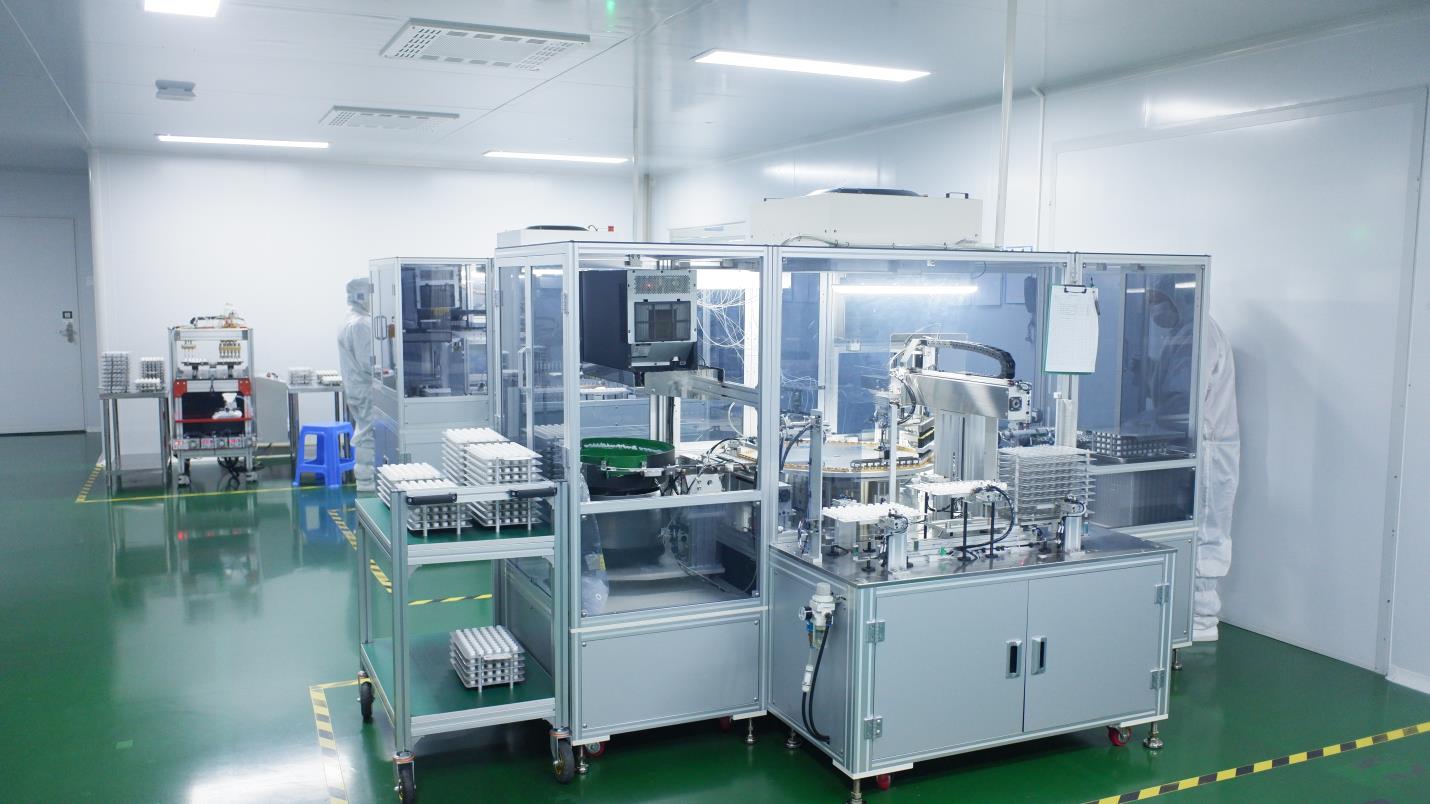
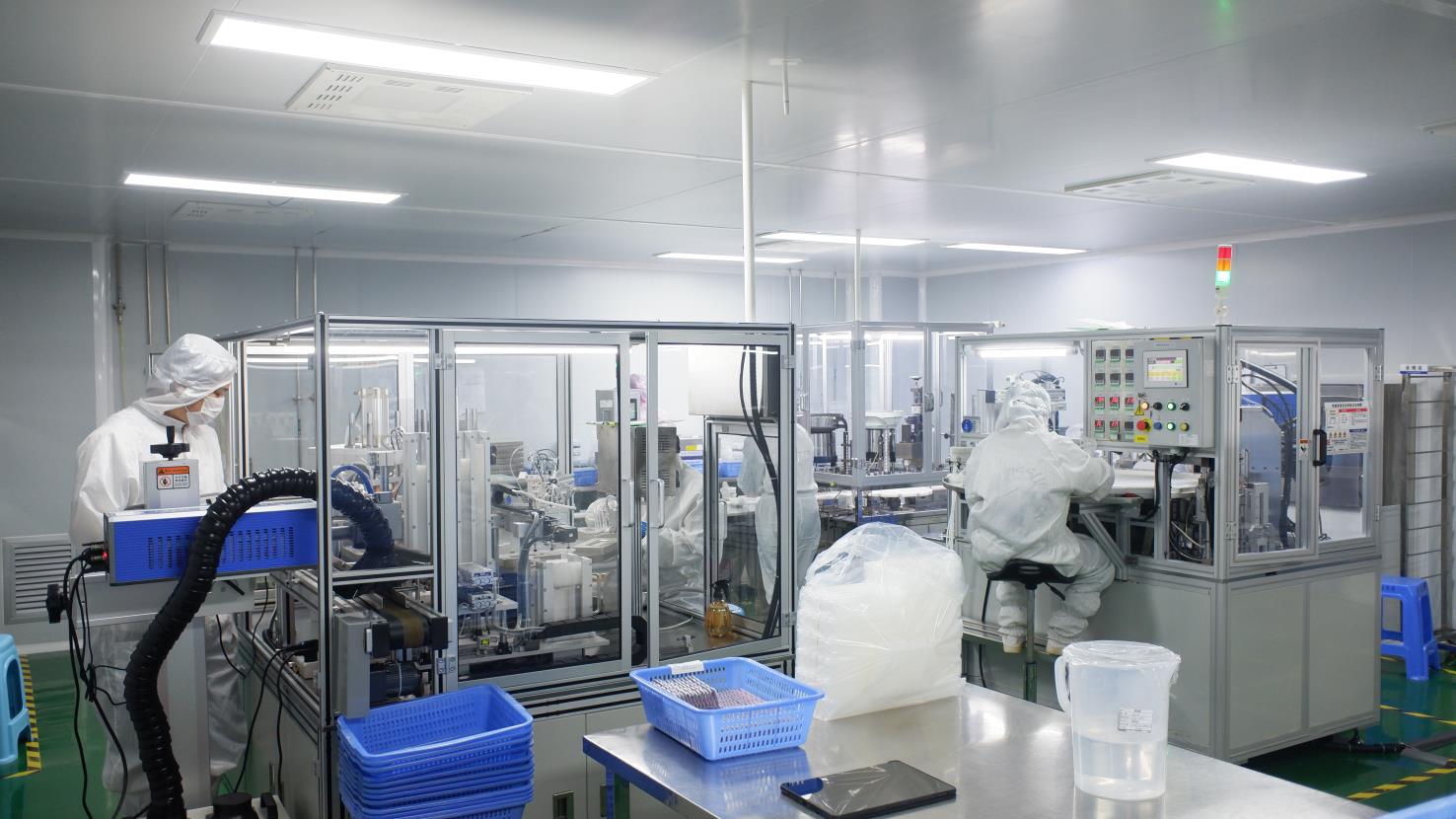
All facilities maintain strict sanitization standards, state-of-the-art sterile manufacturing environments, and robotic casting lines. We operate according to rigorous medical standards to guarantee that each lens produced meets CE mark standards for global export and local registration in the Eurasian Economic Union (EAEU).
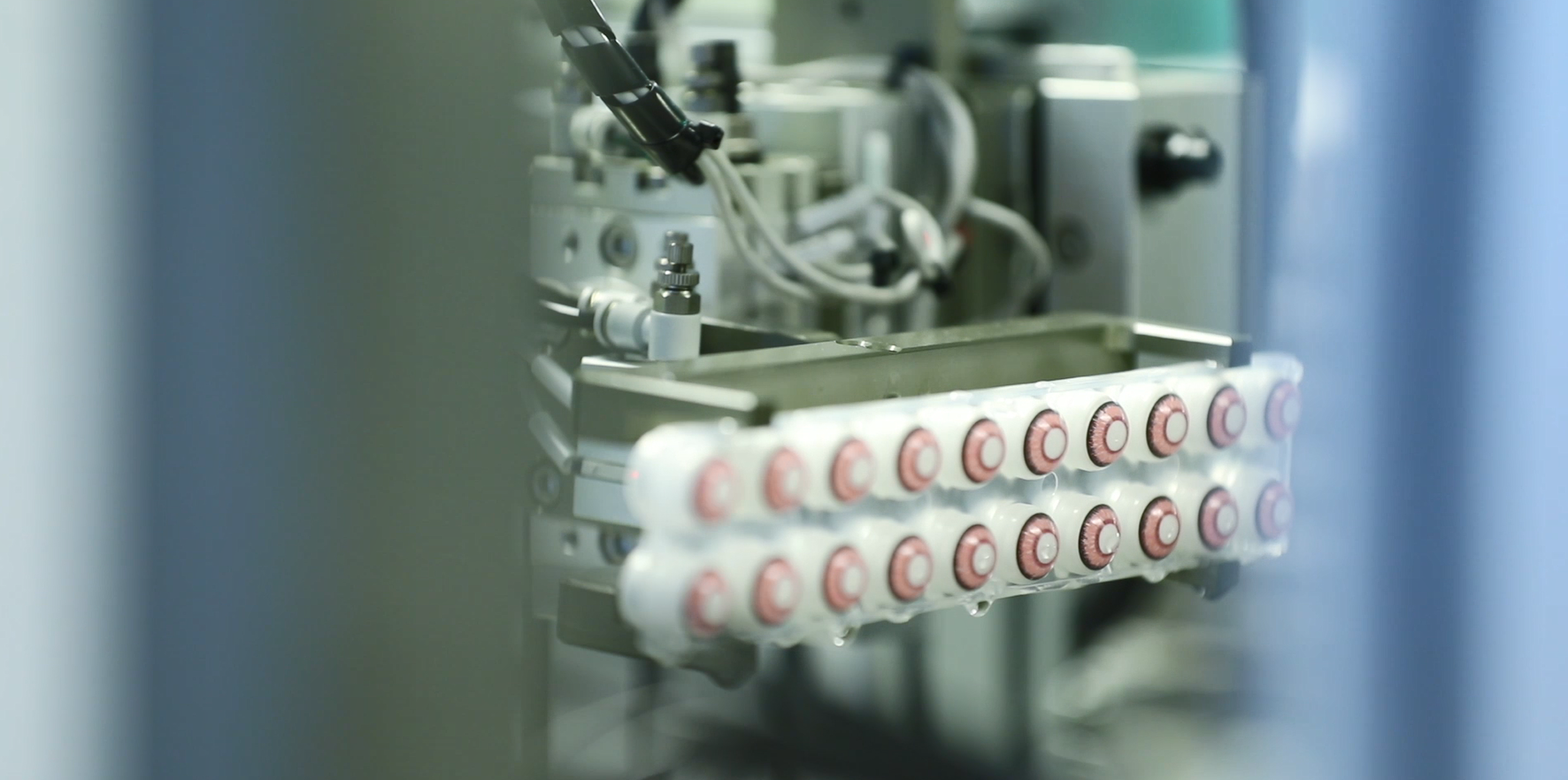
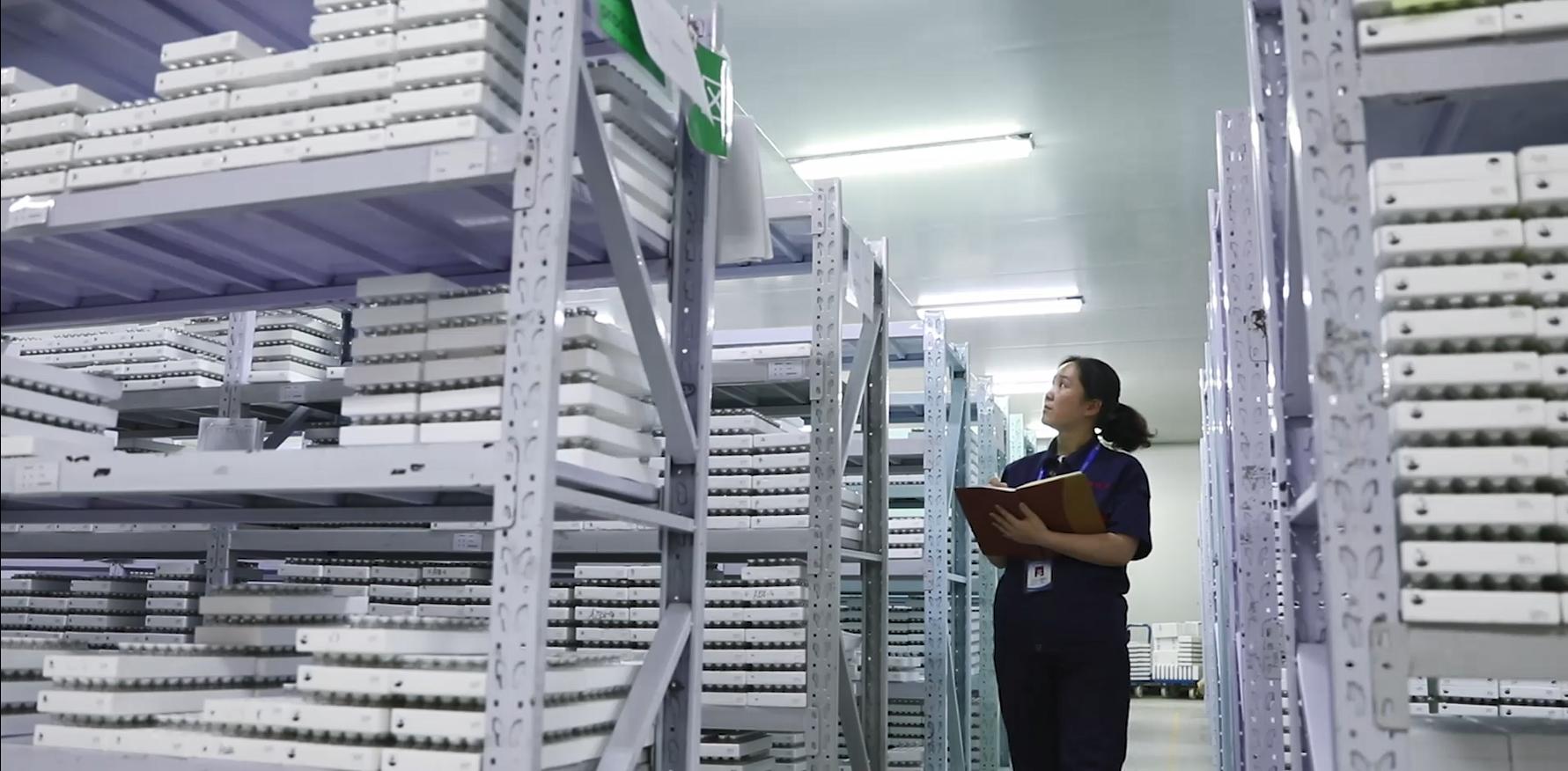
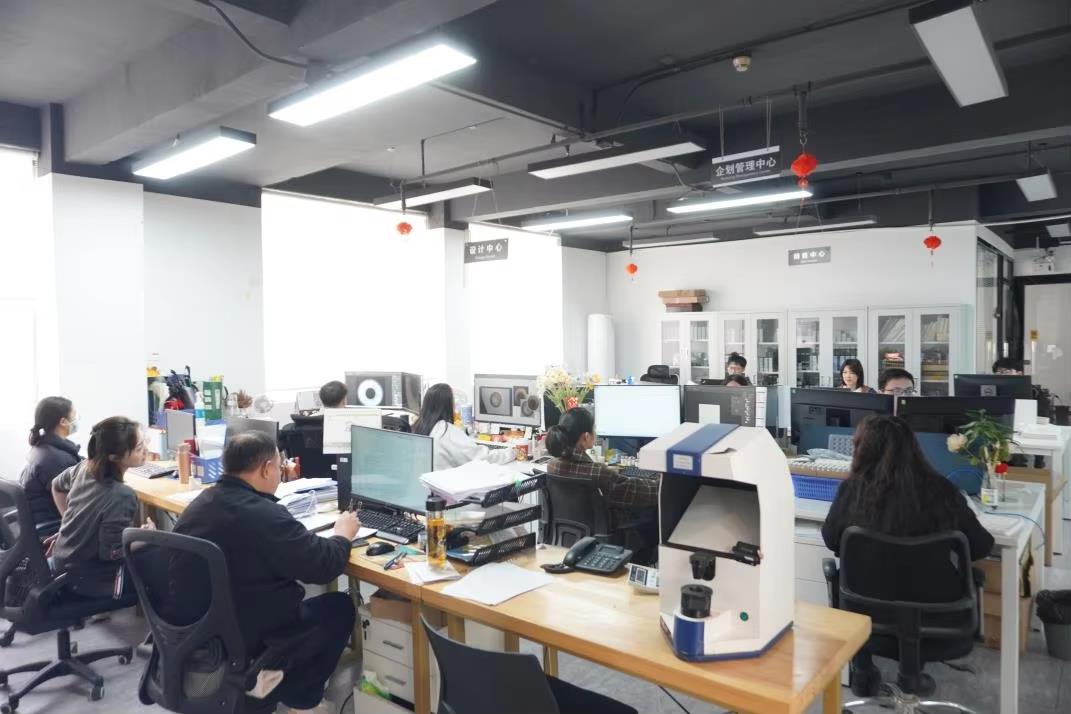
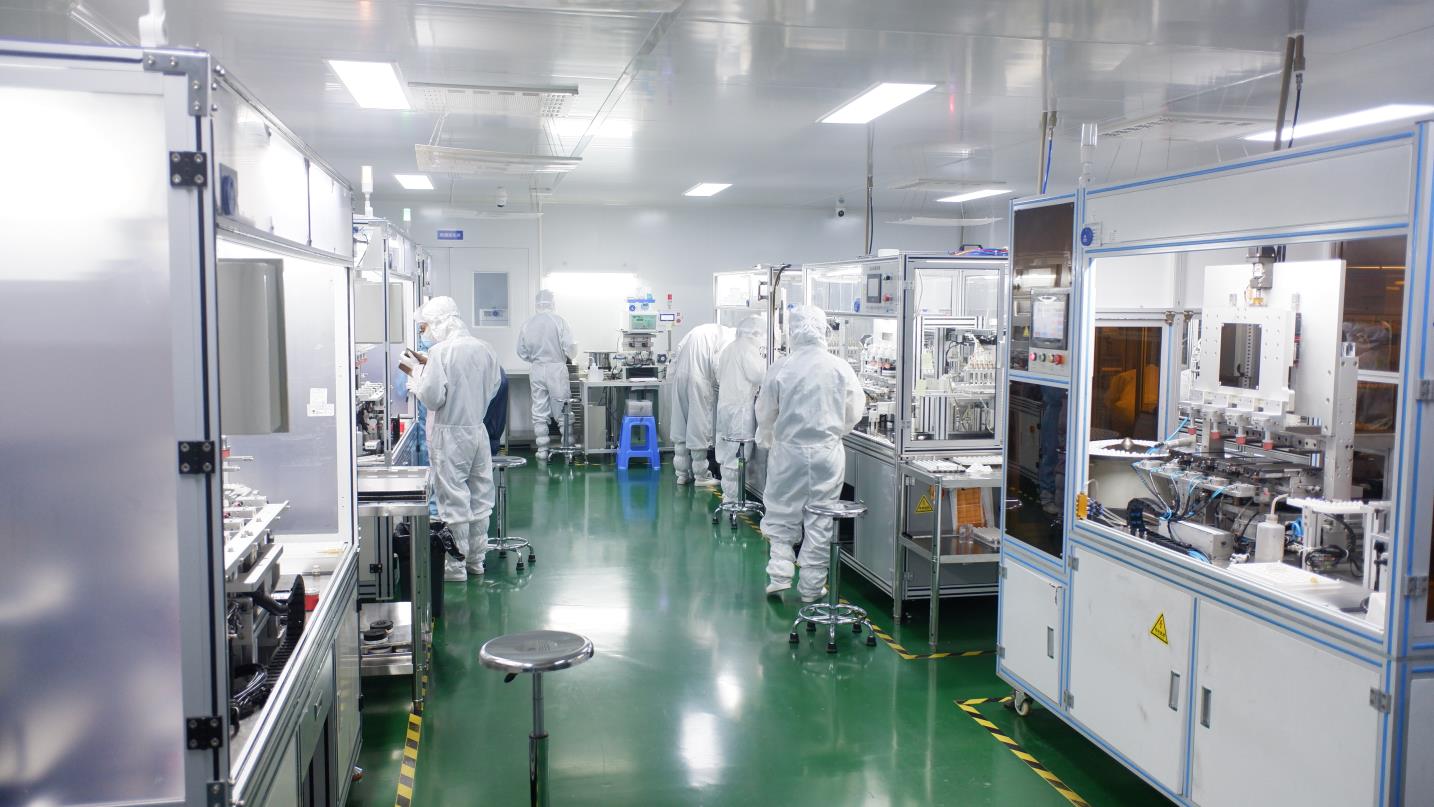
Optimized shipping routes, EAC customs clearing assistance, and inventory management for the Kazakhstan market.
Managing the supply chain for sensitive contact lenses in Central Asia requires a calculated logistical approach. Temperature extremes across the region, where winter drops below -30°C and summer exceeds +35°C, can affect the shelf stability of contact lenses if shipments are not handled properly. Exposure to freezing temperatures can cause saline crystallization, compromising the physical structure of the hydrogel, while extreme heat risks warping the blister packs. Shenzhen Mio Lenses Co., Ltd. addresses these challenges with specialized shipping solutions designed to maintain consistent product quality during transport.
Leveraging Shenzhen's connectivity to the China-Europe Railway Express, we ship direct containerized freight to logistics hubs in Almaty and Nur-Sultan. This rail route bypasses ocean detours, reducing door-to-door transit times to 12–15 days while maintaining lower freight costs than air transport. Our temperature-monitored dry containers help shield cargo from external thermal shifts.
For seasonal collections and high-turnover SKUs, we coordinate direct air cargo flights from Shenzhen Bao'an International Airport (SZX) to Almaty International Airport (ALA). Partnering with major air carriers ensures customs clearance and airport transfers can occur within 48 to 72 hours, helping our distributors stay responsive to market trends.
Kazakhstan, as a key member of the Eurasian Economic Union (EAEU), requires strict conformity to the EAC marking system for imported medical products. We provide detailed documentation, including toxicological tests, chemical analysis sheets, and ISO certificates, to help importers navigate the registration processes of the Ministry of Healthcare of the Republic of Kazakhstan.
Select from our premium catalog, base curve measurements, and color specifications.
Robotic cast molding, hydration stabilization, and CE compliance auditing.
Complete documentation set including raw material certification and EAC compliance validation.
Door-to-door logistics to warehousing hubs across Almaty, Astana, and Shymkent.
A deep dive into advanced polymer structures, water retention matrices, and pigment separation technology.
In the contact lens manufacturing sector, eye health is our primary priority. Traditional cosmetic color lenses have faced criticism for using topical pigments that come into direct contact with the wearer's cornea, potentially causing irritation or micro-abrasions. The BeautyTone Miko range addresses these concerns with three main design features:
We use a multi-tier cast-molding approach that encapsulates the color pigments between two thin layers of high-grade hydrogel. This prevents direct contact between the pigment layer and both the cornea and the eyelid, maintaining a smooth lens surface and supporting natural tear film distribution.
Our lenses feature a balanced water content configuration (typically 38% to 42%). While higher water content sounds ideal, it can sometimes draw moisture away from the eye to maintain its own hydration. Our chosen ratio helps keep the lens stable in dry climates, offering comfort for extended wear.
By blending specialized copolymers with high-purity HEMA materials, we optimize oxygen flow through the lens matrix. This helps prevent corneal hypoxia, reducing the risk of redness and keeping the eyes feeling fresh throughout the day.
Get wholesale pricing, custom packaging support, and localized regulatory documentation for your business.
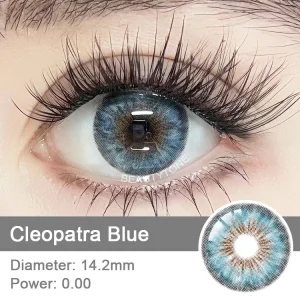
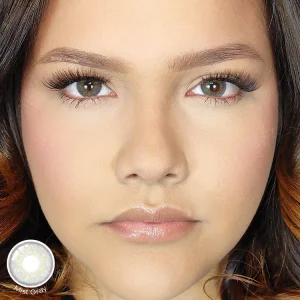
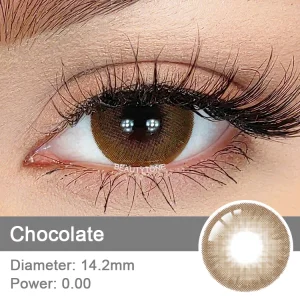
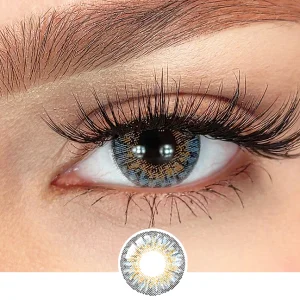
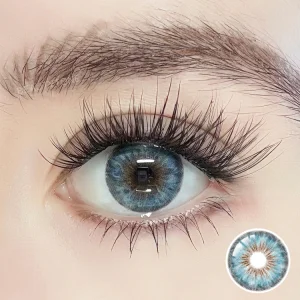
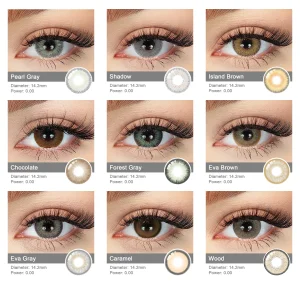
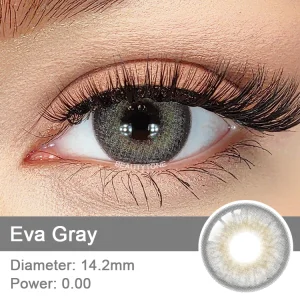
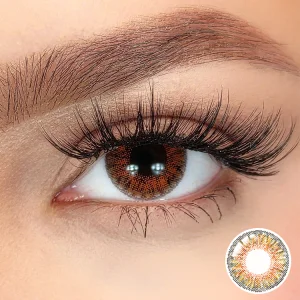
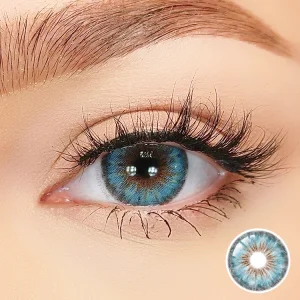
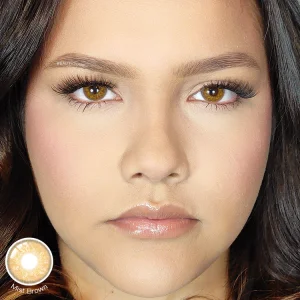
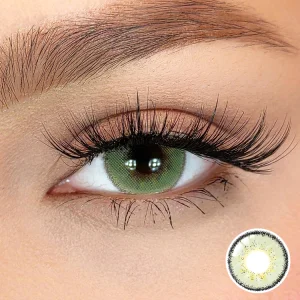
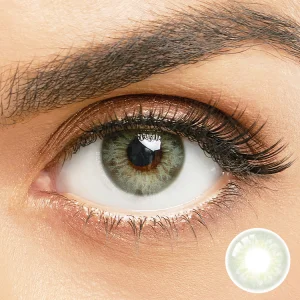
Send B2B Inquiry NowSelect from our certified colored lenses designed for both retail appeal and long-term wearing comfort.
Essential insights covering MOQ, custom branding, shipping regulations, and technical support.