Mio Lenses
Mio Lenses
Mio Lenses
Advanced diagnostic-driven colored contact lenses formulated for precision fitment and maximum moisture retention within the competitive Japanese retail landscape.
Nagoya, the capital of Japan’s Aichi Prefecture, serves as a cornerstone of the nation’s advanced industrial manufacturing and sophisticated consumer retail. The Chubu region demands an exceptionally high baseline of biocompatibility, product safety, and aesthetic consistency. In Nagoya's premier shopping districts—such as Sakae and Osu—there is a rapid shift toward high-parameter medical cosmetic contacts. Consumers seek solutions that satisfy the strict requirements of Japan's Ministry of Health, Labour and Welfare (MHLW).
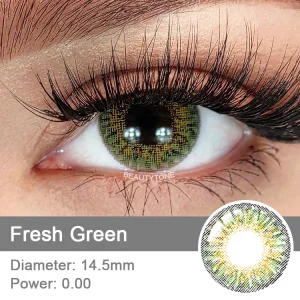
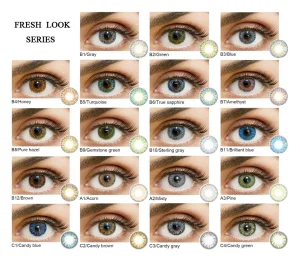
As a premier global exporter, Shenzhen Mio Lenses Co., Ltd. bridges the gap between massive scale efficiency and strict Japanese pharmaceutical standards. By applying the "BeautyTone Fresh" series directly to Nagoya’s optical retail channels, we provide regional distributors with an unparalleled value proposition: high-transmissibility hydrogel formulations, sterile manufacturing conditions, and CE-compliant products that seamlessly align with PMDA import verification pathways.
Aichi prefecture maintains one of the highest disposable income indexes in Japan. Consumers here prioritize physiological safety (such as high oxygen transmissibility and UV barrier features) alongside visual depth (like three-tone gradient matrices).
Our lenses incorporate premium HEMA-MAA copolymers to minimize ocular dry-eye symptoms. This is achieved by binding water molecules within the polymer structure to ensure stability throughout 12-hour wear cycles.
Understanding how Shenzhen Mio Lenses Co., Ltd. addresses the key physiological pain points of contact lens wearers in Japan.
Ensures that color pigments are fully encapsulated between the inner and outer layers of hydrogel material. This prevents direct pigment contact with the cornea, completely eliminating the risk of corneal abrasion or chemical leaching.
Our hydrogel material resists protein deposits and lipid accumulation, common causes of lens discomfort. This formulation ensures that the lens surface remains clear and hydrophilic, maintaining crisp visual acuity all day.
A balanced 42% water content maintains ideal shape retention while preventing dehydration of the tear film. This helps avoid the rebound dry-eye effect that is common with higher water content lenses.
Highly specialized configurations utilizing drawing-based adjustments to meet specific regional requirements.
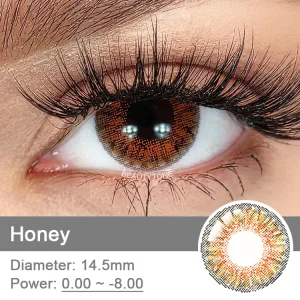
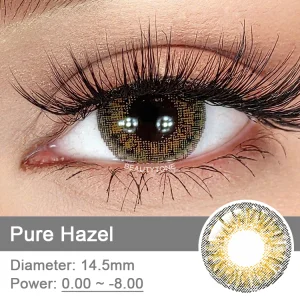
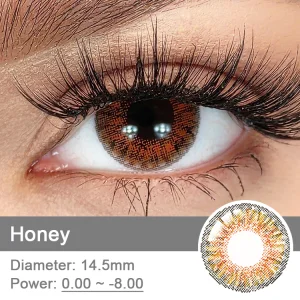
A global standard-bearer in contact lens fabrication, providing Nagoya-based distributors with compliance and structural security.
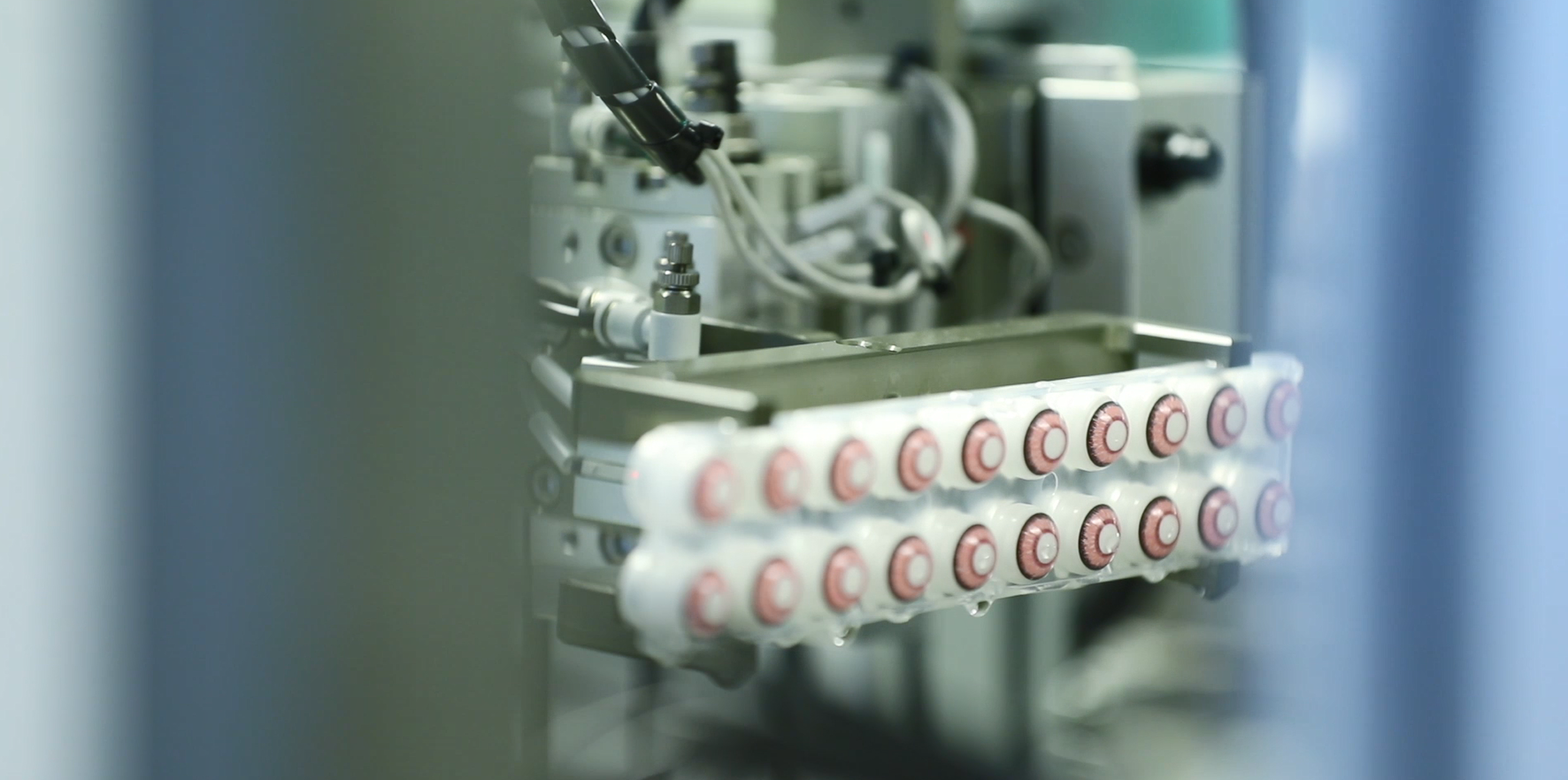
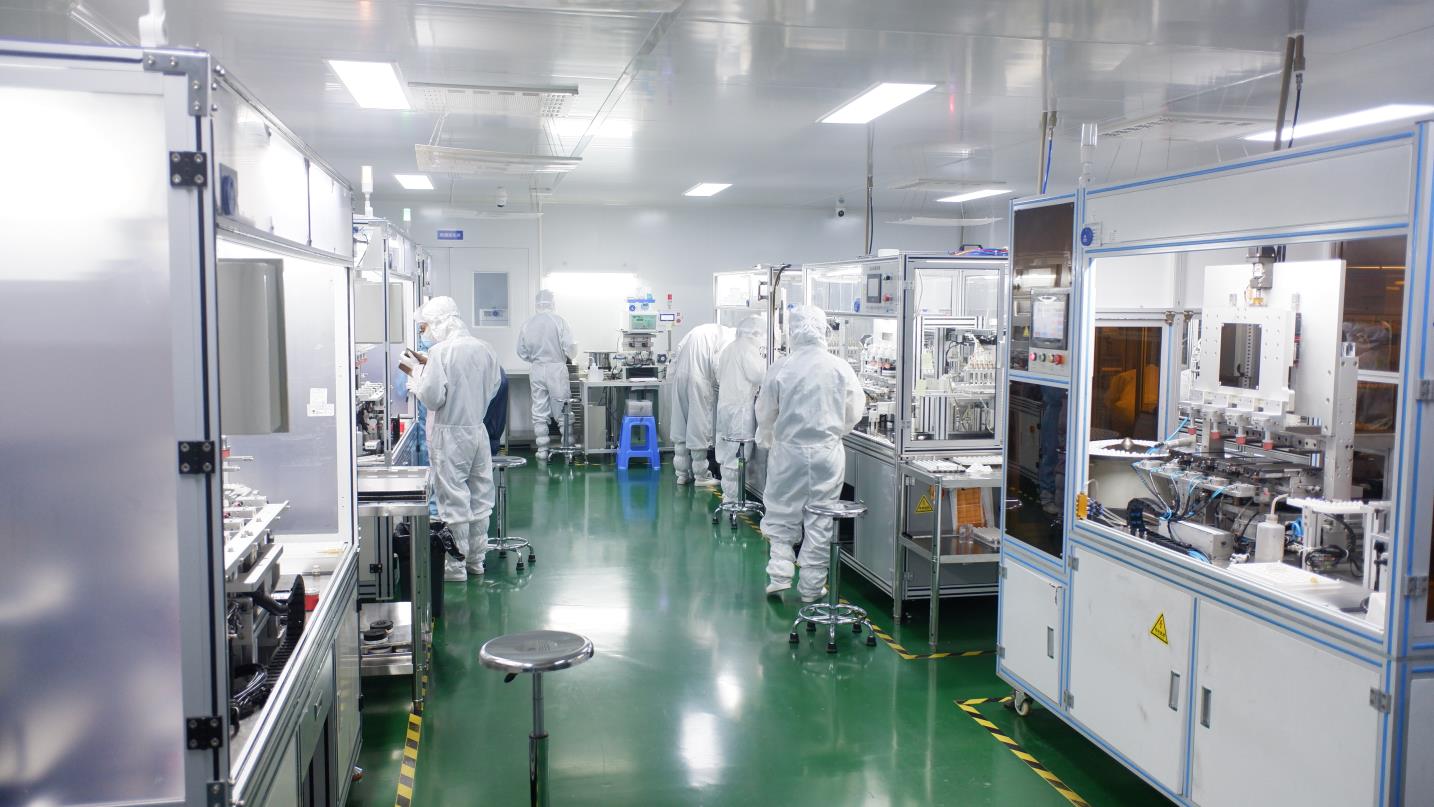
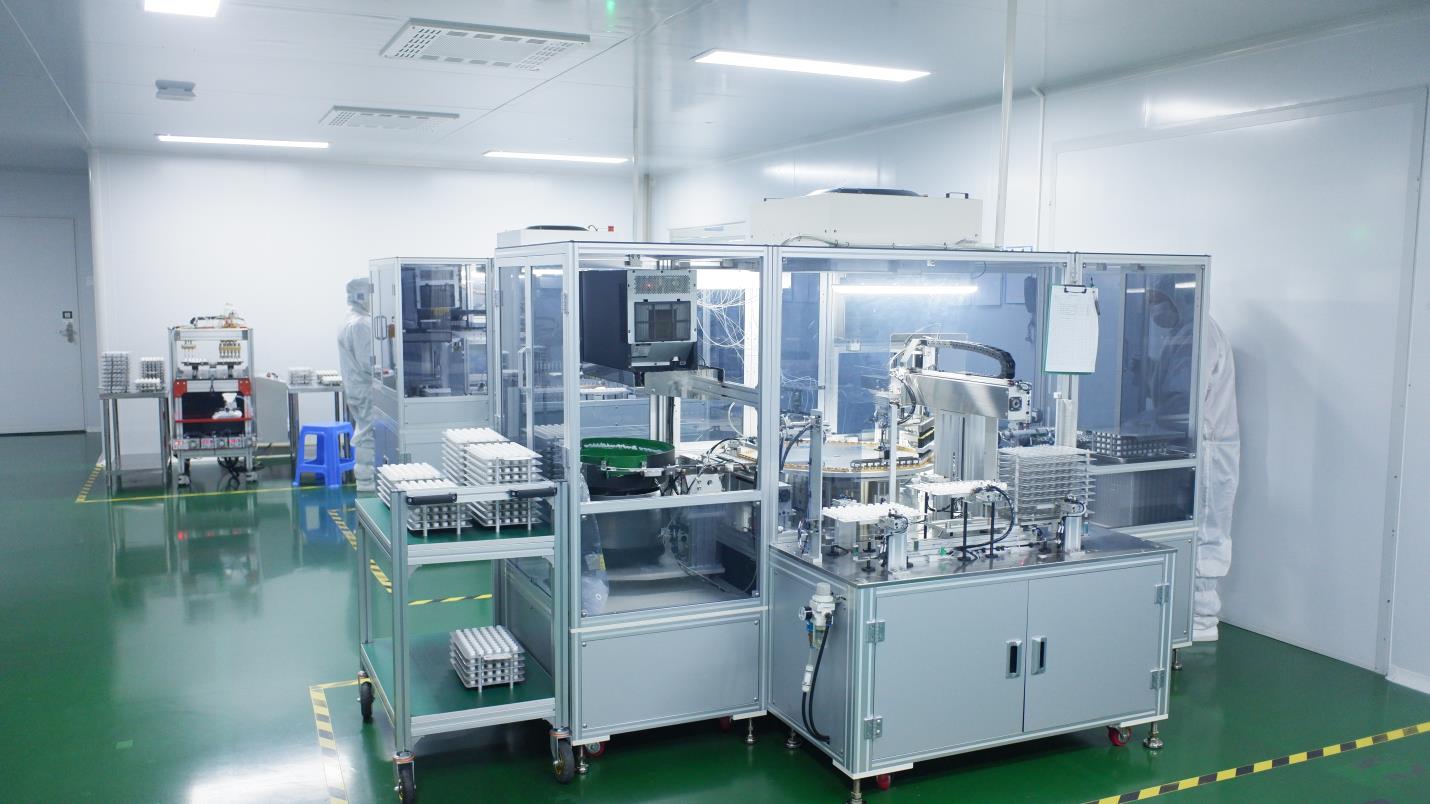
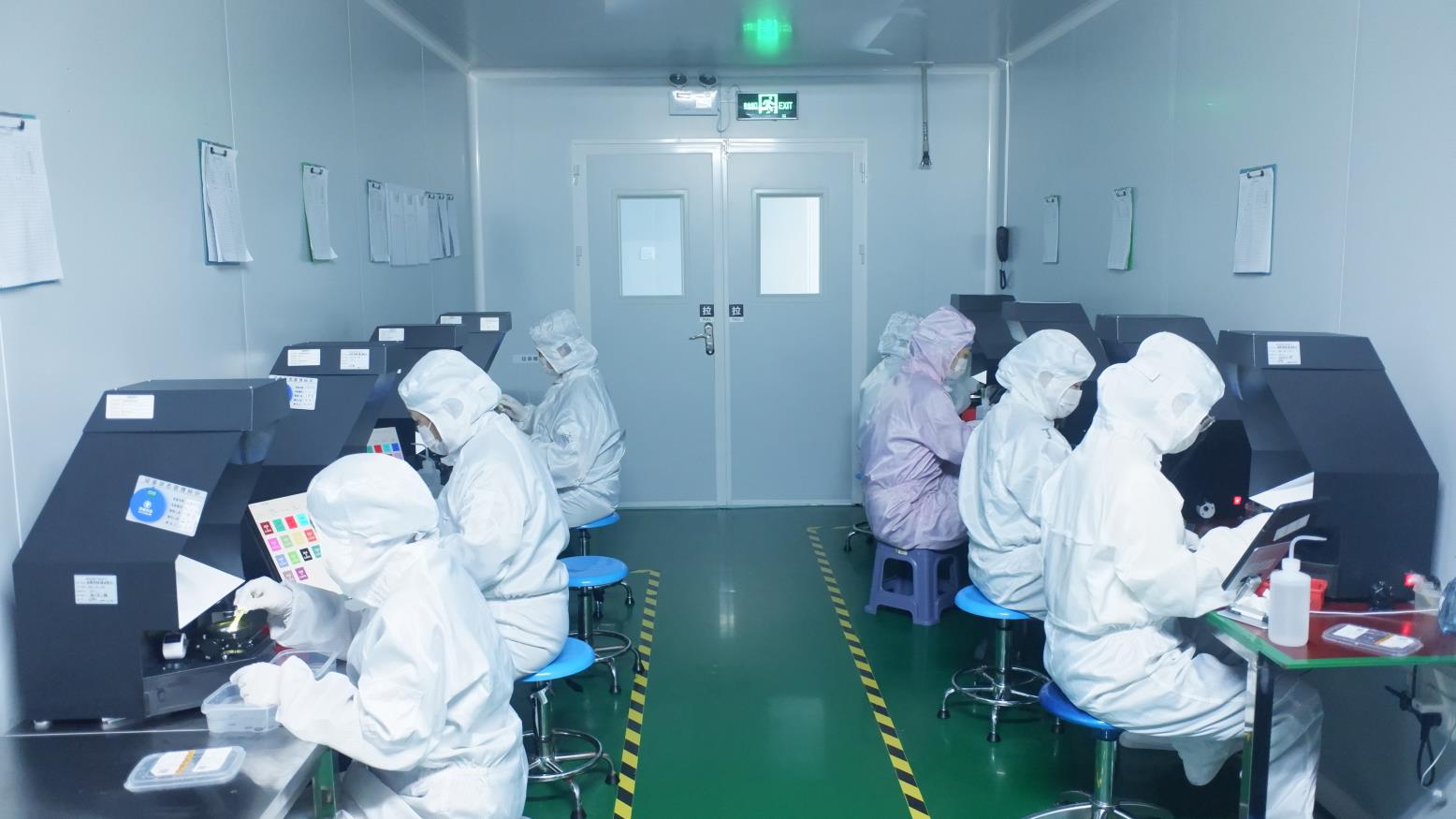
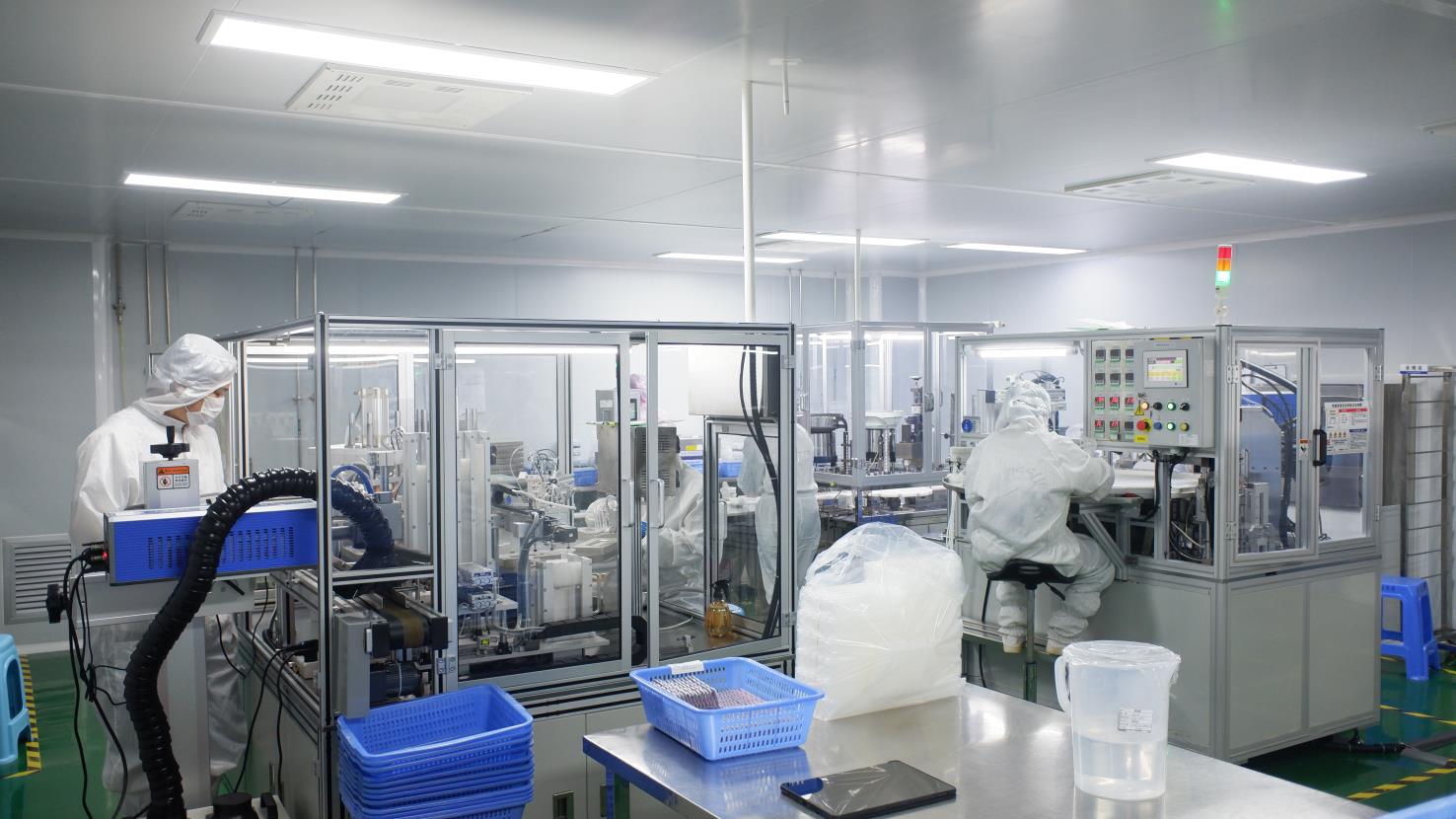
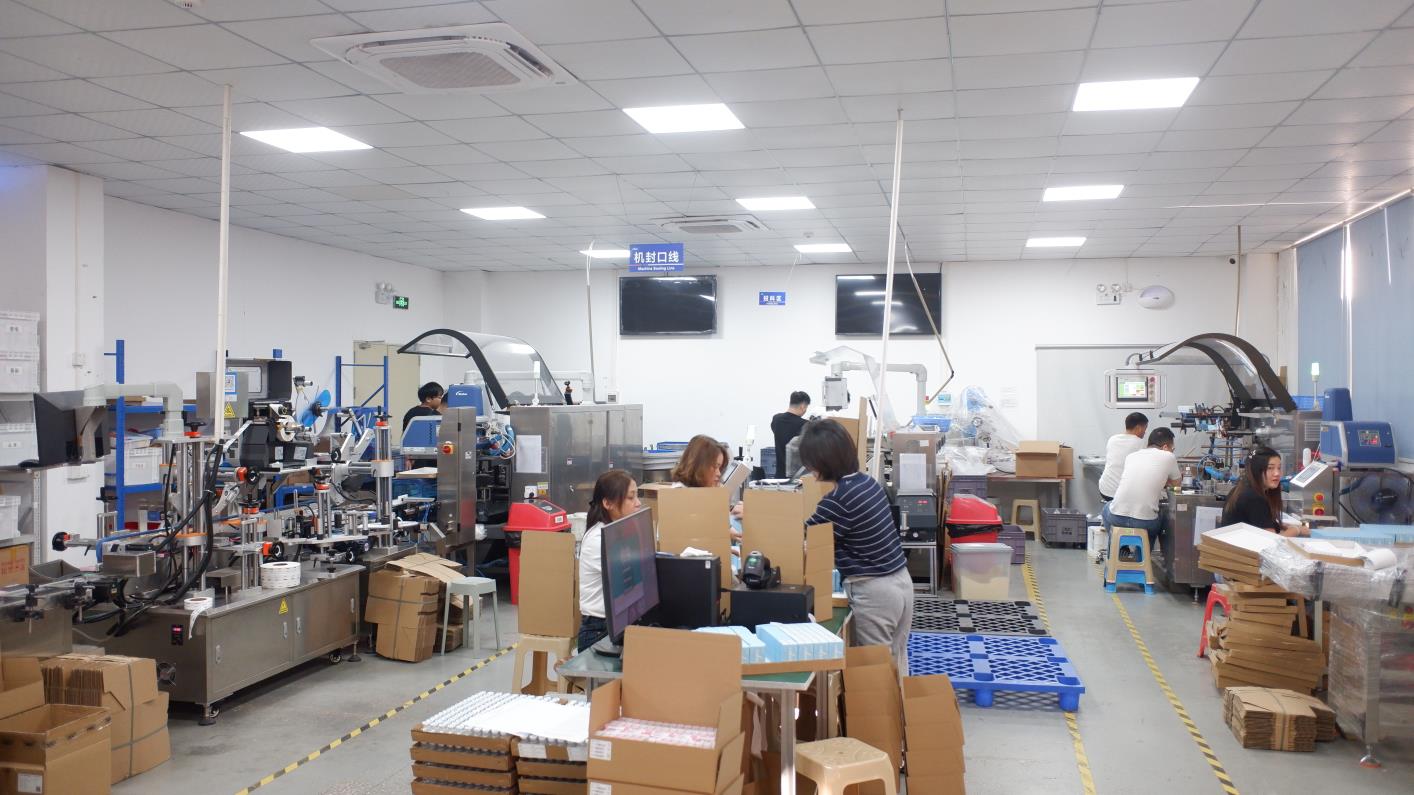
Our production line features a state-of-the-art Class-100 cleanroom with HEPA filtration. This setup ensures that every blister pack is sealed under aseptic conditions, completely eliminating biological contaminants before export to Japan.
By replacing legacy lathed methods with high-speed injection cast molding, we achieve surface finish consistency down to the nanometer. This process helps minimize frictional resistance against the upper eyelid during blinking.
Aligning product properties with specific retail demographics and user behaviors in the Chubu region.
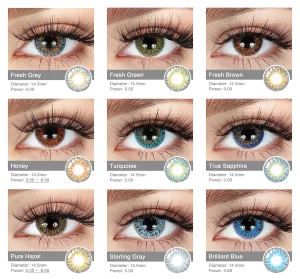
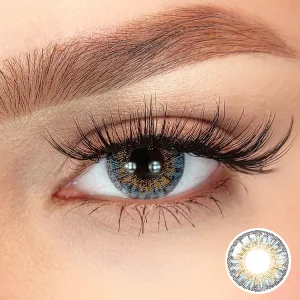
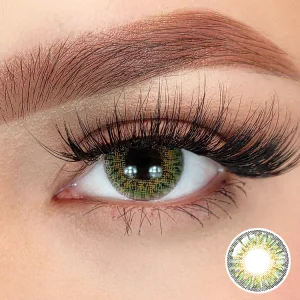
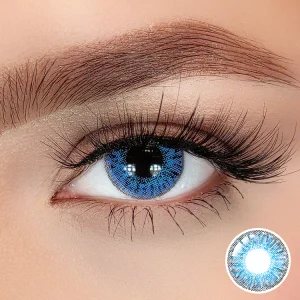
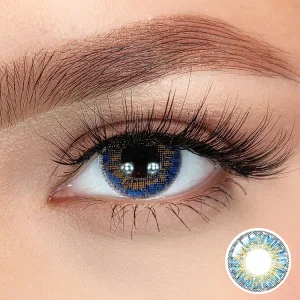
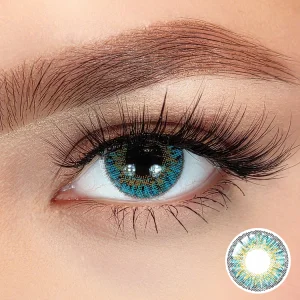
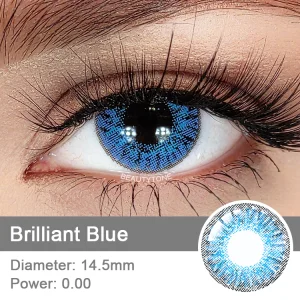
Nagoya is a global destination for youth subculture, hosting major events like the annual World Cosplay Summit. High-opacity color patterns (such as vibrant blue and green tones) are crucial here. These lenses deliver intense color payoff even on naturally dark irises, all while maintaining strict oxygen permeability.
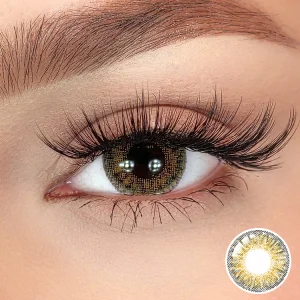
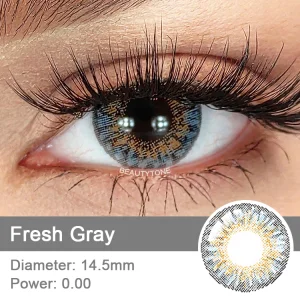
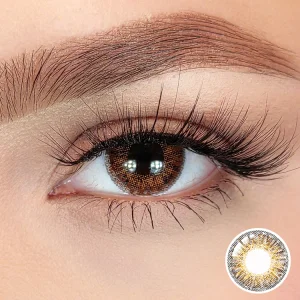
In business hubs like Sakae and the Nagoya Station district, office workers and students look for natural, subtle enlargement. Our hazel and soft gray tone lines offer delicate, feather-edged patterns. These lenses blend seamlessly with the natural iris, providing a professional look suitable for daily wear.
Nagoya’s medical boutiques and retail pharmacies demand reliable diagnostic parameters. We offer extensive power ranges (from 0.00 to -8.00D or higher) with consistent edge contours. This helps local optometrists ensure accurate fittings and positive patient outcomes.
A projection of how Shenzhen Mio Lenses Co., Ltd. continuously refines materials and engineering to lead the market.
Deploying a new generation of phosphorylcholine-coated hydrogels that mimic the natural cell membranes of corneal cells, extending comfortable daily wear times.
Integrating smart monomers that actively filter harmful HEV blue light and UV radiation. This helps reduce eye strain for regular digital screen users.
Transitioning to fully biodegradable polypropylene blister trays and bio-ink paper packaging to minimize plastic waste across Nagoya's distribution chains.
Addressing clinical, regulatory, and supply-chain inquiries from Nagoya optical importers.
We operate our cleanroom and manufacturing systems under rigorous ISO 13485 medical device quality standards. We provide complete material data safety sheets (MSDS), sterilizing validation records, and comprehensive CE documentation. This supports our Nagoya importing partners in obtaining PMDA medical device marketing authorization.
We use our signature double-cladding sandwich technology. The microscopic pigment particles are completely encased inside the hydrogel polymer layer, ensuring they never touch the cornea or conjunctival tissues. This structure maintains surface smoothness and comfort.
Yes, our drawing-based customization allows us to adjust the base curve (typically 8.5mm to 8.7mm) and overall diameter (e.g., 14.0mm to 14.5mm) to match the anatomical profiles of Japanese consumers, ensuring optimal centration on the eye.
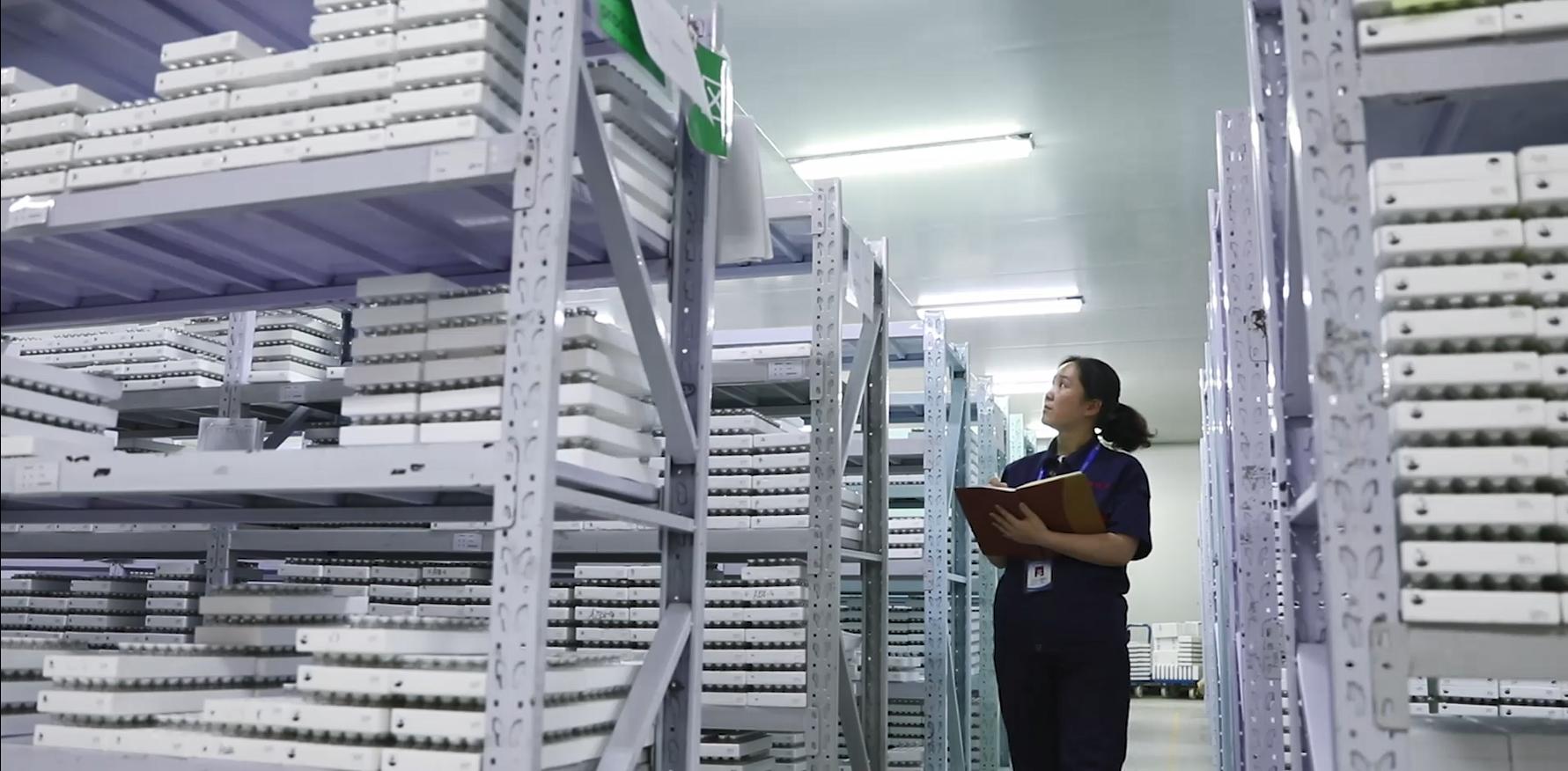
Our sterilizing and packaging processes ensure a shelf life of 5 years. Store the lenses in a cool, dry place away from direct sunlight to maintain the integrity of the blister seal.
Every production batch receives a unique batch ID linked to a digital log. This tracking covers the supplier batches of monomers, production parameters, sterilization records, and the final optical quality control tests.
We ship through established shipping networks from Shenzhen to Nagoya Port. We use temperature-controlled shipping containers to ensure the lenses do not experience extreme temperatures during transit.
Explore our full product lineup featuring stable water-lock systems, optimized for Nagoya distribution.
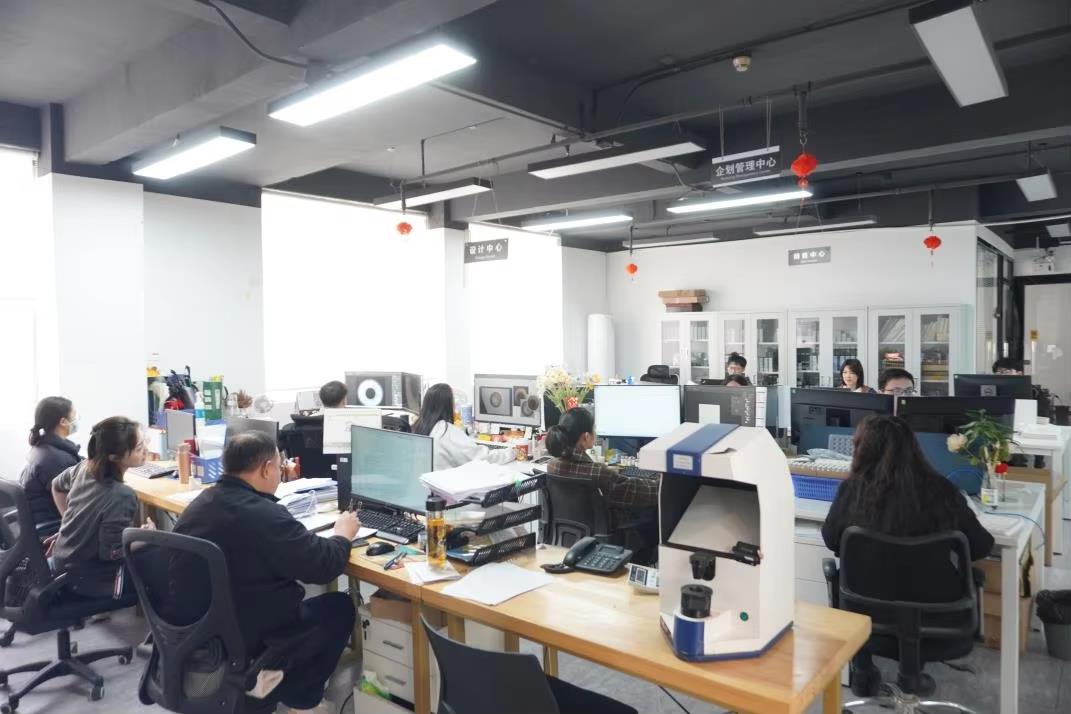
Connect directly with our engineering and regulatory affairs team. Get custom parameter options, wholesale pricing structures, and PMDA registration support.
Send Inquiry Now