 Mio Lenses
Mio Lenses
Mio Lenses
Explore our top-selling color configurations specifically curated for beauty clinics, optical chains, and direct importers throughout metropolitan Lima.
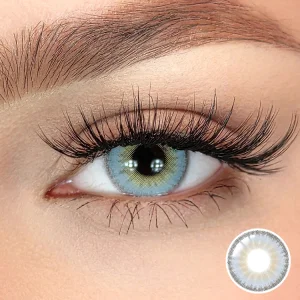
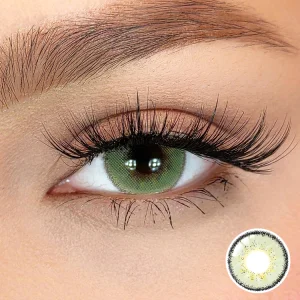
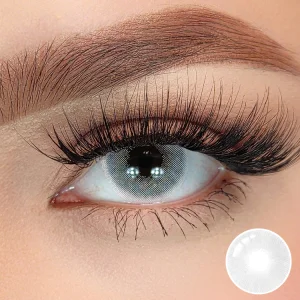
The demand for aesthetic medical devices, particularly cosmetic colored contact lenses (known locally as lentes de contacto de color), has experienced an exponential surge in Peru. Driven by the expanding middle class in urban centers like Lima Metropolitana, Miraflores, San Isidro, and Santiago de Surco, consumers are increasingly viewing aesthetic lenses as essential beauty accessories rather than just corrective visual devices.
However, local distributors in Lima face significant barriers, including strict medical-grade product regulatory compliance and the need for consistent supply chains. In Peru, importing medical devices requires adherence to the directives of DIGEMID (Dirección General de Medicamentos, Insumos y Drogas). For local optical centers and cosmetic distributors, partnering with a globally certified manufacturer like Shenzhen Mio Lenses Co., Ltd. ensures that import certifications, health registrations, and custom product formulations are fully managed to mitigate business risks.
Key micro-demographic segments in Lima, such as optical retail chains in Jirón Huancavelica (Lima's central optical hub) and premium aesthetic clinics, require diverse product lines. Our BeautyTone Dream series satisfies these localized preferences by delivering natural eye-color enhancement combined with physiological safety, catering perfectly to darker irises prevalent in the Andean and coastal demographics.
A leading OEM/ODM manufacturer specializing in high-precision aesthetic and corrective contact lenses, empowering distributors across Peru.
Shenzhen Mio Lenses Co., Ltd. operates state-of-the-art production environments dedicated to ophthalmic innovation. We offer a seamless manufacturing workflow tailored to the commercial needs of brand owners in Lima.
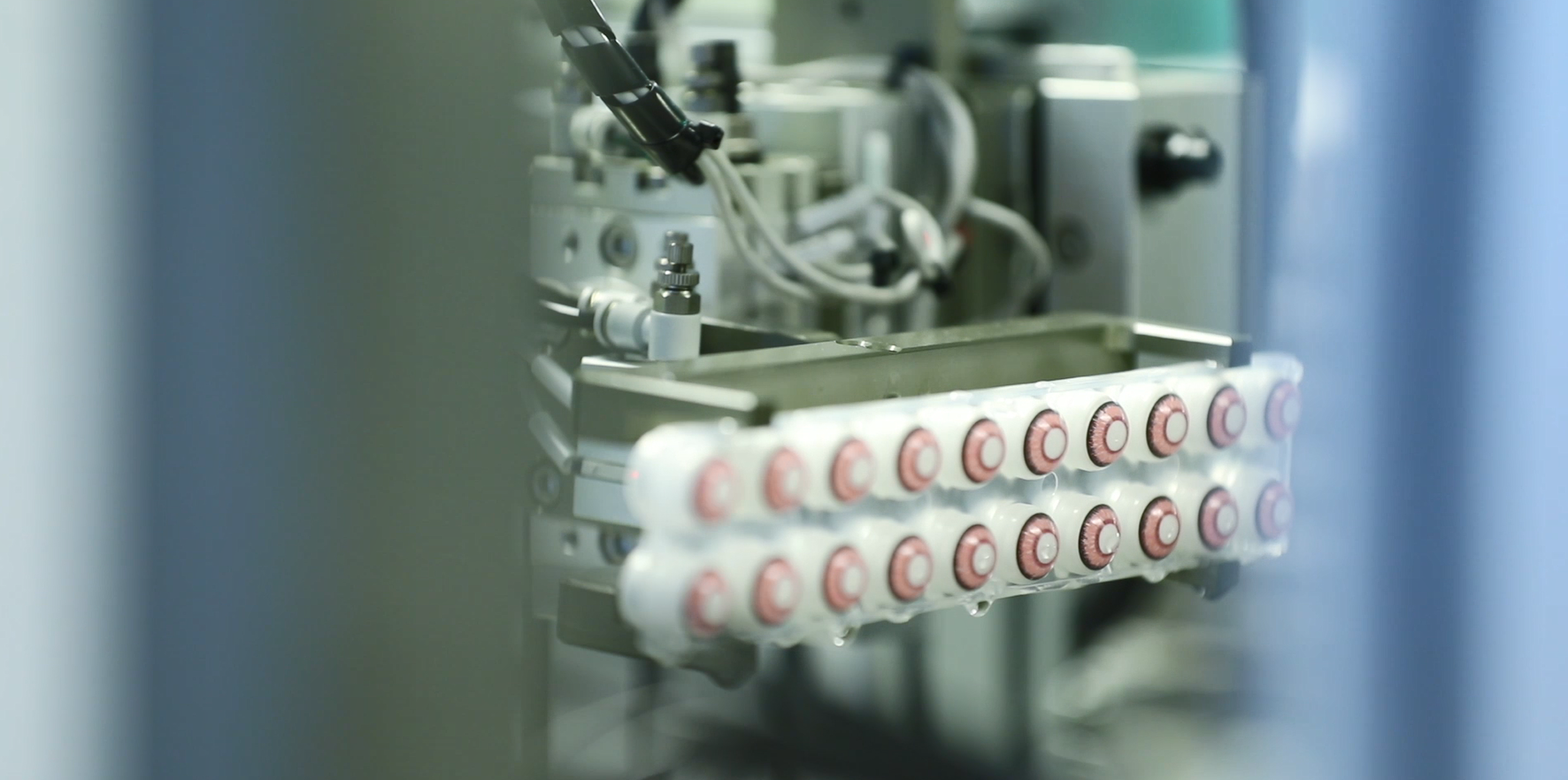
Strict tracking of primary biomaterials from synthesis to finished product state.
Adhering to strict European safety profiles, widely accepted by DIGEMID in Lima.
Turn proprietary designs into manufactured assets using CAD-optical technology.
Engineered to deliver exceptional comfort under dry coastal atmospheric conditions typical of Lima, using advanced water-locking polymer grids.
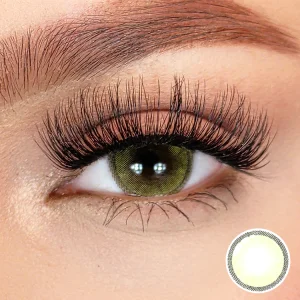
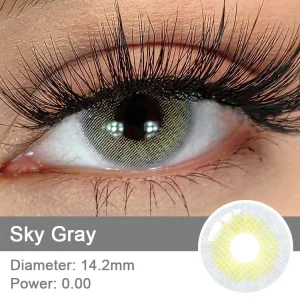
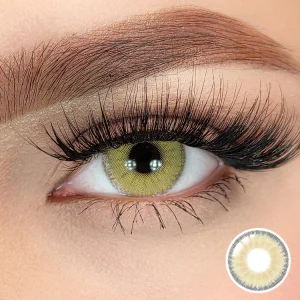
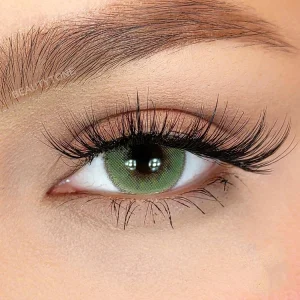
How the formulation of HEMA, NVP, and Silicon Hydrogel polymers improves wearer compliance and maintains corneal safety profiles.
One of the main safety concerns regarding cosmetic contact lenses is pigment exposure. BeautyTone Dream lenses employ a double-cladding sandwich production methodology. The color pigment layer is encapsulated between two layers of transparent hydrogel, ensuring that colorants never touch the corneal surface or the palpebral conjunctiva.
Furthermore, this encapsulation technology prevents surface roughness, providing an exceptionally smooth surface profile. This reduces friction during blinking and minimizes the risk of Giant Papillary Conjunctivitis (GPC) and dry-eye symptoms frequently reported by lens wearers in urban Lima.
Lima is characterized by high humidity levels coupled with micro-dust levels from coastal air. Our specific 38% - 42% water content range is optimized to prevent dry lens dehydration. Higher water content lenses can pull moisture from the tear film in air-conditioned environments, whereas our medium water content range retains its structural water, keeping the lens comfortable for up to 12 hours.
Additionally, our hydrogel material offers high oxygen transmissibility (Dk/t value), mitigating corneal hypoxia and limbal redness, giving wearers bright, clear, and healthy-looking eyes throughout the day.
High-purity HEMA/NVP with traceable raw batches.
Color injection between twin hydrogel layers.
Cast-molding and equilibration in saline solution.
100% digital check for structural irregularities.
Transparency drives compliance. Review our standard production lines, automated machinery, and quality control departments below.
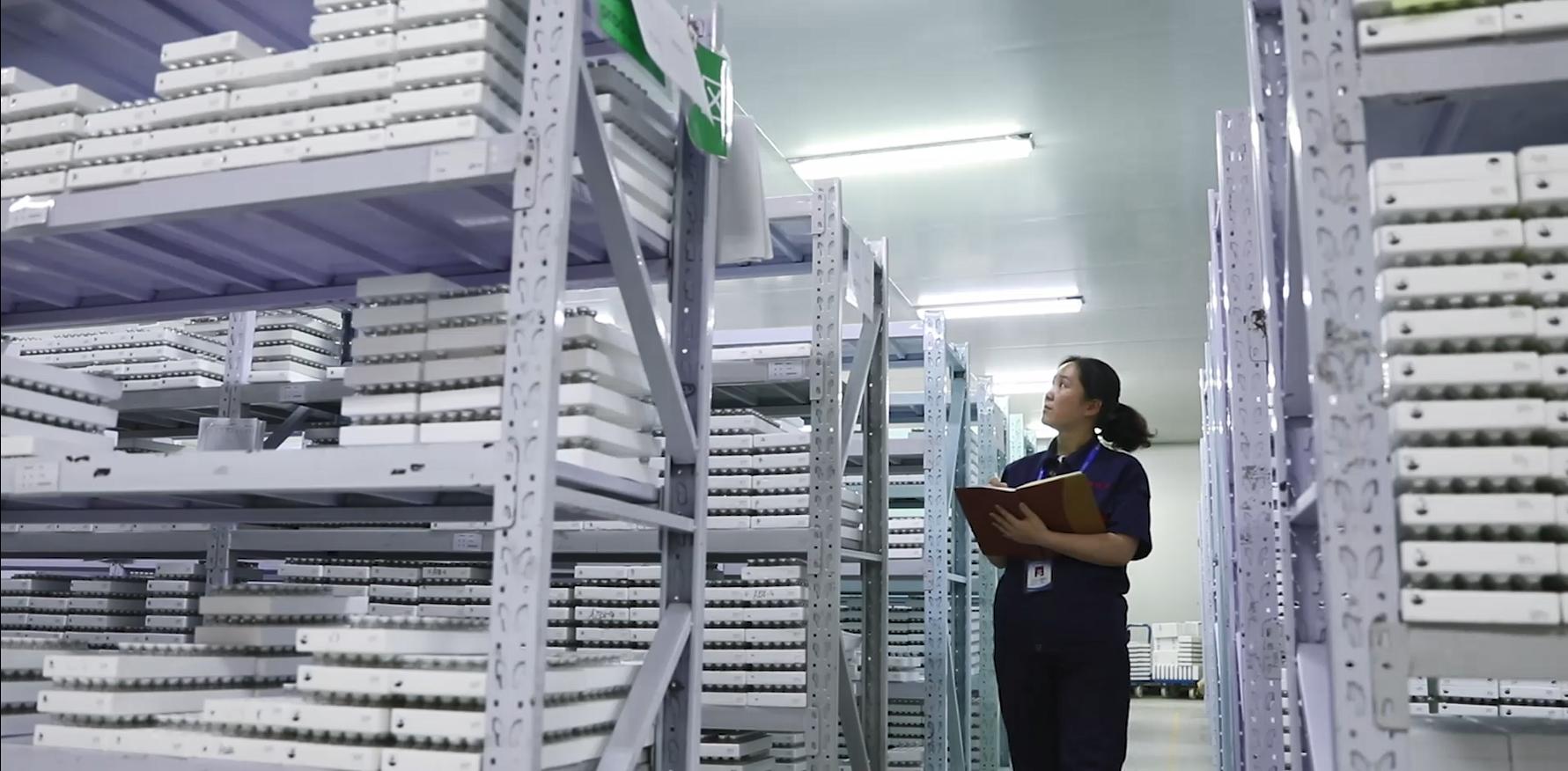
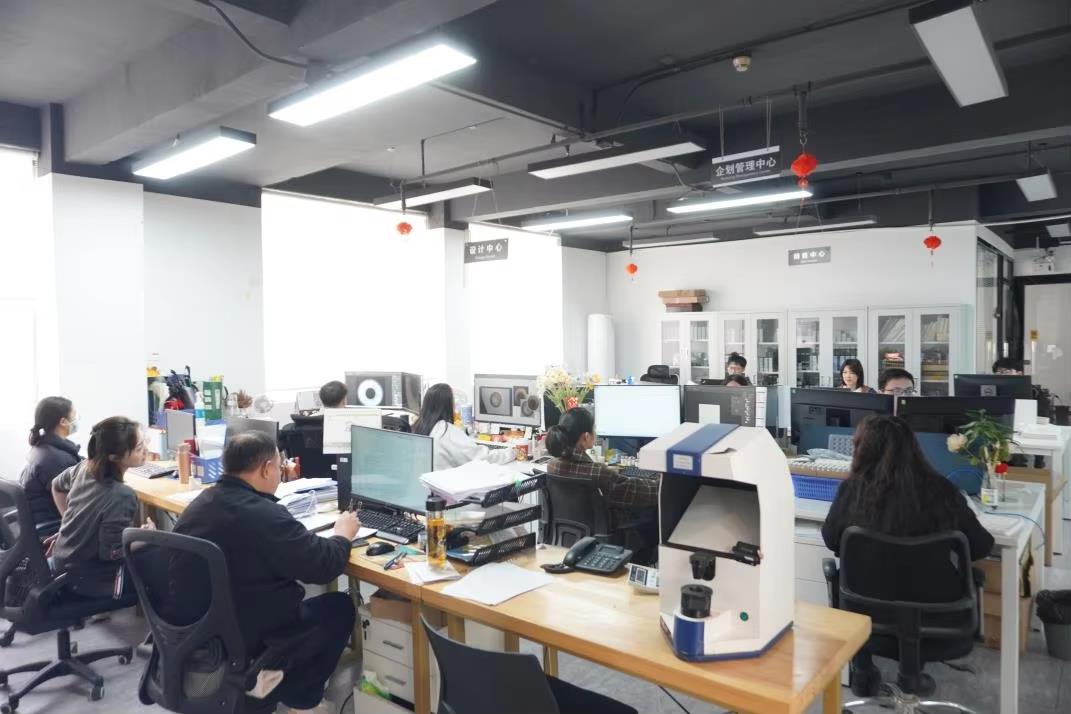
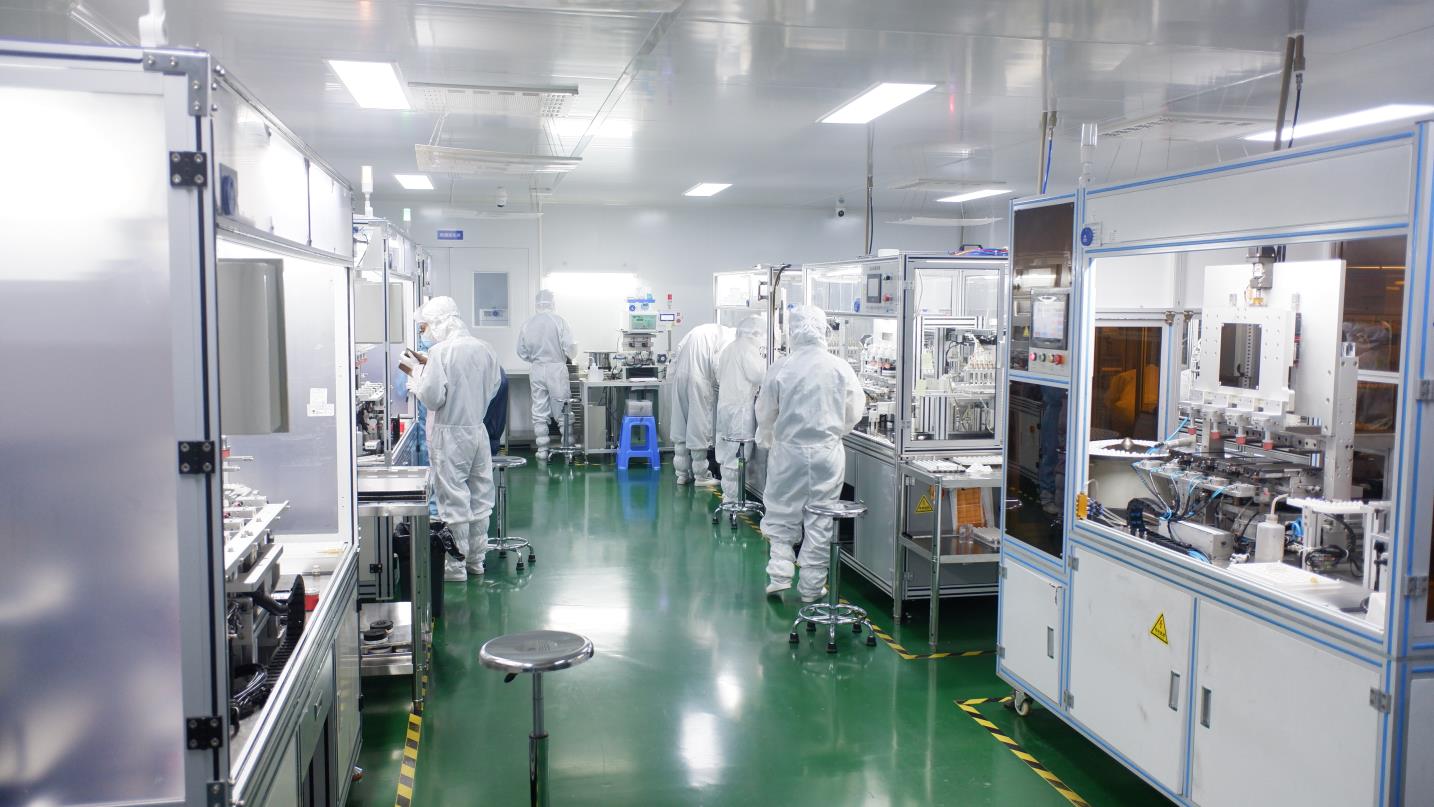
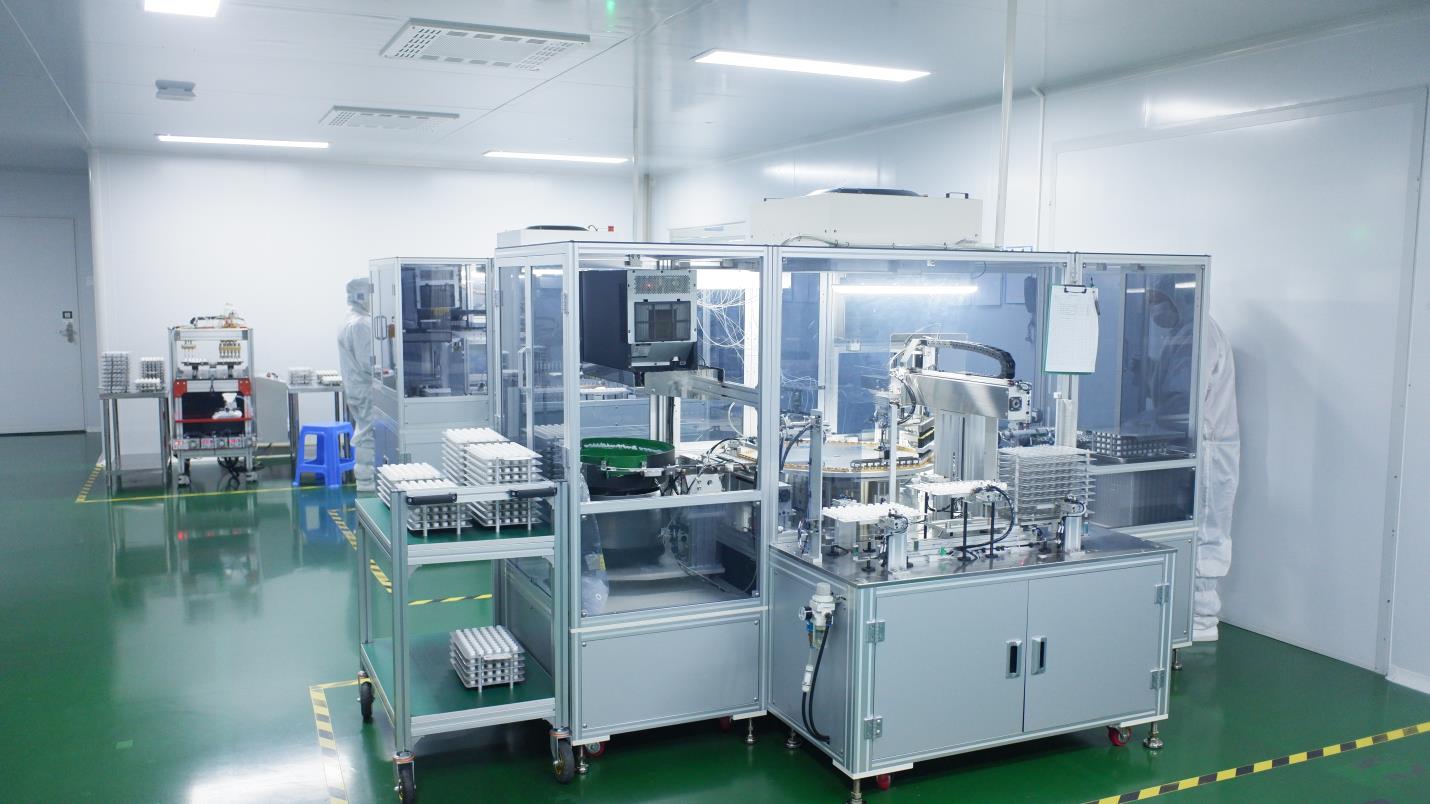
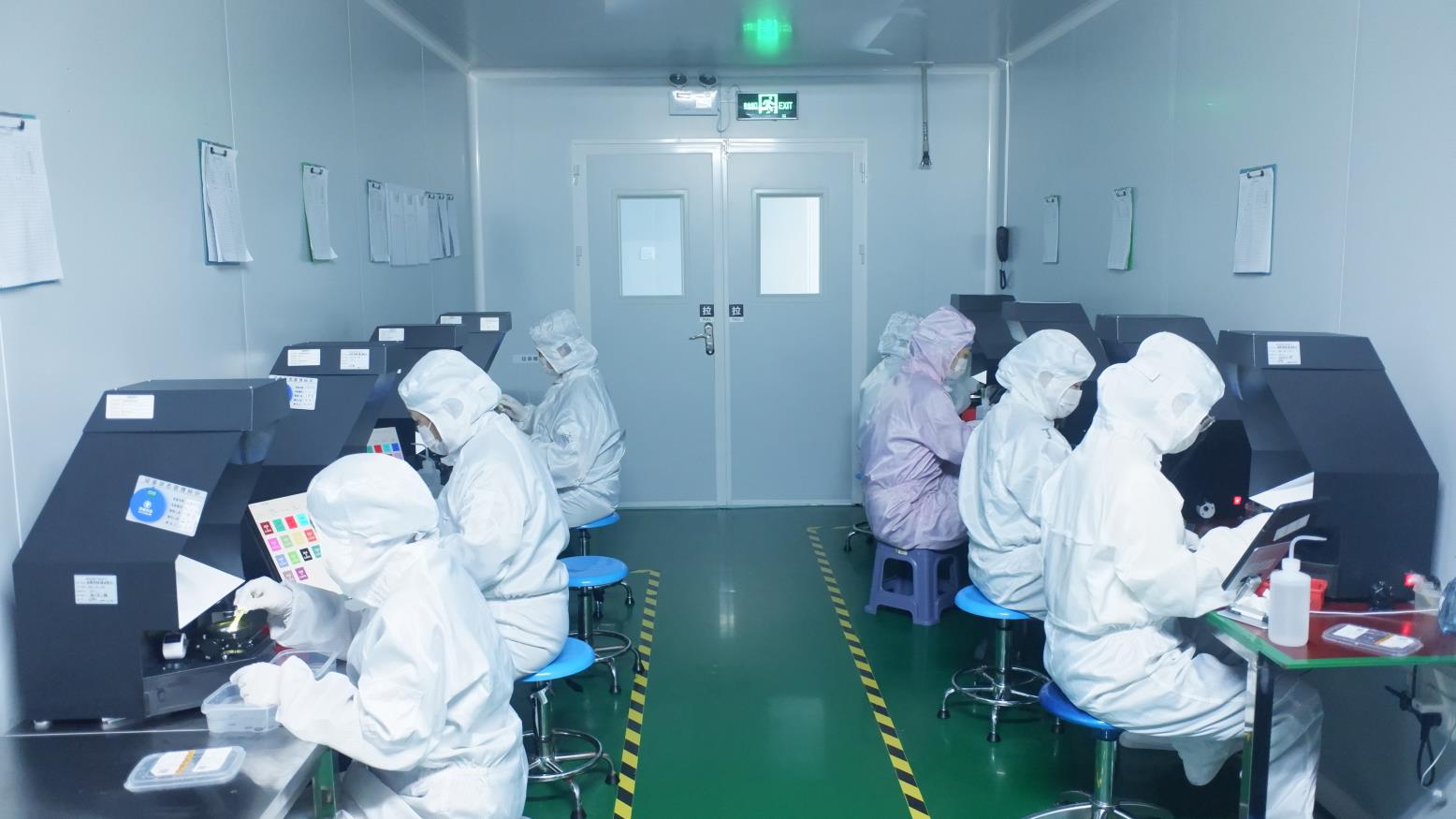
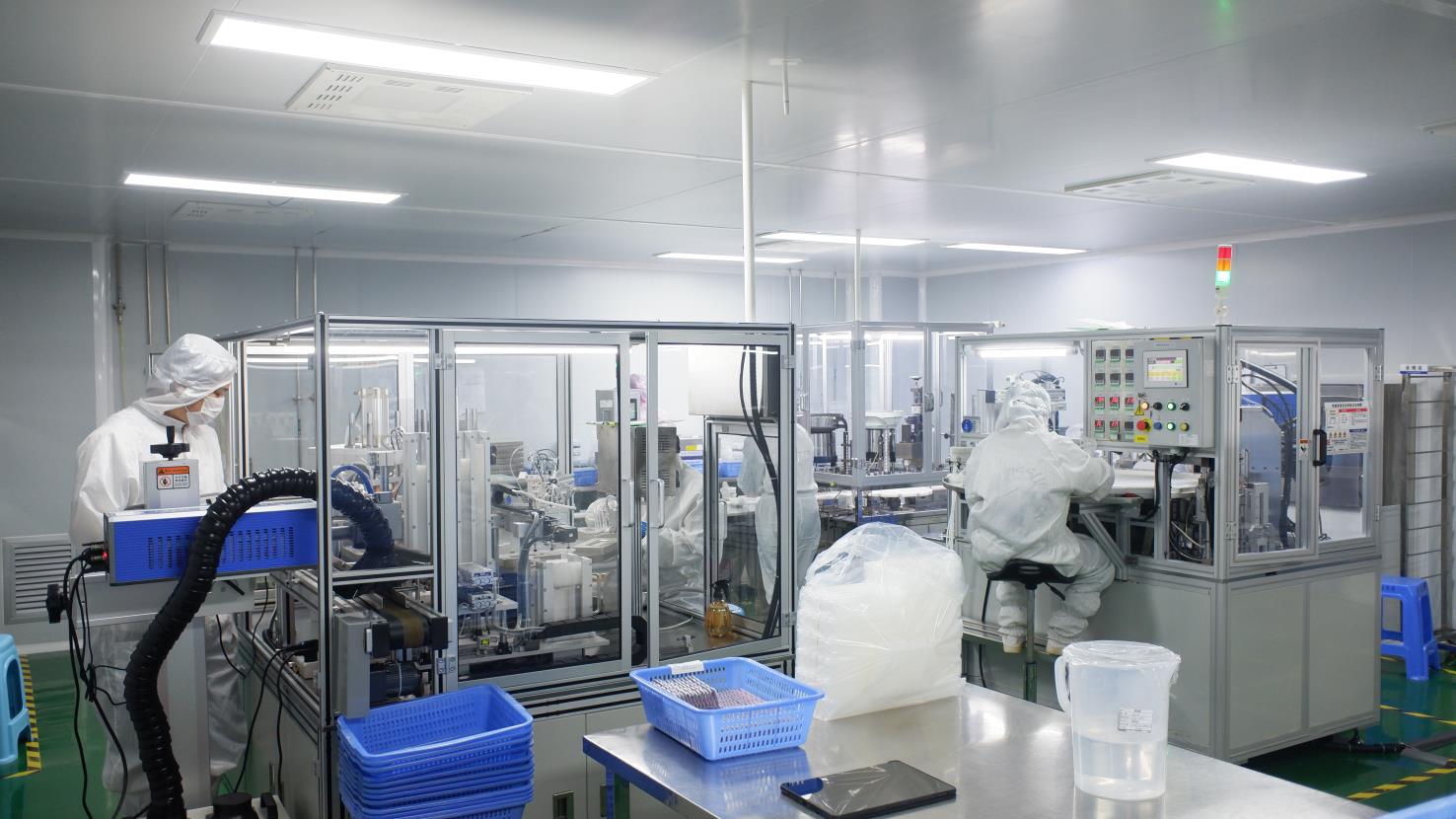
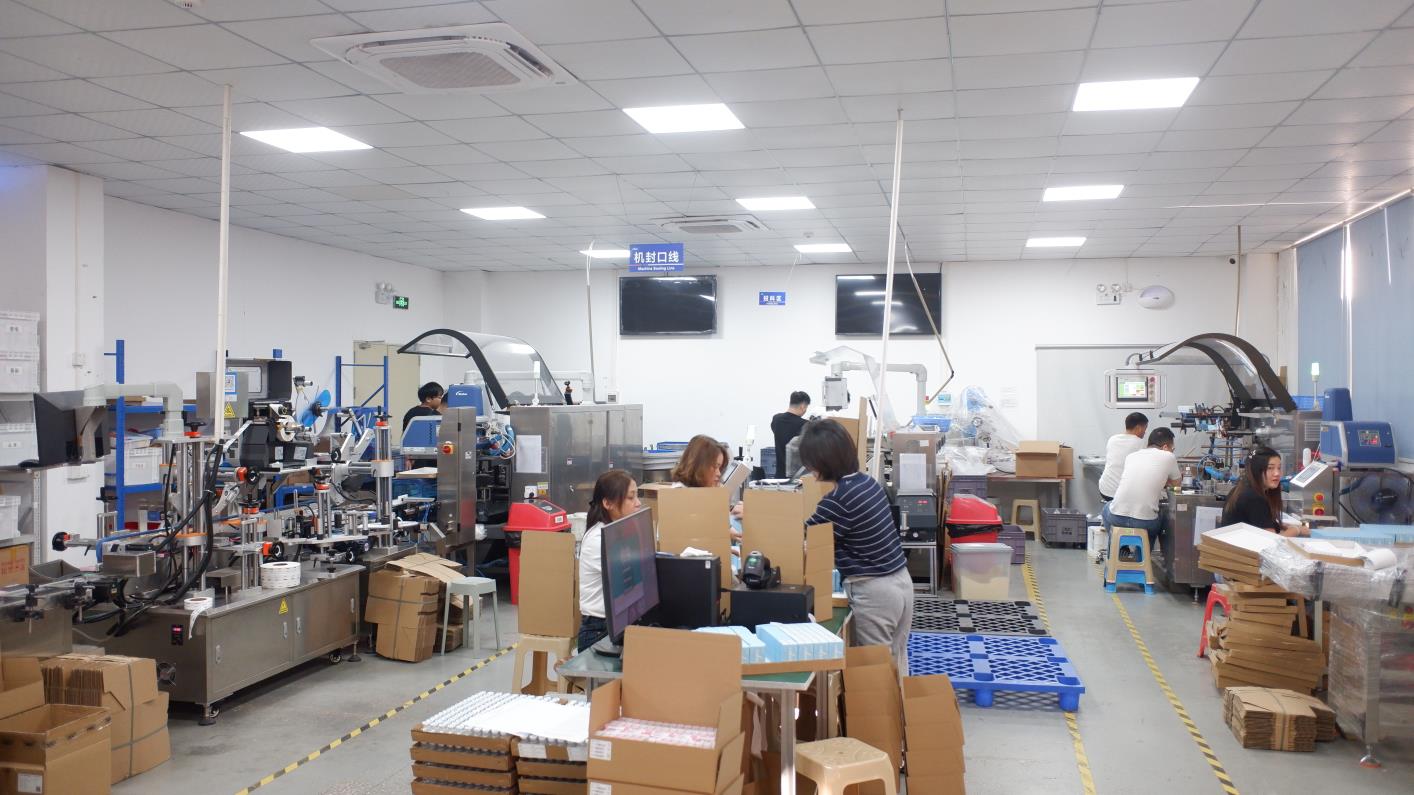
Choose from our verified yearly cosmetic lines, manufactured to high clinical parameters, offering comfort and cosmetic appeal.
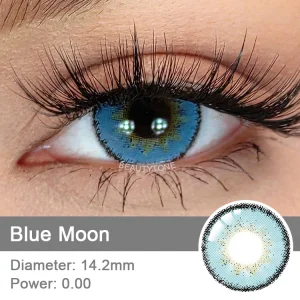
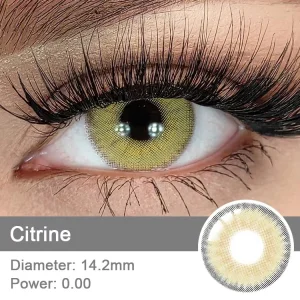
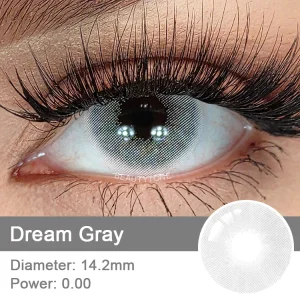
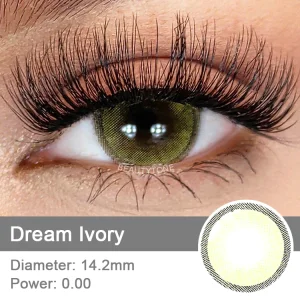
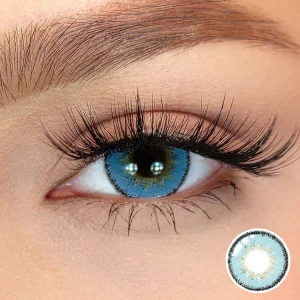
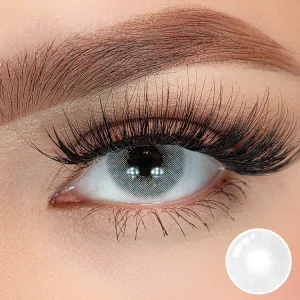
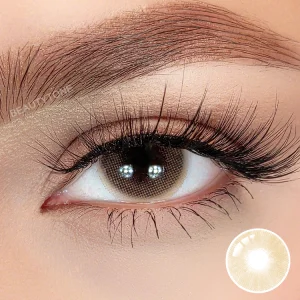
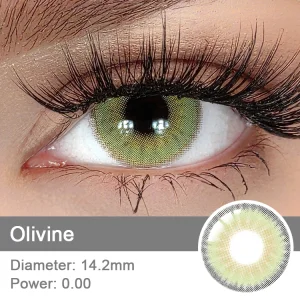
Ensuring compliance with local regulations and providing smooth logistics pathways from our facility to the Callao port.
In Peru, importing medical products requires strict authorization. All contact lenses, whether cosmetic or refractive, are categorized as medical devices (Class II or Class III, depending on specific structural properties). Accordingly, importers in Lima must present a valid health registration (Registro Sanitario) issued by DIGEMID.
To support our distributors, Shenzhen Mio Lenses Co., Ltd. provides comprehensive technical files, including:
From our logistics hubs in China to the port of Callao or Jorge Chávez International Airport (LIM), shipping delicate medical devices requires careful temperature and humidity monitoring. Extreme temperature fluctuations can degrade the saline packaging solution, leading to dry lenses or altered base curves.
We pack all wholesale shipments in insulated, double-wall corrugated cartons with relative humidity control barrier wraps. Our logistics team handles international freight forwarding coordination, providing correct HS Codes (typically 9001.30.00 for contact lenses) to streamline Peruvian customs procedures.
Get answers to common queries from professional importers, optical chains, and distributors in Peru regarding procurement, compliance, and custom manufacturing.
For our standard catalog options (such as the BeautyTone Dream range), our initial MOQ is set low to support business market trials. For custom packaging, minor modifications, or custom print designs (ODM), the MOQ typically starts from 500 to 1,000 pairs per color model. Contact our export sales team for details.
Yes. We regularly assist distributors in Peru. We supply full technical dossiers, including our ISO 13485 certificates, CE certificates, detailed sterilization validation summaries, stability test reports, and biocompatibility analyses. We also issue customized authorization letters to register our brands under your local importing entity.
We use advanced double-cladding sandwich technology, which locks the color pigment within the hydrogel layers. This ensures that the pigment never makes contact with the cornea, preventing irritation, allergies, or physical abrasion. Every lens undergoes visual verification and optical power calibration before shipment.
For air freight (via carriers like DHL, FedEx, or specialized air cargo), the typical transit time to Lima's Jorge Chávez Airport is between 7 and 12 business days. For bulk sea freight to the port of Callao, shipping times range from 30 to 40 days, depending on route availability.
Yes. Through our drawing-based customization program, you can supply pattern files (PSD, AI, or high-resolution PDF). Our engineers will model the design on a 3D eye prototype, analyze optical parameters, and run pilot trial prints for approval before commencing bulk production.