Mio Lenses
Mio Lenses
Mio Lenses
Explore our highly requested aesthetic medical-grade lenses. Manufactured under rigid ISO 13485 quality systems with advanced lock-color sandwich structures.
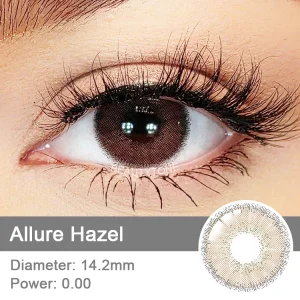
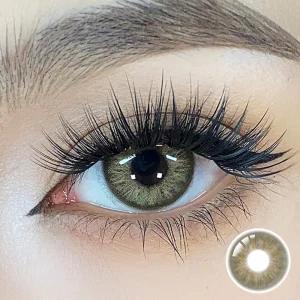
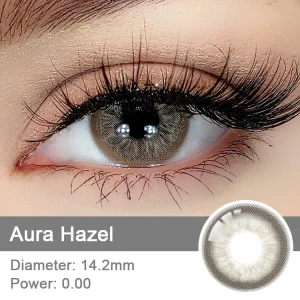
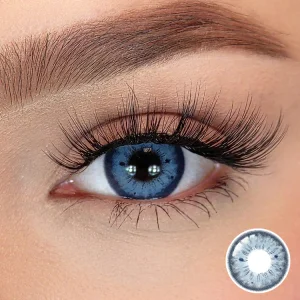
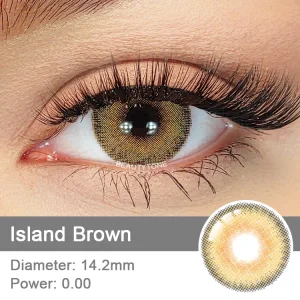
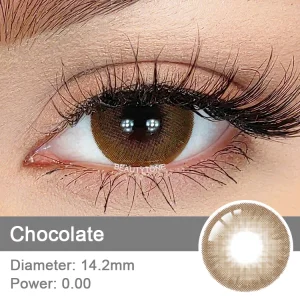
The dynamic evolution of global beauty trends has transitioned heavily toward warm, high-contrast, yet natural ocular tones. The BeautyTone Sunset contact lens series embodies this evolution, replicating the complex multi-chromatic micro-patterns of a natural dusk sky. Through advanced 3-tone color depth layering, design engineers blend amber, rich honey gold, warm copper, and soft ash rings to construct lenses that provide both ocular enlarging effects and realistic depth.
From a physiological and technical standpoint, producing these intricate visual properties requires extreme precision. Modern contact lens manufacturing has moved far beyond simple surface dye printing. At our high-tech fabrication facilities, we utilize Automated Double-Sided Cast Molding integrated with proprietary Sandwich Color Locking Technology. This clinical-grade assembly process embeds the cosmetic pigments securely between two layers of bio-compatible hydrogel materials (HEMA/NVP or HEMA/Silicone Hydrogel combinations). This ensures that no reactive dyes or pigment nanoparticles ever come into direct contact with the wearer's corneal epithelium, preventing cellular abrasion, toxicity, and ocular irritation.
Engineering Sunset tones presents unique chemical challenges. Darker sunset gradients require higher concentrations of inorganic iron oxide and titanium dioxide pigments. Traditionally, this could result in localized stiffening of the lens polymer or reduced gas permeability. Our R&D labs have solved this through surface-grafted hyaluronic acid (HA) integration during polymerization. This hydrophilic technology locks moisture onto the lens surface, keeping the friction coefficient low and preventing tear-film disruption throughout the 12-hour circadian wear cycle.
When optical distributors, cosmetics distributors, and direct-to-consumer digital brands search for wholesale partners, compliance and risk mitigation are critical concerns. Aesthetic contact lenses are classified strictly as Class II/Class III medical devices globally (e.g., FDA Class II, European Union MDR Class IIa/IIb). Thus, procuring from non-certified or unverified micro-factories poses massive legal, custom clearance, and brand liabilities.
A premium manufacturing partner must supply complete regulatory dossiers. This includes verified testing certifications, clinical trial performance logs, biocompatibility assays (such as ISO 10993 cytotoxicity, sensitization, and ocular irritation indices), and factory audit reports. Our processes are fully aligned with the strict standards set by key global regulatory authorities, ensuring trouble-free customs clearance and risk-free commercialization in major markets.
Global supply chain managers evaluate cosmetic lens production through three distinct operational lenses:
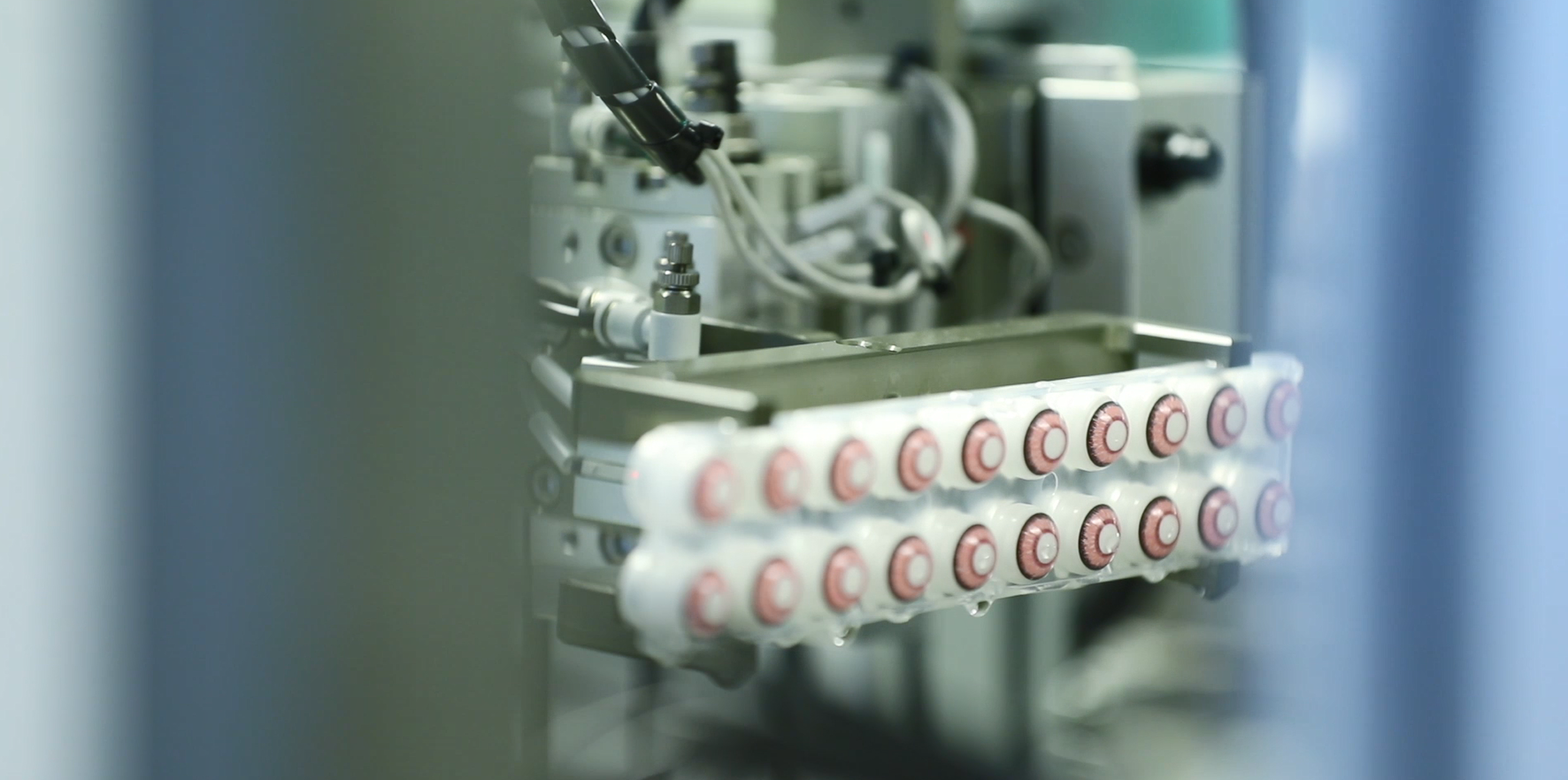
Shenzhen Mio Lenses Co., Ltd. represents the standard of excellence in medical-grade cosmetic and optical contact lens manufacturing. Operating out of highly advanced industrial zones, the company is built on a foundation of scientific integrity, state-of-the-art automation, and thorough quality management.
Every step of production, from initial design rendering to autoclaving, takes place in a certified Class 100,000 cleanroom environment. By utilizing advanced automated inspection technologies, we check every lens for dimensional accuracy, power consistency, and edge profiles. This guarantees that our global B2B clients receive lenses with zero structural defects and optimal comfortable fit profiles.
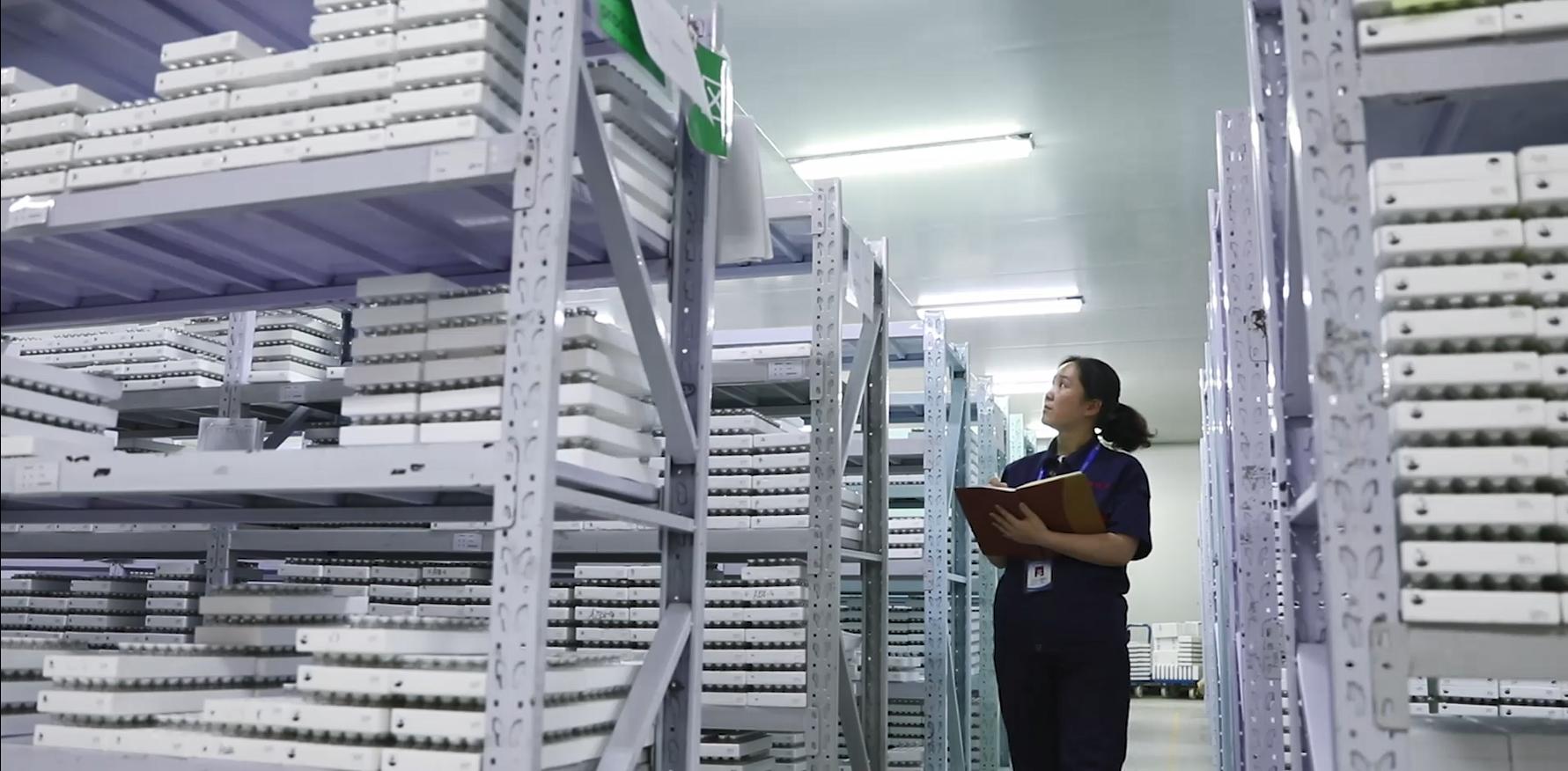
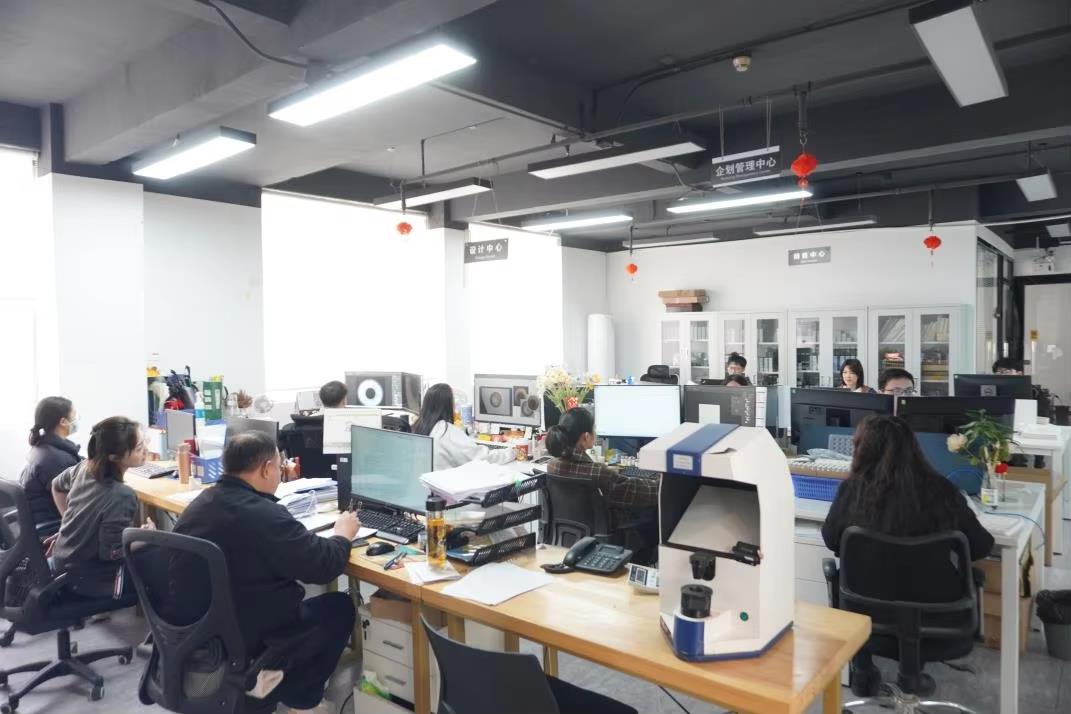
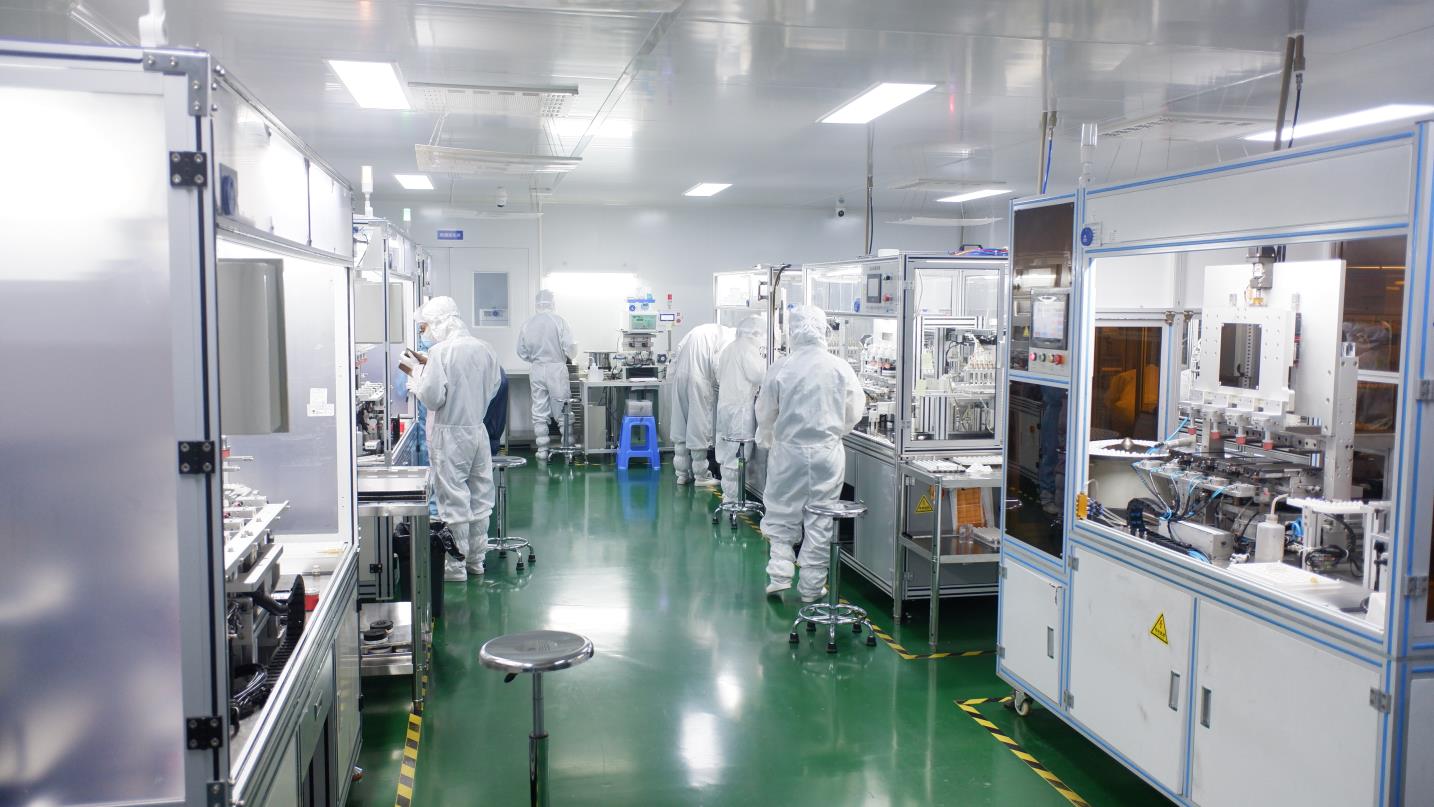
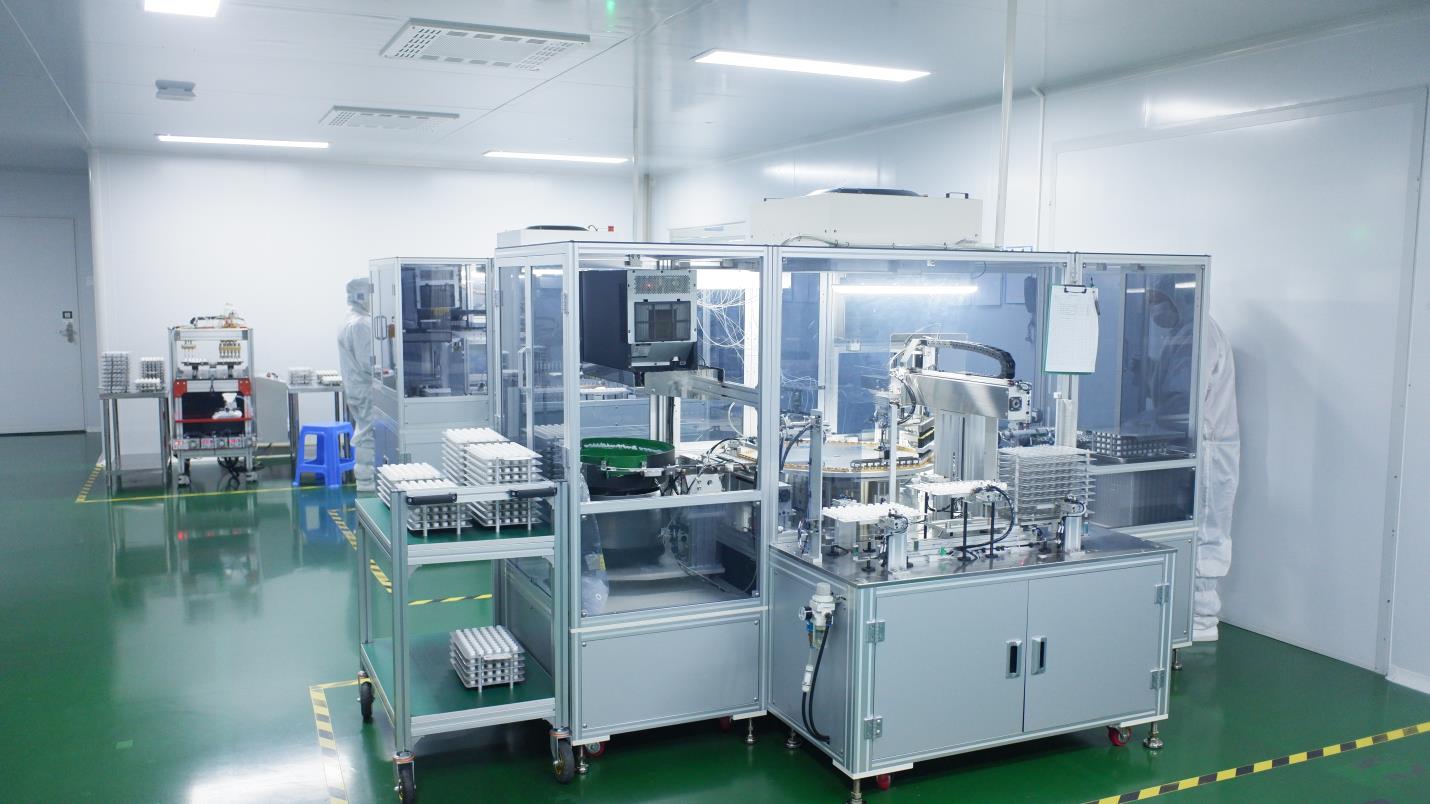
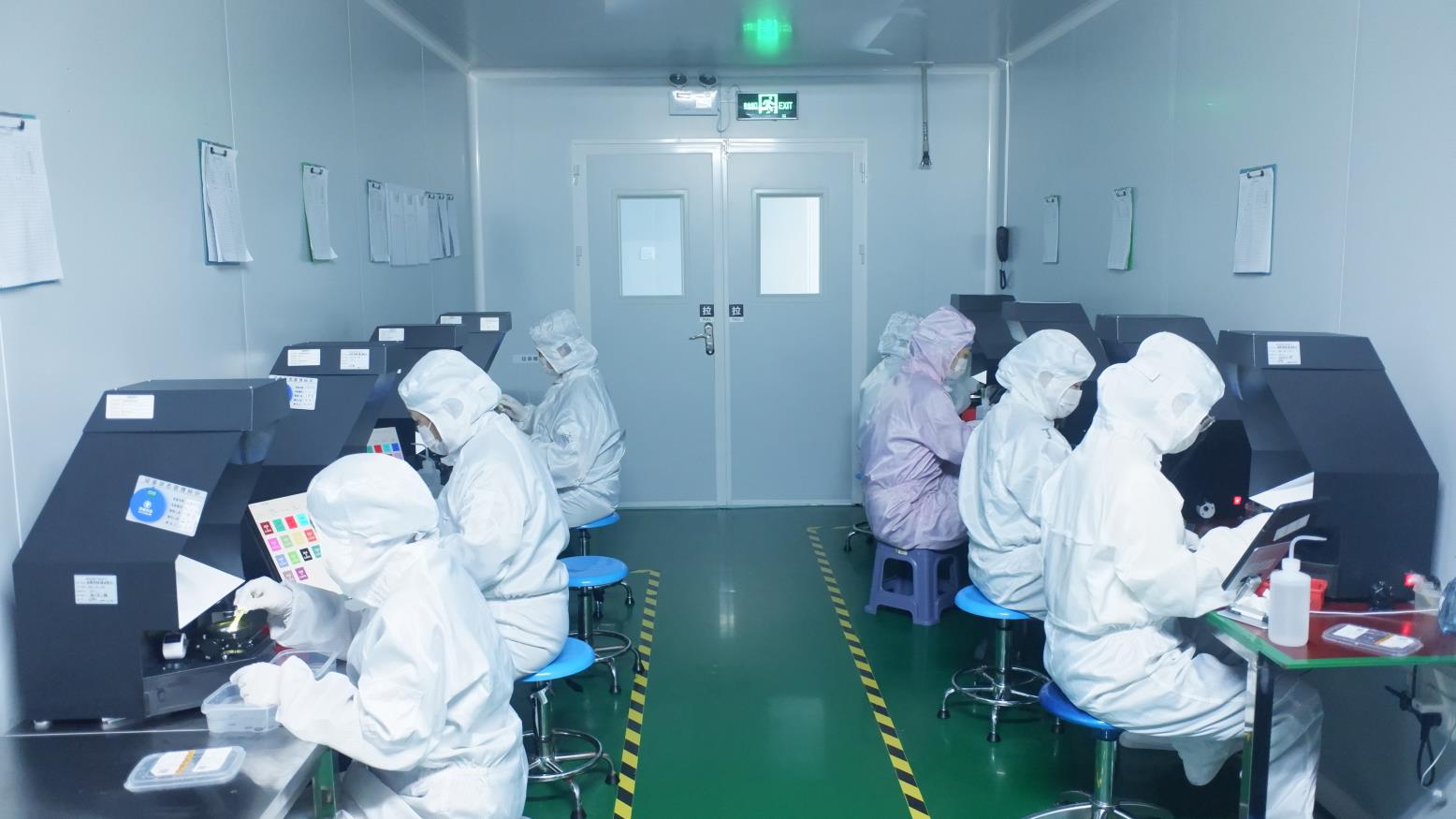
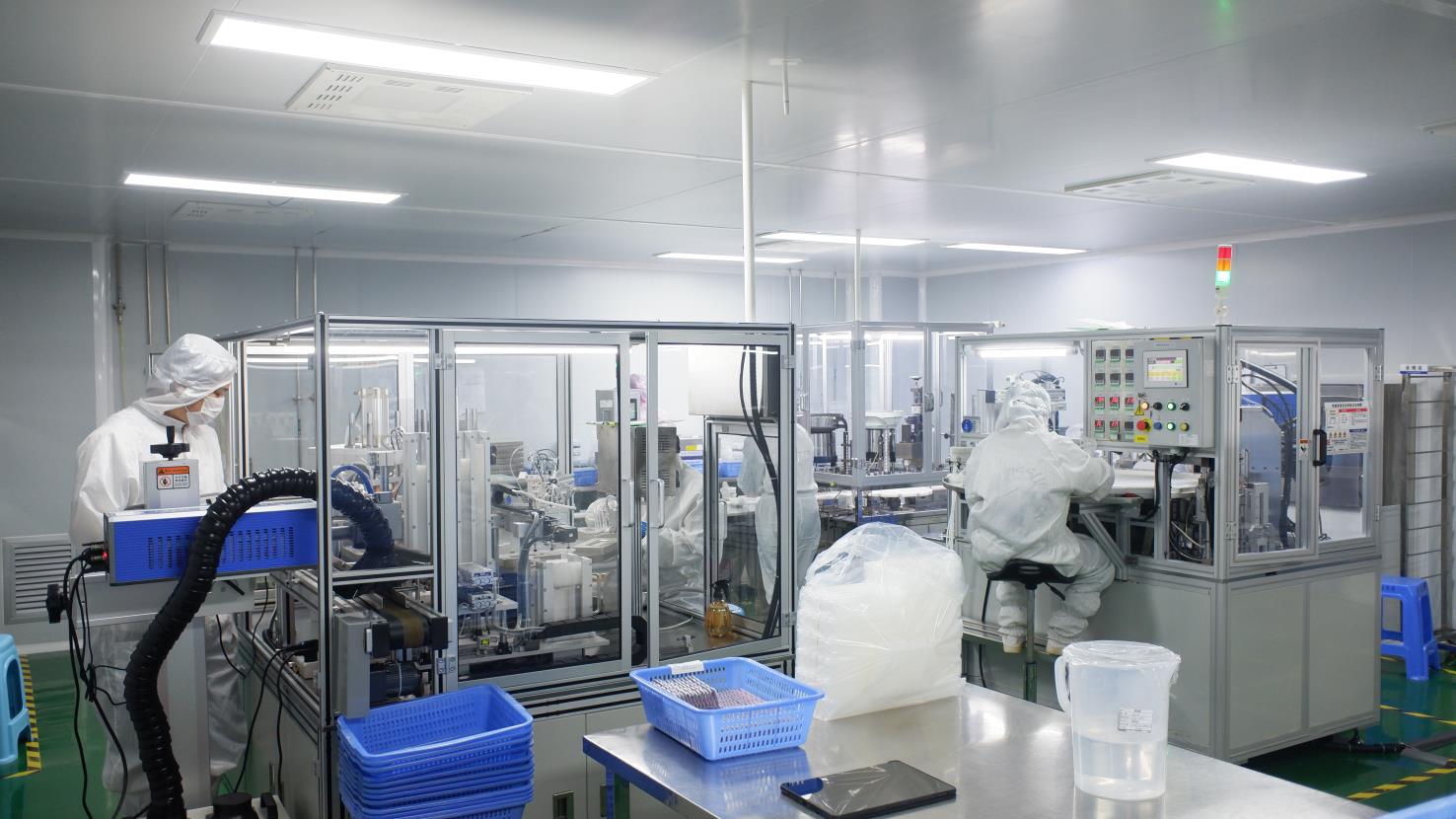
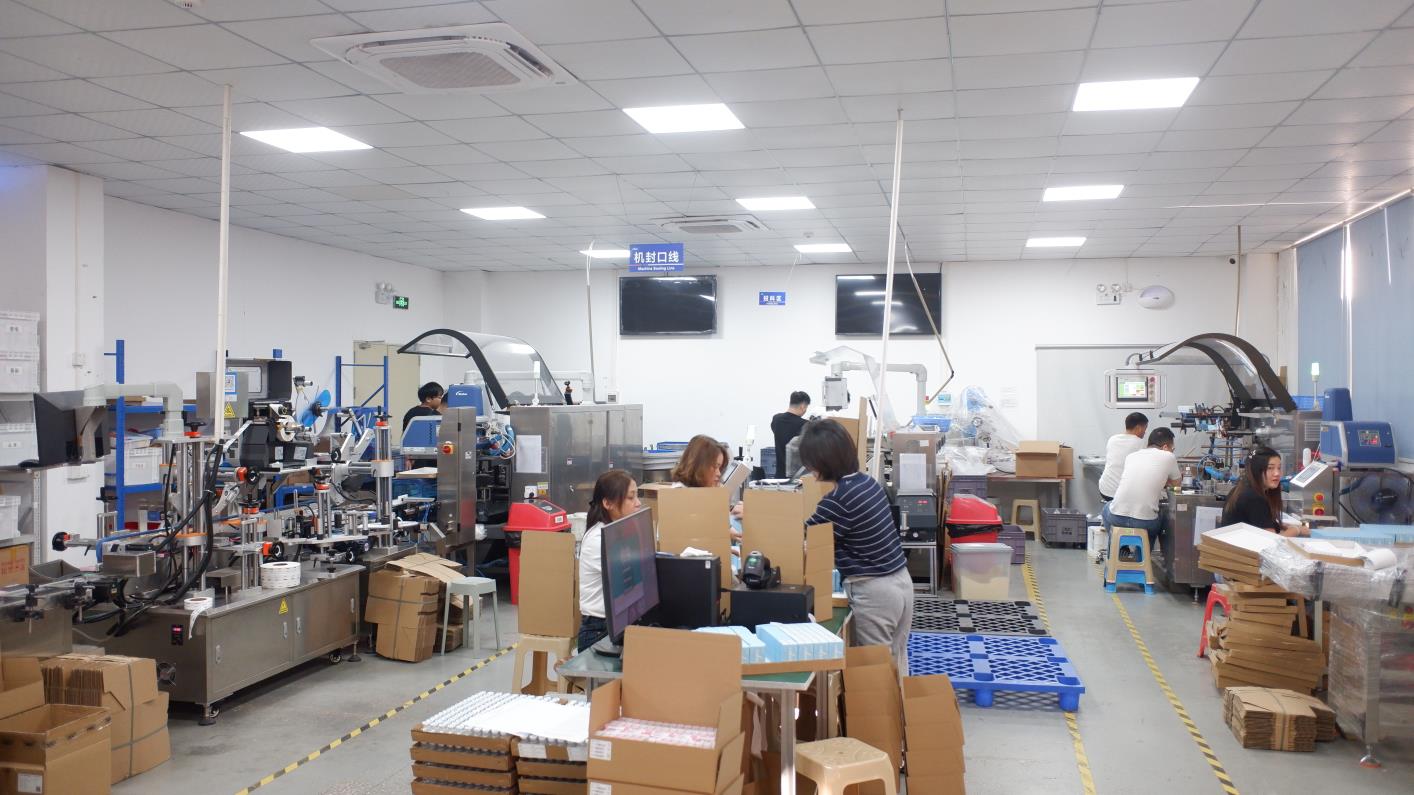
The global contact lens market is highly competitive. To build a successful consumer brand, optical businesses need to balance pricing with superior quality control. Modern Chinese contact lens manufacturing facilities have integrated Factory 4.0 paradigms. These combine high-output manufacturing lines with AI-based quality inspection cameras. This approach reduces manual labor costs while boosting manufacturing yields to unmatched heights.
By sourcing directly from advanced factories like Shenzhen Mio Lenses, B2B clients leverage deep supply chain integration. The optical cluster in Southern China provides immediate access to medical-grade silicone-hydrogels, high-clarity borosilicate glass molds, specialized plastic packaging monomers, and customized sterile secondary packaging print houses. This proximity drastically reduces lead times for bulk custom cosmetic lens manufacturing from the typical European standard of six months down to just 30 to 45 days.
To meet the needs of diverse cosmetics markets, our engineering facilities utilize two main custom workflows:
As a brand manager or clinical distributor, optimizing your product catalog requires understanding specific target audiences. The BeautyTone Sunset series is engineered to perform across several key consumer niches:
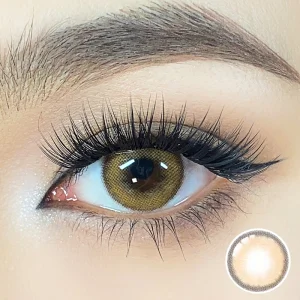
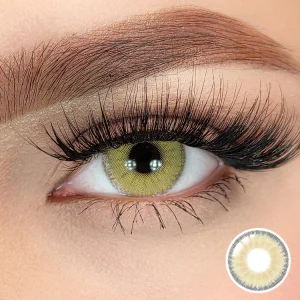
For professionals in Corporate settings, natural appearance is key. Designs such as Allure Hazel, Carob Dream, and Aura Hazel offer subtle enhancement. Rather than completely obscuring the iris, they brighten the eyes with soft golden undertones. These designs blend beautifully with both fair and dark eyes, making them highly versatile options for office daily wear.
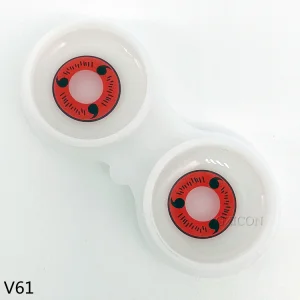
The theatrical makeup industry requires high opacity and precise geometric patterns. Specialty options like the Itachi Sharingan series provide sharp, vivid detailing. They deliver intense red-and-black contrast that remains crisp under bright studio lighting, making them perfect for pop-culture conventions and theatrical shoots.
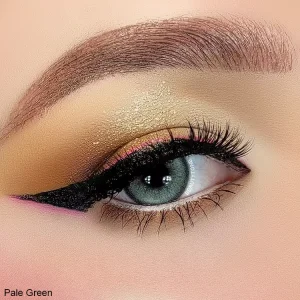
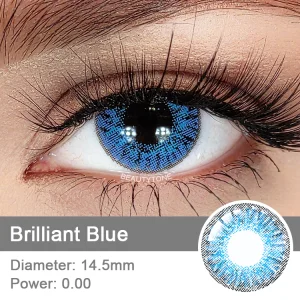
Beauty shoots require high contrast and precise gradients. Lenses such as Deep Blue Luxury, Pale Green Circle Lenses, and Brilliant Blue define the limbal ring and reflect light sharply. This creates vibrant, clear eyes on camera, helping models deliver striking looks without requiring extensive post-production retouching.
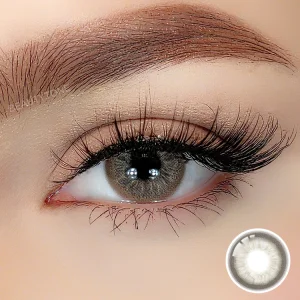
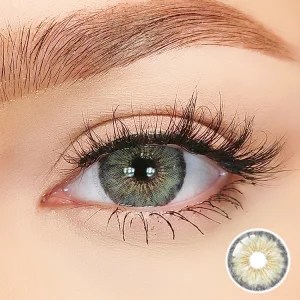
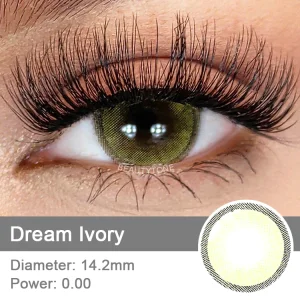
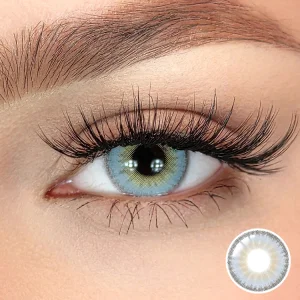
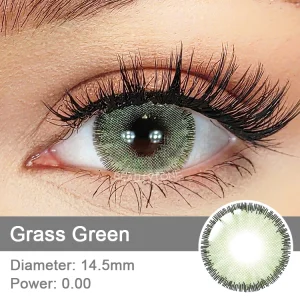
Discover additional highly-demanded colored cosmetic lens designs. Built to meet international quality standards and optimize eye health.
Answers to crucial technical and operational questions for purchasing managers, product developers, and optical distributors.