Mio Lenses
Mio Lenses
Mio Lenses
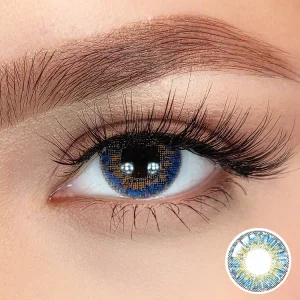
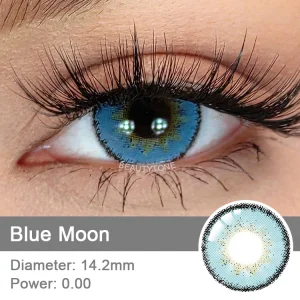
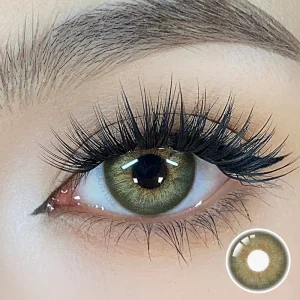
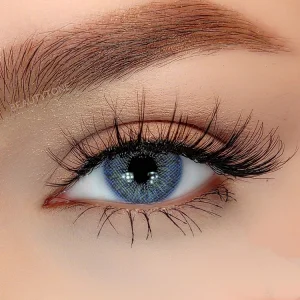
Explore our elite selection of BeautyTone Charm soft contact lenses, featuring exceptional color vibrancy, high oxygen permeability, and advanced safety profiles.
In the modern eye care and cosmetic industries, the evolution of colored contact lenses has transitioned from basic aesthetic accessories to complex, biocompatible medical devices. The global demand for premium cosmetic lenses—epitomized by the BeautyTone Charm series—has prompted manufacturers to adopt advanced material science protocols, rigorous quality management systems, and highly customized production pathways.
This whitepaper explores the operational capacities of Shenzhen Mio Lenses Co., Ltd., a top-tier Chinese contact lens factory operating at the intersection of medical safety and artistic customization. Leveraging decades of manufacturing integration within China's supply chains, our operations address the strict parameters defined by international regulatory systems, ensuring that every lens delivers unparalleled physiological comfort and visual distinction.
All BeautyTone Charm products are manufactured utilizing premium hydrogel polymers (HEMA-based and Polymacon formulations) that ensure optimal oxygen transmissibility (Dk/t), high water retention, and mechanical stability.
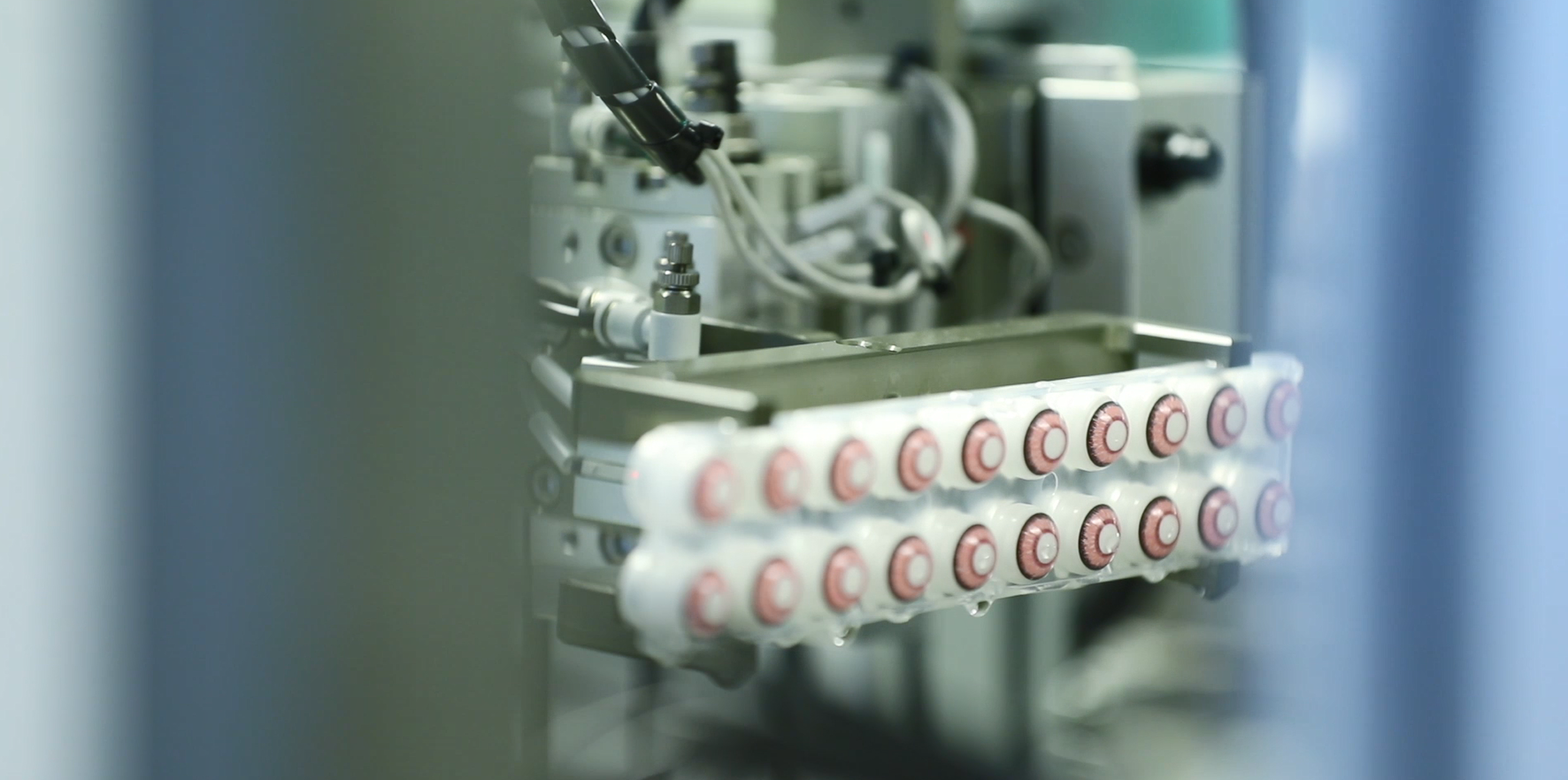
Why global brands trust Chinese production facilities for scale, precision, and cost efficiency.
Our production facilities utilize high-speed cast molding systems. Cast molding guarantees geometric replication accuracy down to the micron, eliminating physical inconsistencies common in traditional lathe-cut methods.
We source medical-grade monomers under strict traceability guidelines. Each raw material batch undergoes chemical analysis (FTIR spectroscopy) to verify monomer integrity prior to polymerization.
Shenzhen Mio Lenses Co., Ltd. operates under ISO 13485 standards. Our products carry CE certificates, confirming alignment with the European Union Medical Device Regulation (MDR 2017/745) requirements.
Shenzhen Mio Lenses Co., Ltd. provides customized cosmetic and optical solutions tailored for distinct B2B markets.
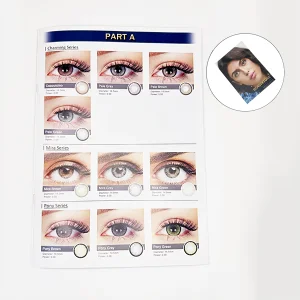
Designed for emerging brands looking to establish a market presence with minimal friction. We provide minor customization services including customized secondary packaging, private label branding, and custom blister pack foil designs. We print catalogs (such as our Wholesale Color Contact Lenses Paper Catalog Printing Catalog) to support our clients' localization marketing strategies.
For established optical distributors requiring proprietary color layouts. Utilizing advanced multi-tone pad printing machinery, we translate digital design files and color mockups into physical print matrices. We safely embed complex cosmetic layers (1-tone, 2-tone, and 3-tone patterns) using "sandwich color tech" so pigments never touch the eye surface.
Our production facility adheres to strict traceability guidelines. Every raw polymer, humectant, and dye compound is logged with barcode-tracked batch identifiers. This systematic traceability extends from vendor chemical synthesis through hydration, packaging, and final high-temperature sterilization.
Prior to batch release, all finished contact lenses undergo optical screening. We employ automated vision inspection systems (AOI) to detect edge anomalies, surface micro-tears, and structural irregularities. Batch samples are autoclaved under saturated steam at 121°C for at least 30 minutes, followed by saline stability testing.
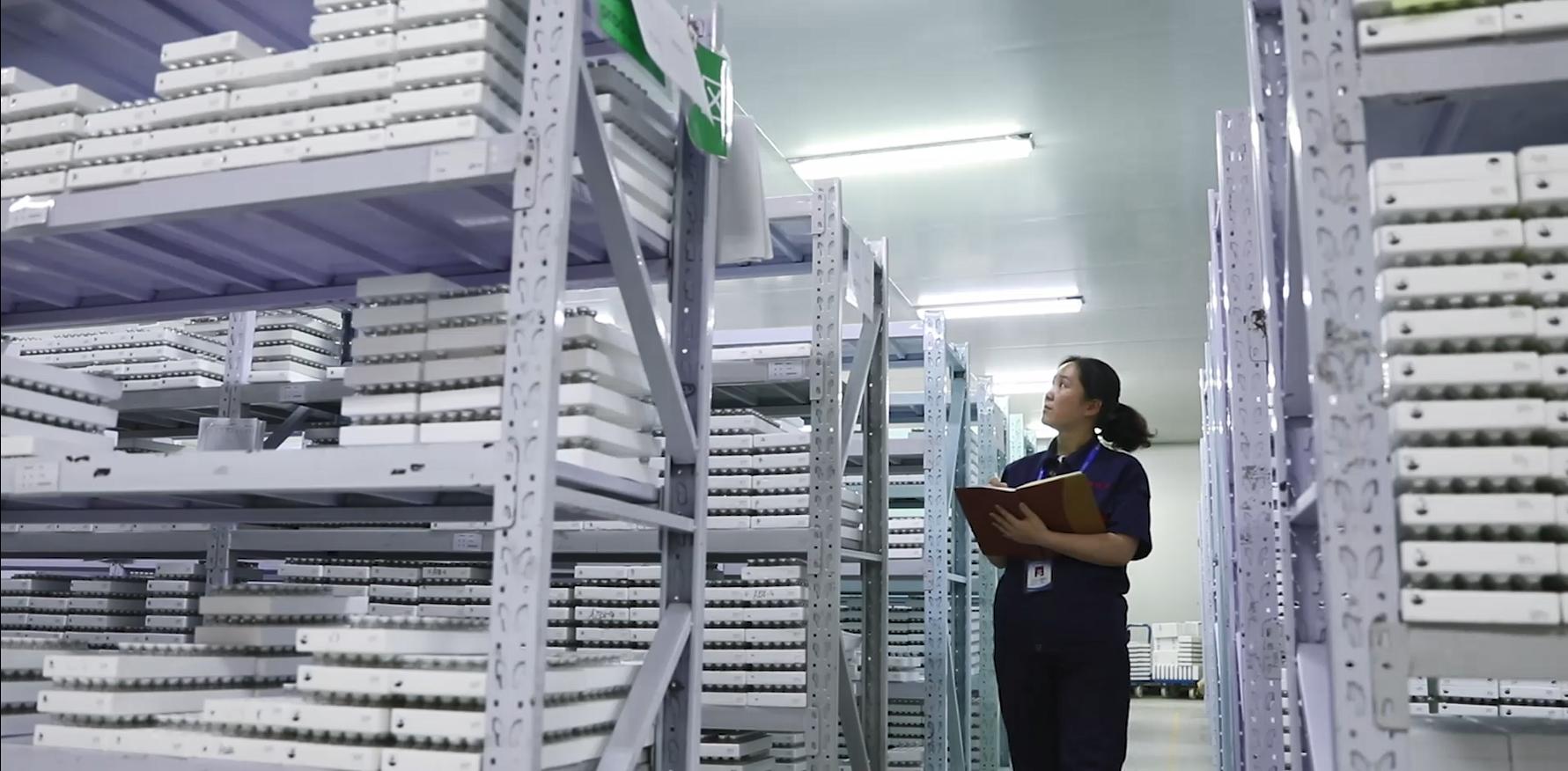
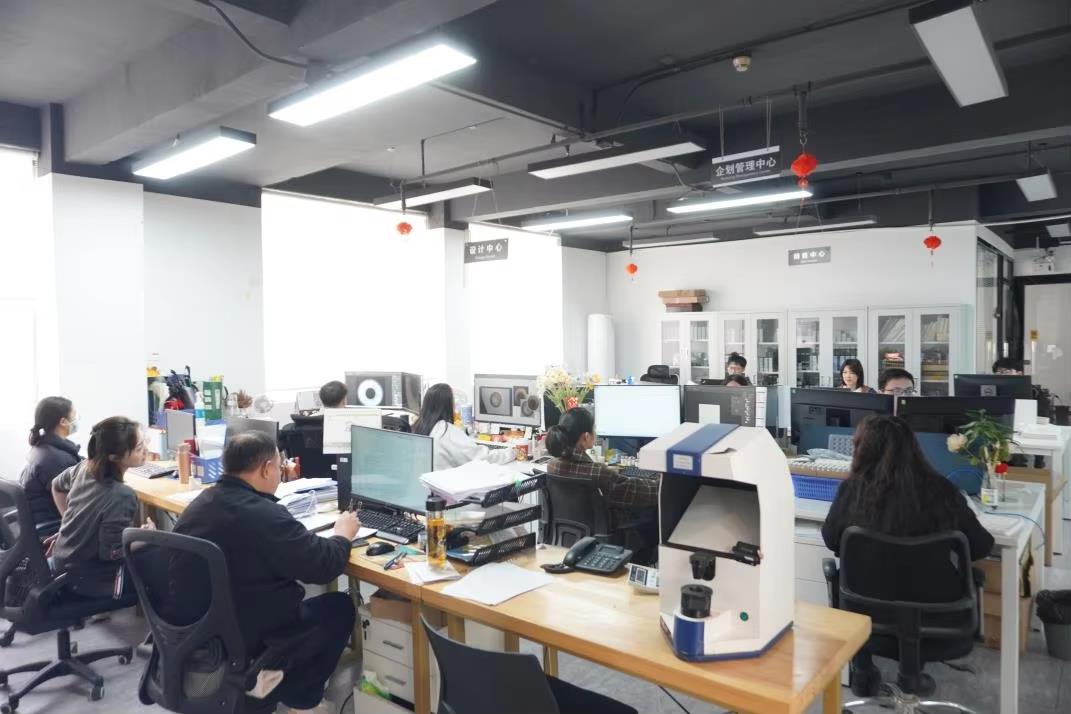
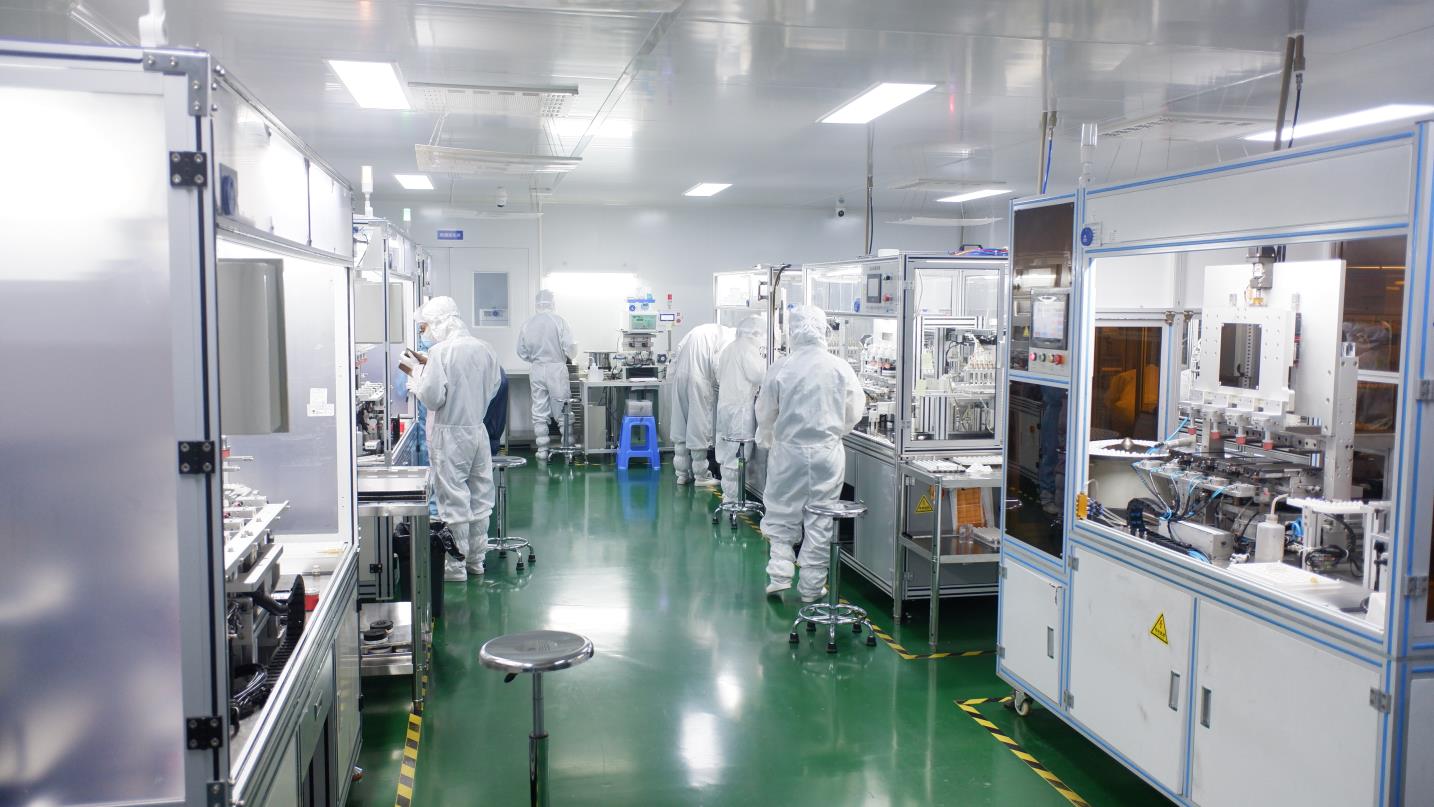
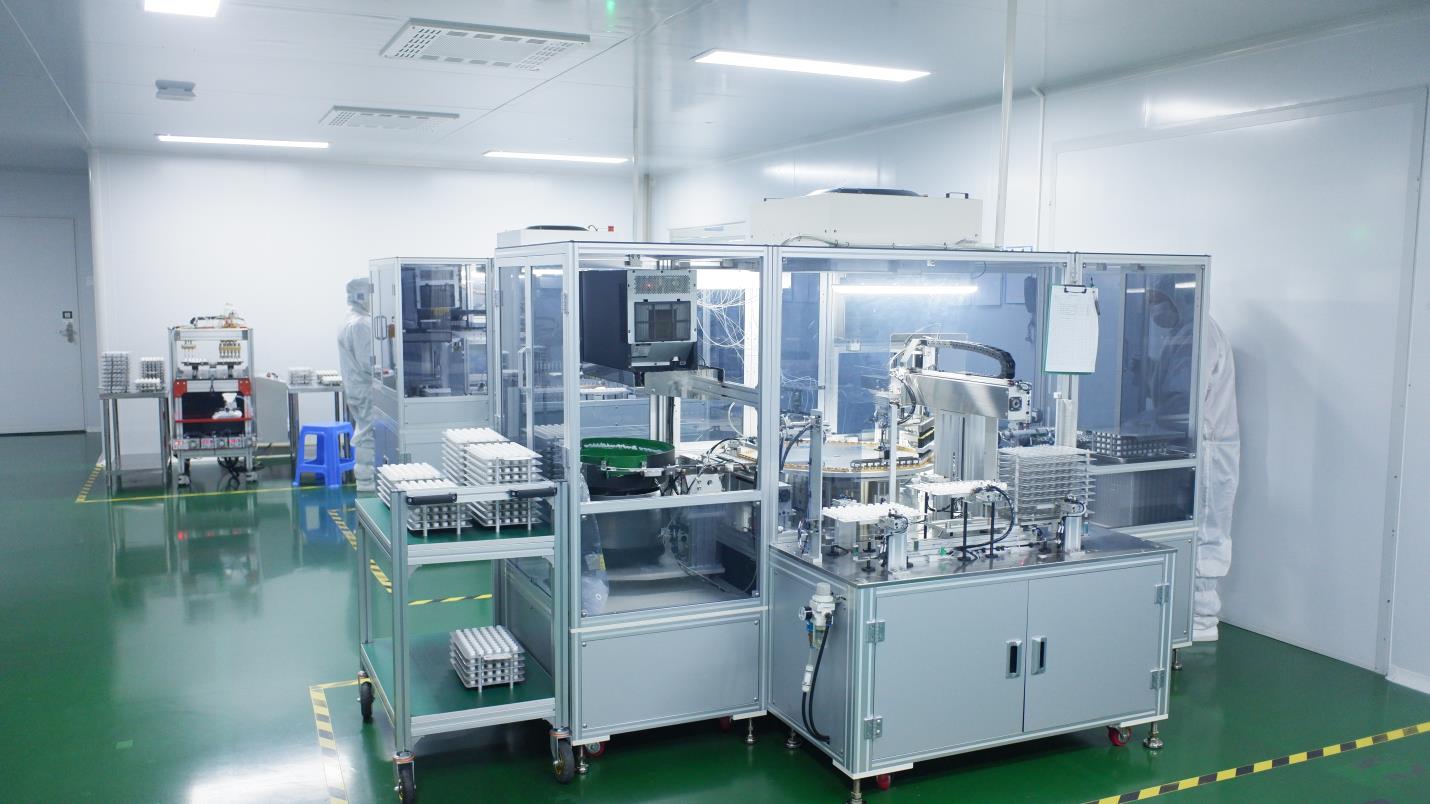
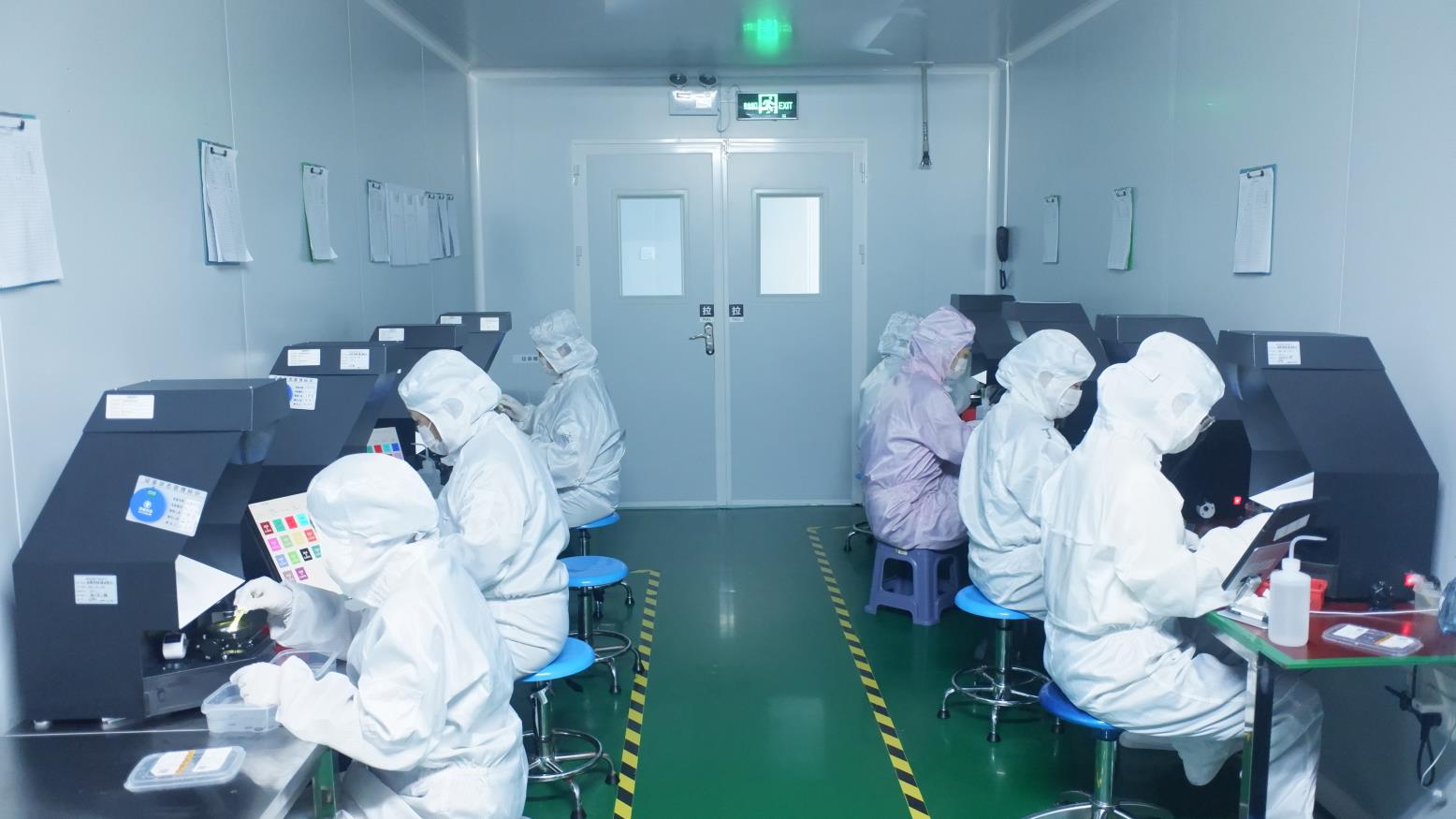
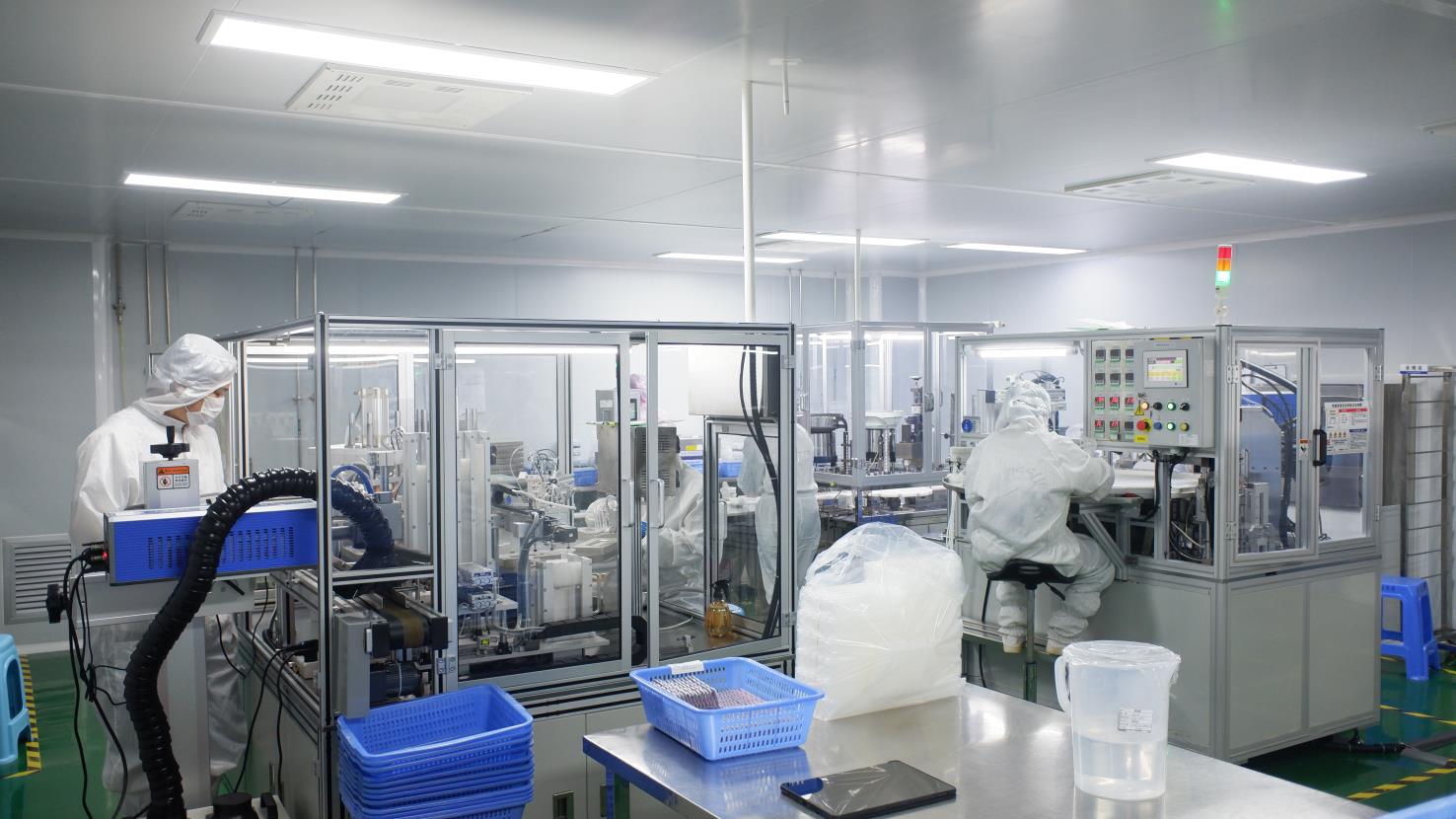
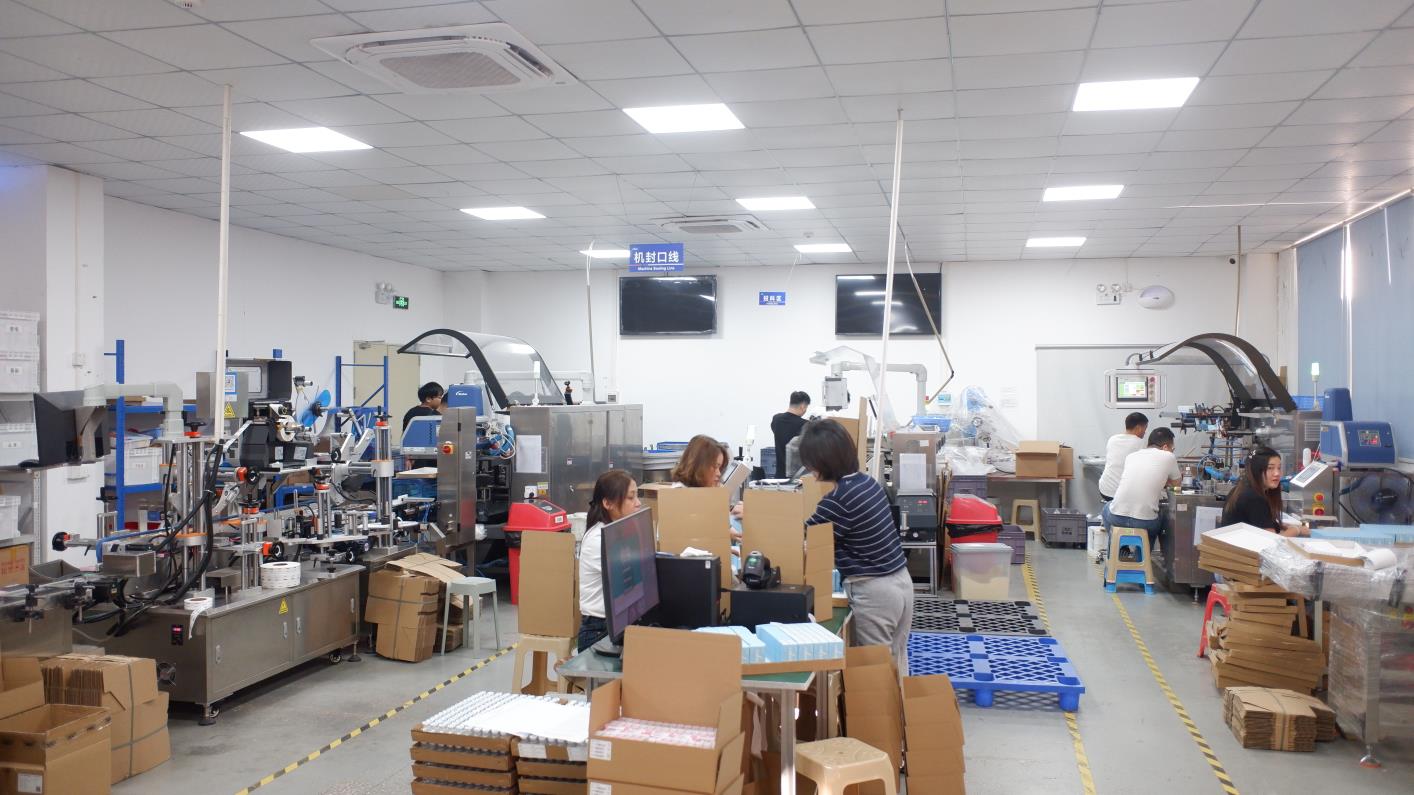
Distributors sourcing cosmetic and corrective lenses look for more than just raw manufacturing capabilities; they require comprehensive compliance support, consistent quality, and responsive supply chains. Shenzhen Mio Lenses Co., Ltd. addresses these market needs by integrating manufacturing and design services to support global supply operations.
For global brands, managing regulatory compliance across regional jurisdictions can be challenging. By maintaining alignment with international quality standards—including ISO 13485 certifications and CE declarations of conformity—we facilitate smoother importing procedures in European and Latin American markets.
From customized color designs and packaging options to regulatory documentation and ocean/air shipping logistics, we provide end-to-end B2B solutions to streamline your inventory management.
B2B buyers prioritizing reliability typically evaluate contact lens factories using key operational performance metrics:
Understanding regional aesthetic preferences and technological adaptations in colored contact lenses.
In East Asia, consumers prefer subtle design enhancements. Natural 3-tone blending and classic diameters (such as 14.2mm or 14.5mm) remain popular for creating a gentle iris-enlarging effect suitable for daily wear.
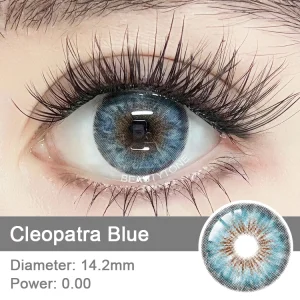
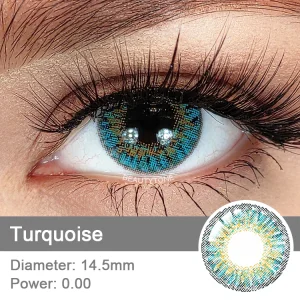
In North America and Europe, colored contact lenses are frequently worn as fashion accessories. Products like the Turquoise Eye Contact Lenses and Cleopatra Blue offer high opacity to style darker eyes.
Cosplay events, theatrical performances, and alternative fashion driving trends have increased interest in opaque colored lenses, requiring manufacturing processes that maintain comfort during long periods of wear.
Our high-opacity options deliver consistent coloration on both light and dark eyes.
Find direct answers to common queries regarding contact lens technology, manufacturing, safety standards, and procurement processes.
We utilize "sandwich color technology" in our manufacturing processes. Instead of applying dyes directly to the lens surfaces, we seal the pigment layer between two layers of clear hydrogel material. This prevents direct corneal contact with the pigments, reducing the risk of irritation or coloring migration during wear.
Our manufacturing facilities operate under ISO 13485 certification for medical device quality management systems. We also hold CE certificates that align with European Medical Device Regulation (MDR) standards, supporting importing compliance in global markets.
Minor Customization focuses on branding options, such as updating packaging layouts, blister foil prints, or catalog designs using existing lens styles. Drawing-based Customization involves creating custom printing matrices from digital designs to produce proprietary lens colorways.
Moisture retention and oxygen transmissibility are key factor in contact lens design. Our hydrogel polymers (HEMA/Polymacon) are formulated to balance water content with oxygen permeability, supporting eye hydration and lens comfort throughout the day.
Every batch of raw monomers is cataloged with barcode tracking. This material log links initial chemical synthesis through polymerization, hydration, visual inspection, and steam sterilization, providing traceability for every blister-packed lens.
Our lenses are packaged in sealed PP blister packs containing buffered saline solution, which are then autoclave-sterilized at 121°C. This packaging process maintains sterility and supports a shelf life of up to five years, provided the seal remains intact and stored away from direct sunlight.