Mio Lenses
Mio Lenses
Mio Lenses
Explore our elite selection of BeautyTone Allure contact lenses, featuring advanced hydrogel chemistry and optimized multi-tone pigment profiling for unmatched visual depth and comfortable wear.
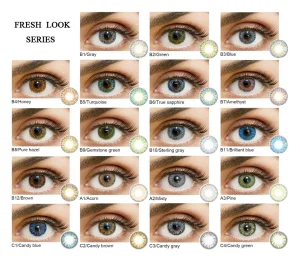
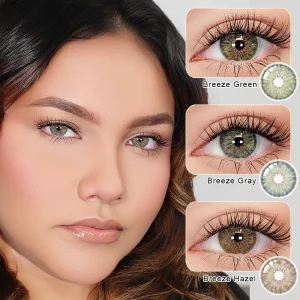
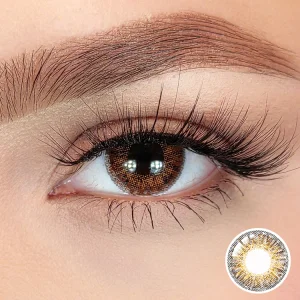
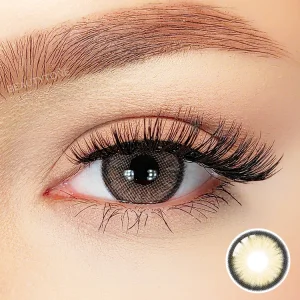
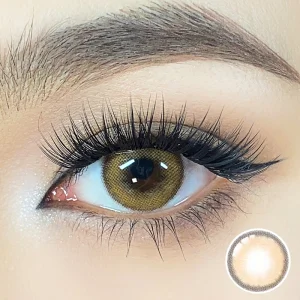
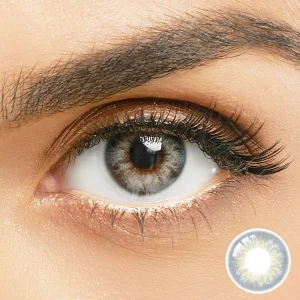
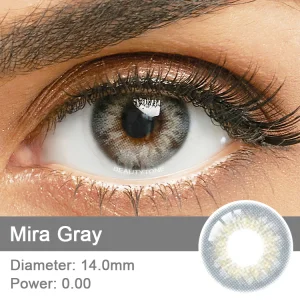
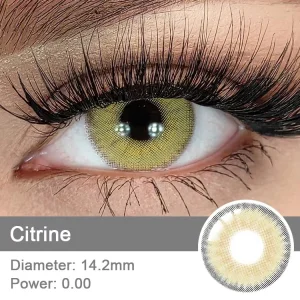
The cosmetic contact lens industry is undergoing a profound paradigm shift. What once was classified primarily as a corrective vision tool has evolved into a key sector of the global beauty and medical aesthetics industries. Driven by innovations in pigment formulation, oxygen transmissibility, and geometric design, consumer behavior has shifted from functional demand toward aesthetic, lifestyle-oriented purchases. The rise of BeautyTone Allure as a benchmark formulation demonstrates how modern manufacturing can address complex visual preferences while adhering strictly to ophthalmic safety protocols.
According to market data, the global cosmetic contact lens market is projected to reach several billion dollars by 2030, maintaining a robust Compound Annual Growth Rate (CAGR). High demand in regions such as East Asia, Western Europe, and North America is steering manufacturers toward customizable options. Brands now require agile suppliers who can navigate regional ophthalmic regulations while offering unique colors and pupil profiles. This market dynamic makes choosing a reliable manufacturing partner critical for sustainable business growth.
Flexible manufacturing solutions tailored to fast-fashion color trends, allowing brands to launch test collections with minimum barrier to entry.
Translate hand-drawn concepts, precise vectors, or complex iris patterns into structural polymers with high fidelity color calibration.
Every product batch satisfies European Union conformity standards, providing cross-border regulatory reassurance for global distributors.
Rigorous verification paths for every monomer and dye agent used, ensuring bio-compatible materials meet high safety criteria.
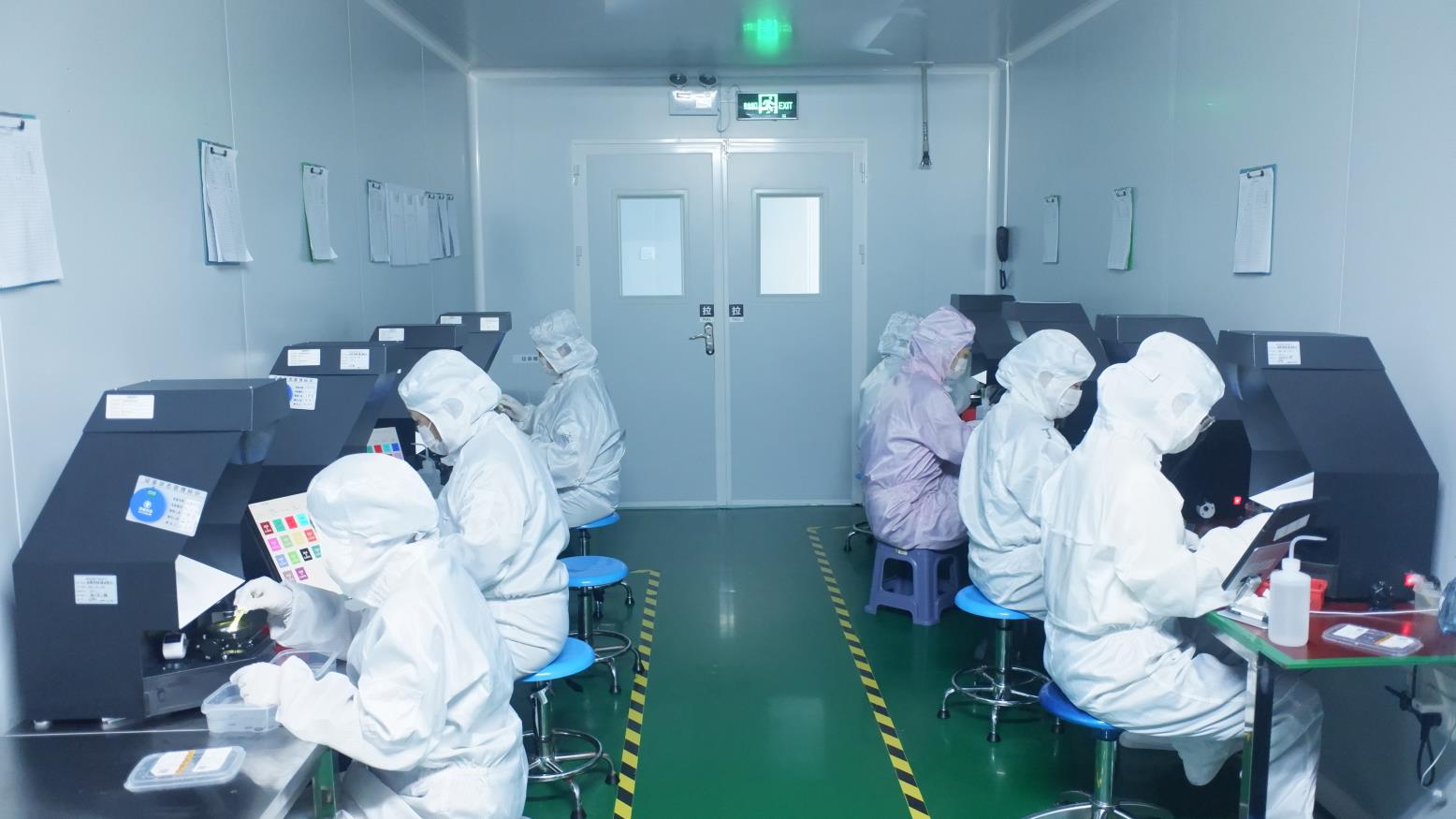
Every lens undergoes visual and mechanical inspections, ensuring correct power accuracy, surface smoothness, and optical clarity.
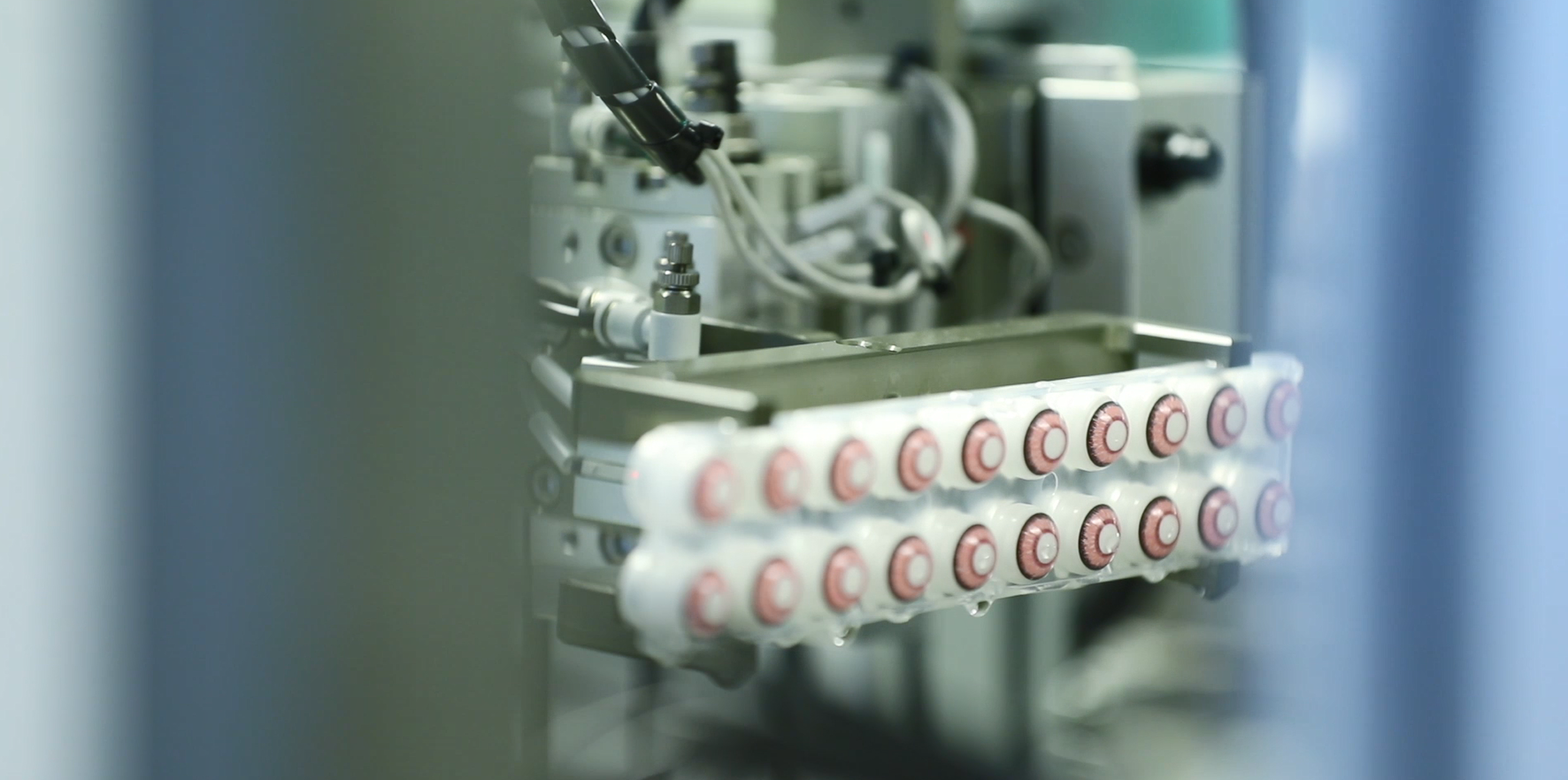
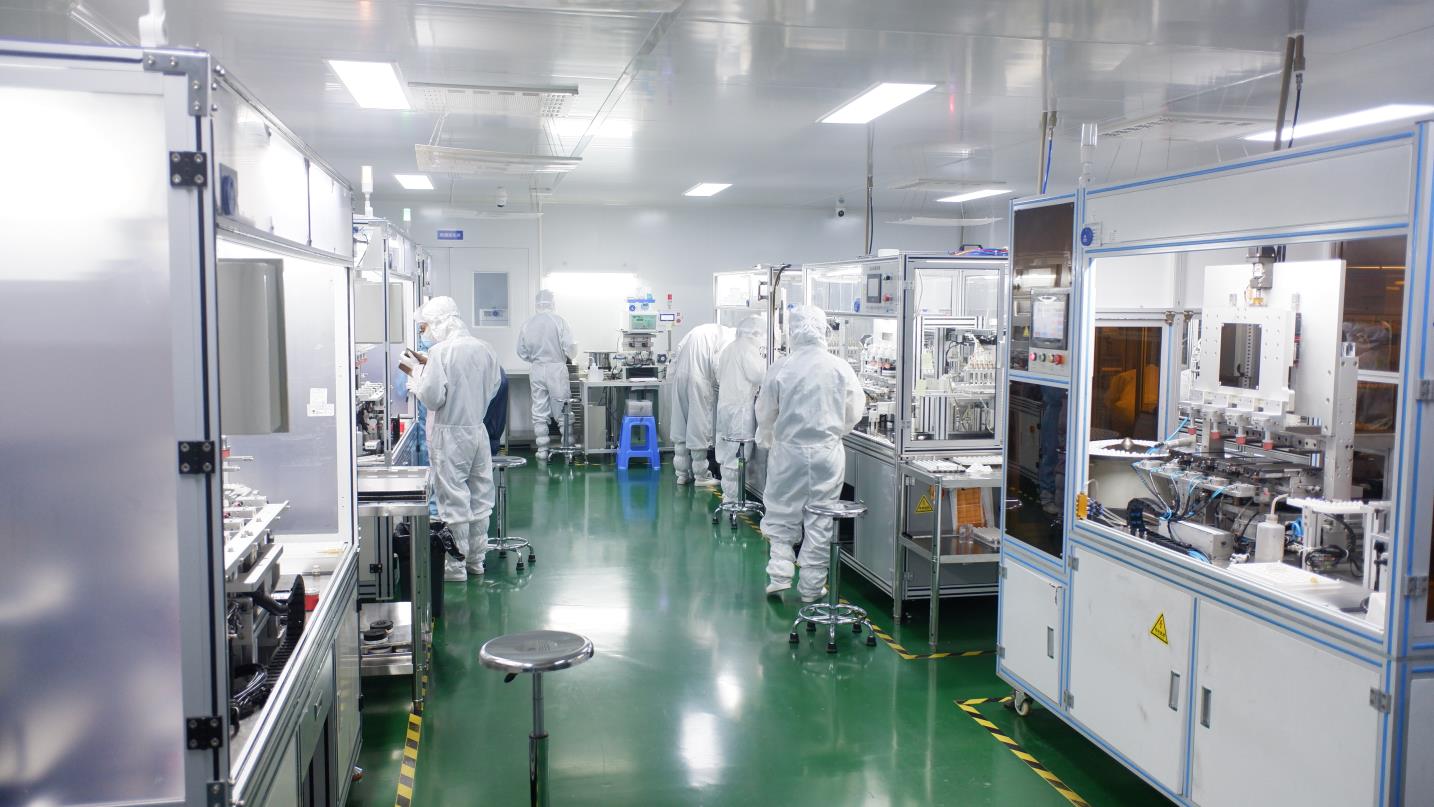
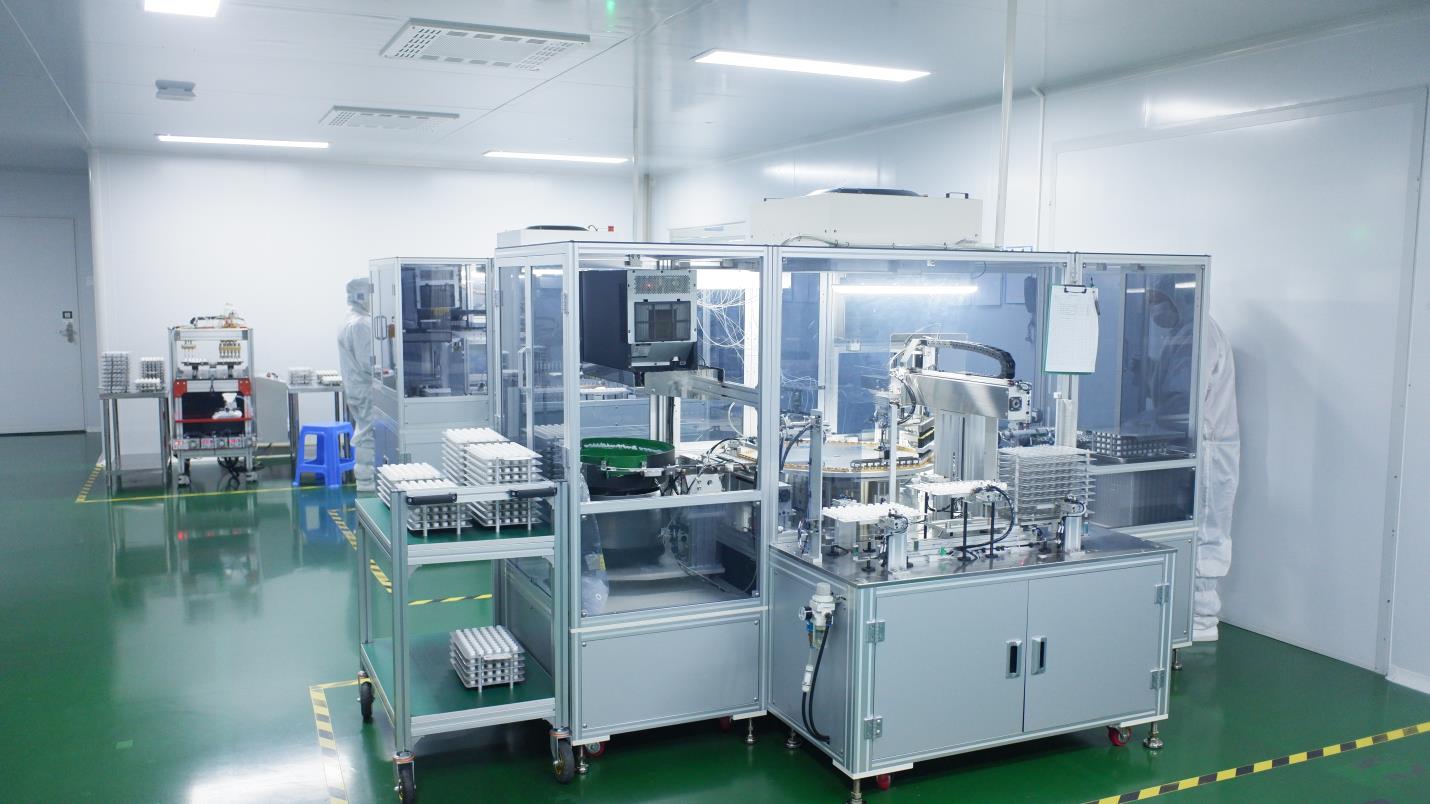
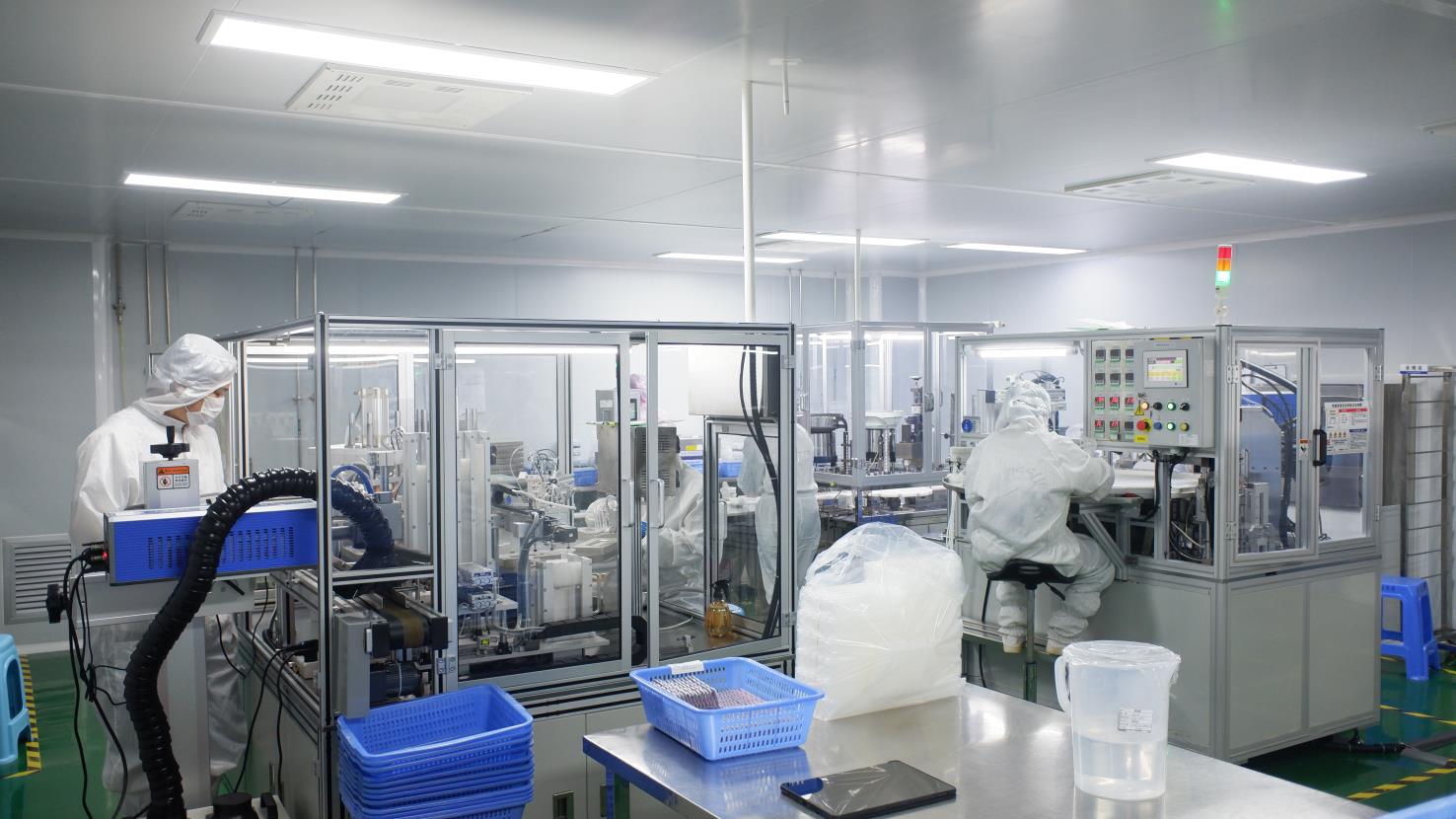
At the core of the BeautyTone Allure product ecosystem is Shenzhen Mio Lenses Co., Ltd., an established manufacturer of soft contact lenses. Operating advanced cleanroom facilities and utilizing high-precision cast-molding systems, the company bridges aesthetic trends and medical-grade manufacturing. Mio Lenses produces eye products designed for high oxygen transmissibility and comfort during extended wear.
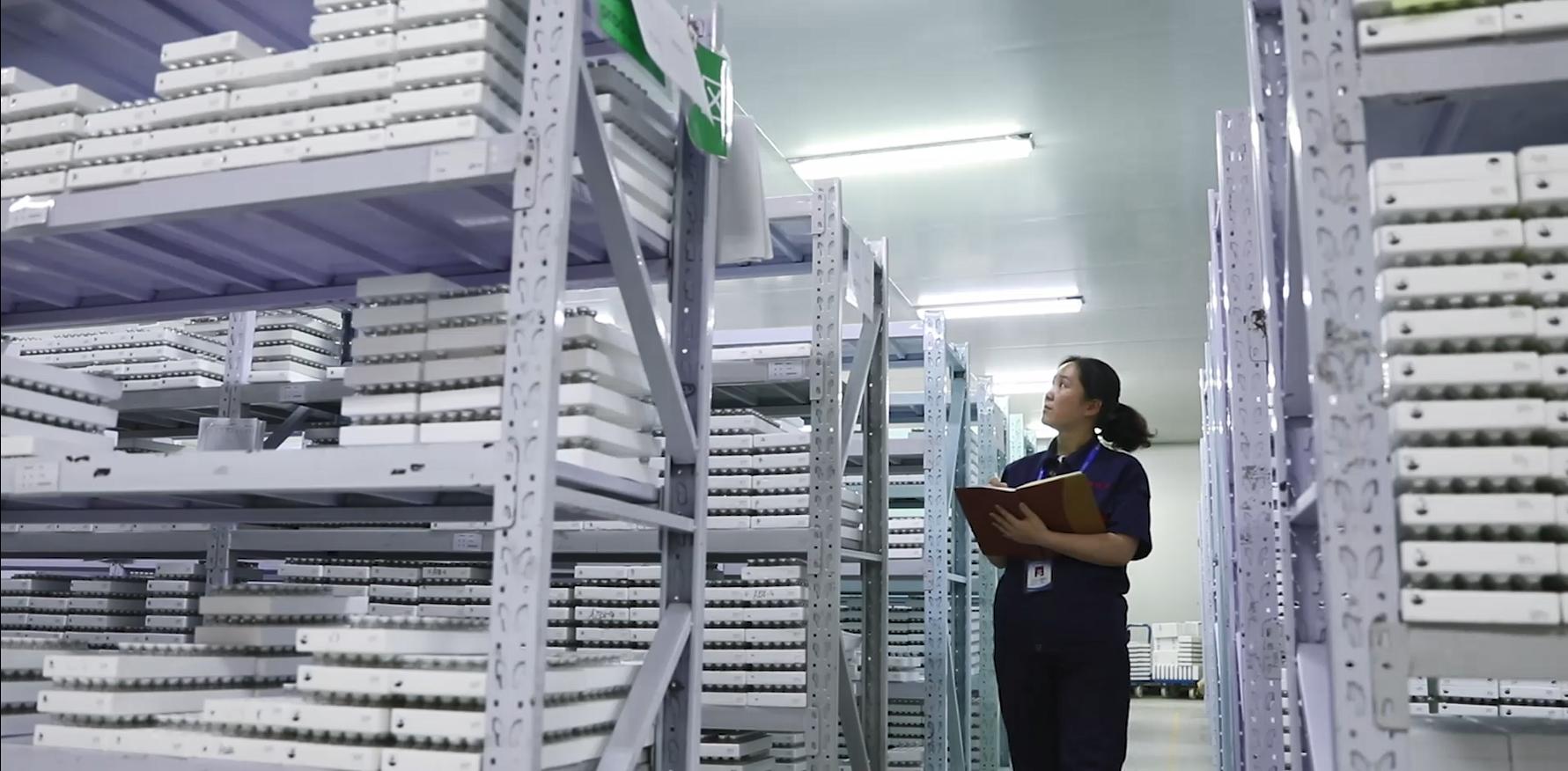
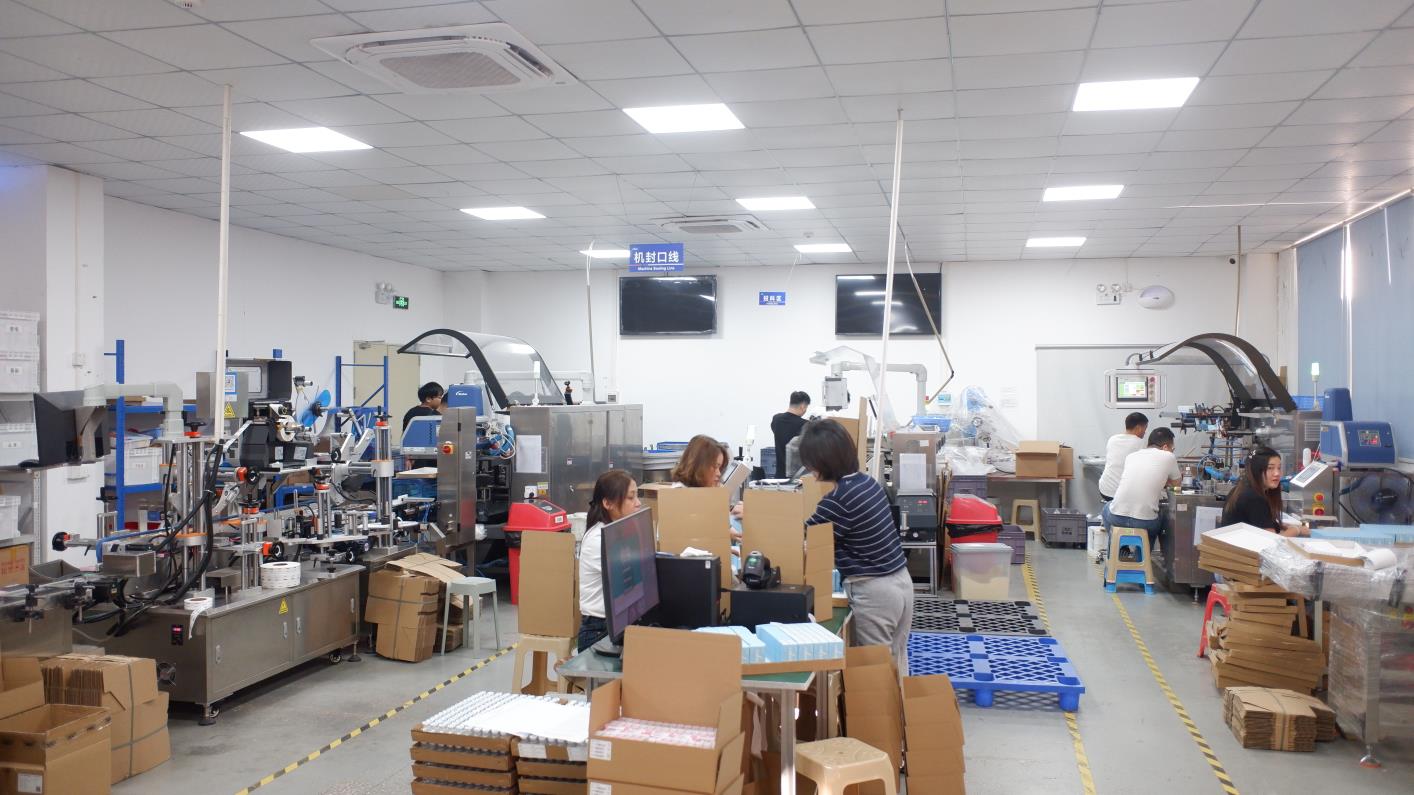
By implementing a multi-stage Quality Assurance framework, Shenzhen Mio Lenses Co., Ltd. ensures that the manufacturing process is traceable, starting from monomers to the final blister packaging. With cleanrooms built to international standards, the production line handles custom design work, bulk manufacturing, and sterile packaging under controlled environmental conditions.
Cosmetic contact lenses require a balance of safety, oxygen permeability, and aesthetics. The technical development of BeautyTone Allure focuses on three key areas:
Historically, colored lenses presented risks of dye leakage or corneal friction. BeautyTone Allure utilizes sandwich-printing tech. The pigment layer is encapsulated between layers of Hydrogel, ensuring the dye never directly touches the cornea or the palpebral conjunctiva.
Traditional Hydrogel lenses provide water-mediated oxygen transmissibility. The next step on our technical roadmap is the broader integration of Silicone Hydrogels (SiHy). This polymer matrix increases oxygen flow (Dk/t) directly to the cornea, supporting eye health during longer wear cycles.
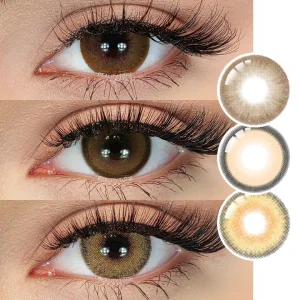
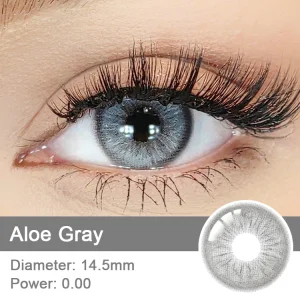
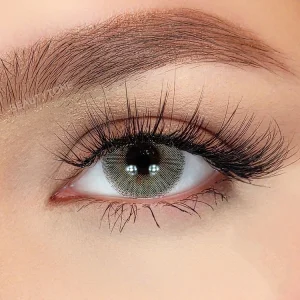
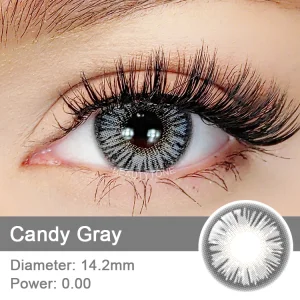
Using drawing-based customization, engineers model the subtle gradations of the human iris. Our updated printing array applies varying droplet sizes (down to picoliter scale) to replicate natural patterns like those found in the Breeze Gray and Mira Gray collections, avoiding blocky, artificial visual results.
The production of contact lenses requires specialized chemical precursors, precision molds, optical inspection technology, and sterile packaging. Shenzhen Mio Lenses Co., Ltd. benefits from South China's industrial ecosystem, ensuring reliable logistics and material sourcing.
Unlike fragmented manufacturers, our facility integrates vertical supply chain steps under one roof. Our operations manage raw material sourcing, optical molding, inspection, and high-speed packaging. This reduces delays and stabilizes pricing for our distributors, even during volatile shipping periods. Additionally, proximity to global shipping ports in Shenzhen and Hong Kong accelerates air and sea transit times.
Cosmetic lens preferences vary across regions. Our customization options allow brands to tailor products to specific market segments:
Contact lenses are classified as medical devices because they sit directly on the cornea. Regulatory compliance is key to protecting user health and ensuring business continuity. Shenzhen Mio Lenses Co., Ltd. operates in accordance with standard medical manufacturing requirements:
Our quality system includes raw material identification, in-process checking, and final inspections. Chemical raw materials are verified for purity and composition before production. During casting, high-resolution cameras check lenses for microscopic tears or bubbles. Finally, lenses undergo sterilization autoclaving to maintain safety for the end-user.
Technical and regulatory answers for contact lens distributors and brand managers.
A: Every batch of color pigments undergoes strict extraction testing to ensure dyes cannot migrate out of the polymer. The color matrix is encapsulated within hydrogel layers, preventing direct contact with ocular tissue.
A: The default water content for our yearly lenses is set between 38% and 42%. This range balances physical durability, shape retention, and comfort throughout the day.
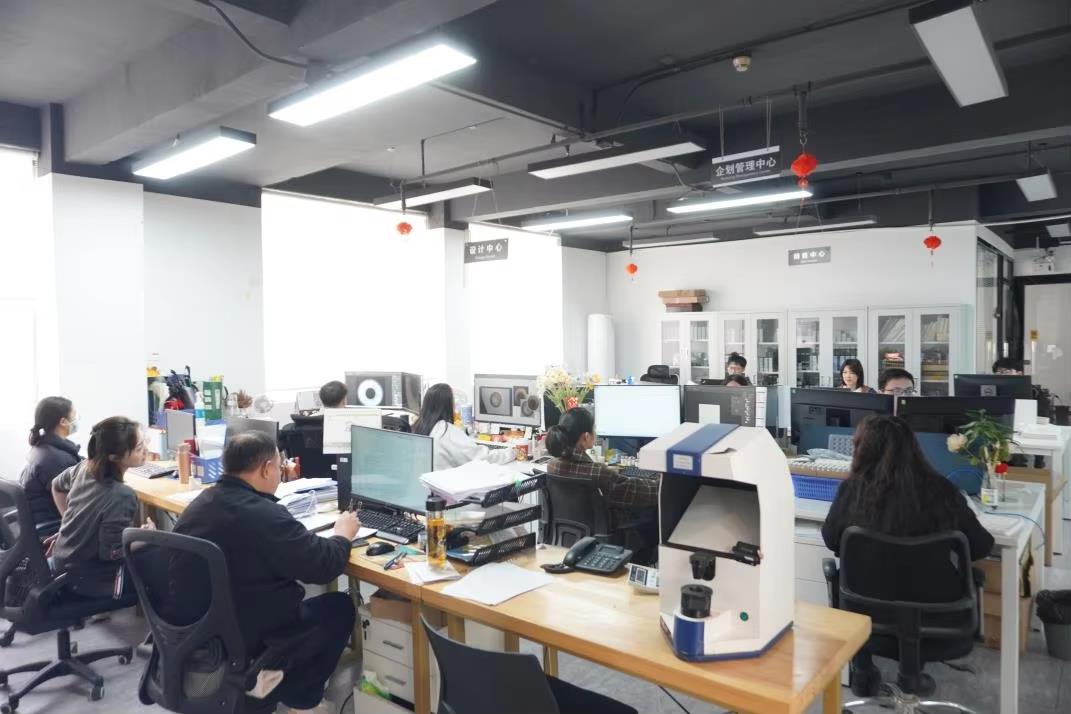
A: Clients submit digital artwork files (high-resolution raster or vector designs). Our design team converts these files into printing templates, adjusting dot density to fit the curve of the lens matrix.
A: Yes, Shenzhen Mio Lenses Co., Ltd. holds CE certification, meeting the requirements for medical devices sold within the European Economic Area.
A: Standard OEM orders are usually completed in 25 to 40 days, depending on customization complexity and packaging requirements. This timeline includes molding, hydration, sterilizing, and quality control.
A: Yes. We offer power configurations from 0.00D (non-prescription) down to -8.00D or higher, allowing brands to cater to both cosmetic and vision correction users.
A: Each lens is sealed in a buffered saline solution within a polypropylene blister pack, followed by high-pressure steam sterilization to ensure it remains aseptic.
A: We keep detailed records of all raw material batches, linking them to production lot numbers. This ensures clear traceability from chemical suppliers to the final boxed product.
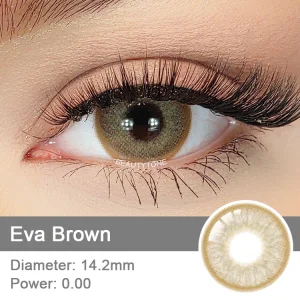
A: Yes, we can adjust tooling parameters to match specific base curves (typically 8.5mm to 8.7mm) and overall lens diameters (14.0mm to 14.5mm) based on client request.
A: The yearly contact lenses are designed for daily wear with proper cleaning. We recommend a daily wear time of no more than 8 consecutive hours, followed by proper lens cleaning and storage.
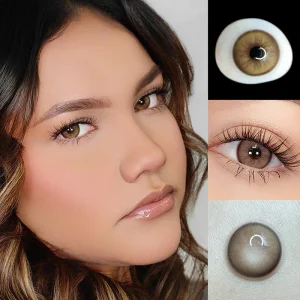
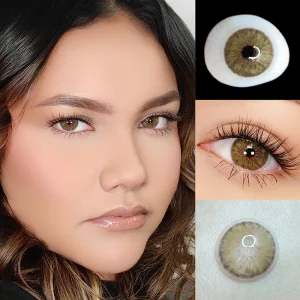
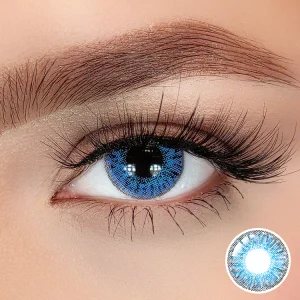
Discover more design options, from natural olive tones to vibrant blues, engineered to deliver reliable comfort and aesthetic depth.