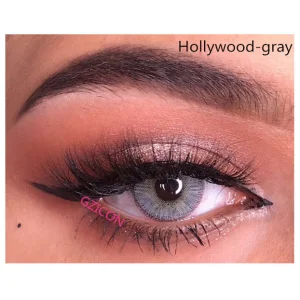
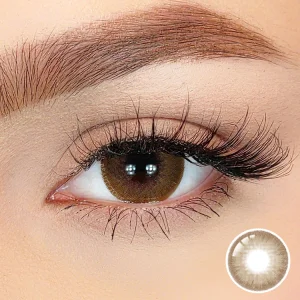
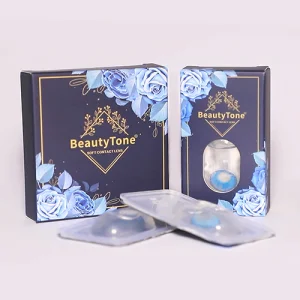
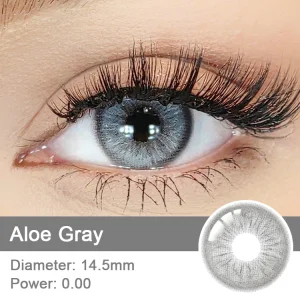
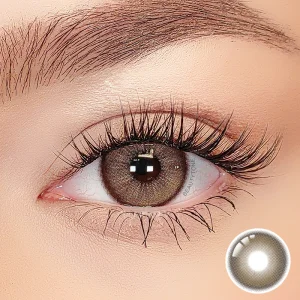
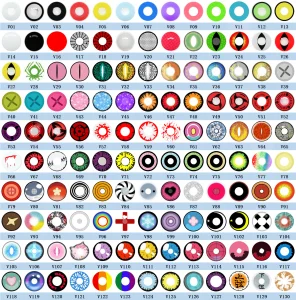
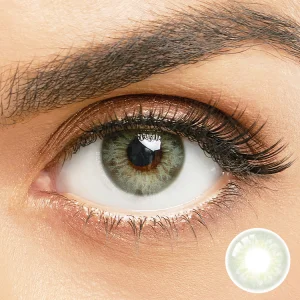
Mio Lenses
Mio Lenses
Mio Lenses
Direct access to the flagship yearly, monthly, and prescription-grade soft contact lenses engineered with advanced dual-tone and three-tone micro-coloration technology.
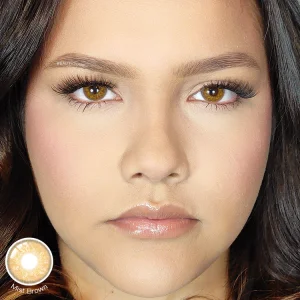
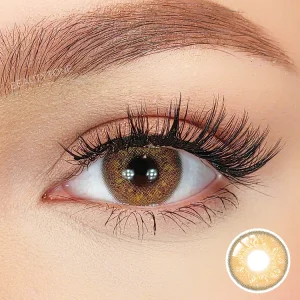
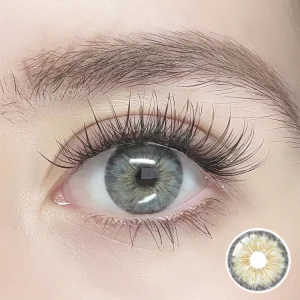
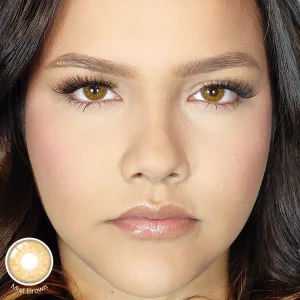
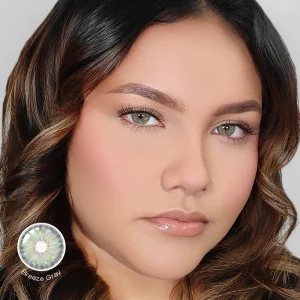
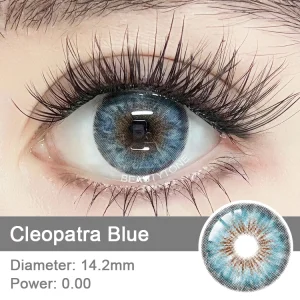
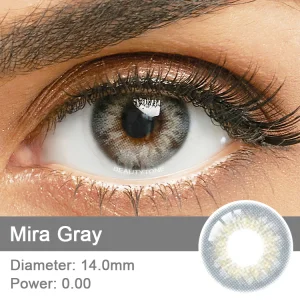
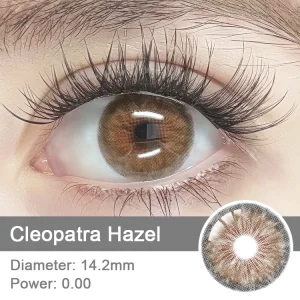
In the rapidly changing ophthalmic and cosmetic markets, BeautyTone Flare contact lenses represent a major technological shift. What started as simple novelty lenses has evolved into a multi-billion dollar category of precision ocular medical devices. Modern cosmetic contact lenses combine optical correction, biocompatibility, and complex aesthetic structures. Today's global distributors require a deep understanding of polymer materials, moisture retention technologies, and regional health regulations.
According to recent market analyses, the global color contact lens market is projected to reach USD 9.2 billion by 2030, growing at a CAGR of 8.4%. The primary driver is the rising demand for natural-looking lenses that enhance the eyes without sacrificing safety. The BeautyTone Flare design uses a unique micro-dot printing pattern that blends with the natural iris pattern. This creates a realistic look that appeals to consumers in North America, Europe, Asia-Pacific, and Latin America.
Procuring optical medical devices at scale requires looking closely at material science, regulatory compliance, and manufacturing precision. Below are the key technical standards that global B2B buyers must evaluate.
Modern soft cosmetic lenses require a high oxygen transmission rate to prevent corneal hypoxia. Leading factories use Silicone Hydrogel and highly purified HEMA (Hydroxyethylmethacrylate) copolymers to maintain corneal health during long wear times.
To prevent pigment leaching, color contact lenses must be manufactured using sandwich technology. This process encapsulates the color layer between two thin, transparent layers of hydrogel material, ensuring the dye never touches the eye surface.
Maintaining water content (typically between 38% and 42% for yearly lenses) requires stable polymers. Advanced factories integrate wetting agents like Sodium Hyaluronate into the lens matrix, reducing dryness and friction throughout the day.
An industry leader in cosmetic and corrective contact lens manufacturing, specializing in OEM/ODM services, compliance, and custom design capabilities.
Shenzhen Mio Lenses Co., Ltd. is a leading contract manufacturer of custom contact lenses. The company provides design and manufacturing services for brands worldwide. By combining advanced polymer chemistry with high-precision molding equipment, they deliver products that meet strict global medical standards.
Their production capabilities range from custom prototype designs to high-volume manufacturing. This makes them a key partner for brands seeking reliable OEM production. Their advanced facilities ensure consistent print quality and material stability.
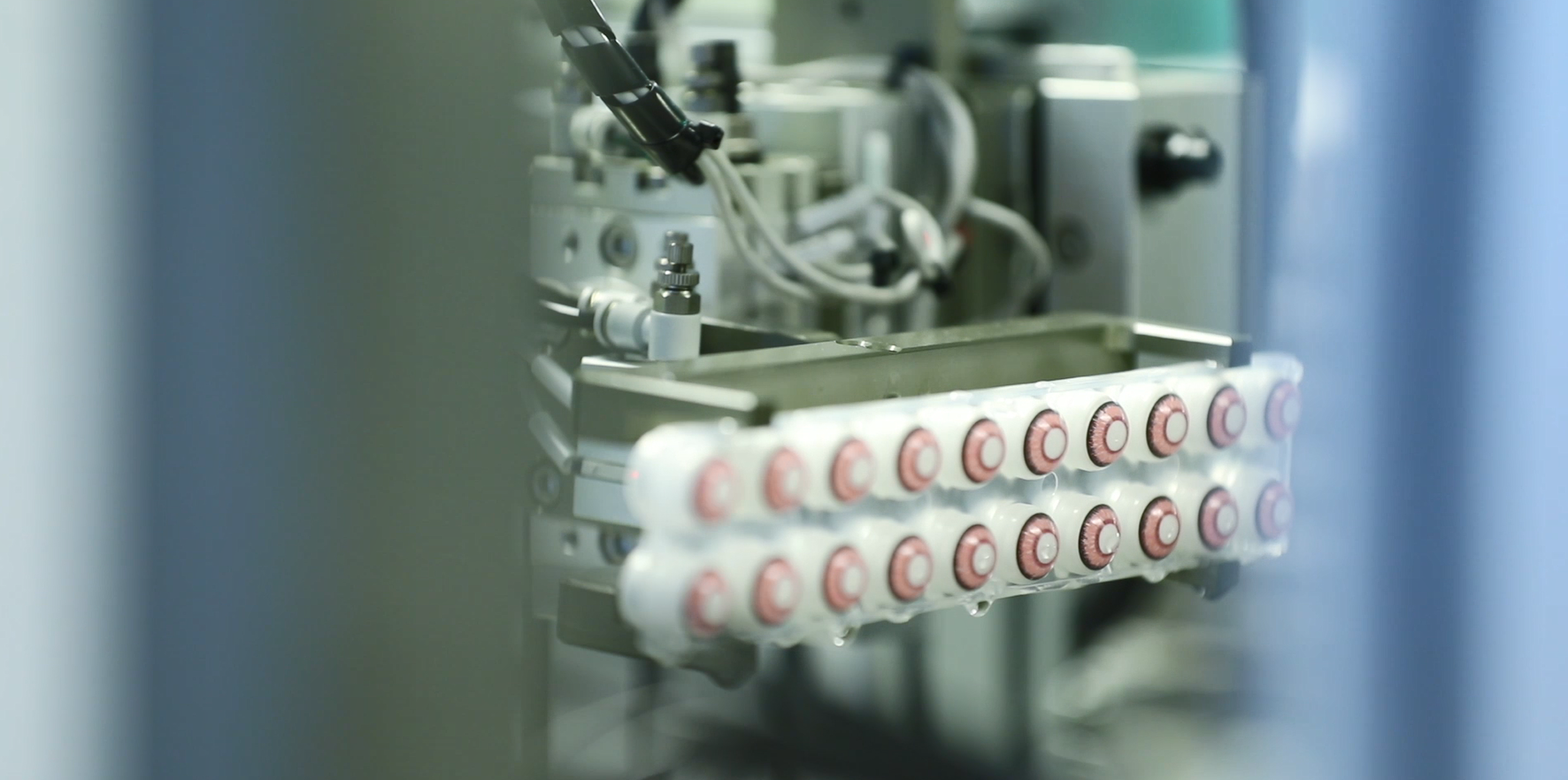
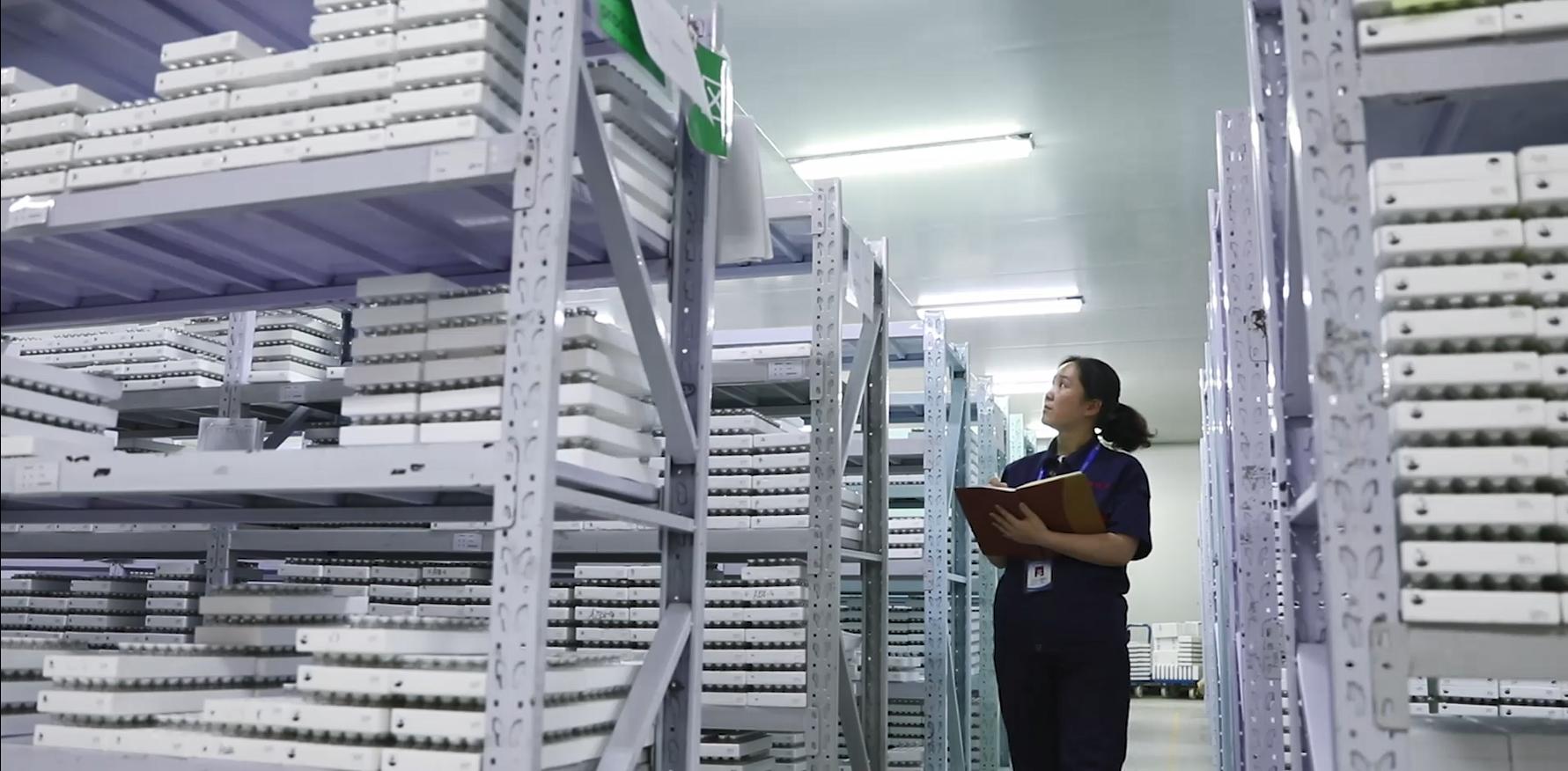
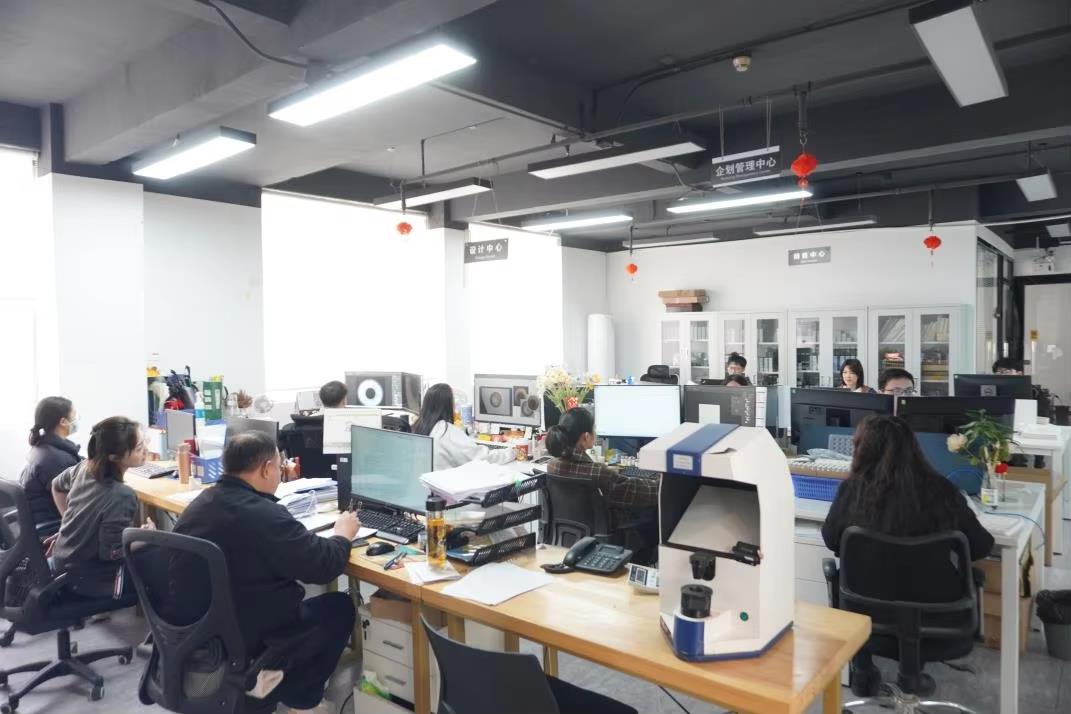
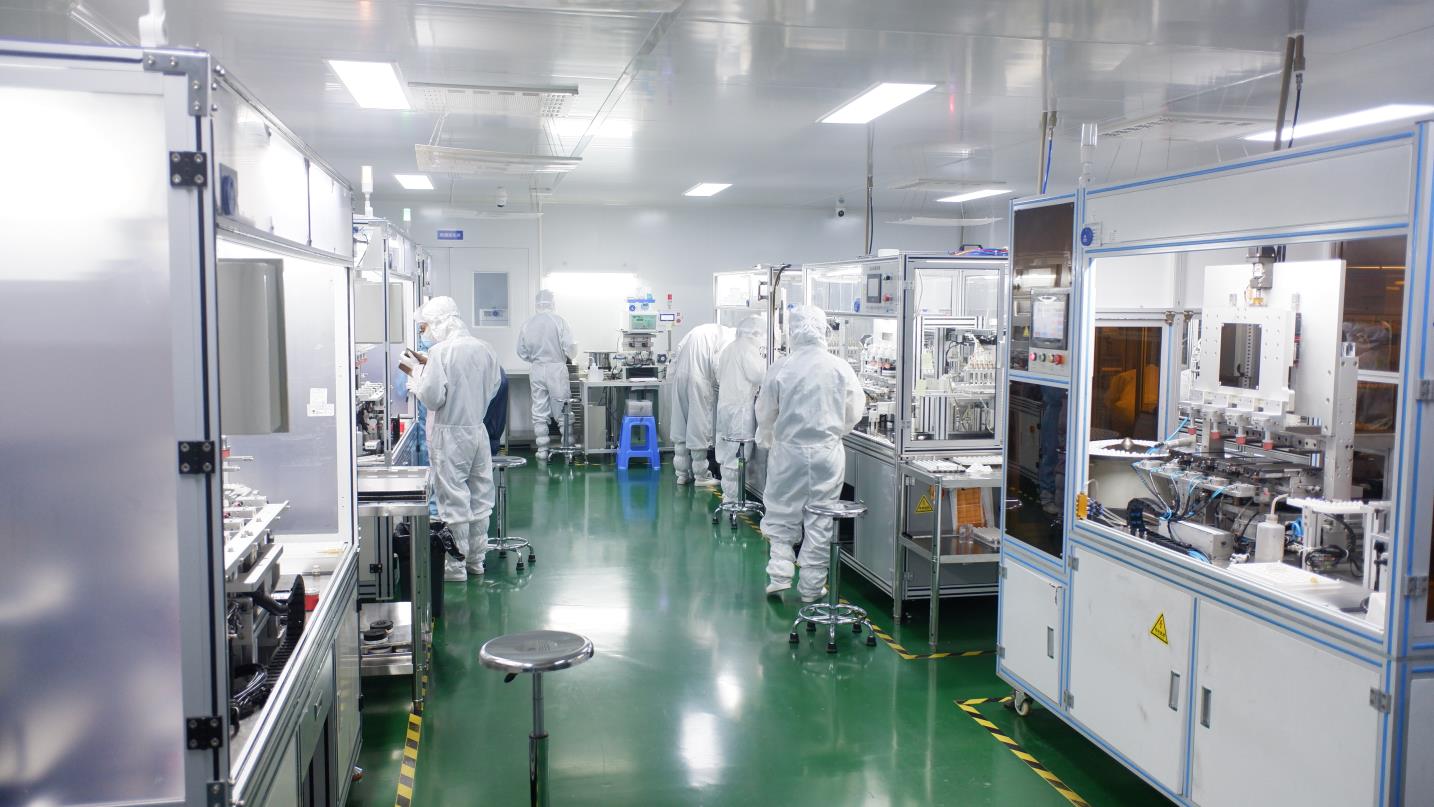
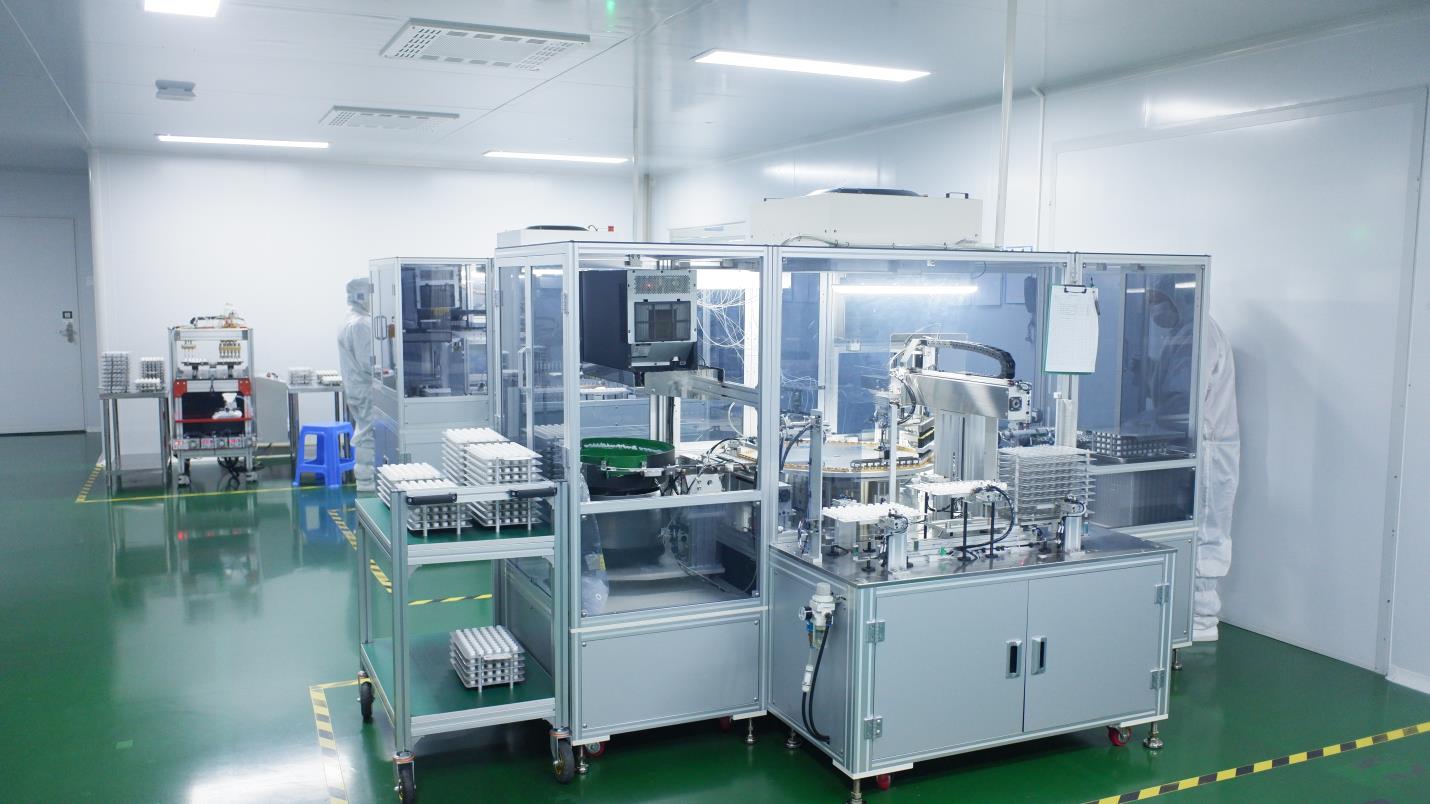
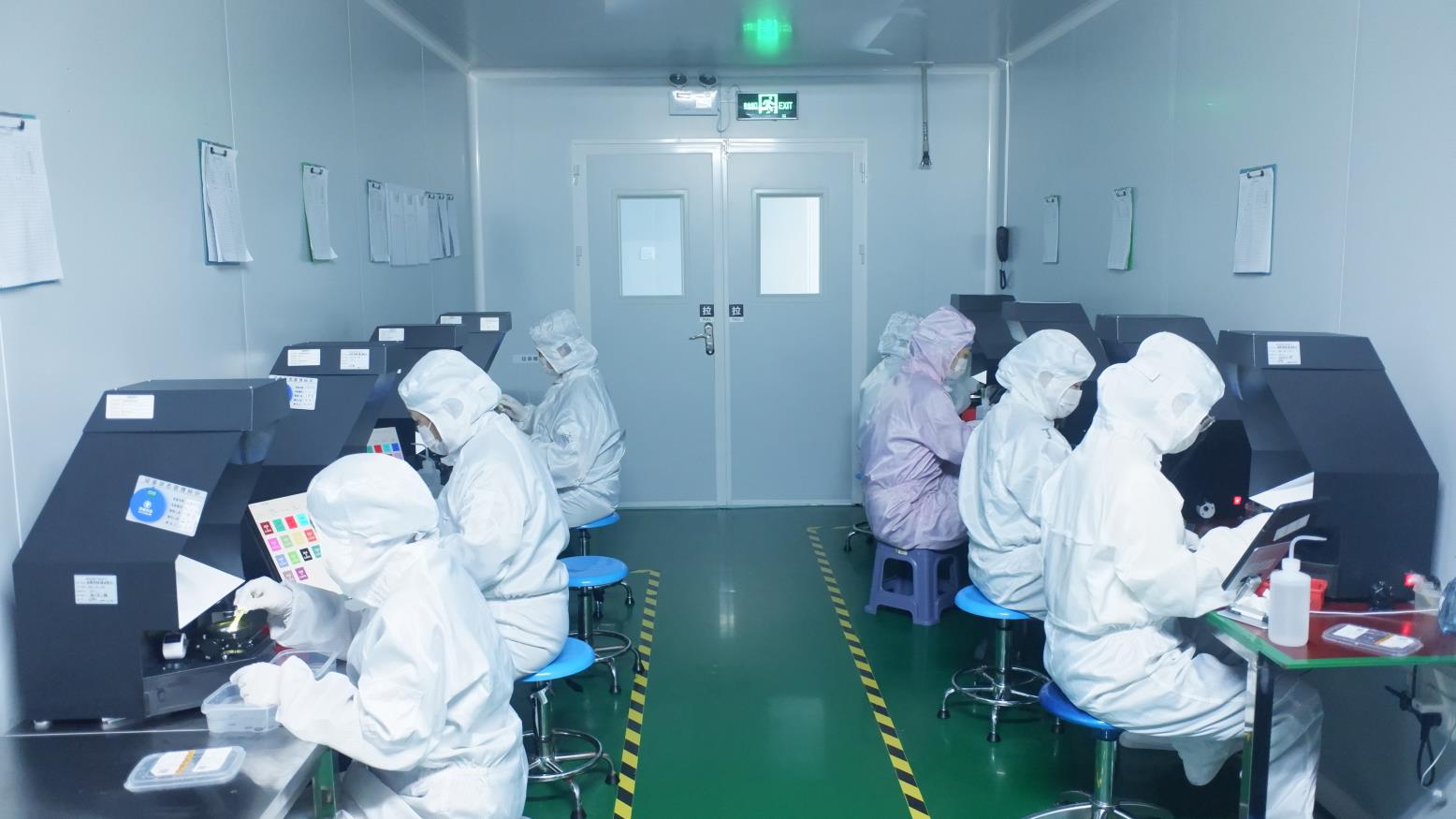
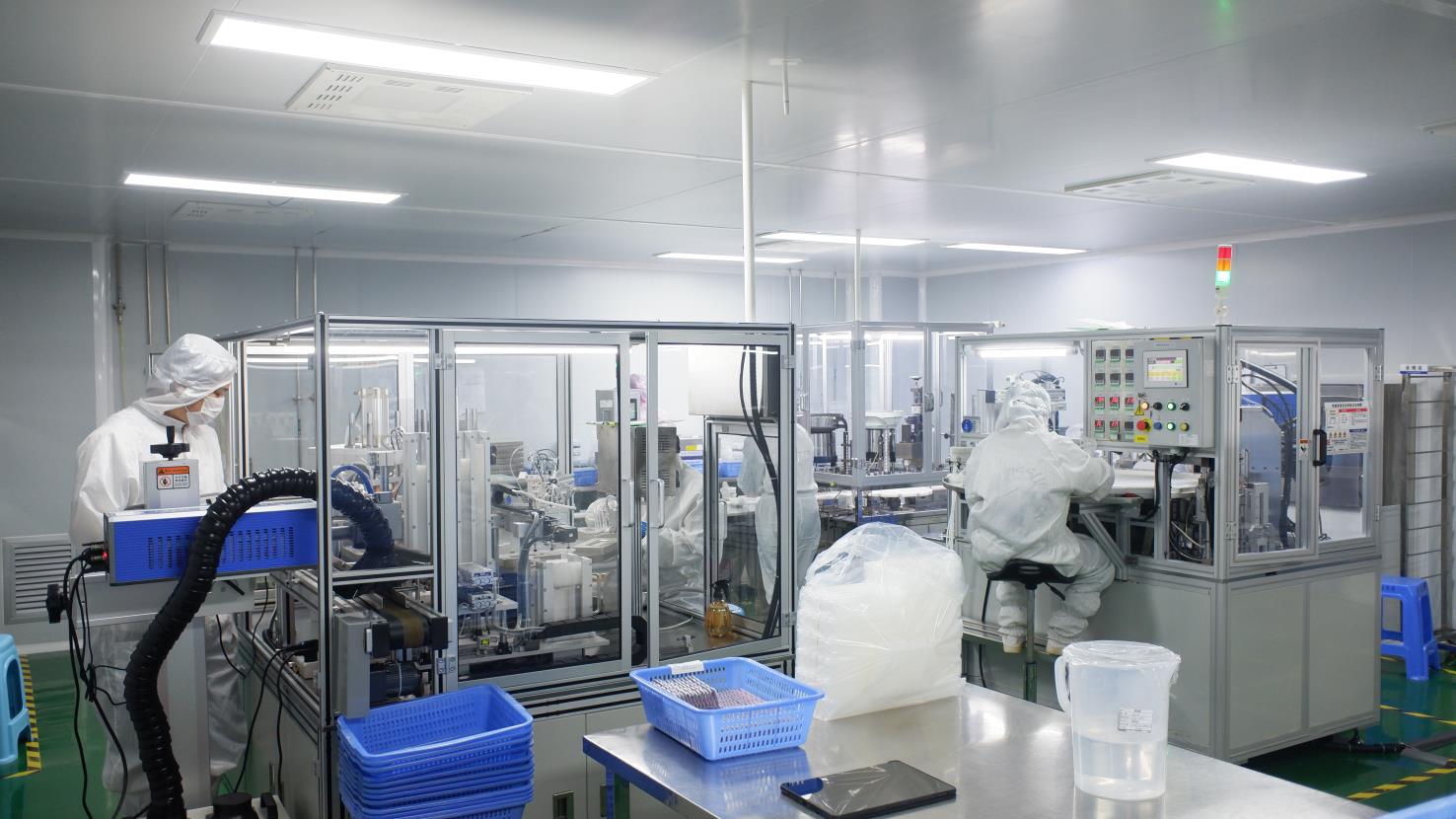
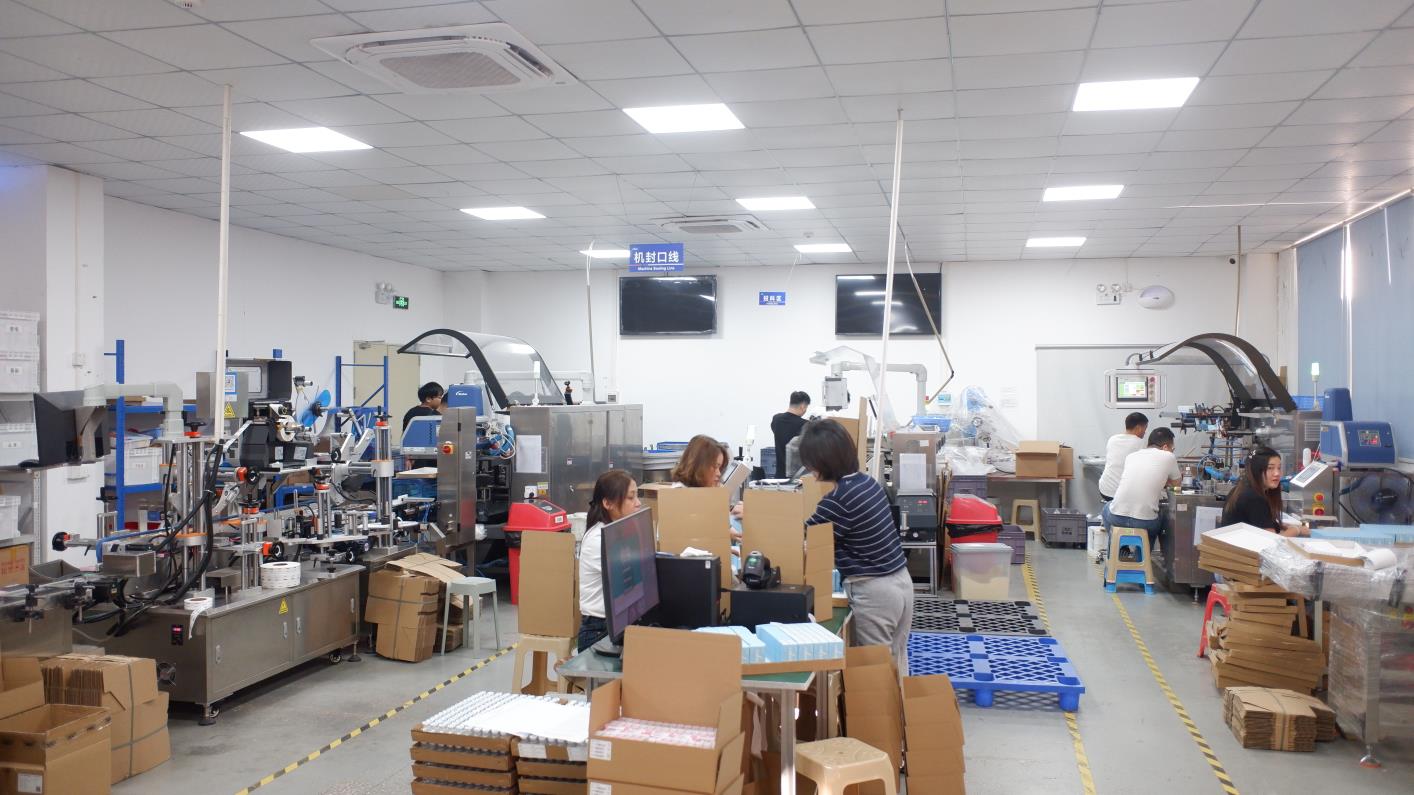
Producing color contact lenses requires strict cleanroom standards. Cleanrooms must meet ISO Class 7 or Class 8 standards (equivalent to Class 10,000 or 100,000) to keep airborne particles from contaminating the lenses during monomer injection, curing, and hydration.
The manufacturing process uses two main techniques: cast molding and lathe cutting. Cast molding is ideal for high-volume production of daily and monthly disposable lenses. In this process, liquid polymer is injected into a precision mold and cured under UV light or heat. Lathe cutting is used for custom prescriptions and yearly lenses, where a polymer rod is cut and polished to the target parameters. For both methods, advanced factories use coordinate measuring machines and digital optical analyzers to check base curve, diameter, power, and surface roughness.
High-speed production systems inject raw monomer into dry molds, controlling humidity and temperature to prevent microscopic bubbles or optical distortion in the lens matrix.
Using medical-grade pigments, computer-controlled pads print the complex BeautyTone design onto the mold before monomer injection. This integrates the design directly into the lens structure.
To remove unreacted monomers and impurities, lenses undergo extraction using heated, purified water and organic solvents, making the final product safe and biocompatible.
Global B2B procurement managers use a structured evaluation matrix when selecting contact lens manufacturers. Evaluating a factory goes beyond checking unit prices; it requires auditing quality management, capacity, regulatory certifications, and customization support.
Ensure the factory holds active medical device registrations and ISO 13485 quality system certifications. This is essential for smooth customs clearance and regulatory approval in key markets.
Look for manufacturers offering comprehensive customization, including custom packaging boxes, blister foils, and private label design. This helps you build strong brand identity in local markets.
Ensure the facility has automated casting lines that can scale up production quickly. Consistent lead times help brands avoid inventory shortages during peak retail seasons.
Color variations between batches can hurt a brand's reputation. Work with factories using automated printing equipment to ensure consistent color and pattern alignment.
Contact lenses are classified as Class II or Class III medical devices depending on the region. In the European Union, they are governed by the Medical Device Regulation (MDR 2017/745), which requires clinical evaluation and rigorous quality audits. In the United States, they are regulated by the FDA, requiring a 510(k) premarket notification for cosmetic contact lenses.
To prevent shipping damage, logistics must maintain stable conditions. Variations in temperature can compromise the sterile saline solution inside the packaging. Manufacturers like Shenzhen Mio Lenses ensure their packaging is designed to withstand altitude-related pressure changes during air freight. This keeps the blister packs sealed and sterile during transport.
Modern lens design is shifting toward smart capabilities and highly sustainable manufacturing processes.
Development is focused on high-oxygen silicone hydrogels with lower modulus. These materials combine excellent oxygen permeability with the softness of traditional HEMA lenses.
Future color lenses will increasingly integrate blue-light and UV blocking features directly into the polymer, protecting eyes from digital screens while maintaining color clarity.
Leading factories are adopting water-saving hydration processes, recyclable monomer molds, and biodegradable packaging to reduce the environmental impact of daily disposable lenses.
Common technical and regulatory questions for distributors, importers, and ophthalmic brands sourcing color contact lenses.
Explore our collection of custom packaging options, cosmetic natural-look contacts, and special-edition cosmetic lenses.