Mio Lenses
Mio Lenses
Mio Lenses
Explore our top-tier cosmetic lens solutions designed for optimal hydration, stunning color reproduction, and absolute corneal comfort.
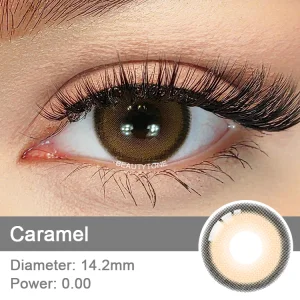
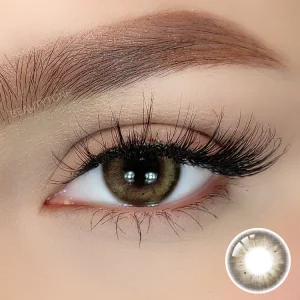
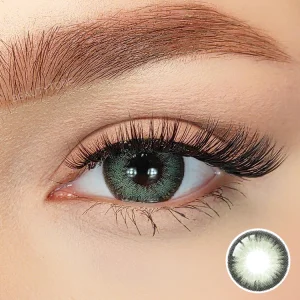
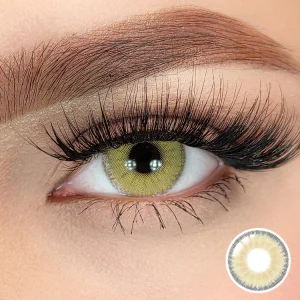
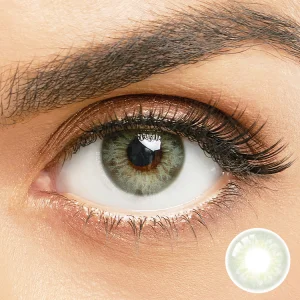
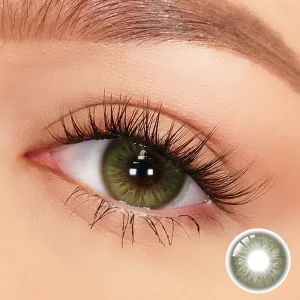
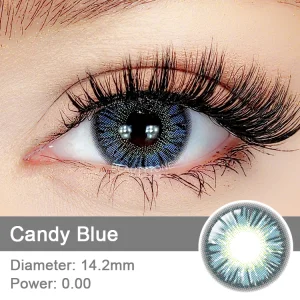
Cosmetic soft contact lenses are no longer classified merely as aesthetic products. Today, regulatory bodies such as the European Medicines Agency (under MDR guidelines) and the United States FDA classify them as Class II or Class III medical devices. This regulatory evolution demands that manufacturers focus intensely on the structural integrity, oxygen permeability (Dk/t), and biocompatibility of hydrogel matrices.
In the development of the BeautyTone Vivid series, our research team prioritized cornea health. The human cornea is an avascular tissue that relies entirely on atmospheric oxygen to maintain metabolic function and prevent edema. By incorporating modern polymer networks (such as HEMA co-polymerized with hydrophilic monomers), we achieve optimal oxygen flow while maintaining structural stability and resistance to protein deposition.
"Modern color contact lenses must perform two distinct functions simultaneously: they must project vivid pigment patterns while remaining virtually invisible to the eye’s natural respiratory processes."
— Dr. Henry Chen, Chief Material Science Director, Shenzhen Mio Lenses Research Lab.
How B2B procurement strategies are shifting to meet the demands of gen-Z consumers and medical safety standards.
Consumers now demand absolute protection against chemical migration. Modern premium lenses utilize "sandwich printing methods" where pigment layers are fully sealed inside the inner polymer core, ensuring no colorant comes into direct contact with the iris or tarsal conjunctiva.
With tightening international medical policies, medical-grade traceability is mandatory. Importers look for partners possessing comprehensive CE certificates, ISO 13485 quality system standards, and verifiable material safety sheets (MSDS).
Daily performance requires higher water-retention formulas. Modern polymers prevent tear-film evaporation by creating hydrogen bonds within the lens matrix, alleviating dry-eye symptoms even in air-conditioned environments.
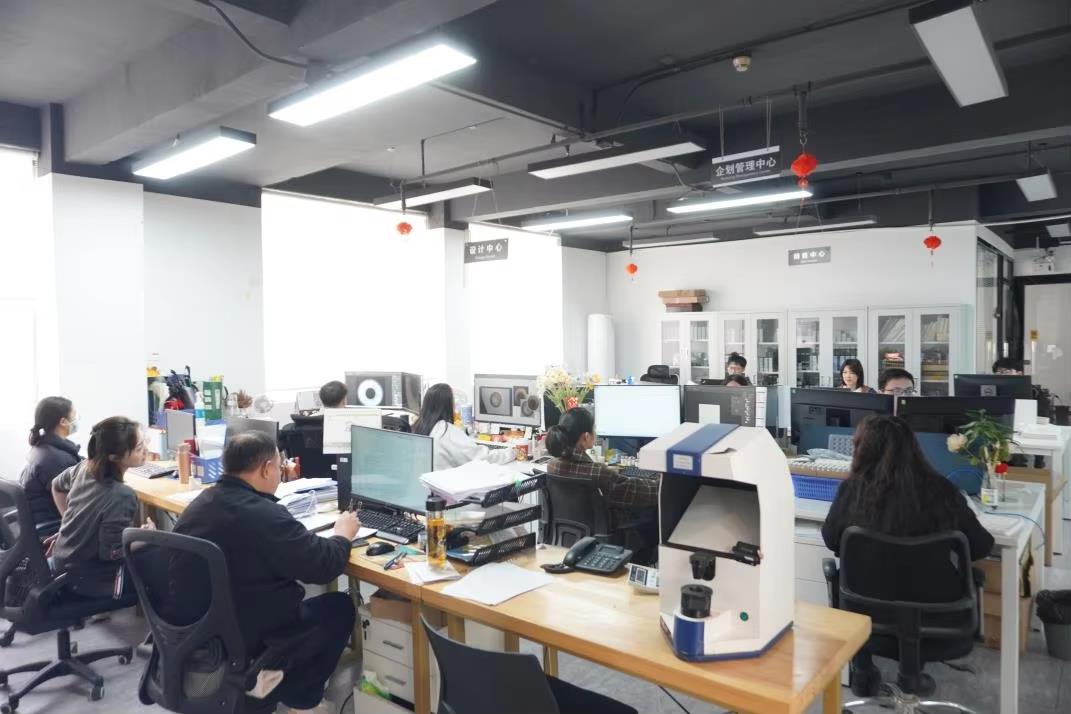
As a highly respected contact lens manufacturer, Shenzhen Mio Lenses Co., Ltd. specializes in advanced private labeling services, offering flexible options tailored to meet the dynamic needs of global beauty brands. Our custom development pipelines ensure that whether you require Minor customization or complete Drawing-based customization, your product launch will meet international technical expectations.
We provide two key channels for OEM clients: Minor customization for rapid branding on verified materials, and Drawing-based customization for brands creating bespoke graphic designs or structural configurations.
Raw material identification and traceability forms the foundation of our safety commitment. Every batch of liquid monomer, pigment stabilizer, and container plastic is tracked systematically throughout the production lifecycle.
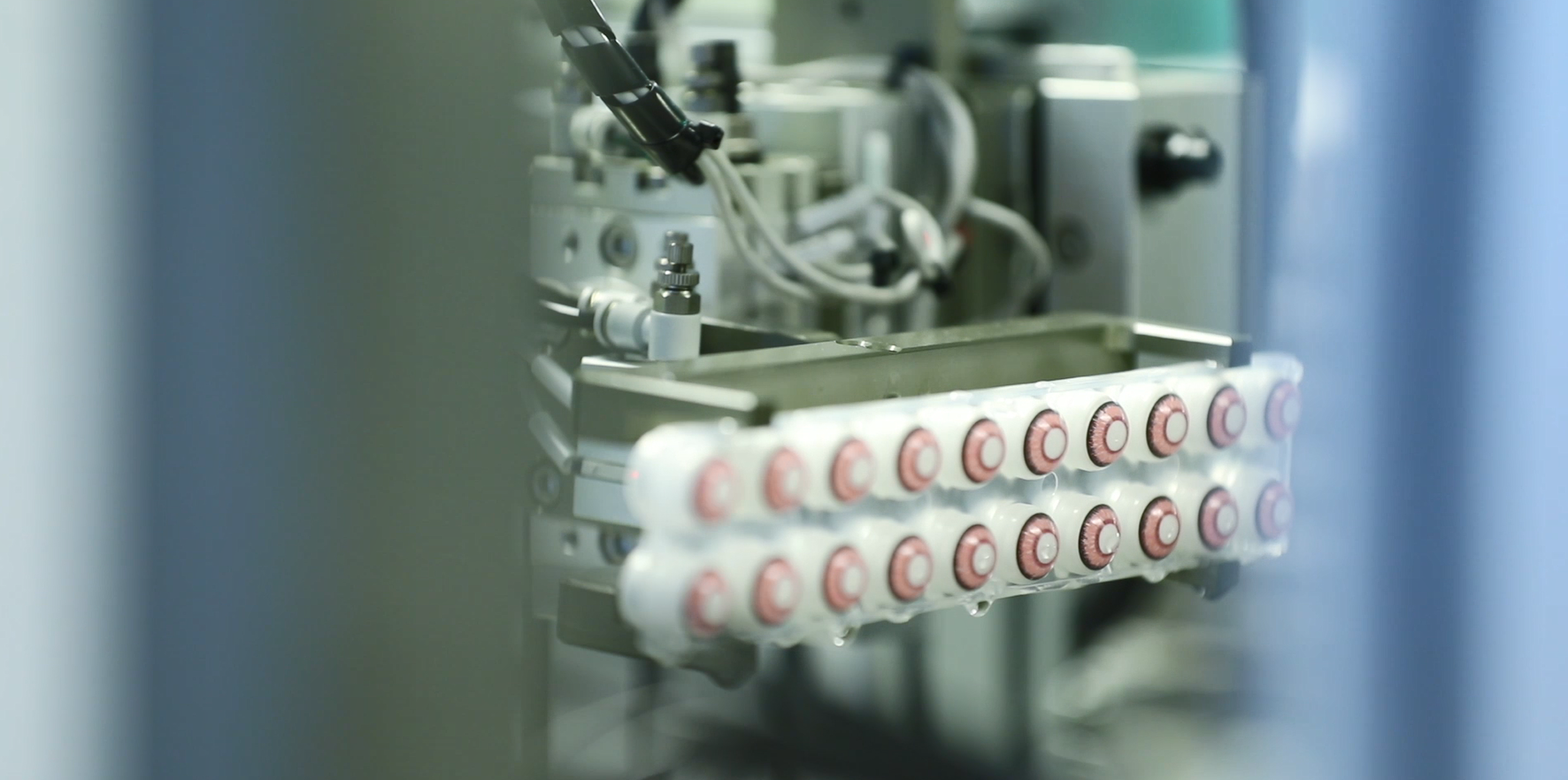
Our rigorous Finished product inspection ensures that only flawless, medically sterile lenses exit our facilities. Every lens is inspected via computerized visual scanning for alignment and minor surface anomalies.
Our operation strictly conforms to international health guidelines, fully holding certified CE authorization. This verification status allows seamless access into the European Union and other critical regions enforcing medical safety requirements.
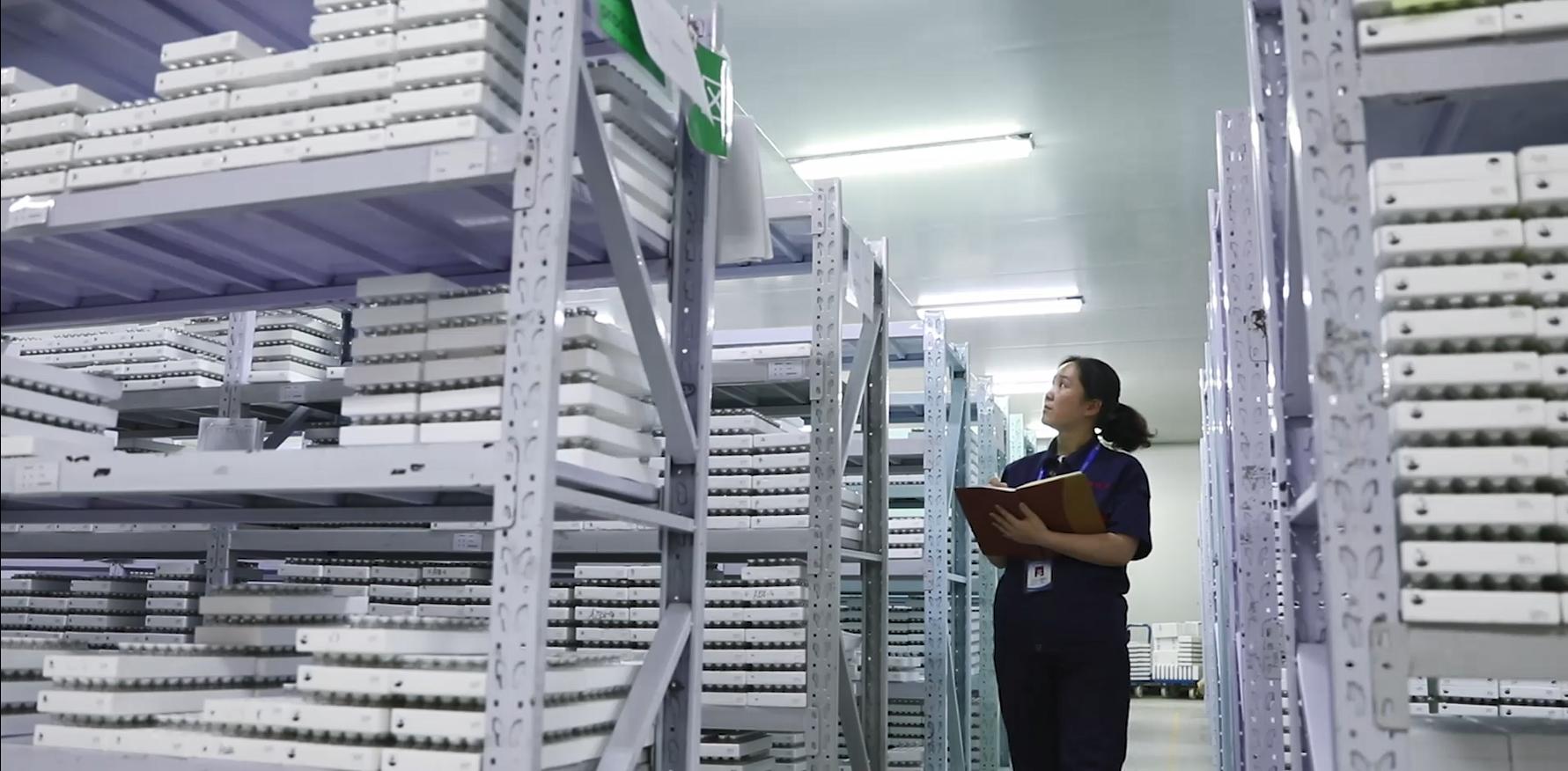
Traceable Raw Materials
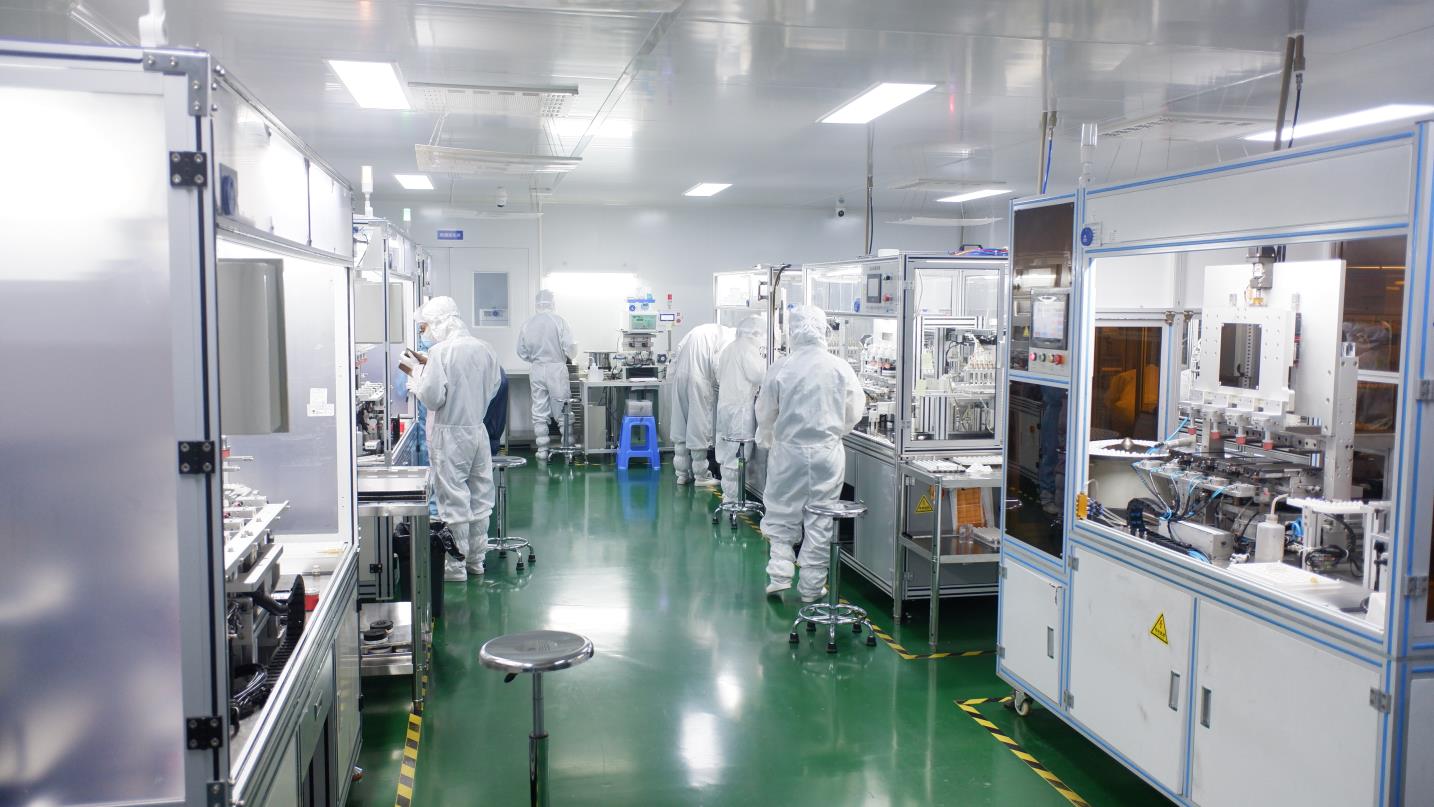
Dust-Free GMP Cleanroom
Dimensional Accuracy Tolerances
Countries Supplied Globally
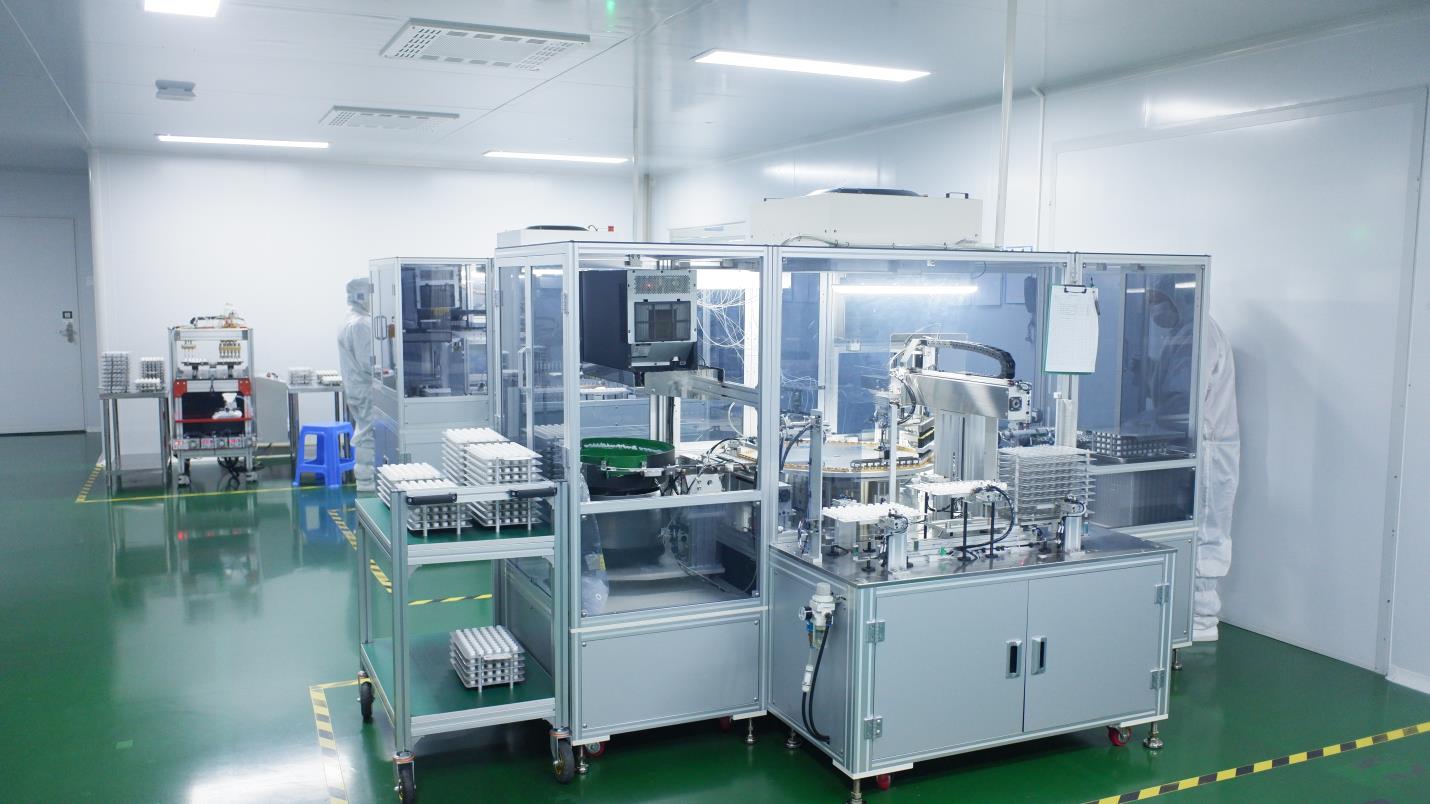
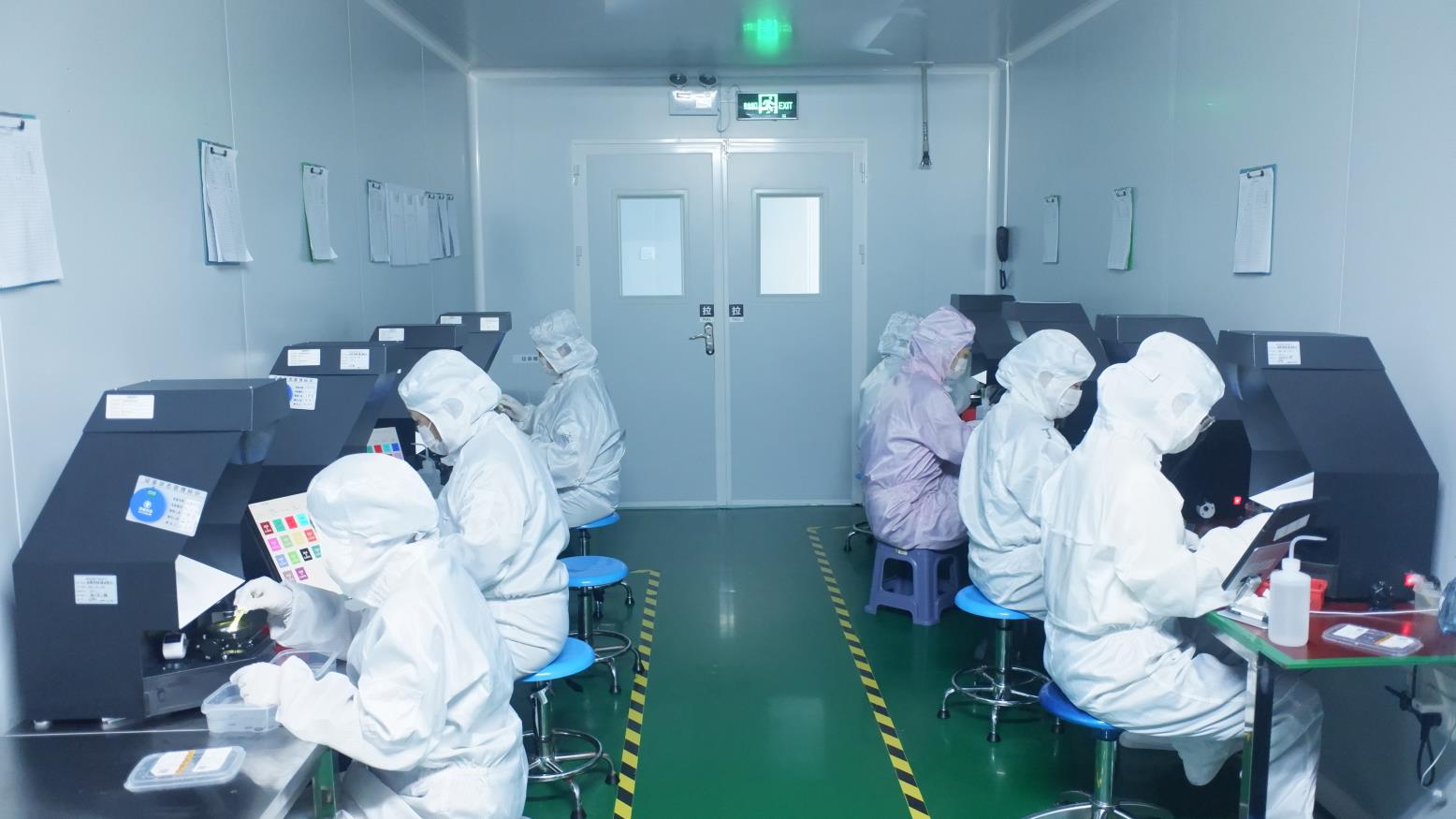
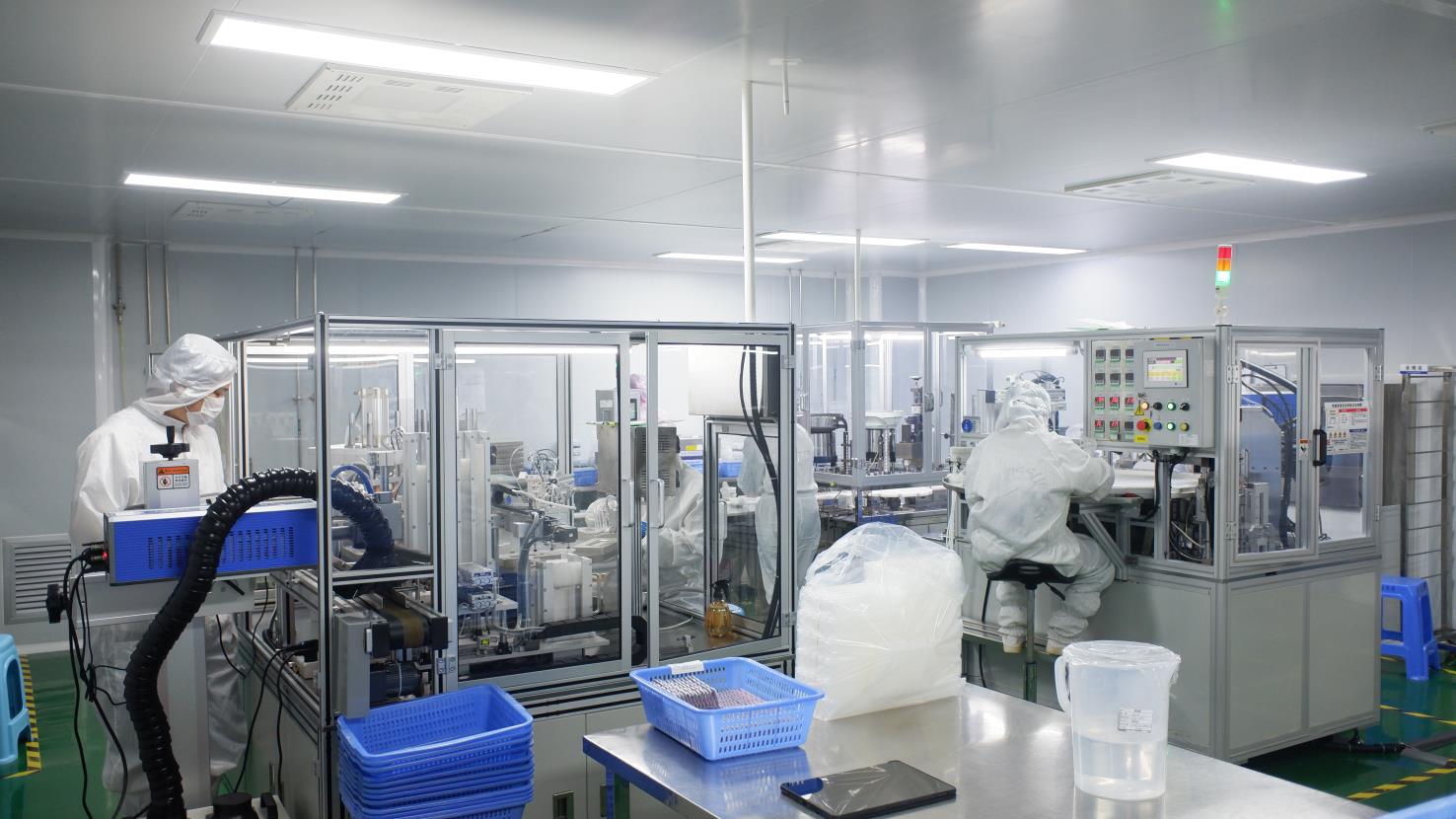
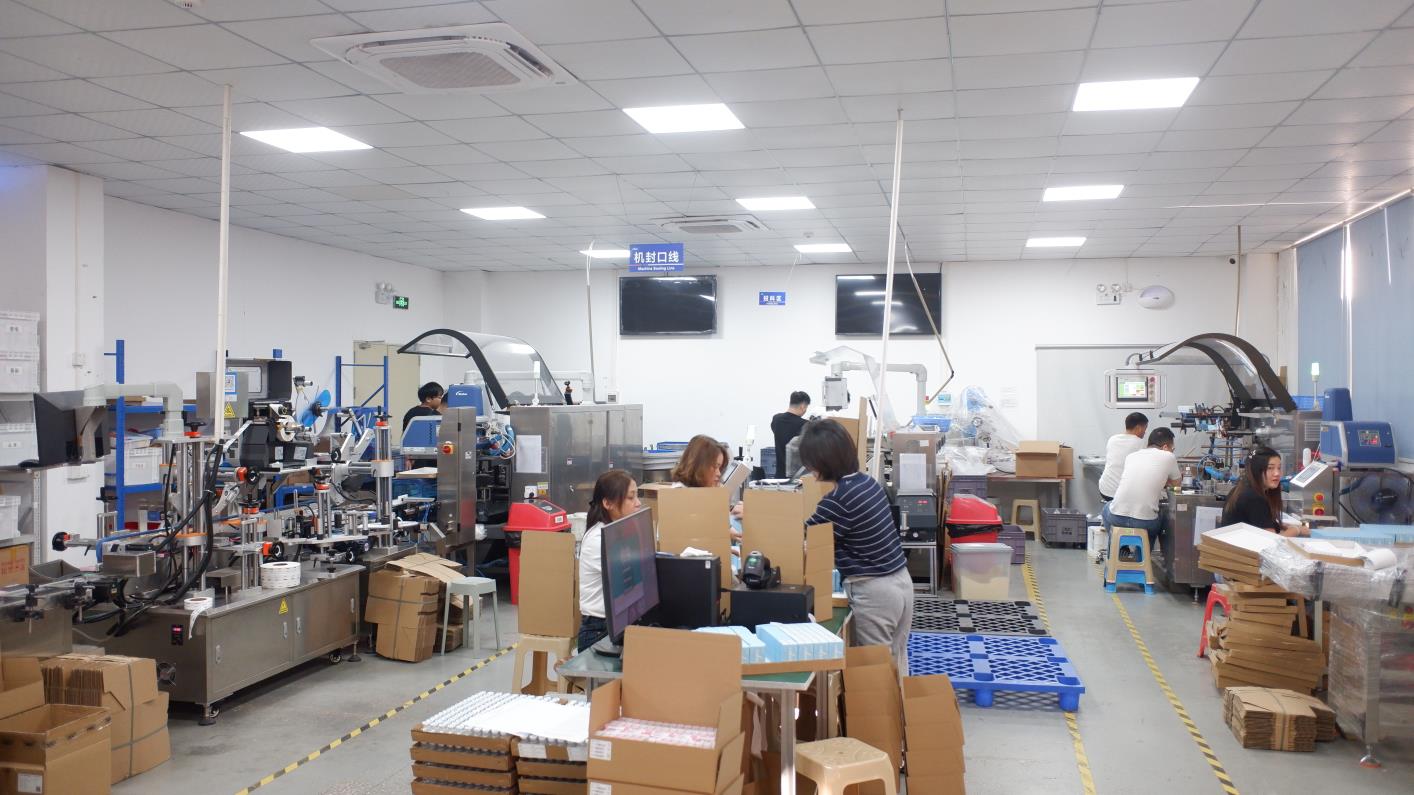
Modern medical manufacturing requires agile solutions. At Shenzhen Mio Lenses Co., Ltd., we have integrated advanced Smart Factory 4.0 concepts into our operations. This integration allows us to optimize manufacturing cycles while reducing human intervention errors.
Key pillars of our production setup include:
Different market segments demand distinct aesthetic and technical attributes. We customize parameters to align with specific regional preferences.
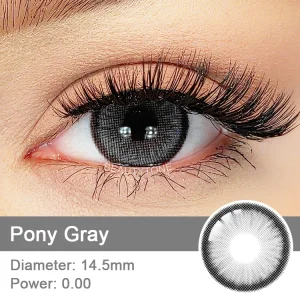
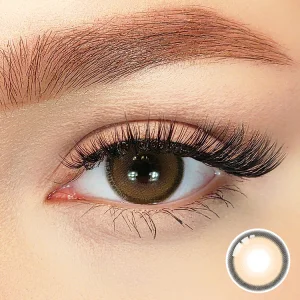
Designed for daily cosmetic enhancement, these models feature subtle gradients like Walnut Brown and Romance Caramel. They provide high hydration and a natural iris patterns ideal for office, university, and routine environments.
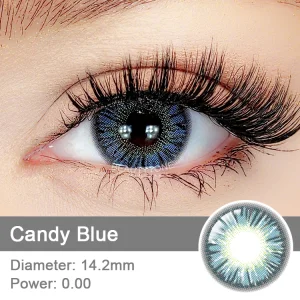
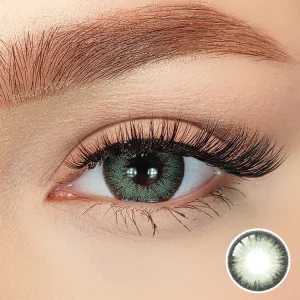
For bold aesthetic statements, our high-opacity collections (like Mira Green and Candy Blue) deliver striking coverage for dark-irised users. They are widely used by professional makeup artists, models, and fashion houses.
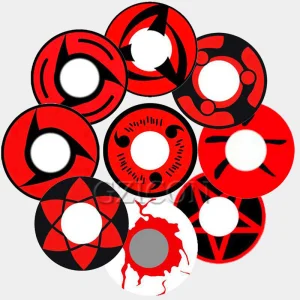
Specialty designs, including our Halloween Sharingan collections, feature opaque printing methods. They are engineered to hold intense pigment saturation without blocking pupil light paths or irritating corneal tissue.
Get detailed insights from our technical support team regarding customization, material safety, and international distribution.
Our standard cosmetic lenses are manufactured using high-grade HEMA (Hydroxyethylmethacrylate) co-polymers, often formulated with NVP to optimize water retention. This matrix keeps water content balanced (typically between 38% and 42% depending on the lens geometry) to balance hydration and tear stability.
We employ a proprietary sandwich encapsulation technology. The colored designs are printed inside the middle layer of the lens matrix. The outer surfaces consist of clear, medical-grade polymer, ensuring pigments never touch the eye or tear film, eliminating risk of eye irritation or coloring agent migration.
Minor customization lets clients choose from our pre-existing designs while adapting the packaging, brand assets, and parameters like base curve (BC) or water content. Drawing-based customization starts from design concepts, where we develop custom print patterns, color layers, and custom optical dimensions from vector files.
Our facility works under ISO 13485 (Medical Devices Quality Management Systems) and holds CE certification. We provide a complete dossier of certification details, test validations, and material traceability profiles required by customs for smooth clearance in global markets.
Lenses sealed in sterile blister packs have a shelf life of up to 5 years when stored in a cool, dry place. For user wear schedules, we offer options ranging from daily disposable lenses to 1-Year replacement cycles, with yearly options requiring strict care regimes.
Every lens batch undergoes dynamic wet-state optical inspection. Automated computer vision inspection systems analyze diameter tolerances, surface integrity, and color registration. After packaging, we use clean steam sterilization in pressurized autoclaves at 121°C for 20 minutes to achieve medical-grade sterility.
Browse additional specialty lines, yearly contact lens designs, and high-impact custom pattern selections.