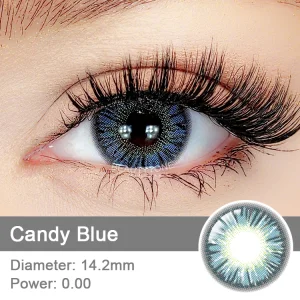
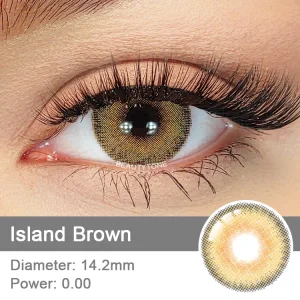
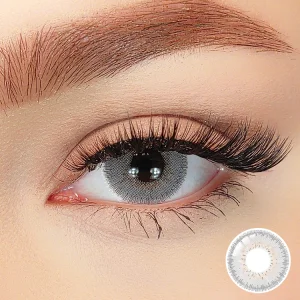
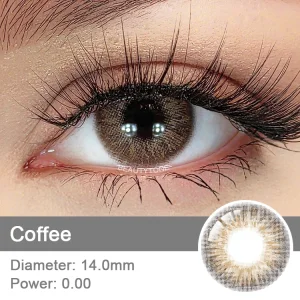
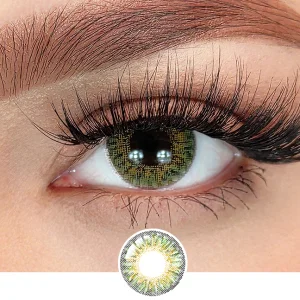
Mio Lenses
Mio Lenses
Mio Lenses
Explore our leading collection of CE-certified yearly, monthly, and daily disposable contact lenses engineered with advanced color-layering technologies and maximum corneal oxygen permeability.
The contact lens market has fundamentally evolved from a correction-only diagnostic medical vertical into a convergence of optical precision, physiological health, and cosmetic self-expression. Modern contact lenses do not merely refract light; they interact directly with the delicate microenvironment of the human cornea. Brands and distributors globally face a critical challenge: finding manufacturing partners who can synthesize state-of-the-art polymer chemistry with flexible, secure production systems.
At the epicenter of this industrial evolution is Shenzhen Mio Lenses Co., Ltd., a premier high-tech contact lens manufacturer specializing in OEM/ODM services. Our signature development—the BeautyTone Lightwave Contact Lens line—represents an industry-shifting technology. By blending specialized color printing with light-filtering matrices, we protect the wearer's eyesight while offering premium aesthetic customization. This whitepaper details the engineering principles, supply chain logistics, and strict regulatory practices that guarantee the excellence of every lens produced at our advanced facilities.
The core of the BeautyTone series lies in its proprietary Lightwave technology. Unlike standard cosmetic contact lenses that simply print pigment layers onto the lens surface, Lightwave technology structures the color patterns in three dimensions. This ensures that light entering the eye is optimized for clarity, while maintaining maximum cosmetic vibrance.
We offer prompt adjustments to existing product designs. Brands can modify lens base curves (BC: 8.5mm - 8.7mm), overall diameters (DIA: 14.0mm - 14.5mm), water content parameters (typically optimized at 38% - 42% for annual wear stability), and surface pigment densities to fit localized consumer bases.
For brands launching entirely proprietary designs, our design and engineering departments work directly from structural drawings, CAD models, or concept art. We translate these designs into production-ready physical molds using ultra-precise computerized micro-lathe cutting machinery.
We use premium non-ionic polymers (HEMA-based materials and advanced hydrogels) to ensure that the lenses resist protein buildup and retain water, offering all-day comfort. The structural design isolates the color layer between two clear layers of polymer material, protecting the eyes from direct contact with pigments.
Traditional color lenses are often criticized for causing ocular dryness or a "foreign body" sensation due to elevated pigment printing on the lens surface. To address this, Shenzhen Mio Lenses Co., Ltd. implements an automated sandwich printing technology combined with high-precision cast molding. By sealing the color layer inside the lens polymer matrix, we maintain a smooth surface on both sides.
Furthermore, the peripheral edges of our lenses are contoured using a smooth tri-curve edge design. This geometry optimizes the tear-exchange rate under the lens, facilitating steady oxygen flow to the cornea and minimizing dry-eye symptoms even during extended wear.
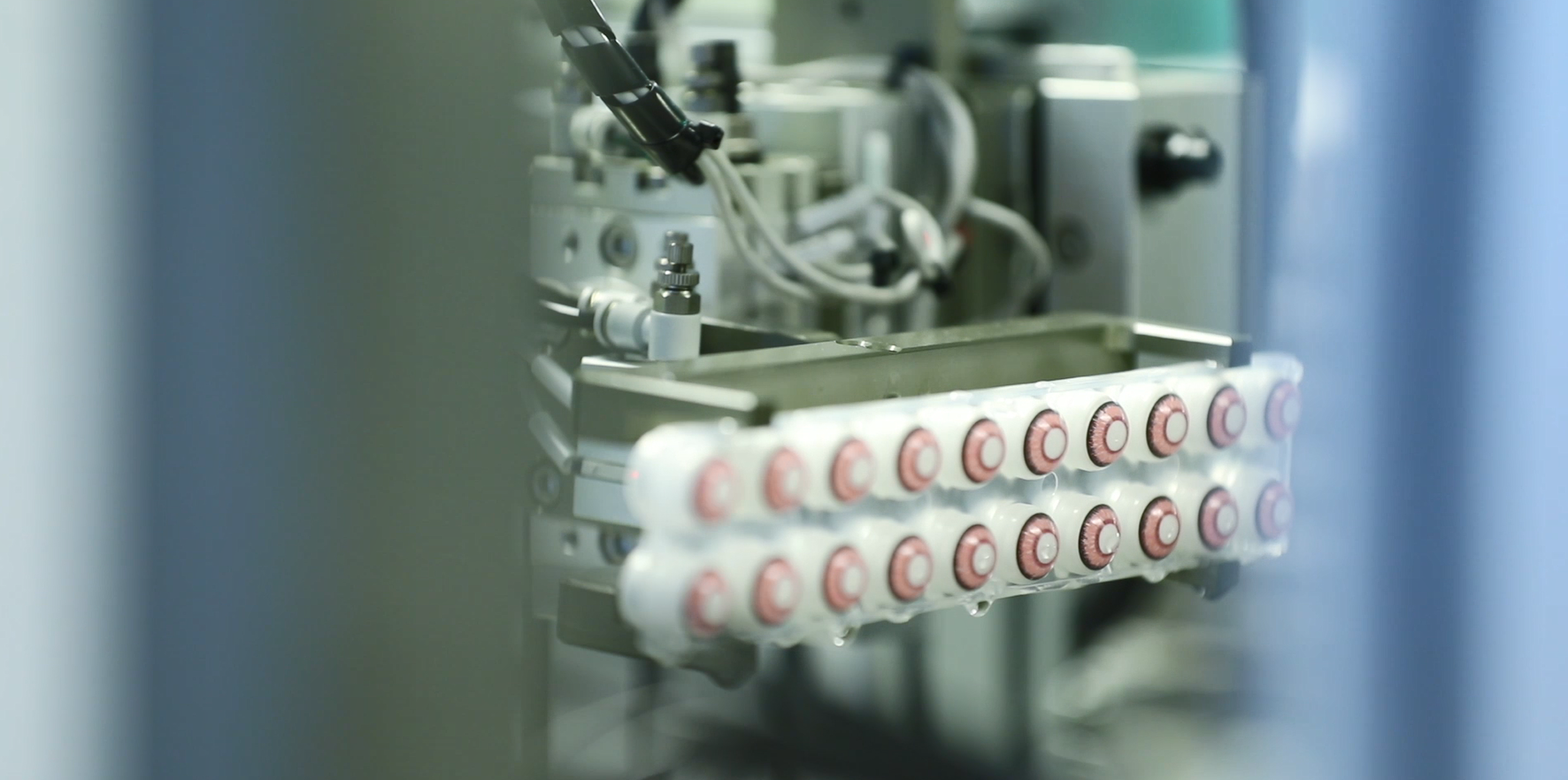
As a medical-grade device manufacturer, Shenzhen Mio Lenses Co., Ltd. operates under strict international safety standards. Our manufacturing lines run within cleanrooms designed to keep air pollutants and bacteria to a minimum. This environment prevents contamination at every stage of production.
Every batch of raw monomers, color pigments, saline solutions, and packaging foils undergoes strict incoming quality control (IQC). We issue unique, digital tracking barcodes for each raw material batch, allowing us to trace any single contact lens back to its raw material source.
Every single contact lens undergoes automatic AOI (Automated Optical Inspection) systems. High-resolution camera sensors analyze lens dimensions, surface quality, and color registration. After packaging, lenses are sterilized in pressurized autoclaves at 121°C for 20 minutes to guarantee complete safety.
Our facility holds full CE marking and operates in compliance with ISO 13485 medical device quality management standards. This alignment ensures that our processes and products meet regulatory requirements across Europe, Asia, and other international markets.
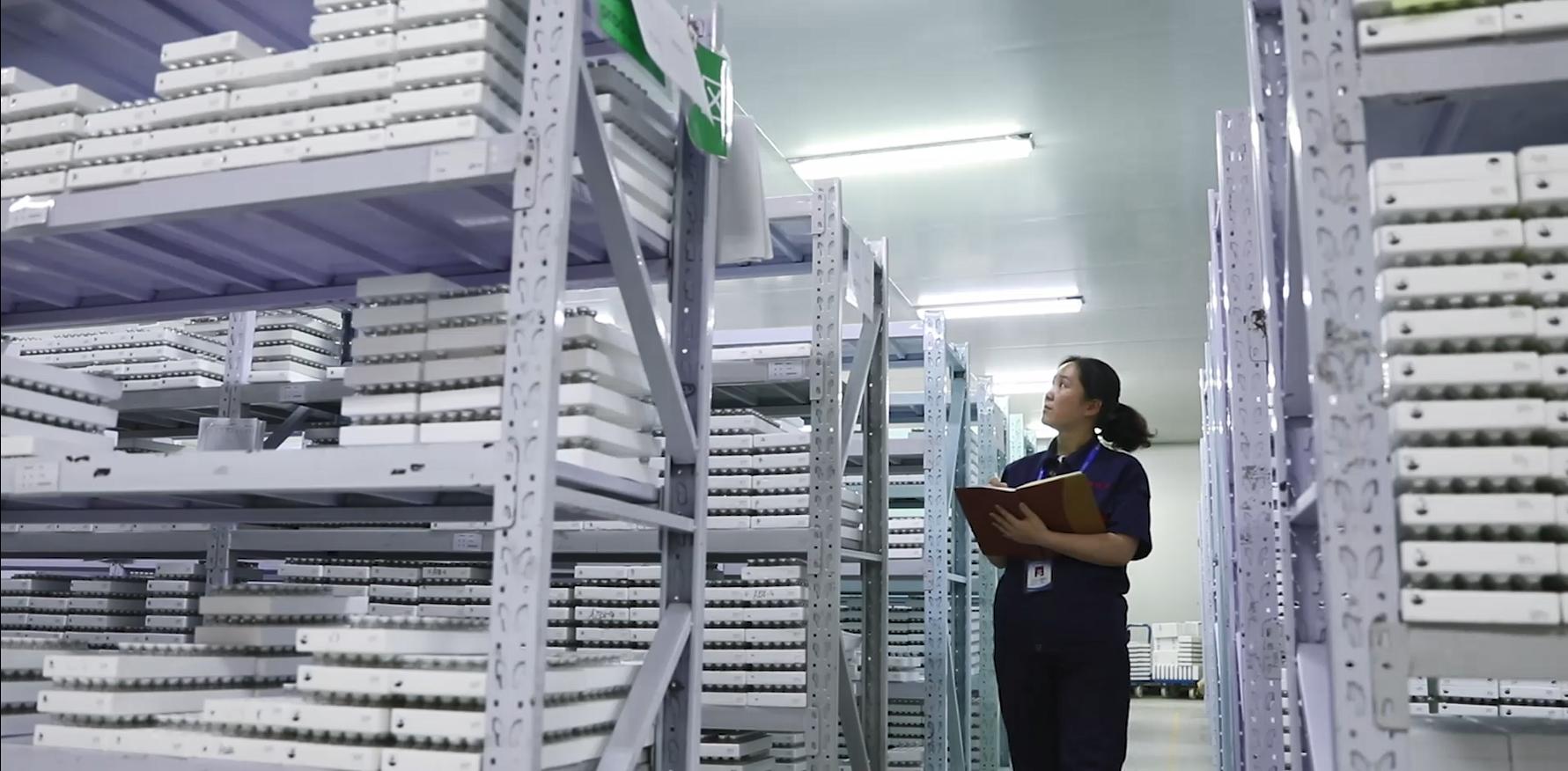
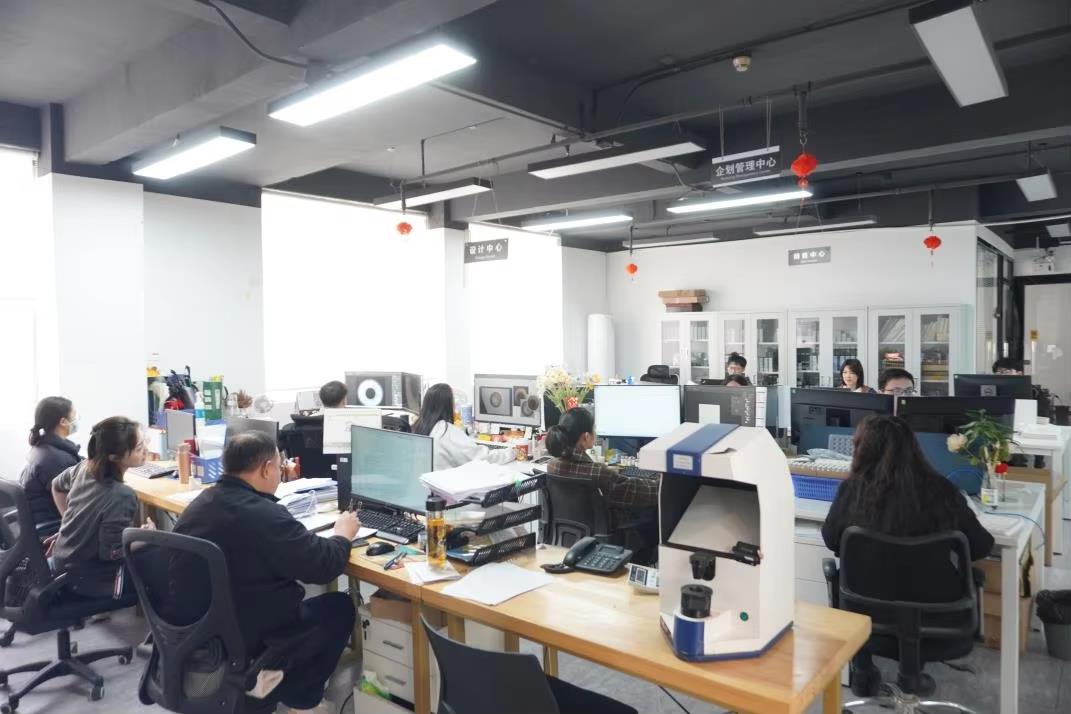
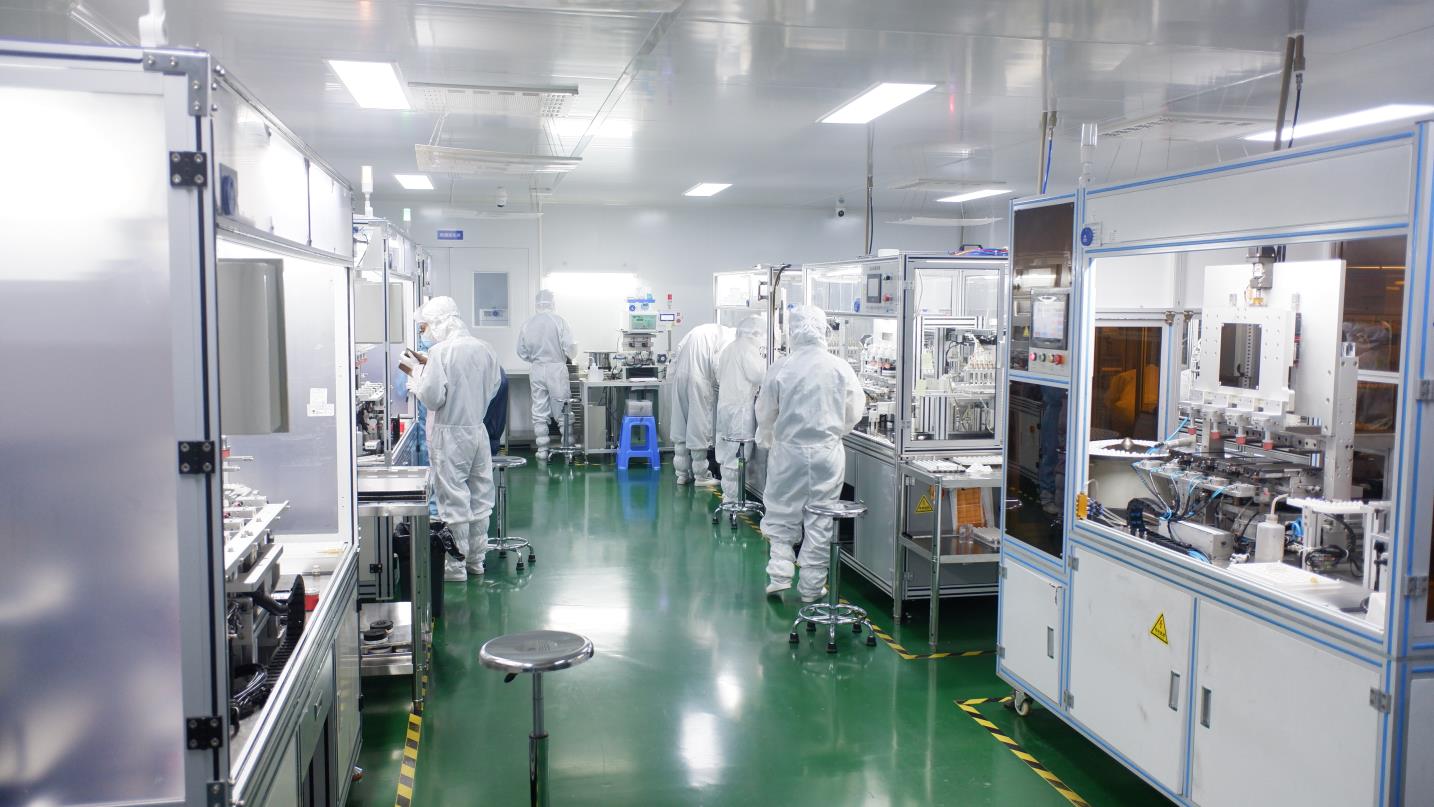
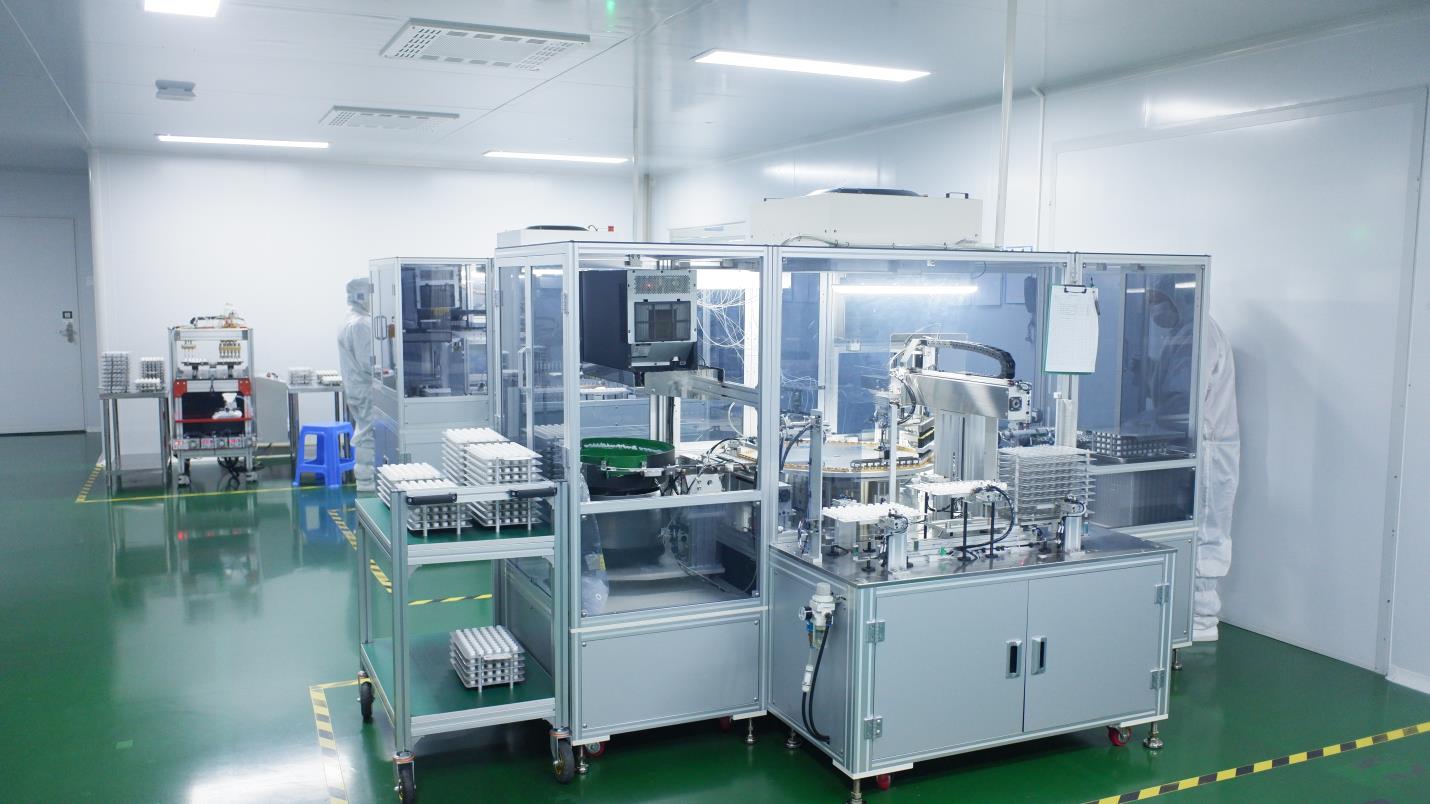
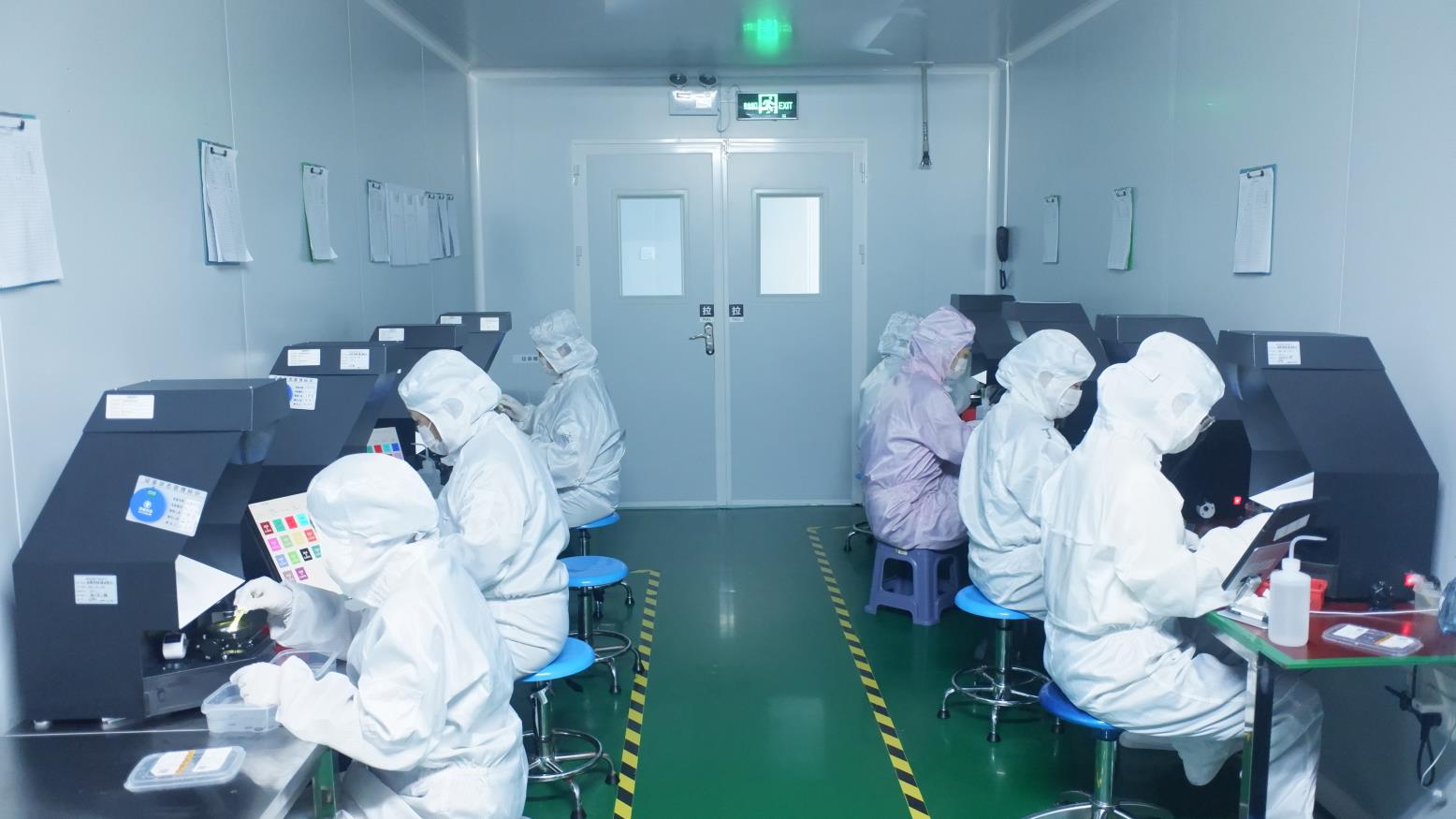
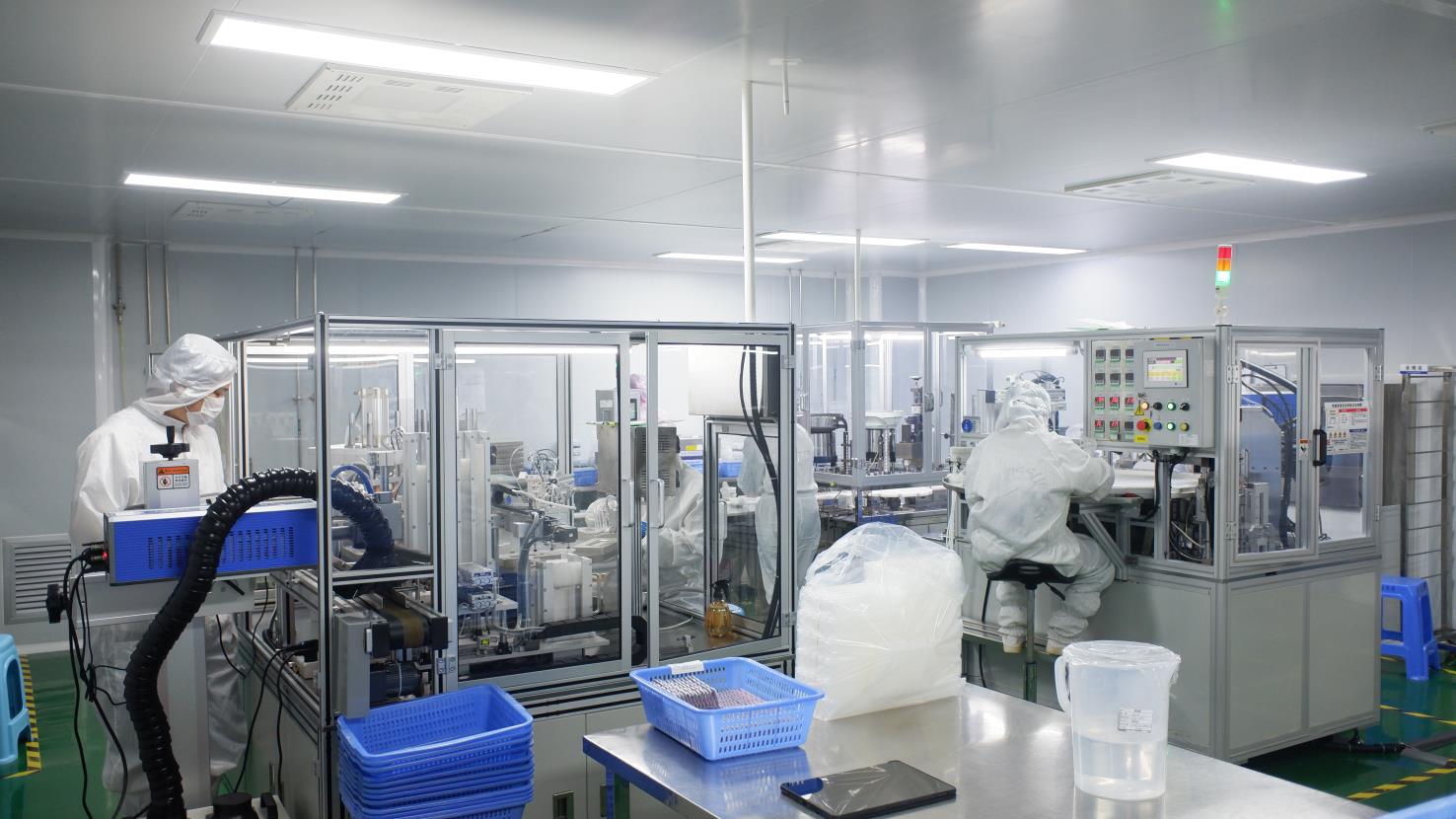
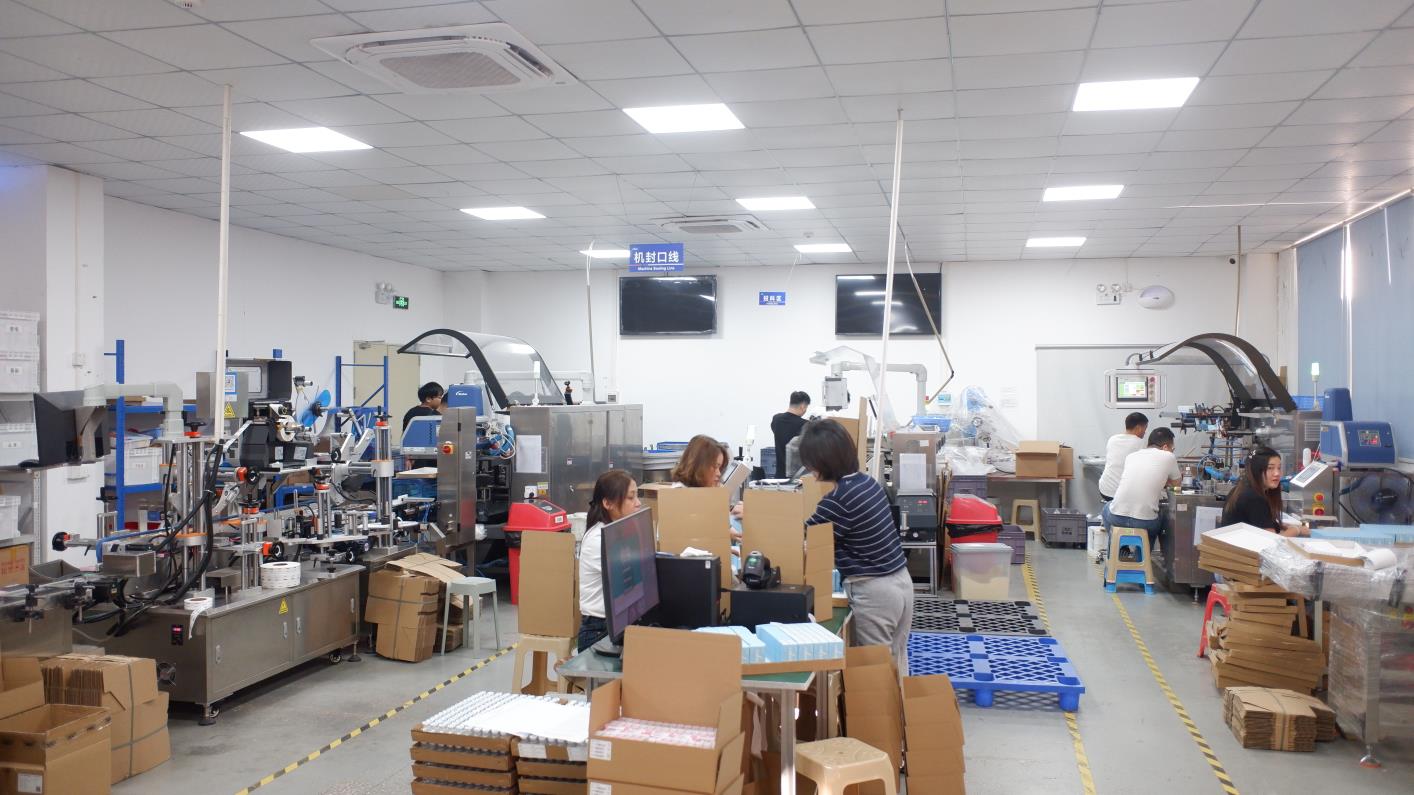
Shenzhen, China, acts as a primary hub for global technology and manufacturing logistics. This geographic positioning enables Shenzhen Mio Lenses Co., Ltd. to leverage a highly efficient and resilient local supply chain, optimizing lead times and lowering production costs for our international partners.
Our factory benefits from direct, domestic access to medical-grade packaging materials, specialized printing dyes, and high-purity packing solutions. This local supply network keeps us insulated from international material shortages that can disrupt production schedules elsewhere.
Additionally, our proximity to major shipping terminals in Hong Kong and Shenzhen allows us to offer competitive and flexible shipping arrangements. Whether utilizing sea freight for large bulk orders or express air freight for urgent restocks, we ensure that products arrive at global distribution centers efficiently.
This operational agility makes Mio Lenses a dependable manufacturing partner for high-demand retail brands, regional optical chains, and digital e-commerce platforms.
To maintain our competitive edge, Shenzhen Mio Lenses Co., Ltd. is continuously expanding our R&D roadmap. Our upcoming product lines focus on incorporating new materials and functional features to meet evolving market demands.
Importing medical devices requires navigating complex local regulatory frameworks. Shenzhen Mio Lenses Co., Ltd. provides comprehensive documentation and regulatory support to ensure smooth import and distribution clearance for our clients.
Our dedicated regulatory team assists partners with compiling technical documentation, managing sterile process validation records, and coordinating local product registrations. Whether addressing European CE regulations, US FDA requirements, or national health ministry approvals, we prepare the necessary compliance folders to prevent delays at customs.
Answers to common operational, regulatory, and technical inquiries regarding our contact lens manufacturing services.
Discover more of our advanced design contact lenses, utilizing innovative color formulations and reliable yearly wear durability structures.