Mio Lenses
Mio Lenses
Mio Lenses
Explore our foundational range of CE-certified, high-oxygen permeability colored contacts optimized for premium global markets.
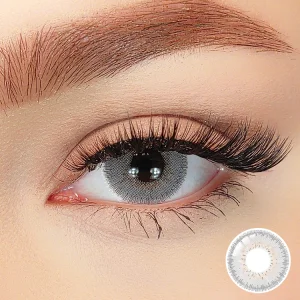
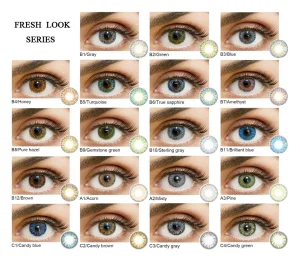
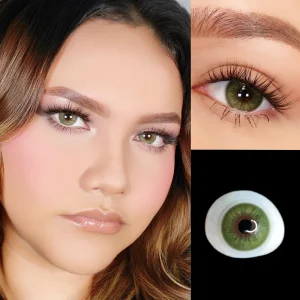
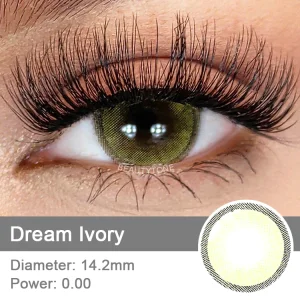
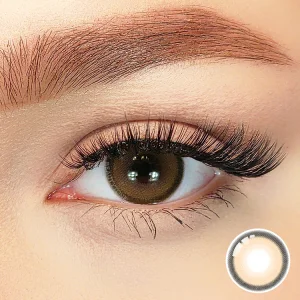
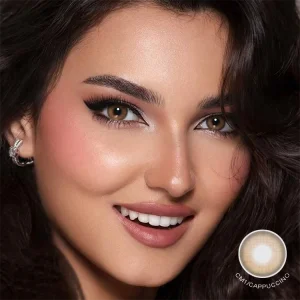
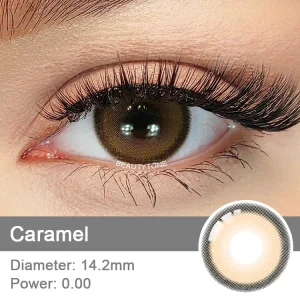
The global cosmetic and corrective contact lens market has transitioned from a niche utility segment into a core category of the consumer health and beauty ecosystem. Driven by structural shifts in personal grooming, the democratization of vision correction, and the rapid expansion of digital media platforms, the demand for sophisticated color lenses—such as the BeautyTone Horizon series—has experienced a sustained Compound Annual Growth Rate (CAGR) of over 7.8% over the past five years.
Historically dominated by major international conglomerates, the market has seen a strategic shift in manufacturing volume and research development toward high-tier Chinese facilities. This transition is not merely based on cost efficiencies but represents a massive technological maturation. Modern Chinese manufacturing plants have integrated advanced polymers (such as Etafilcon A, Polymacon, and newer Silicone Hydrogel formulations) with computer-aided design (CAD) systems to achieve superior optical health metrics, high oxygen transmissibility (Dk/t), and high-resolution multi-tone color layering.
Global demand is increasingly prioritizing ocular health alongside cosmetic performance. Consumer awareness around dry eye syndrome, corneal hypoxia, and microbial keratitis has forced manufacturers to migrate from traditional surface-dye techniques to advanced encapsulated pigment technology.
On a macro scale, urbanization, rising disposable incomes in emerging markets, and the strong cultural adoption of cosmetic lenses in regions such as East Asia, North America, and Europe have transformed color contact lenses into an essential accessory. The product lifecycle has shifted from annual wear cycles to daily and monthly disposables, significantly increasing the volumetric output demands placed on primary manufacturing units.
Operating at the absolute apex of medical-grade optical production, Shenzhen Mio Lenses Co., Ltd. stands as a premier manufacturer, innovator, and OEM/ODM partner for premium global brands. Integrating state-of-the-art facilities with robust engineering capability, the company specializes in translating complex design aesthetics into structurally sound, bio-compatible soft contact lenses.
The enterprise operates under strict adherence to international Good Manufacturing Practices (GMP). Production occupies a highly automated facility featuring Class 100,000 cleanrooms and sterile environments designed to minimize airborne contamination. Mio Lenses incorporates high-speed molding technology and automatic inspection systems (AOI) to eliminate optical abnormalities and morphological variations during production runs.
Below are authentic production modules, testing labs, and processing departments representing the concrete manufacturing physical footprint of Shenzhen Mio Lenses Co., Ltd.:
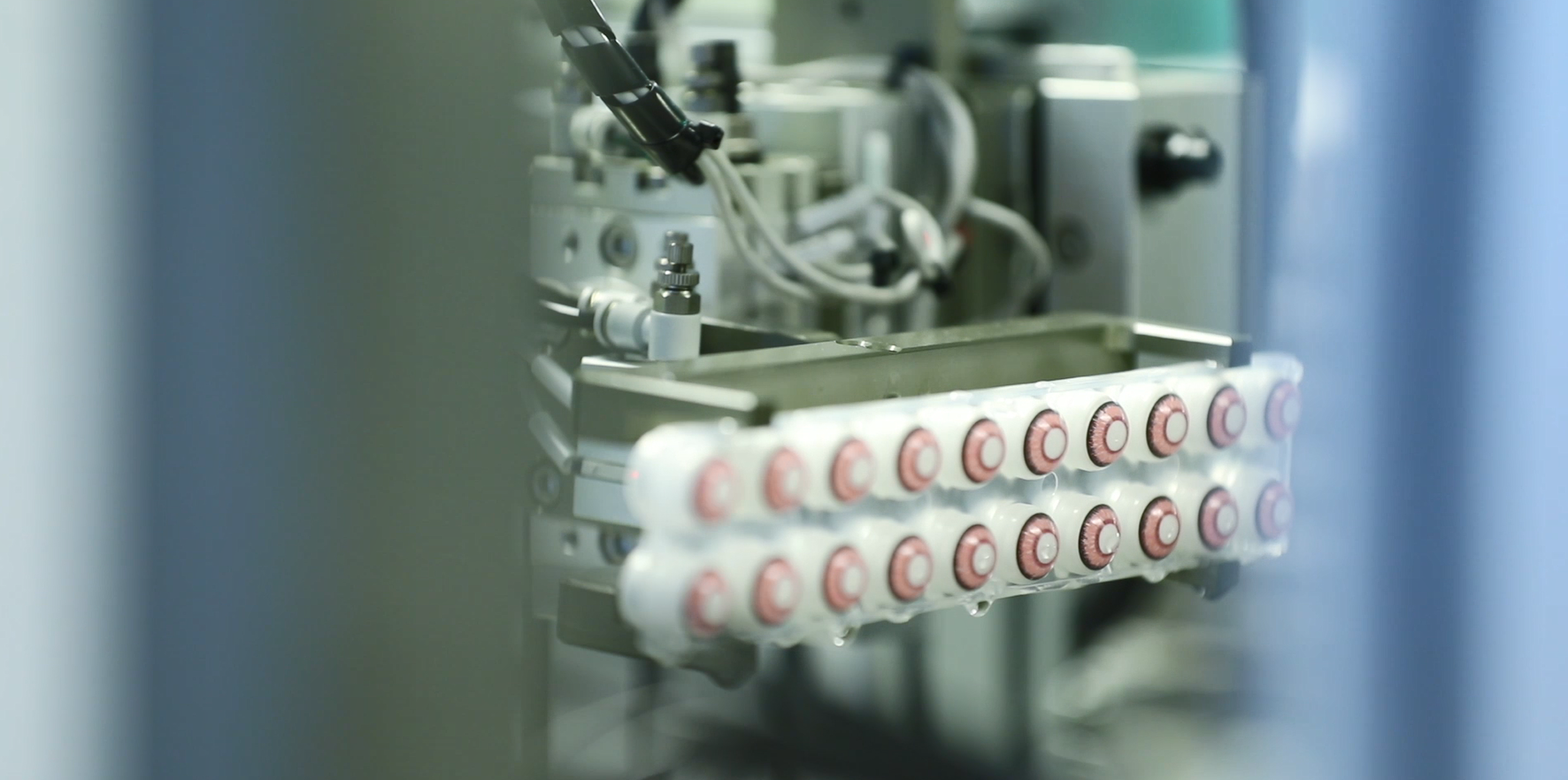
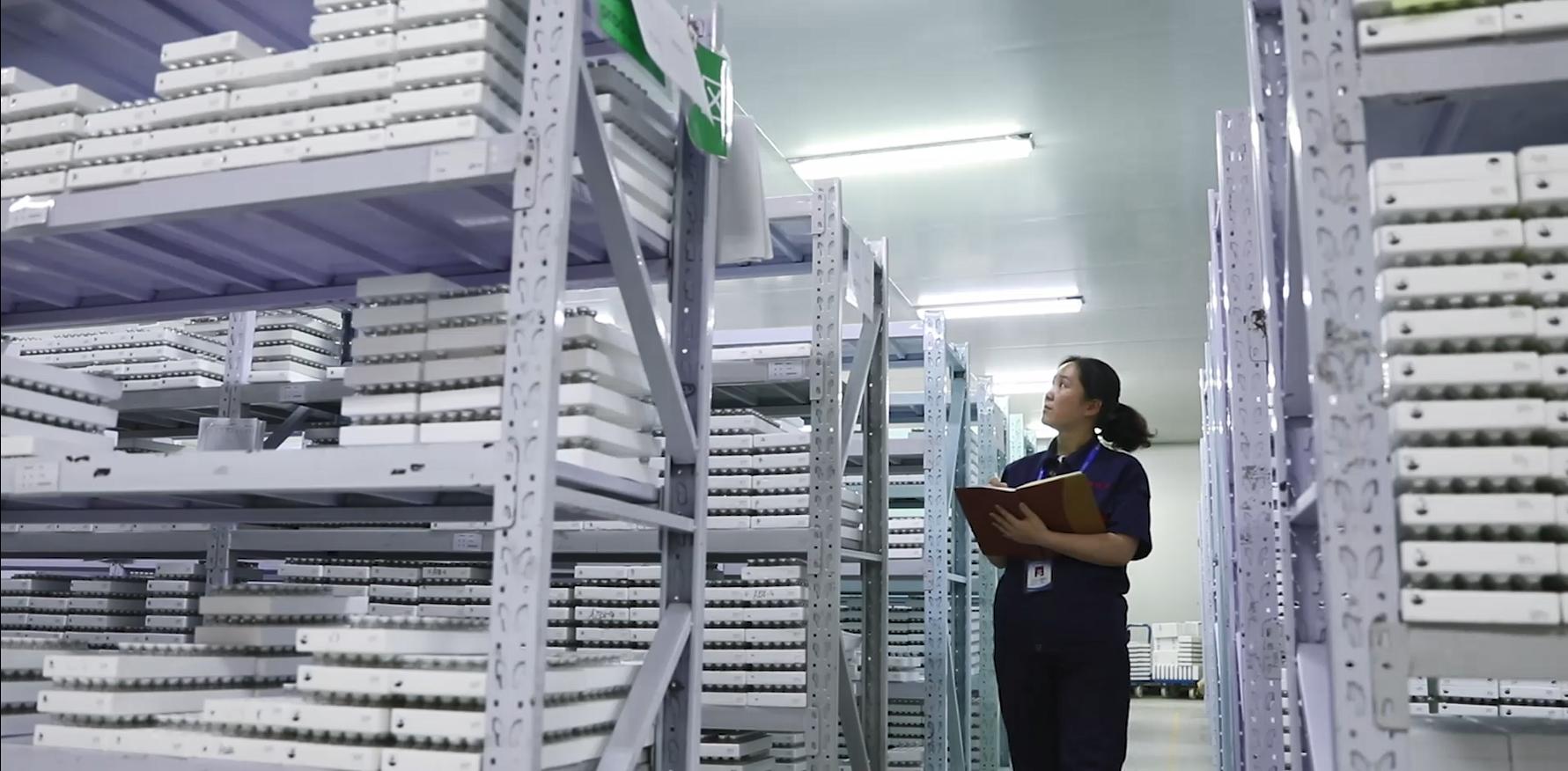
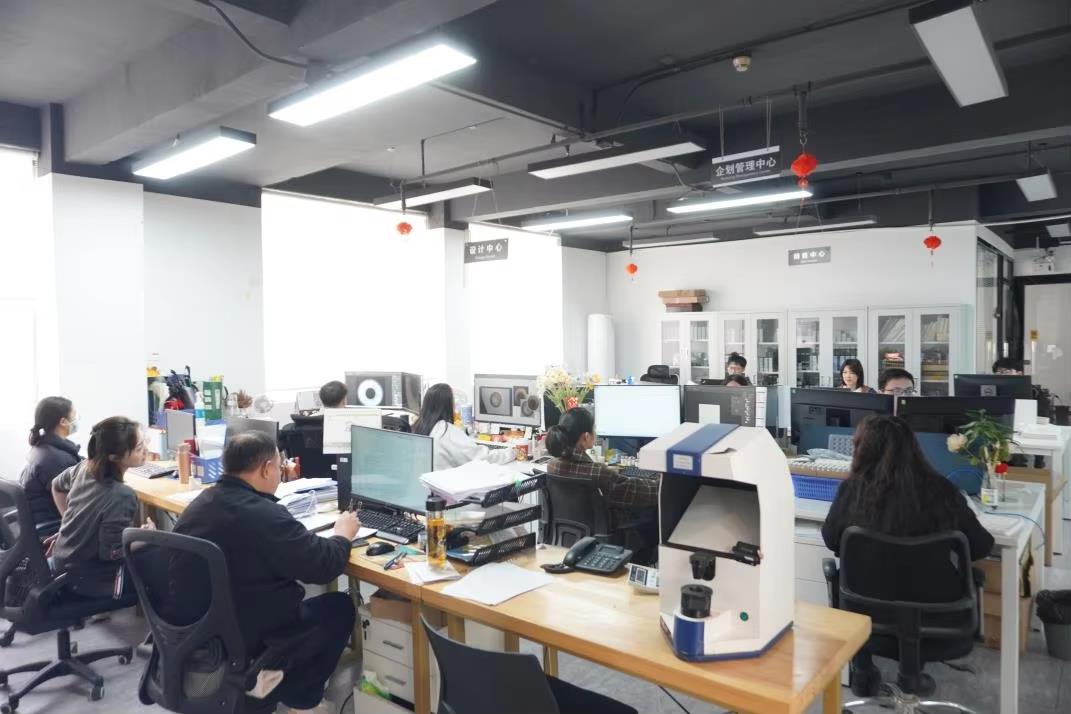
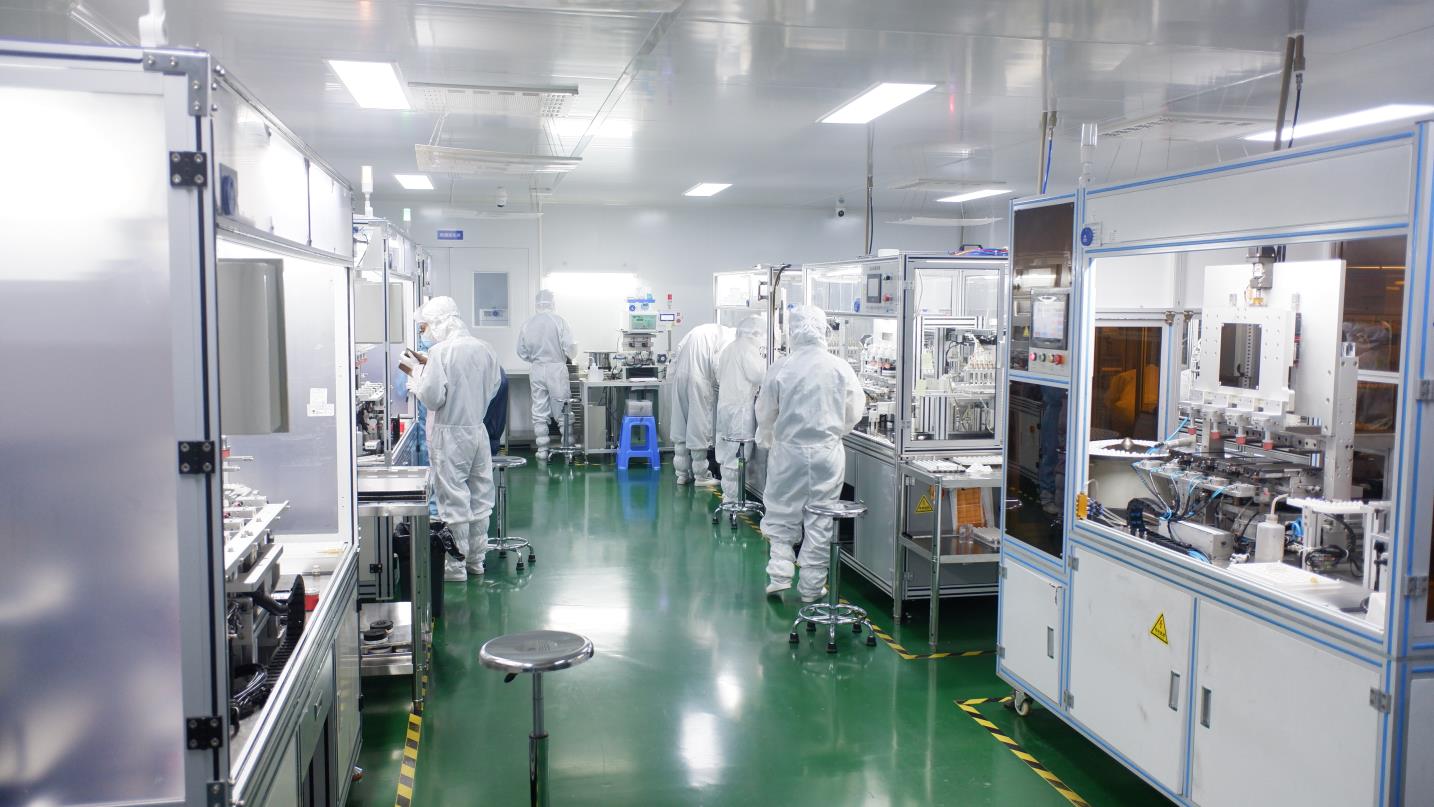
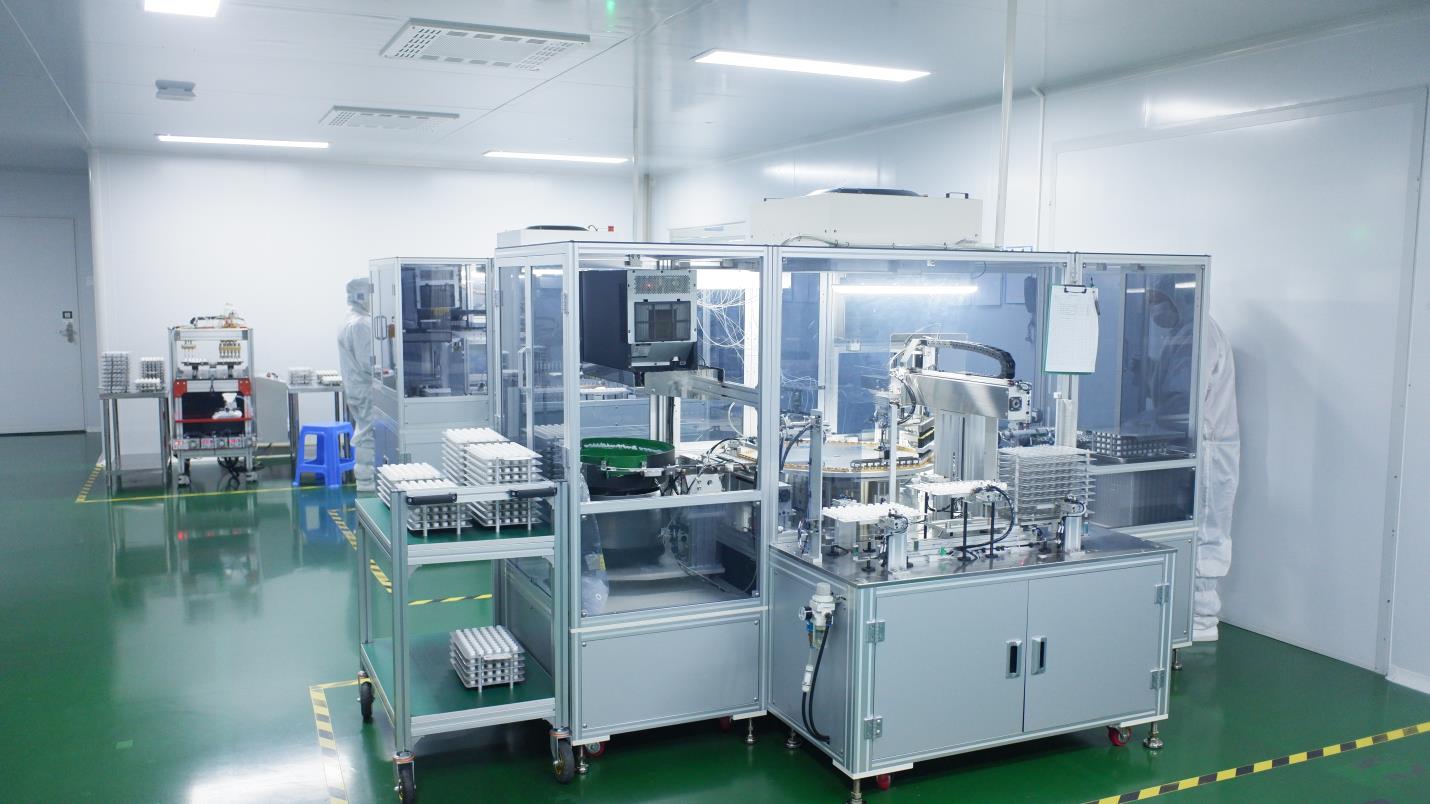
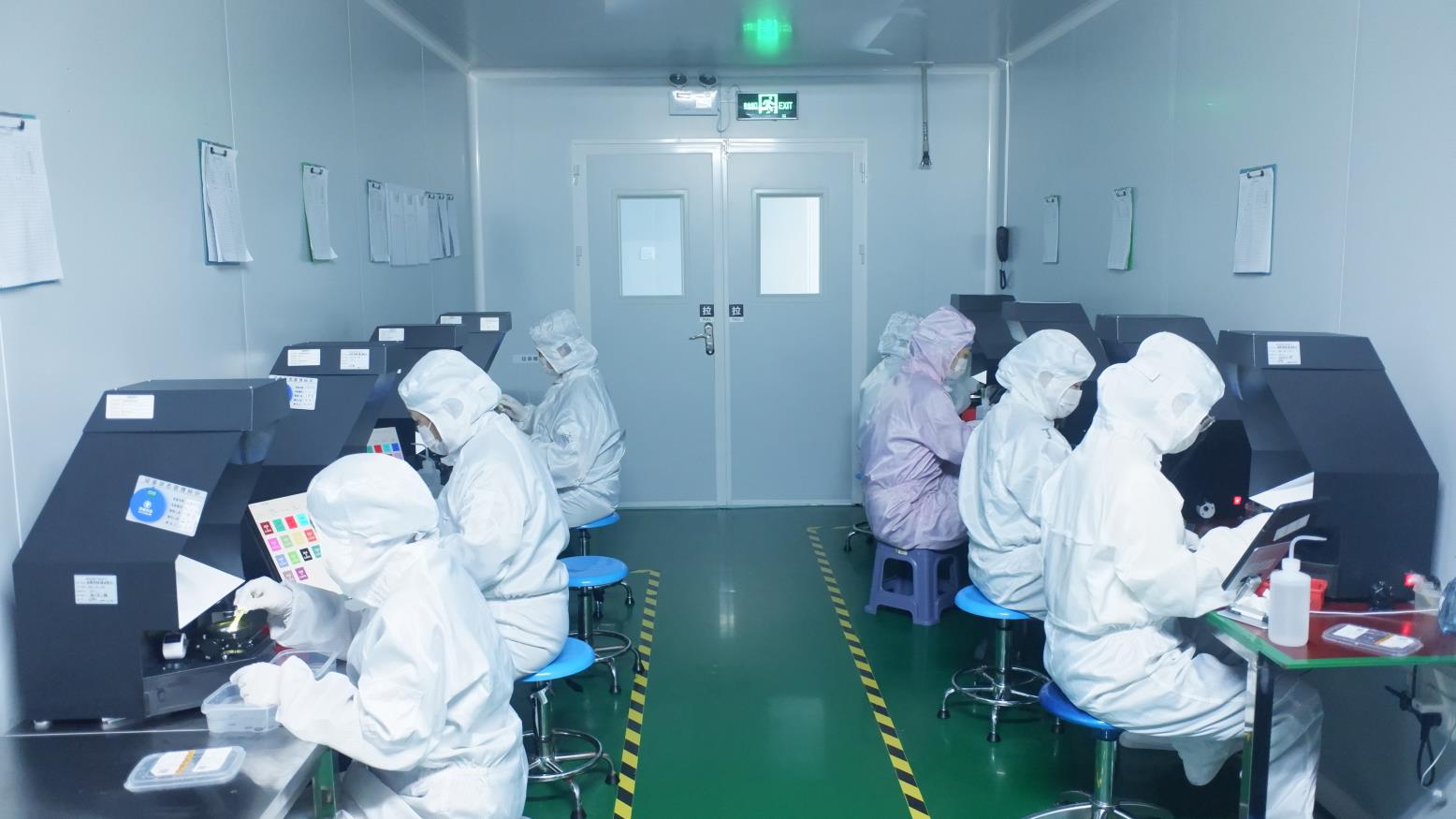
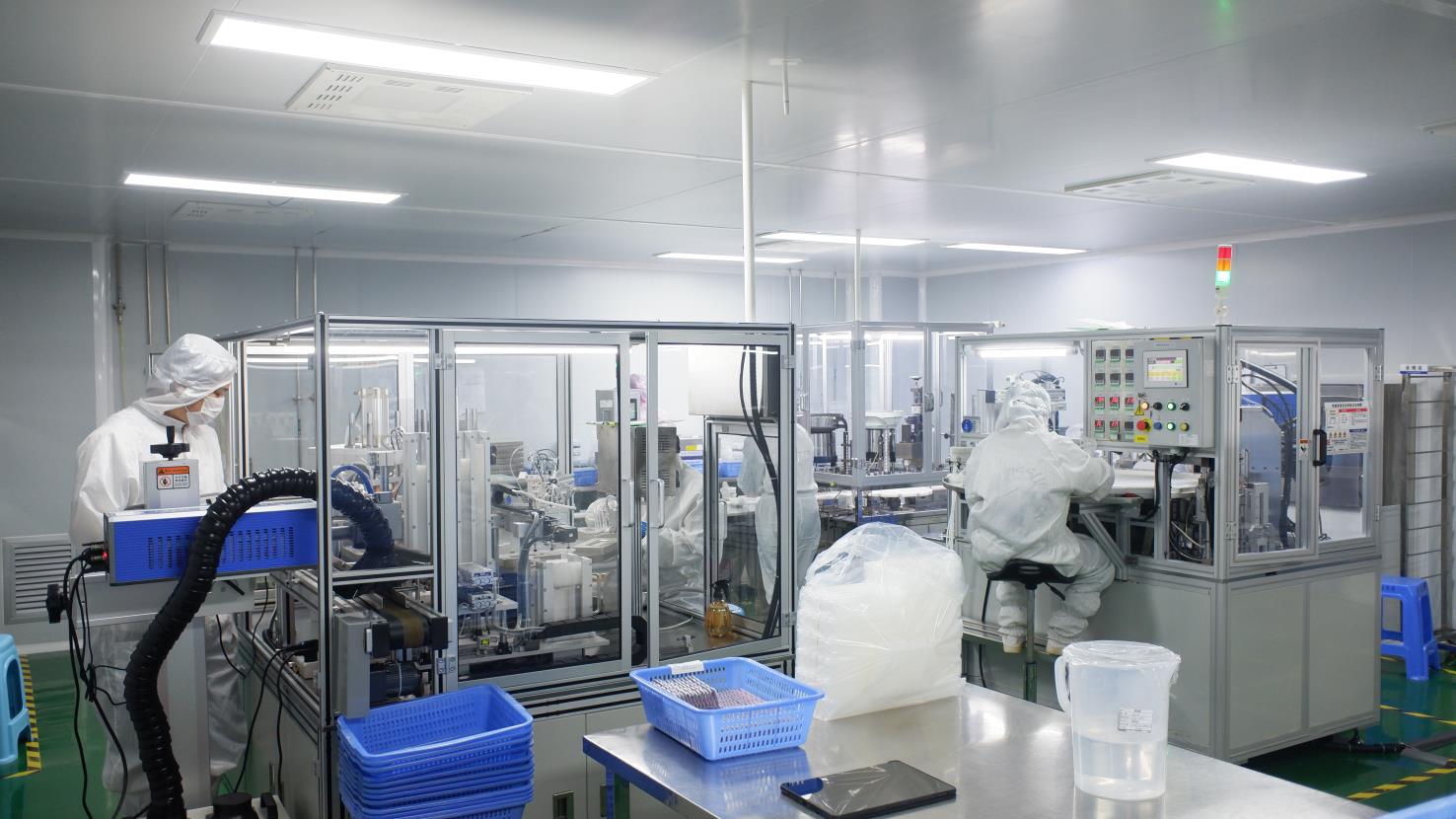
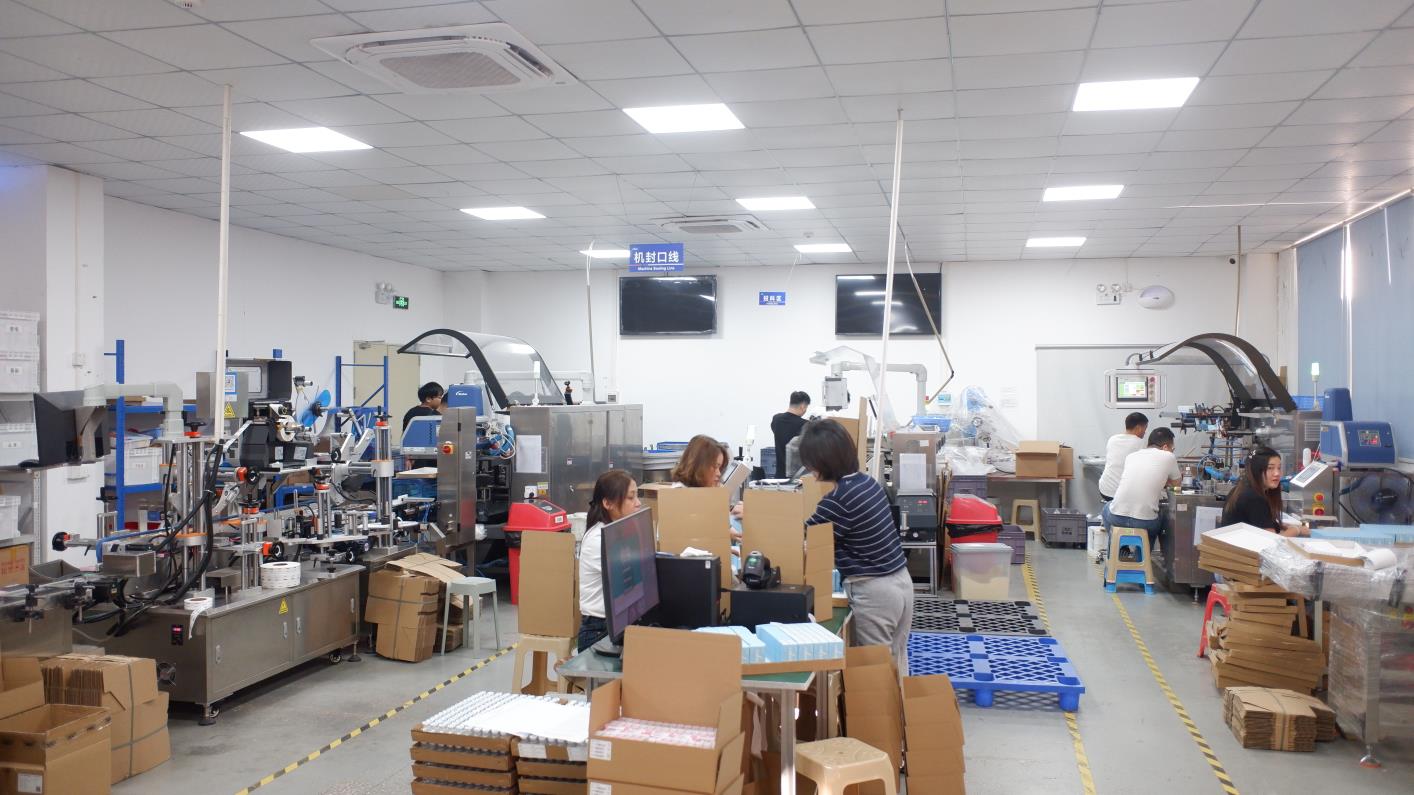
Mio Lenses ensures absolute safety by maintaining 100% traceability on all monomer batches, chemical pigments, and packaging foils. From the initial liquid monomer stage to the final autoclaved sterile blister package, each unit is designated with a unique tracking code to secure consumer safety and streamline compliance audits.
One of the primary competitive differentiators of Shenzhen Mio Lenses Co., Ltd. is its multi-tiered customization interface. Recognizing that regional consumer preferences vary widely, the factory provides agile and structured avenues for private label implementation, brand development, and custom physical designs.
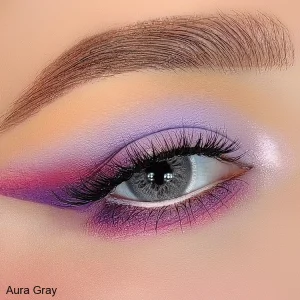
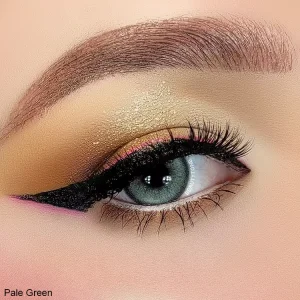
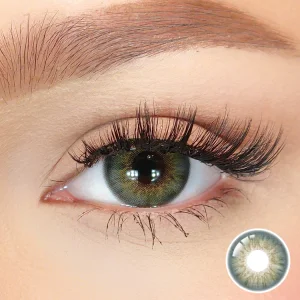
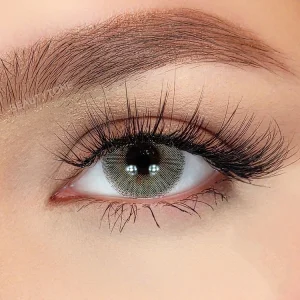
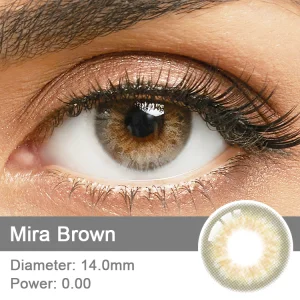
To produce products such as the 2-Tone and 3-Tone color lenses, the printing matrices must align perfectly with standard human pupillary clearances. Sub-standard designs risk visual impairment or pupil occlusion. Mio Lenses utilizes computerized multi-layer pad printing and advanced dot-matrix layouts. This creates natural blending transitions (as seen in the Charming Cappuccino or Natural Gray products) while guaranteeing that the central optical zone remains free of pigment, maximizing visual clarity.
Shenzhen Mio Lenses Co., Ltd. allocates a substantial percentage of its annual revenue to research, development, and machinery upgrades. Our technical roadmap outlines a clear pathway towards integrating material advancements with digital healthcare features.
For medical devices Class II (USA) and Class IIb / Class III (EU), compliance is not optional—it is the foundation of market accessibility. Shenzhen Mio Lenses Co., Ltd. is proud to be CE certified, conforming to the stringent health, safety, and environmental protection standards of the European Economic Area.
Every shipment of monomer undergoes high-performance liquid chromatography (HPLC) and gas chromatography-mass spectrometry (GC-MS) analysis to confirm the absence of residual unreacted toxic monomers. Colorants utilized in the BeautyTone series are FDA-approved, medical-grade pigments.
We utilize the "Sandwich" Cast Molding technology. The pigment layer is not printed directly onto the lens surface, nor does it come into contact with ocular tissue. Instead, the color pattern is sealed between two layers of bio-compatible polymer material. This structural isolation guarantees that pigments cannot migrate or bleed onto the cornea, ensuring total long-term safety even during extended wear cycles.
Our sterilization lines are validated through physical and microbiological challenge tests, using steam autoclave cycles reaching at least 121°C for 20 minutes, ensuring a Sterility Assurance Level (SAL) of $10^{-6}$.
Cosmetic lenses are used across several distinct demographics, requiring manufacturers to adapt their design profiles to different market expectations:
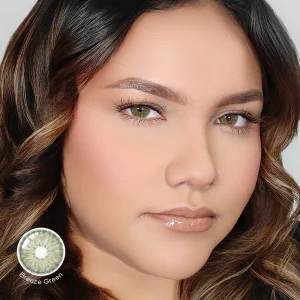
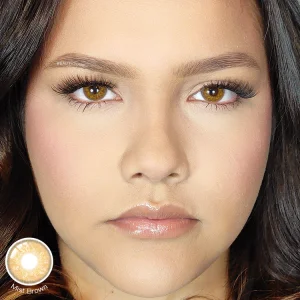
In mature metropolitan markets (e.g., Tokyo, Seoul, London, New York), the primary consumer objective is subtle enhancement. Consumers select designs like the Grace Green or Caramel 2 Tone to achieve natural iris depth for office wear, video conferencing, and daily activities. These lenses prioritize high hydration and a lower modulus to reduce eye strain during prolonged screen exposure.
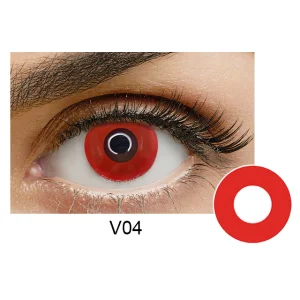
For cultural events, conventions, and theatrical productions, color intensity and opacity take priority. Products like the Halloween Red Anime Cosplay Lens utilize high-opacity backdrops to completely block the user's natural iris color. The physical design focus shifts toward maintaining lens stability and centration, preventing the lens from slipping off-center during expressive physical movements.
Many consumers require both refractive correction and cosmetic enhancement. The factory offers prescription mapping options across its cosmetic lines, ensuring that sphere powers (ranging from -0.50D to -8.00D or higher) are precisely ground without distorting the printed pattern alignment.
Explore our specialized products, including high-opacity cosplay designs, small-diameter natural rings, and custom colorways.