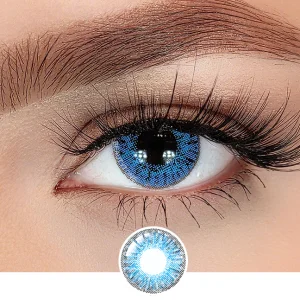
Mio Lenses
Mio Lenses
Mio Lenses
Explore our flagship collections of BeautyTone Pure Tone contact lenses, combining artistic color aesthetics with clinical-grade comfort.
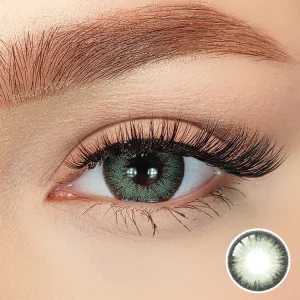
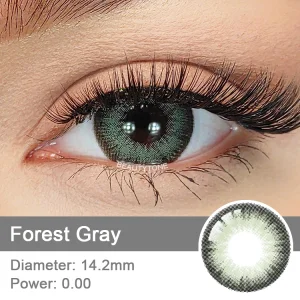
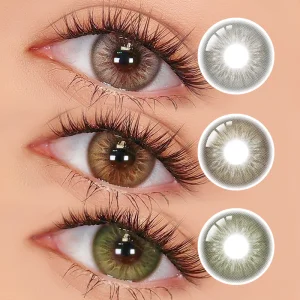
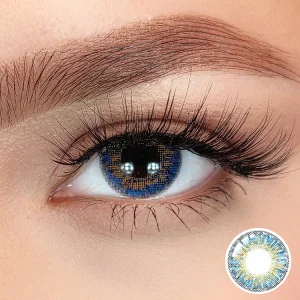
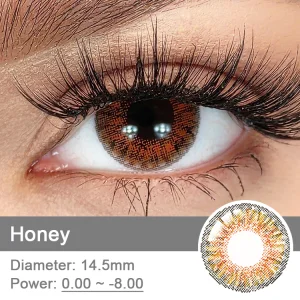
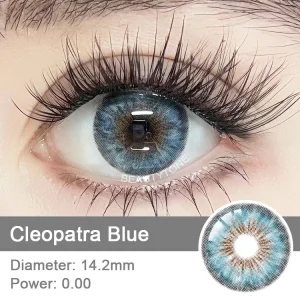
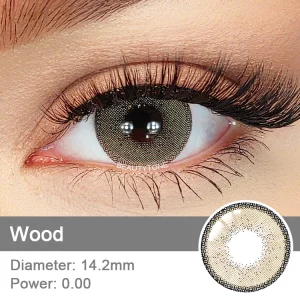
In the contemporary ophthalmic cosmetic industry, contact lenses have transcended their primary optical correction function to become high-margin, high-turnover cosmetic statements. At the center of this revolution is the BeautyTone Pure Tone Contact Lens, a product line representing the perfect synergy between physiological safety and advanced color science. As global demand for high-end aesthetic contacts spikes, brands and distributors require suppliers who can deliver not just raw items, but certified quality, high bio-compatibility, and design precision.
This whitepaper explores the manufacturing paradigms, material science developments, and economic advantages that define China's premium production ecosystem. By integrating medical-grade hydrogel technologies with innovative pigment encapsulation, Shenzhen Mio Lenses Co., Ltd. has established itself as a premier global OEM/ODM manufacturer, addressing the stringent regulatory frameworks of Europe, North America, and Southeast Asia. Our capability ranges from minor customizations of existing design portfolios to drawing-based customization that transforms client-specific concepts into clinical-grade ophthalmic products.
Information Gain Factor: Unlike generic contact lens suppliers, our proprietary 3-Tone Color Wrapping Technology guarantees that colors remain encapsulated between two layers of polymer matrix, preventing direct contact with the ocular surface. This ensures zero pigment leakage, optimal comfort, and pure tone color fidelity that complements the iris.
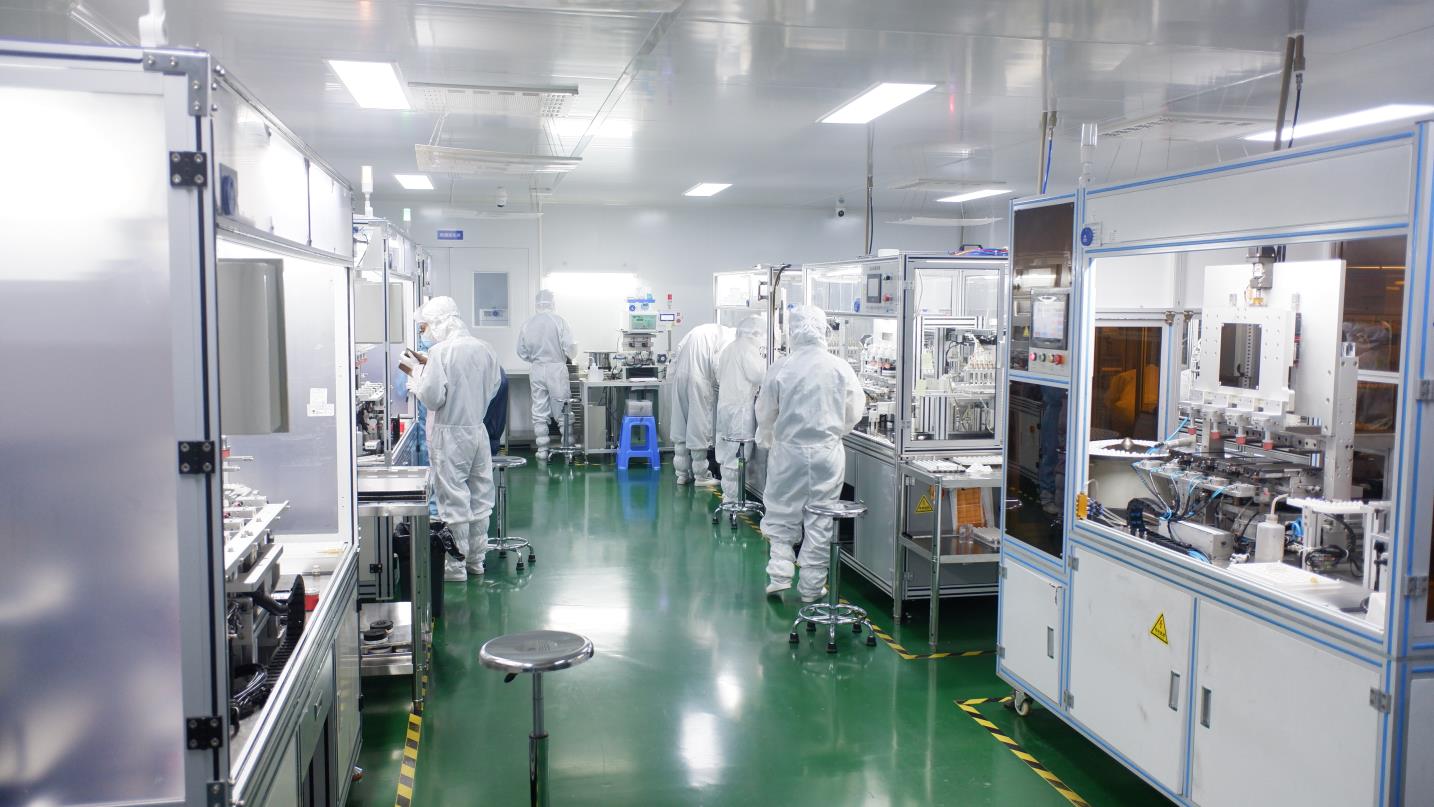
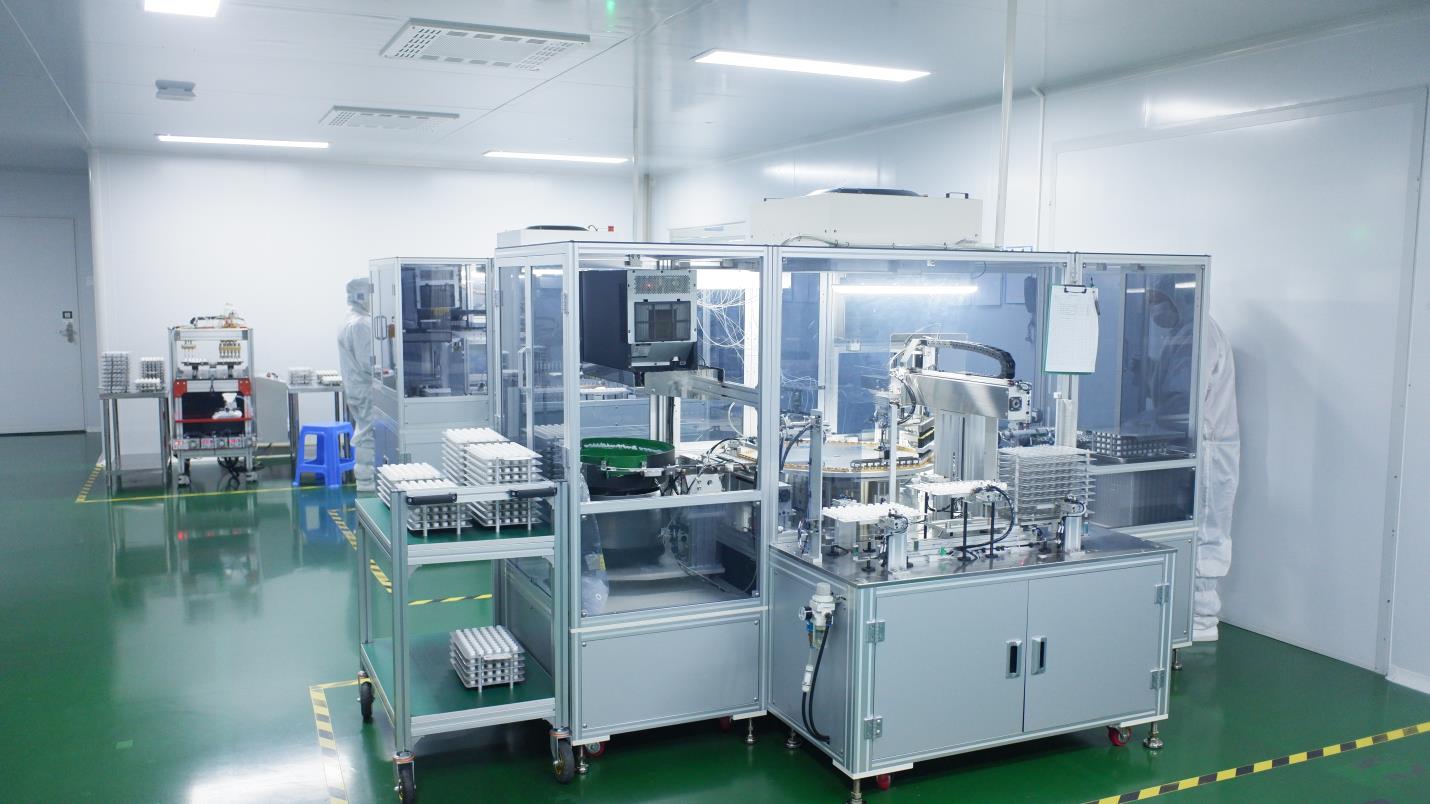
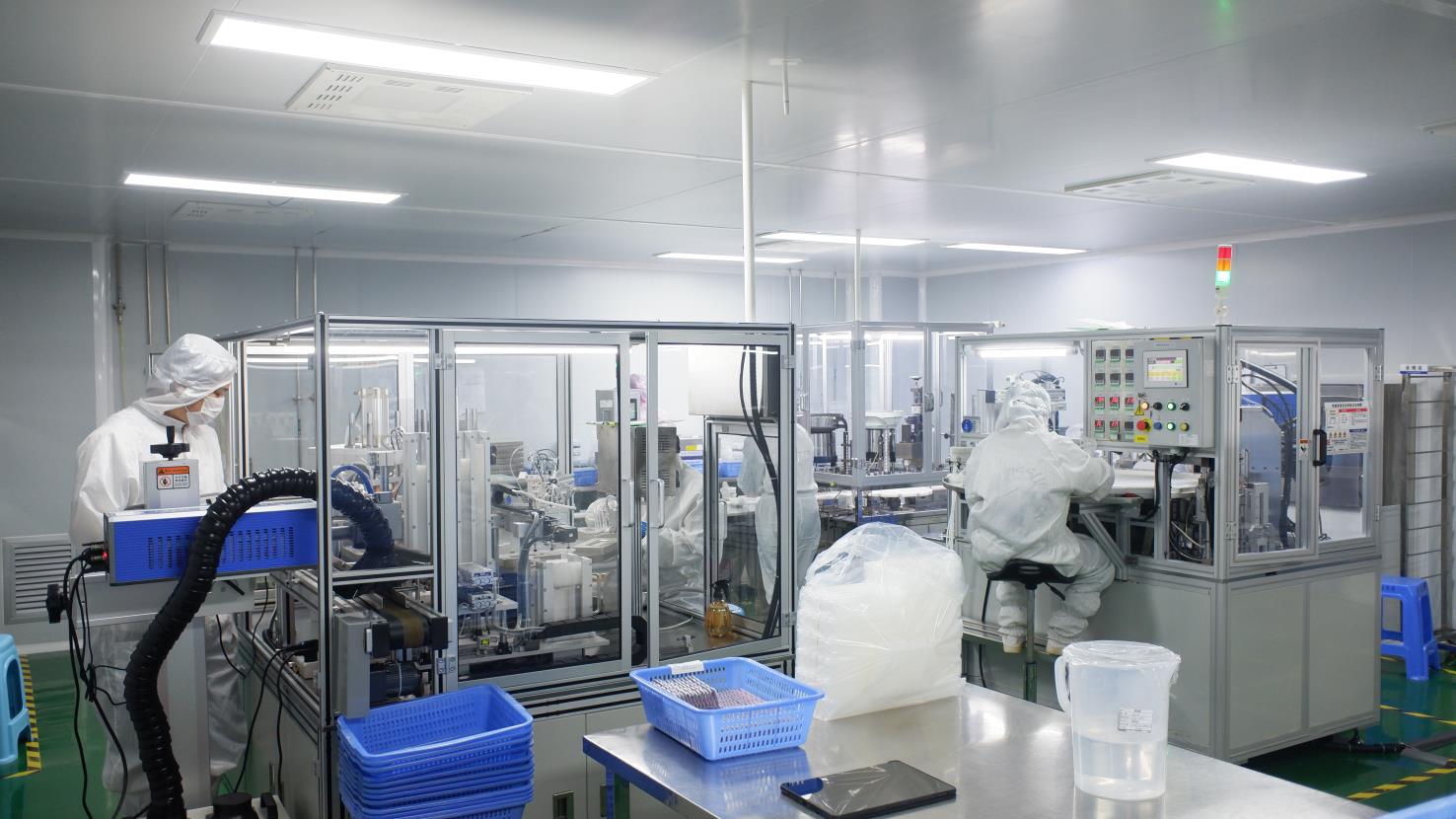
China's manufacturing sector has undergone a profound evolution from low-cost mass production to advanced precision engineering. For cosmetic contact lenses, this transformation is characterized by the implementation of automated production processes, cleanroom environmental controls, and sophisticated digital quality validation. Located in China's innovation capital, Shenzhen Mio Lenses Co., Ltd. operates at the absolute apex of this manufacturing paradigm.
We provide full drawing-based customization and minor aesthetic tweaks to accommodate the dynamic demands of regional beauty landscapes.
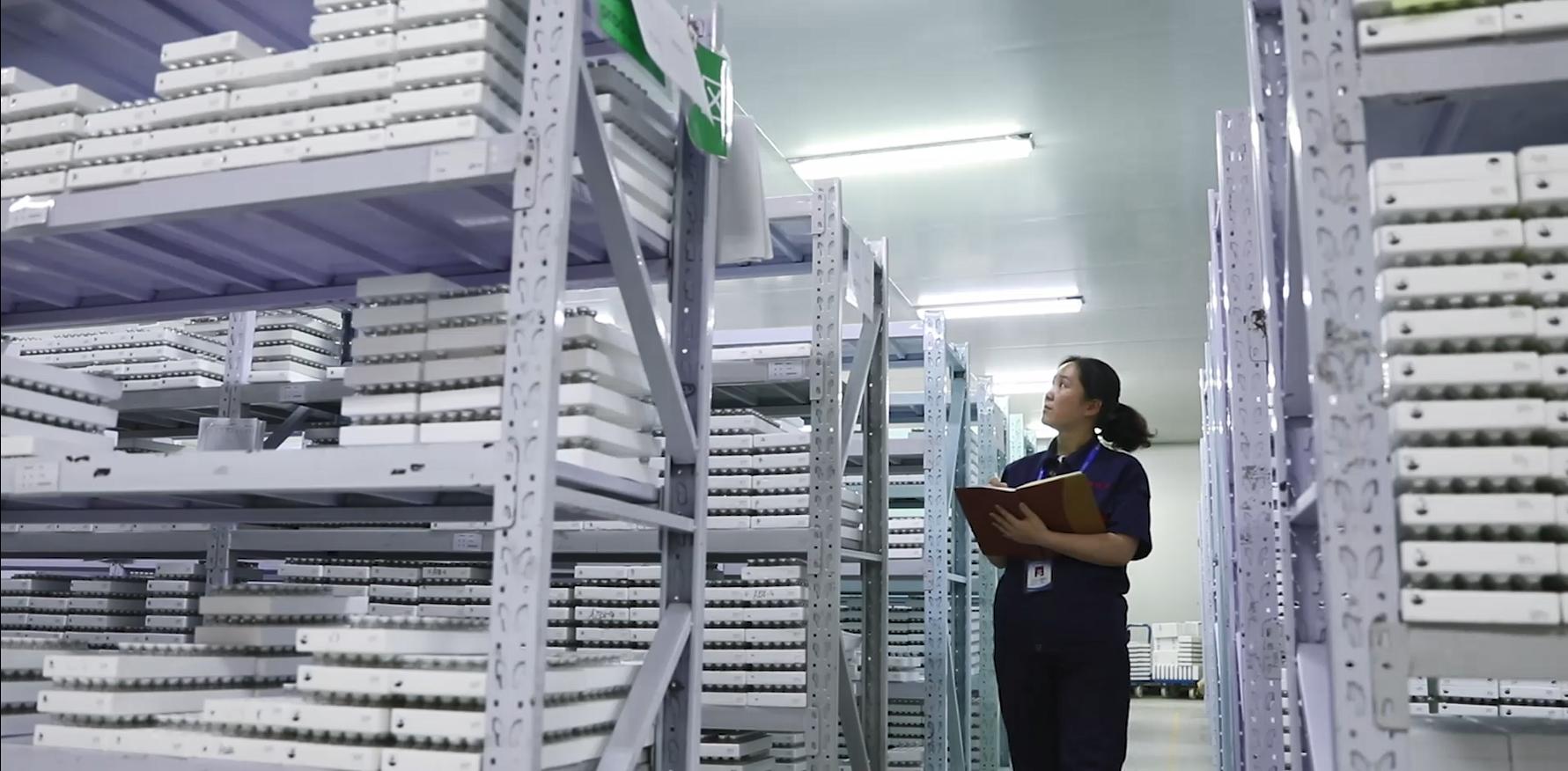
From initial high-purity monomer synthesis to packaging materials, every batch is logged and traceable down to the specific raw material origin.
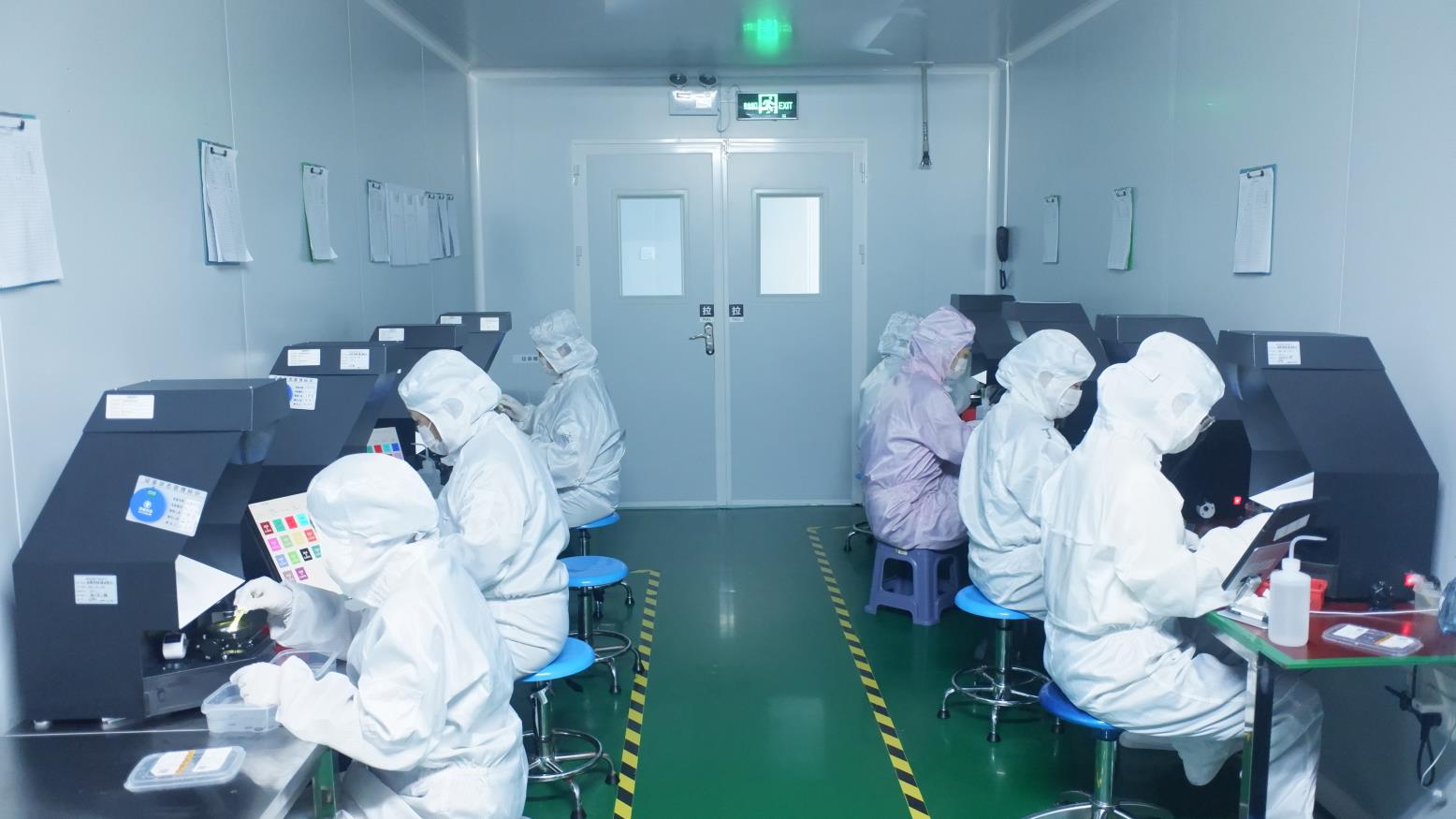
Our Quality Assurance team executes automated optical scans for geometric consistency, edge smoothness, and color layer positioning on 100% of finished lenses.
Our facility holds the European Conformity (CE) certificate, which serves as clear proof of our adherence to global health, safety, and environmental protection standards. By utilizing high-speed cast molding systems, we minimize human intervention, ensuring that parameters such as base curve, water retention profile, and power accuracy remain perfectly uniform across millions of units annually.
The global colored contact lens market is experiencing a profound structural shift driven by changes in consumer demographics and regulatory controls. Analysis of buyer intent indicates three major megatrends shaping today's industry:
Understanding target demographics is critical for global distributors. The BeautyTone line has been deliberately developed to address distinct consumer scenarios:
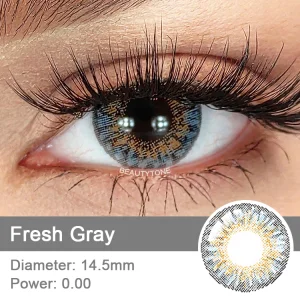
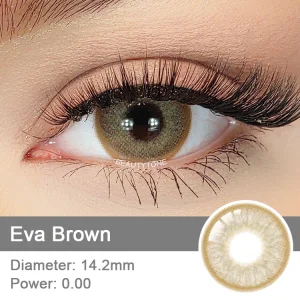
Scenario A: The Professional Daily Aesthetic. Consumers in markets like Western Europe and North America often seek a subtle color alteration that looks natural under office lighting. Lenses with a 14.2mm diameter and soft color gradients, such as Fresh Brown or Eva Brown, provide a gentle enlargement while maintaining a professional appearance.
Scenario B: High-Fashion and Photographic Media. For editorial shoots, bridal makeups, and high-fashion modeling, eyes must reflect light vividly. High-chroma options like Cleopatra Blue and True Sapphire 14.5mm create high-contrast color highlights that remain visible and striking under intense photographic flashes and studio lighting.
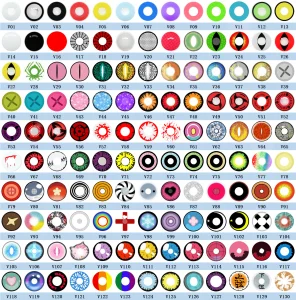
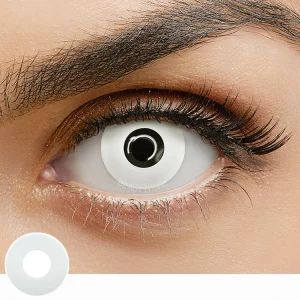
Scenario C: Creative Play & Entertainment. The rapidly expanding gaming and anime community has created year-round demand for high-opacity thematic lenses. The Halloween Zombie White and Monster Eye Cosplay Red provide complete natural iris coverage, ensuring pure, striking pigment presentation for cosplayers and theatrical performers.
For large-scale distributors, cosmetic brands, and pharmaceutical chains, a contact lens is more than a beauty product; it is a regulatory asset. In many jurisdictions, colored contact lenses are classified as Class II or Class III medical devices. Navigating the registration pathway, customs compliance, and quality auditing requires a partner with systematic industrial integrity.
Shenzhen Mio Lenses Co., Ltd. addresses this complexity by offering comprehensive documentation support, including chemical compatibility data, raw material safety certificates, and manufacturing process validation logs. Our logistics networks are optimized to handle both temperature-sensitive dry shipments and pre-packaged sterile blister packs, ensuring no product degradation occurs during global maritime or air transit.
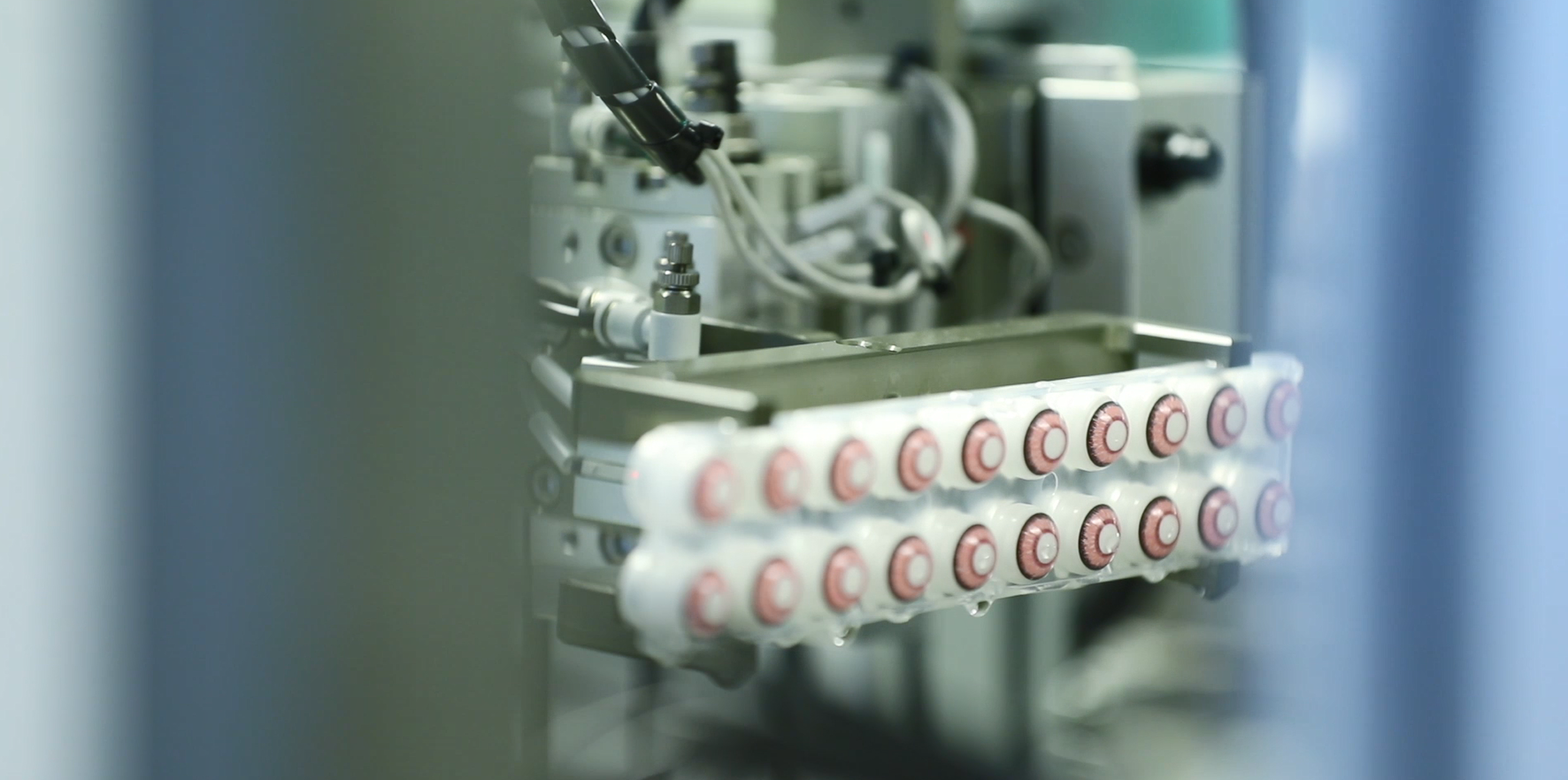
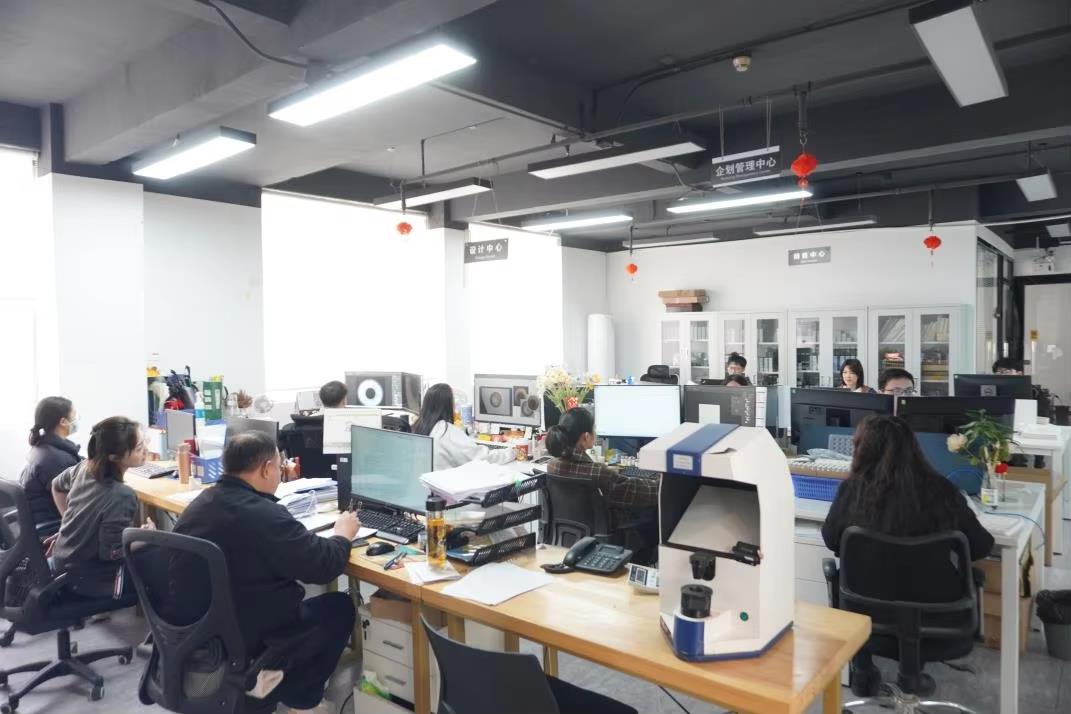
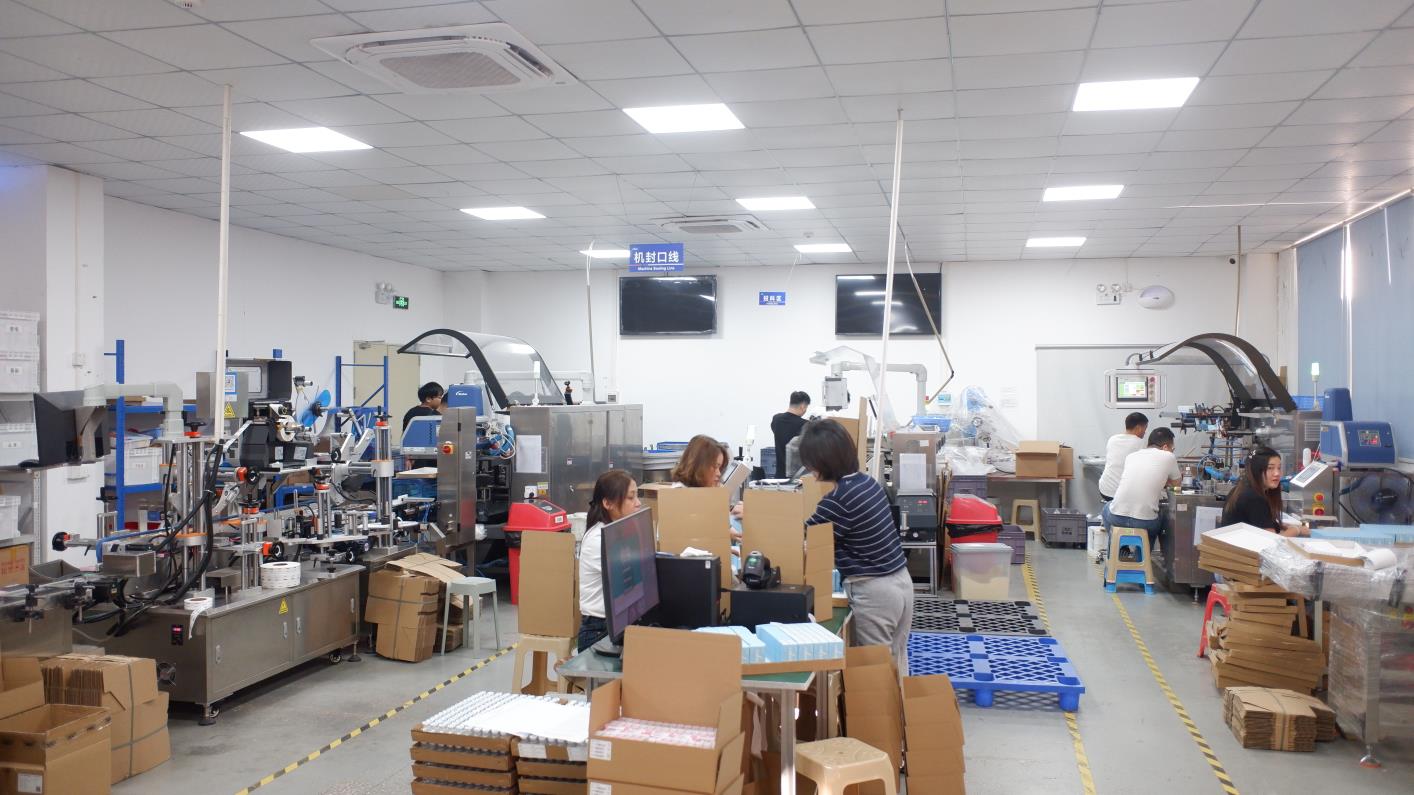
Our cleanrooms and quality laboratories maintain an ultra-sterile, dust-free environment. Below is a detailed view of our technical processes, certificate compliance documentation, and advanced automated inspection lines:
To facilitate systematic comparison and sourcing decisions by product managers, the physical and chemical characteristics of the BeautyTone series are detailed in the index table below:
| Parameters | Standard Specification Range | Clinical & Aesthetic Benefits |
|---|---|---|
| Material Composition | Hydrogel HEMA / NVP Copolymer | Maintains soft structure, high physical flexibility, and structural tear resistance. |
| Water Content | 38% - 42% | Balanced hydration prevents dehydration-induced dry eye syndrome during long wear. |
| Base Curve (BC) | 8.50 mm - 8.60 mm | Fits the anatomical corneal curve of the majority of global demographics. |
| Diameter (DIA) | 14.00 mm - 14.50 mm | Offers configurations from natural size integration to visible pupil enlargement. |
| Center Thickness | 0.08 mm - 0.12 mm (@ -3.00 D) | Ultra-thin center profile optimizes oxygen transmission (Dk) to the cornea. |
| Pigment Encapsulation | Dual-Layer Matrix Sandwich Method | Zero direct eye contact with dye particles, preventing chemical and mechanical irritation. |
| Replacement Cycle | Daily, Monthly, Yearly (12 Months) Options | Accommodates different disposable practices and budget plans of global markets. |
A1: BeautyTone lenses use the Sandwich Printing Technology, where color pigments are safely sealed inside the middle of the lens. This prevents the printed design from directly touching the corneal tissue, protecting ocular health and keeping colors bright without chemical degradation from eye moisture.
A2: Yes, we provide Minor Customization services. This allows clients to adjust print diameters, modify inner circle colors, or alter outer limbal ring densities on our existing catalog models to better target specific consumer tastes.
A3: For complete customization, clients submit detailed vector design graphics or high-resolution conceptual drawings. Our engineering division creates a physical testing mold, generates color samples, and adjusts parameters to guarantee the final design meets both aesthetic requirements and optical safety regulations.
A4: Yes, Shenzhen Mio Lenses holds valid CE Certification. This verifies our compliance with crucial health, safety, and environmental criteria, enabling quick distribution across Europe and regions that follow European medical standards.
A5: We follow a digital Raw Material Identification & Traceability system. Every batch of polymer monomer, color paste, and packaging film is barcoded upon warehouse entry. This lets us trace any finished contact lens back to its raw material source and initial manufacturing step.
A6: Each manufacturing run goes through a detailed Finished Product Inspection. We utilize automatic optical scanners to inspect for edge imperfections, surface anomalies, and color placement accuracy, followed by manual verification under high-magnification stereomicroscopes.
A7: For standard catalog items in stock, orders ship within 5-10 business days. Custom OEM/ODM orders, which require custom formulation, mold setup, and sterilizing, typically have a production cycle of 30-45 days depending on the customization scope.
A8: Yes, we supply full-service custom packaging solutions, including printed cardboard boxes, custom blister seals, and user instruction inserts. This allows brands to receive retail-ready products directly from our warehouse.
Explore our creative, theatrical, and premium color options designed for high opacity, striking definition, and theatrical expressions.