Mio Lenses
Mio Lenses
Mio Lenses
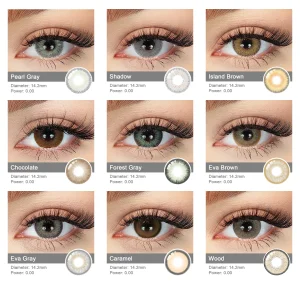
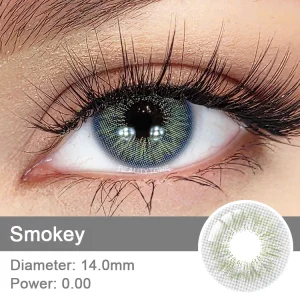
Engineered for optical precision, comfort, and safety. View our first selection of international export-grade colored contact lenses.
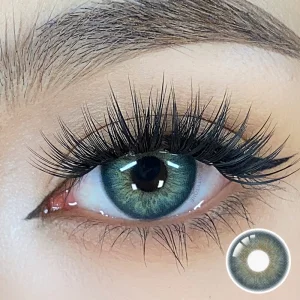
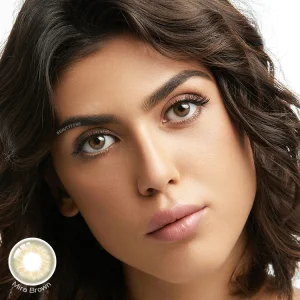
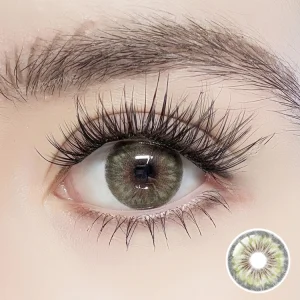
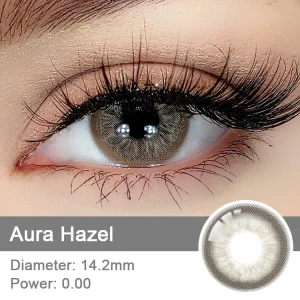
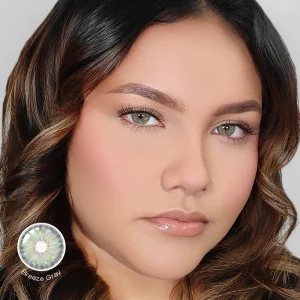
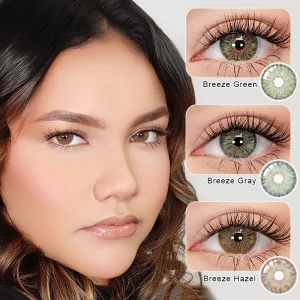
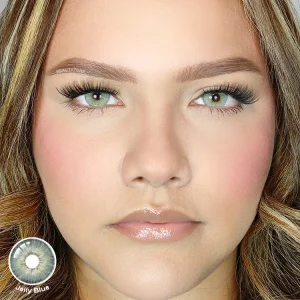
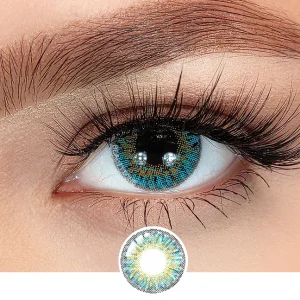
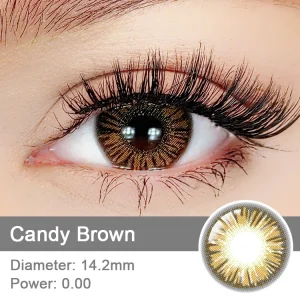
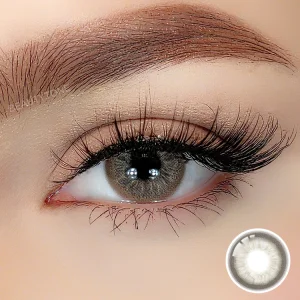
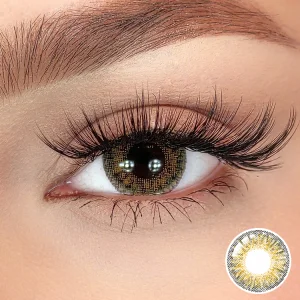
In the highly regulated optical device industry, contact lenses represent a sophisticated intersection of material science, optical physics, and medical-grade aesthetics. As a leading manufacturer and exporter, Shenzhen Mio Lenses Co., Ltd. has established a robust production and compliance infrastructure designed to meet the rigorous demands of global business-to-business (B2B) procurement channels. The BeautyTone Crystal collection showcases the heights of aesthetic and technical integration, combining naturalistic iris patterning with medical-grade biocompatibility standards.
The global contact lens market is projected to expand significantly, driven by a growing demand for cosmetic enhancements, visual correction, and custom ocular designs. B2B buyers—ranging from regional optical chains and medical distributors to digital-first cosmetic brands—require highly reliable suppliers who can offer absolute consistency, safety, and operational traceability. The export of soft contact lenses (specifically under HS Code 900130) demands strict compliance with national health authorities, marking regulatory clearance as the ultimate bottleneck for market entry.
"Regulatory compliance is not just a legal barrier; it is the cornerstone of consumer safety and brand longevity. The CE certification is a testament to our adherence to Annex II of the Medical Devices Directive, ensuring that every lens manufactured by Shenzhen Mio Lenses Co., Ltd. meets the highest standards of safety, quality, and clinical efficacy."
For international buyers, importing from a CE certified contact lenses exporter guarantees that the products have undergone comprehensive conformity assessments, including safety tests, biocompatibility evaluations under ISO 10993, and rigorous factory audits. As global regulatory bodies align closer with the European Union's Medical Device Regulation (MDR 2017/745), partnering with an exporter possessing established CE compliance is a strategic prerequisite for future-proofing your supply chain.
Integrating advanced material engineering with customizable design routes to serve diverse global markets.
Tailored packaging solutions, custom private-label branding, and targeted color-tint modifications designed to match local consumer preferences and brand identity without compromising structural parameters.
Full-scale design adaptation from client schematics. Our engineers translate technical drawings, specific pupil diameters, base curves, and multi-tone iris printing layers into production-ready physical molds.
End-to-end logging of all incoming polymers, monomer elements, and physiological colorants. Each production batch features a documented origin path to ensure standard compliance and security.
Multistage testing including optical power verification via focal meters, edge-defect inspection using automated vision recognition systems, and physical dimensions measurements to secure zero-defect logistics.
Systemic validation adhering to EN ISO 13485:2016. The CE mark validates that our cosmetic and corrective soft contact lenses conform to EU consumer health, safety, and environmental protection standards.
The manufacturing architecture of the BeautyTone Crystal range rests on high-permeability Hydrogel polymers (HEMA-based and HEMA-NVP copolymers). These materials are chosen specifically for their optimal balance of water retention, mechanical durability, and oxygen transmissibility ($Dk/t$). Maintaining corneal health is paramount, and these parameters prevent ocular hypoxia, redness, and long-term corneal damage.
A primary concern with cosmetic or colored contact lenses is the potential migration of pigments onto the ocular surface. Shenzhen Mio Lenses Co., Ltd. implements a precise *double-layer encapsulation system* (often called the sandwich method). In this process, the bio-compatible dye layers are locked securely within the inner hydrogel matrices. Consequently, the colorant never comes into contact with the cornea or the palpebral conjunctiva, ensuring 100% safety and a smooth lens surface that resists lipid and protein deposits.
Standard spherical lenses can exhibit spherical aberrations, leading to slight visual distortion, particularly in low-light environments. The BeautyTone Crystal series is engineered with an advanced *aspheric front surface design* that optimizes light convergence on the retina, offering crisp visual acuity. Additionally, the edge profile of each lens features a sub-micron tapered design. This thin, rounded edge facilitates tears exchange during blinking, maintaining consistent hydration and preventing dry-eye symptoms during extended wear.
Key Physical Parameters:
• Water Content: 38% - 42% (Optimized to prevent dehydration of the lens structure)
• Base Curve (BC): 8.5mm – 8.6mm (Engineered to match global anatomical averages)
• Diameter (DIA): 14.0mm – 14.5mm (Providing both natural fit and slight cosmetic enlargement)
• Center Thickness: 0.08mm (@ -3.00 D) for optimal oxygen transmission
A step-by-step breakdown of how Shenzhen Mio Lenses Co., Ltd. ensures zero-defect quality across all global shipments.
Medical grade raw materials are verified using liquid chromatography and FTIR spectroscopy to confirm molecular purity and chemical stability before polymerization begins.
Using computerized CNC master molds, raw liquid monomer is injected and cured under controlled ultraviolet (UV) and thermal zones to yield high-fidelity polymers.
Lenses are hydrated in physiological saline solutions to reach their equilibrium water content. Extraction steps remove residual monomers, yielding highly purified, bio-safe materials.
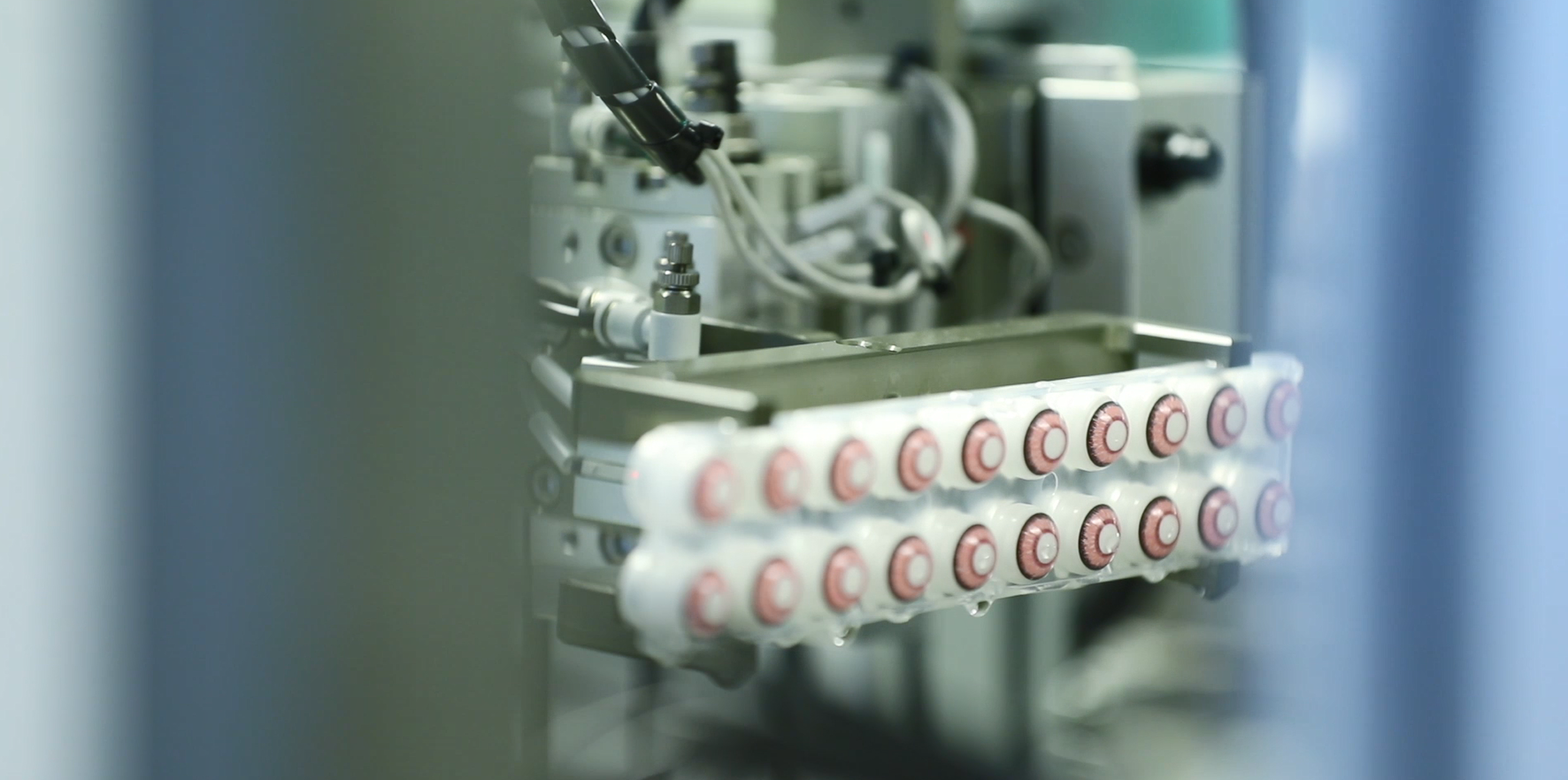
Automated inspection equipment scans 100% of lenses for microscopic bubbles, edge defects, center alignment deviation, and surface anomalies.
Lenses are packaged in individual blister packs or glass vials, sealed, and exposed to steam sterilization at 121°C for 20-30 minutes to guarantee complete sterilization.
Operational verification photos highlighting cleanrooms, inspection units, sterile warehousing, and CE certificate validation.
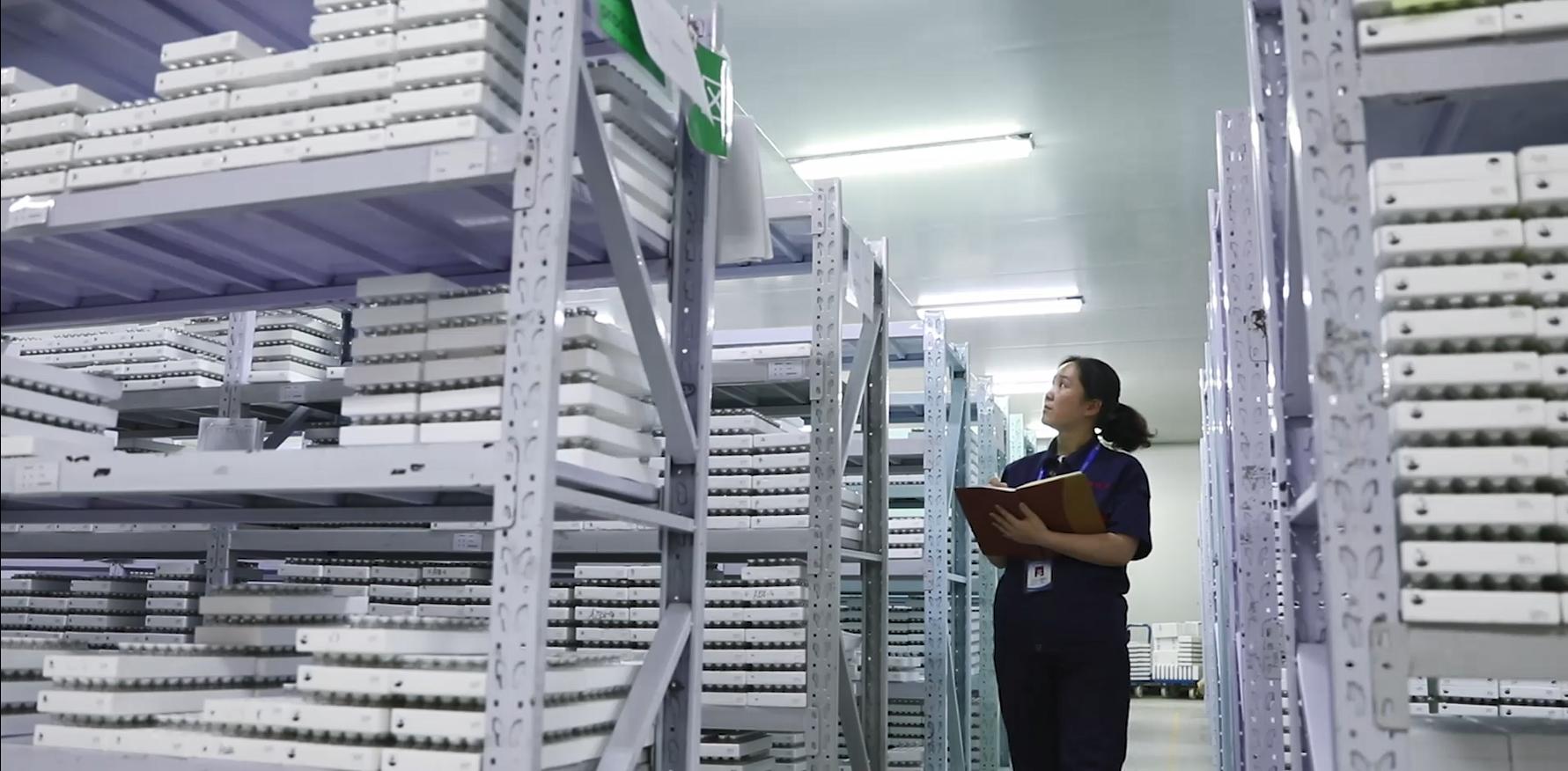
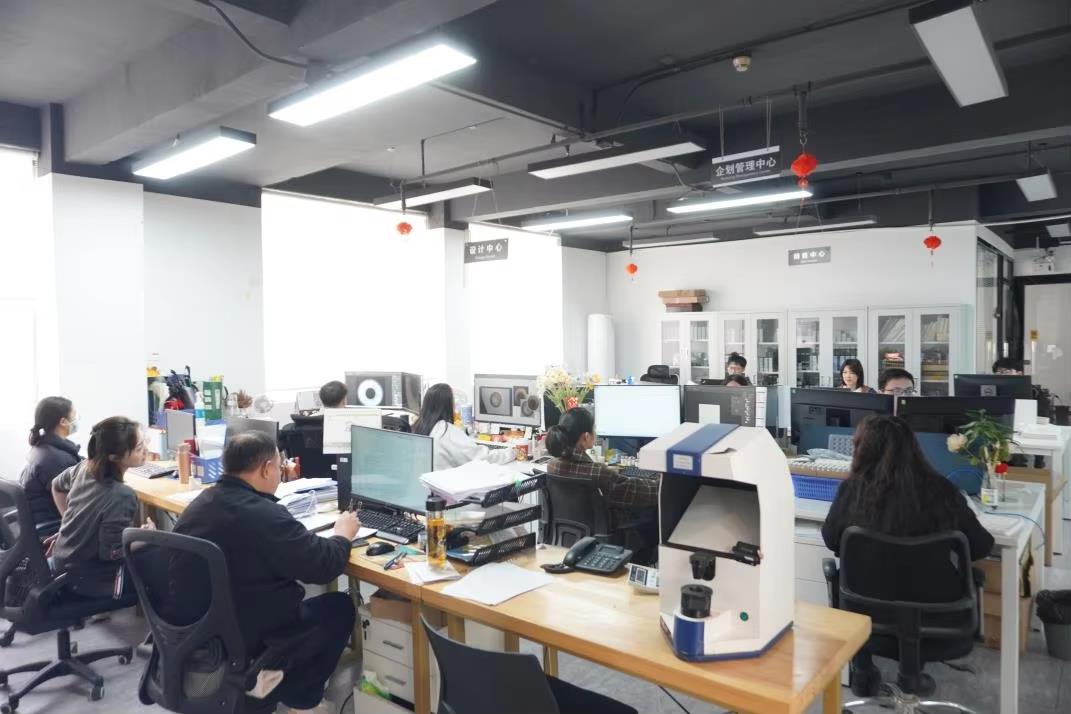
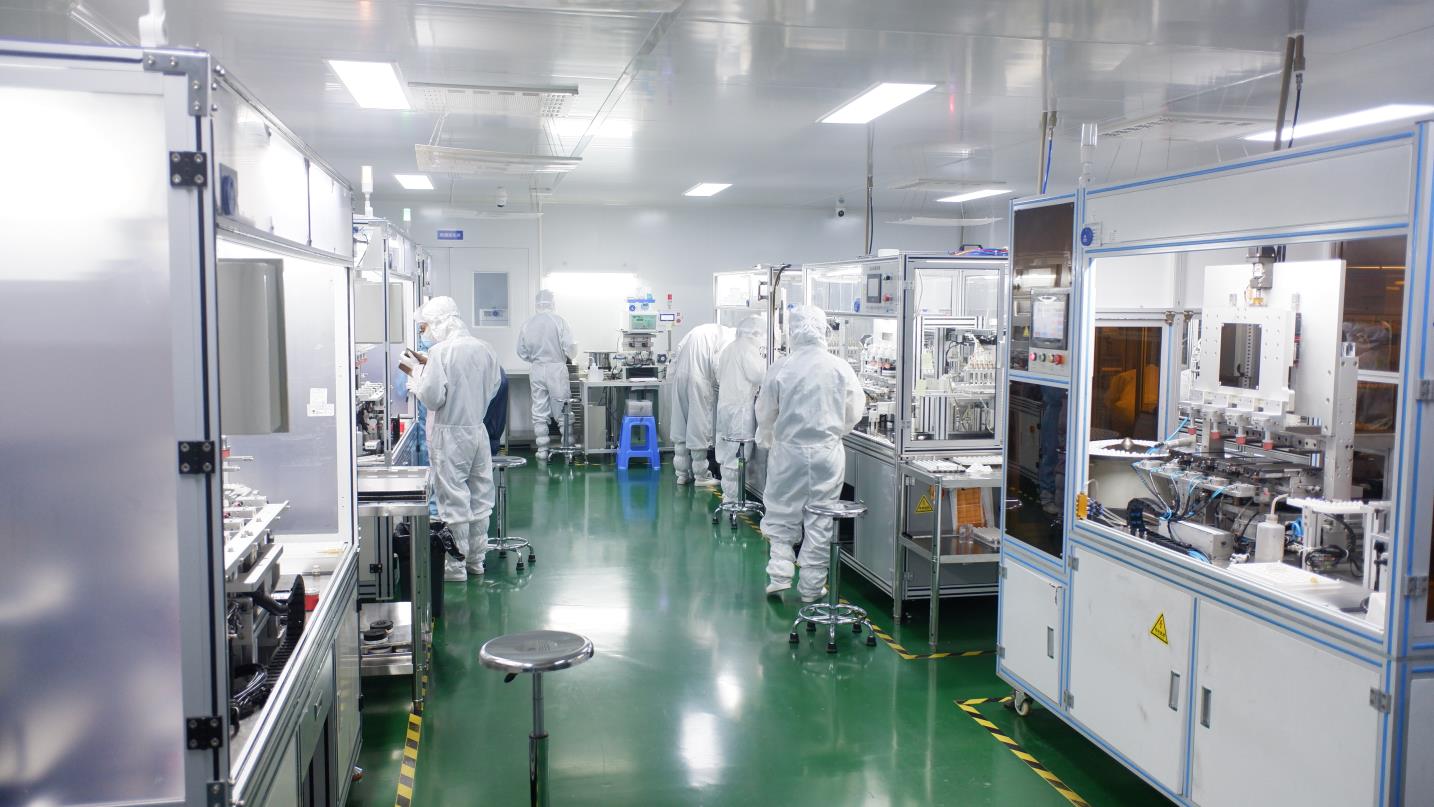
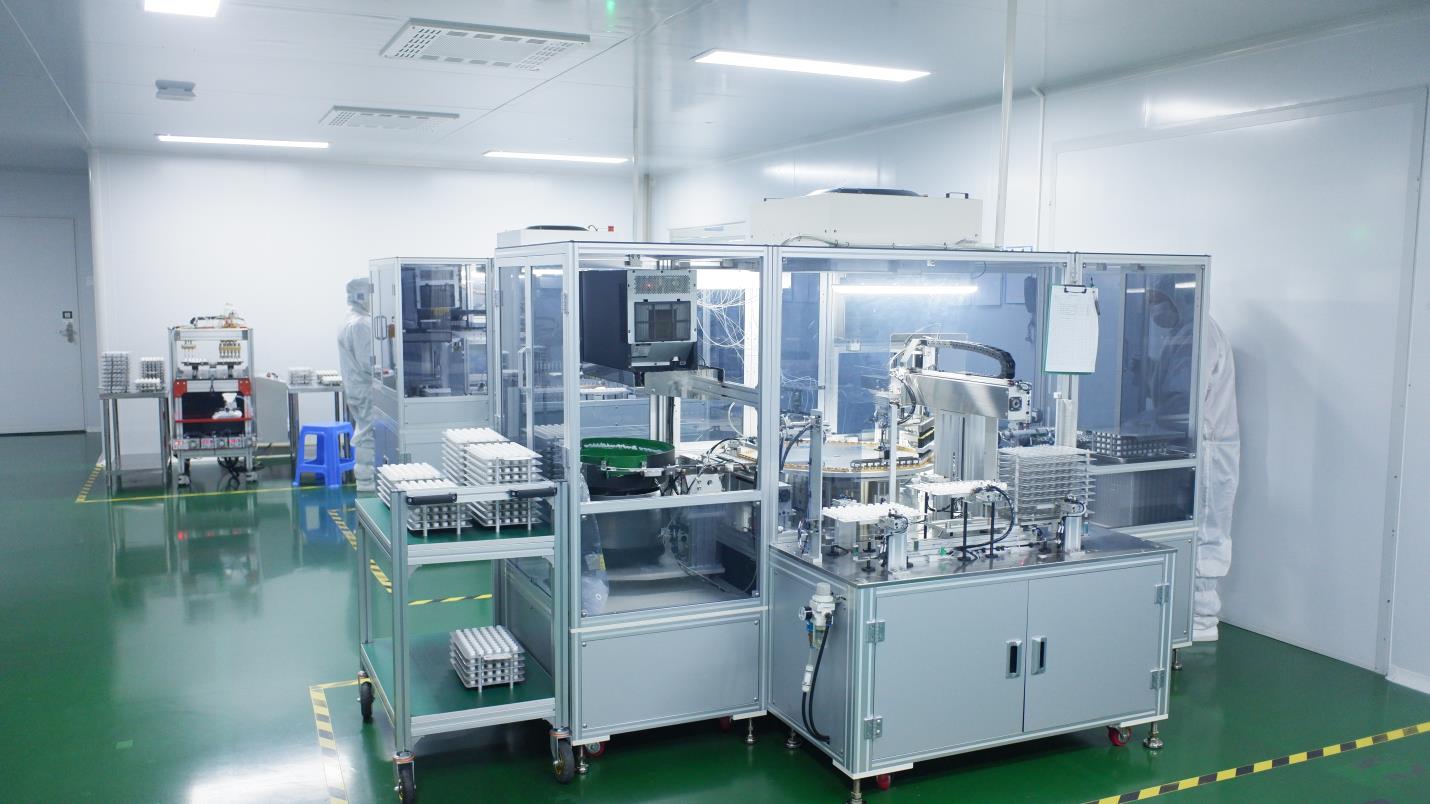
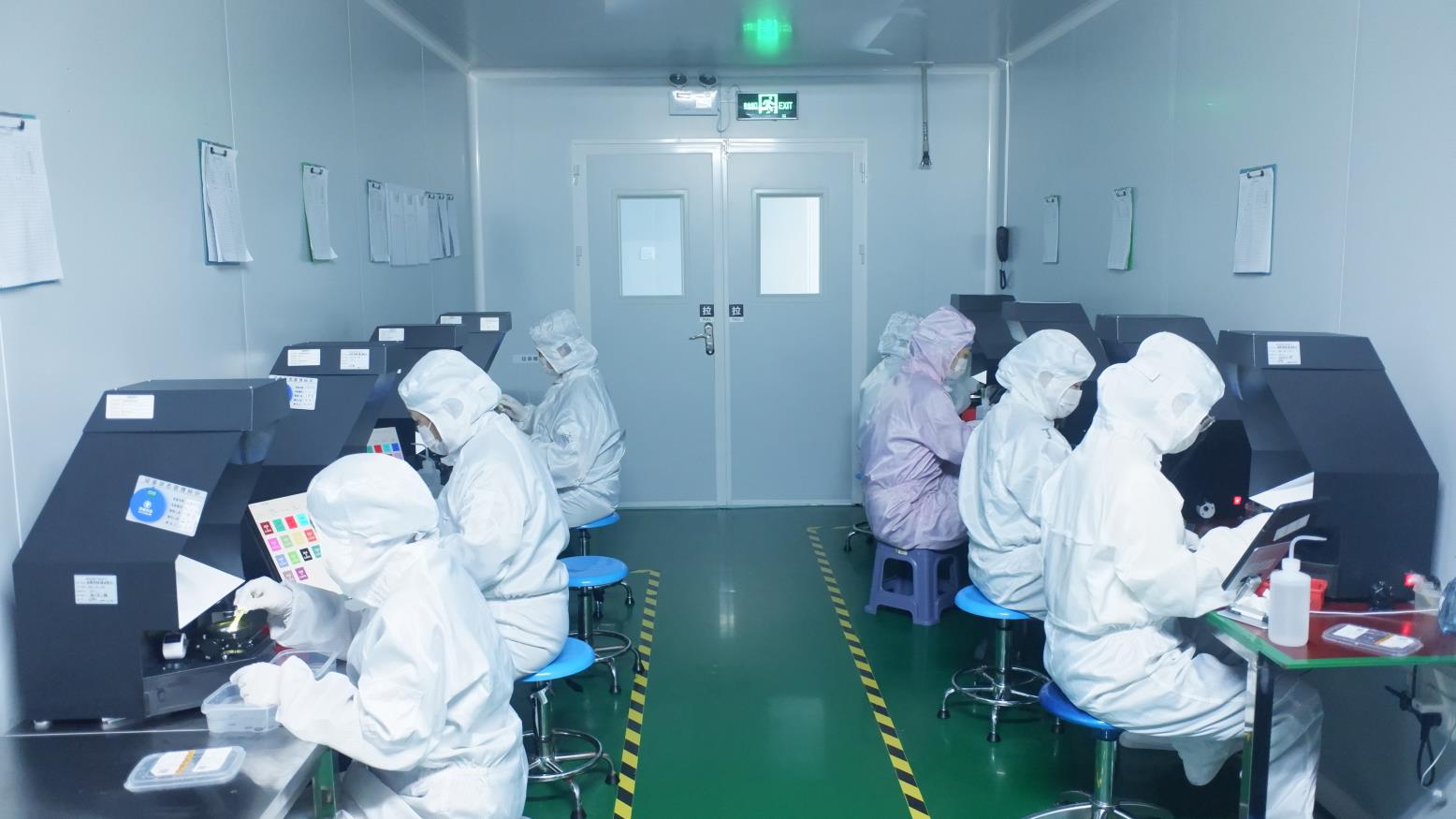
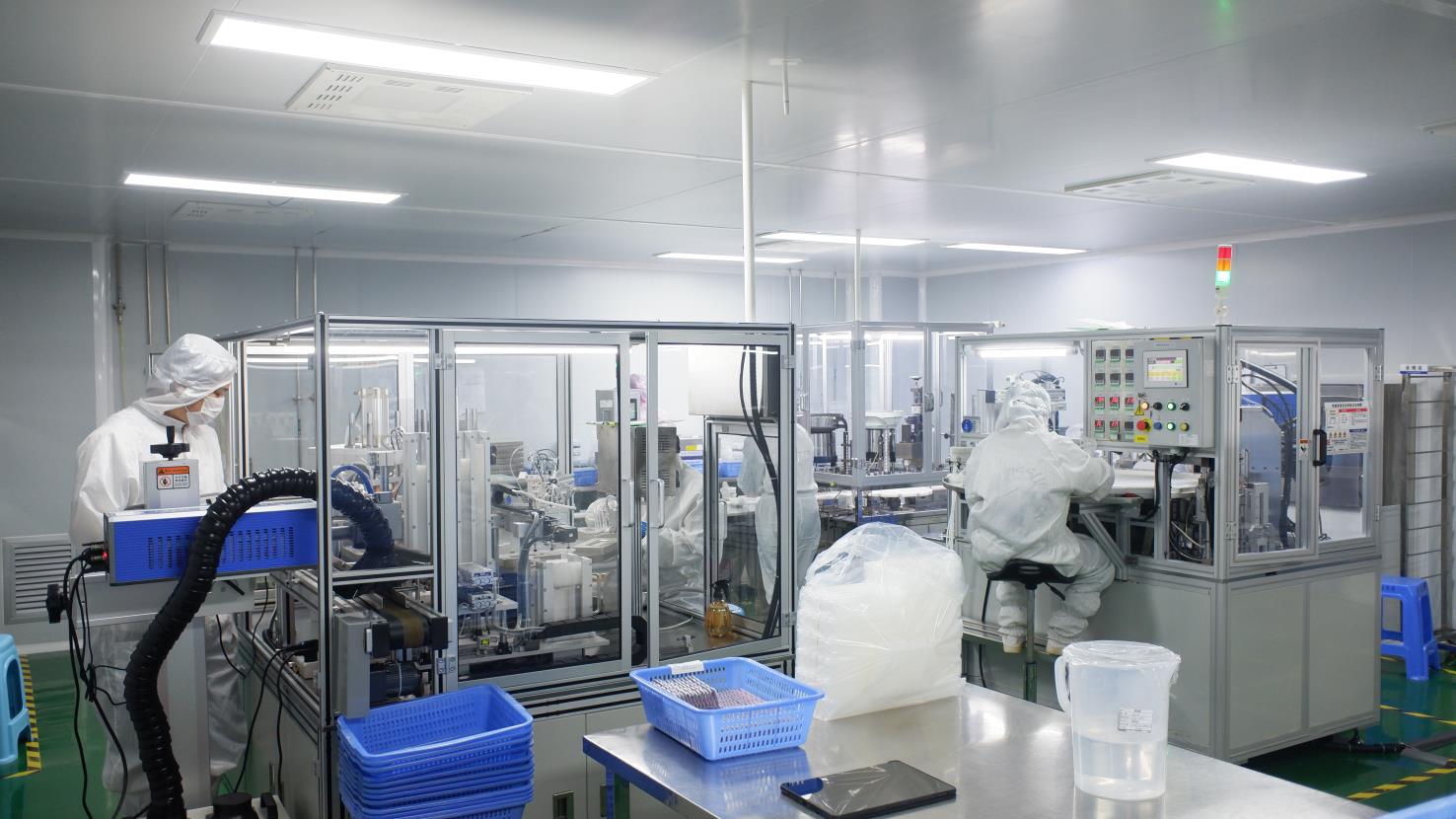
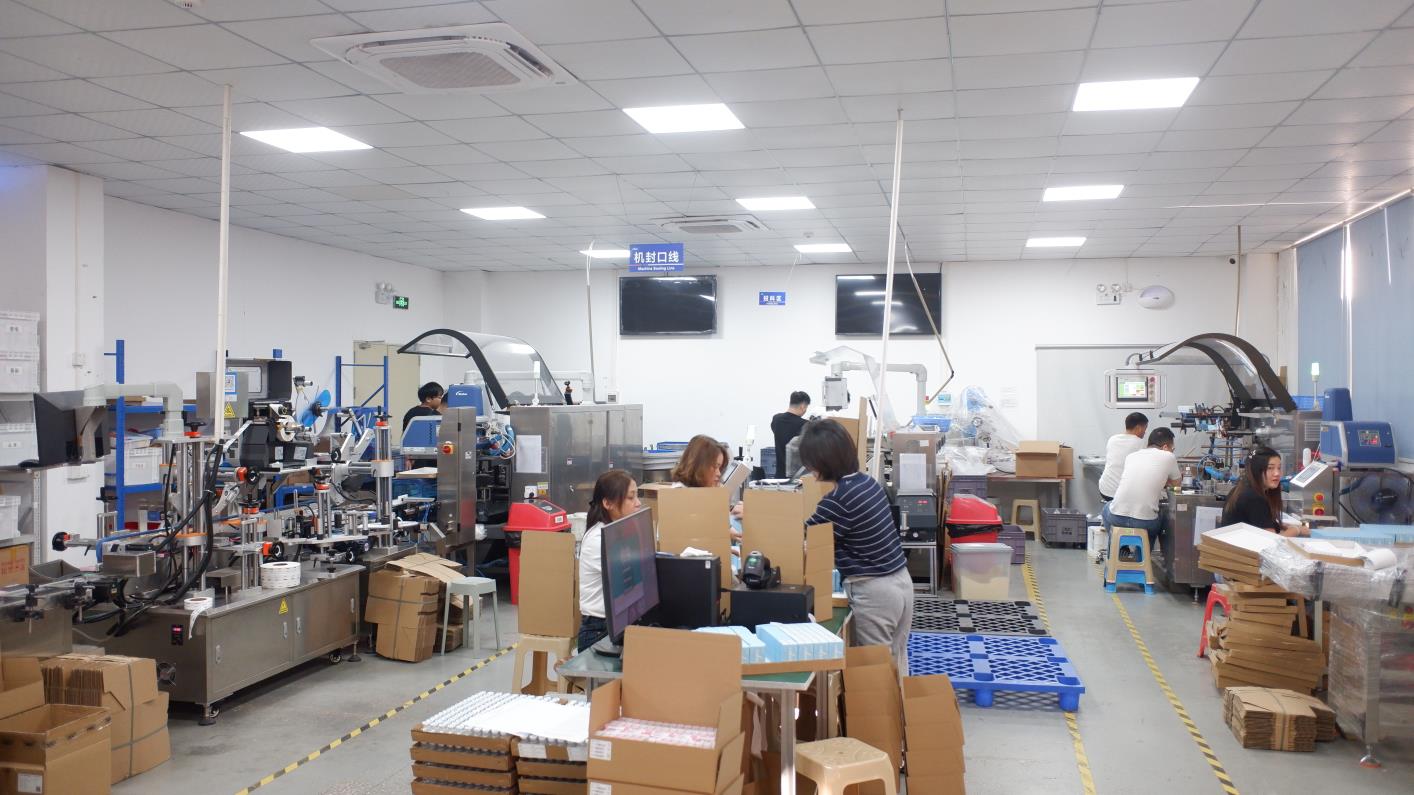
Managing the international logistics of medical-grade contact lenses requires careful execution of cross-border customs regulations. As a premier exporter, Shenzhen Mio Lenses Co., Ltd. provides a structured framework that mitigates transit risks, streamlines customs clearances, and guarantees optimal storage conditions during shipping.
Because soft contact lenses are suspended in physiological saline solutions within blister packs, they are sensitive to extreme temperatures. Freezing temperatures can rupture the polymer matrix, while excessive heat can compromise the sterile seals. We utilize thermal-insulated packaging and work closely with top-tier logistics providers (DHL, FedEx, UPS, and reliable air freight options) to ensure that the lenses remain within a stable temperature range (15°C to 25°C) during transit.
Different global jurisdictions have varying documentation requirements for medical devices. Shenzhen Mio Lenses Co., Ltd. provides a complete compliance package with every shipment, containing:
For brands and distributors targeting localized markets, we offer custom packaging templates that comply with local labeling laws, including translations of Instructions for Use (IFU) sheets, local customer service contact details, and barcode generation (EAN/UPC/GTIN) for seamless inventory management.
Detailed answers addressing regulatory, technical, and commercial inquiries for B2B buyers.
As the contact lens industry transitions toward silicone hydrogel materials and smart sensory integration, Shenzhen Mio Lenses Co., Ltd. is investing in next-generation technologies to expand its export catalog. Our engineering team is currently developing a new range of high-performance silicone hydrogel (SiHy) cosmetic lenses. These lenses will feature an oxygen transmissibility rating ($Dk/t$) exceeding 100, allowing for safe overnight or extended wear.
Additionally, we are exploring blue-light-filtering polymers to address the visual fatigue associated with digital screens. By integrating selective filtering compounds directly into the lens polymer matrix, we can shield the retina from harmful blue-violet wavelengths while maintaining color fidelity. This technology will be integrated into the upcoming BeautyTone Crystal iterations, offering both aesthetic refinement and proactive ocular protection.
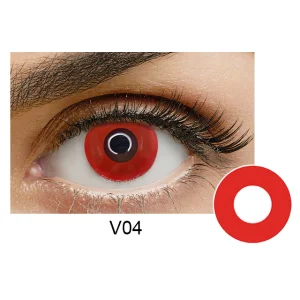
Explore our second selection of specialty models, including natural-tint, high-diameter, and theatrical costume lenses.