| Visual transformation |
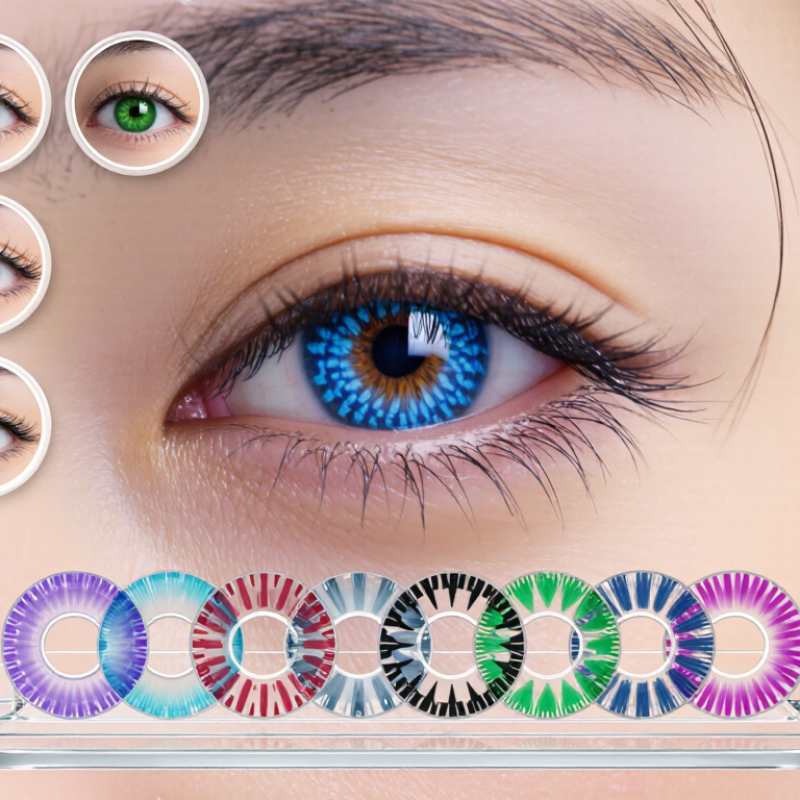
Color lenses can change or enhance the apparent color of the iris while preserving the wearer’s overall makeup or fashion style. |
They offer a quick, temporary way to create a noticeable change in personal appearance. |
Choose lenses fitted by a qualified eye-care professional, even when vision correction is not needed. |
| Self-expression |
Color lenses are commonly used to complement clothing, cosmetics, costumes, photography, and special events. |
Users can adjust their look without permanent cosmetic procedures. |
Use lenses only for the recommended wearing time and remove them if discomfort, redness, or blurred vision develops. |
| Customization |
Different patterns, opacity levels, and color effects can create subtle or dramatic results. |
The variety supports different preferences, skin tones, eye colors, and styling goals. |
A professional fitting helps ensure the lens diameter, curvature, and movement are appropriate for the eye. |
| Accessibility of online trends |
Online beauty content and costume trends can increase awareness and interest in highly visible cosmetic changes. |
Visual results are easy to demonstrate in photographs and short-form videos. |
Do not purchase lenses solely from an online image or unverified seller; obtain a valid prescription and confirm product quality. |
| Regulatory status |
In the United States, decorative and vision-correcting contact lenses are medical devices that require a prescription. |
Professional oversight reduces the chance of using an unsuitable lens or an incorrectly fitted product. |
Prescription required |
| Infection risk |
Poorly fitted, contaminated, or misused lenses can cause corneal scratches, serious eye infections, corneal ulcers, and vision loss. |
Cosmetic appearance does not indicate that a lens is safe or suitable for every eye. |
Never share or swap lenses |
| Hygiene practices |
Microorganisms can be transferred to the eye through dirty hands, contaminated cases, tap water, saliva, or improper cleaning. |
Basic hygiene is the most controllable part of daily lens safety. |
Wash and dry hands before handling lenses; use fresh recommended solution; never use tap water or saliva. |
| Water exposure |
Water may contain organisms that can adhere to lenses and cause severe eye infections. |
Swimming, showering, and water sports are common situations in which users may forget to remove lenses. |
Remove before water exposure |
| Sleeping in lenses |
Sleeping in contact lenses can reduce oxygen reaching the cornea and increases the risk of serious infection. |
Fatigue or late-night events can make accidental overnight wear more likely. |
Remove before sleeping |
| Warning symptoms |
Persistent pain, redness, discharge, light sensitivity, sudden blurred vision, or swelling may signal a serious problem. |
Early attention can help prevent complications and protect vision. |
Remove the lenses immediately and contact an eye-care professional promptly; do not continue wearing them. |
| Replacement and storage |
Lenses and cases can accumulate deposits and microorganisms when they are reused or stored improperly. |
Following the replacement schedule supports comfort, lens performance, and eye health. |
Replace lenses and cases as directed, use fresh solution, keep the case clean and dry, and never “top off” old solution. |
 Mio Lenses