Mio Lenses
Choosing among BeautyTone Shimmer Contact Lens suppliers requires more than comparing glossy product photos. A responsible supplier should provide clear product information, accurate lens specifications, secure packaging, and responsive customer support. Prescription requirements matter, even for cosmetic lenses. Eye comfort should never be treated as a marketing detail.
This guide examines five suppliers through practical criteria. These include manufacturing transparency, material quality, color consistency, shipping reliability, and after-sales service. Evidence such as compliance documents, batch information, and independent customer feedback can strengthen a supplier’s credibility. A polished website is not proof. Details matter more.
The comparison also considers how suppliers handle samples and customer questions. Can they explain diameter, base curve, moisture content, and replacement policies clearly? Do their photos match the delivered lenses under ordinary lighting? These small checks often reveal operational weaknesses. Still, supplier information can change, and online reviews may be incomplete. That limitation deserves attention.
No single supplier fits every buyer. Some may offer attractive shimmer effects but limited support. Others may provide stronger documentation at a higher cost. Buyers should confirm local regulations and consult a qualified eye-care professional before wearing contact lenses. Proper fitting, hygiene, and storage remain essential. Beauty should not compromise eye health.
This review is designed to support careful decisions, not make unverified promises. Each supplier deserves scrutiny. Mistakes are possible. That is why transparent evidence, realistic expectations, and safety-focused service guide the selection of the five best BeautyTone Shimmer Contact Lens suppliers.
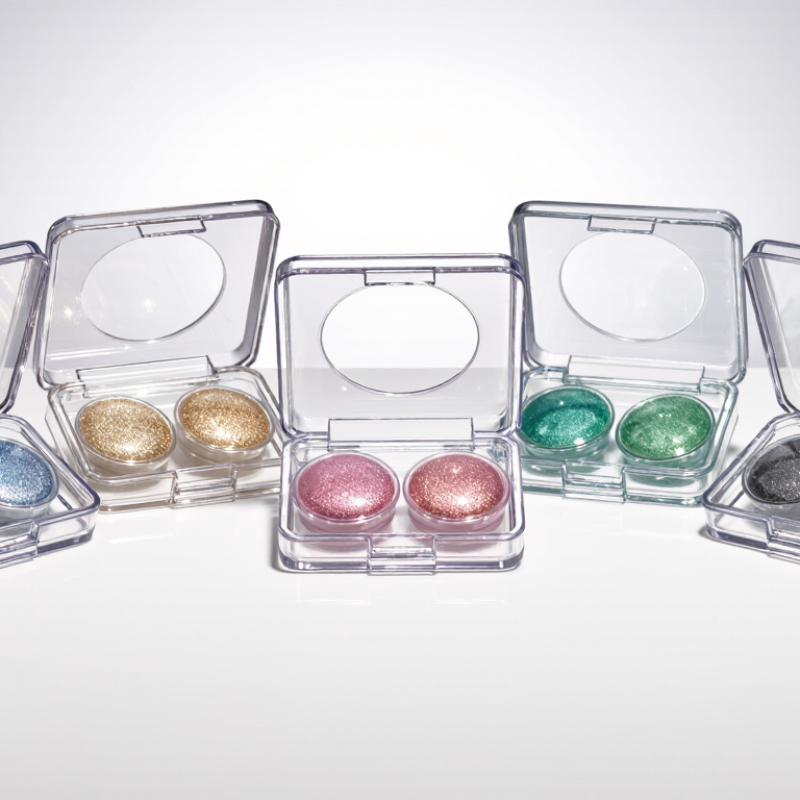
BeautyTone Shimmer contact lenses usually describe cosmetic lenses with a colored base and reflective details. They change the visible iris pattern, often creating a soft sparkle under studio or daylight. They are not ordinary makeup. These lenses sit directly on the cornea and must match its shape, diameter, and oxygen needs. A qualified eye-care professional should check the fit before purchase, especially when the design covers part of the pupil.
The U.S. Food and Drug Administration classifies decorative contact lenses as medical devices. In the United States, they require a valid prescription, even when vision correction is unnecessary. The CDC’s 2016 MMWR report reviewed 1,075 contact-lens-related eye injuries. About one in five involved serious damage, including vision loss or corneal scarring. Those figures challenge the idea that shimmer lenses are harmless accessories. They are not.
A reliable supplier should provide full material details, replacement guidance, verified manufacturing information, and prescription-based ordering. Look for packaging that shows lot numbers and expiry dates. In practice, comfort matters more than a dramatic product photo. The shimmer may appear uneven in certain lighting, and that is not always a defect. However, persistent redness, pain, light sensitivity, or blurred vision requires immediate lens removal and professional evaluation. I would question any listing promising universal fit or all-day wear without clinical evidence.
Evaluating BeautyTone shimmer lens suppliers requires more than attractive color charts. Check whether the supplier provides traceable lot numbers, sealed packaging, sterility records, and material specifications. Ask for base curve, diameter, water content, and oxygen transmissibility data. These details affect comfort and corneal safety.
A supplier should also explain its quality-control process, complaint handling, and product recall procedure. ISO 13485 certification can support credibility, but verify the certificate with the issuing body. Paperwork alone is not enough.
Regulatory compliance matters. The U.S. Food and Drug Administration classifies decorative contact lenses as medical devices, not ordinary cosmetics. Requirements differ by country, so confirm local registration before placing an order.
The CDC reports that about 45 million Americans wear contact lenses. Its survey also found that nearly 99% of respondents reported at least one risky hygiene habit. That figure makes supplier education important, not optional.
Reliable suppliers provide clear fitting and cleaning guidance, not vague marketing claims. Request independent test reports and inspect a sample package for damaged seals, unclear expiry dates, or missing lot information.
I would not choose the cheapest quotation automatically. A polished catalog can still hide weak traceability. My evaluation could also be biased by color accuracy and fast replies. Rechecking documents after a sales call is wiser.
Sources: U.S. FDA, Decorative Contact Lenses guidance; CDC, Risky Contact Lens-Related Practices, MMWR.
Five notable supplier choices stand out in the shimmer contact lens sector: ISO 13485-certified manufacturers, prescription custom laboratories, regulated regional distributors, small-batch design studios, and specialist fulfillment partners. Each serves a different buyer. Certified manufacturers usually provide stable pigmentation and repeatable diameter measurements. Custom laboratories suit unusual prescriptions or astigmatism. Regional distributors can simplify documentation and delivery. Design studios offer fresher color concepts, although their quality systems may need closer review. Fulfillment partners help online sellers control storage, packaging, and traceability.
The CDC reports that about 45 million Americans wear contact lenses. That scale makes supplier reliability more than a cosmetic concern. FDA guidance also classifies decorative lenses as medical devices requiring professional fitting in the United States. Ask every supplier for prescription-lens documentation, manufacturing standards, batch records, and clear replacement policies. Photos can mislead. A silver shimmer may look subtle online but appear highly reflective under daylight. I once underestimated that difference.
Tips: Request one sample pair before placing a bulk order. Check the lens edge under magnification. Confirm water content, base curve, diameter, wearing schedule, and pigment stability. ISO certification is useful, but it does not replace product-specific verification. Review the supplier’s complaint process, too. Grand View Research’s recent optical market analysis points to continued growth in cosmetic lens demand, yet fast growth can attract inconsistent vendors. A polished catalog proves little. Good documentation matters more.
Comparing five leading shimmer contact lens suppliers requires more than judging color photographs. The strongest suppliers publish material details, water content, diameter, base curve, and available prescriptions. Their product pages also explain replacement schedules and storage requirements. Clear information signals professional responsibility.
Supplier one may offer the widest shade range, with soft champagne and silver effects that appear subtle indoors. Supplier two often provides stronger quality control, including batch tracking and sealed packaging.
Supplier three may stand out for responsive customer support, especially when a lens feels uncomfortable. Supplier four can compete on price, but its return policy deserves careful reading. Supplier five may deliver faster, yet speed should never replace verified manufacturing standards.
Check independent reviews, not only testimonials on the sales page. A qualified eye-care professional should confirm fit before purchase, even for cosmetic lenses. Comfort can change with eye shape, screen time, and dry indoor air.
I have found that dramatic shimmer sometimes looks flatter in daylight than expected. That detail is easy to miss. Ask whether the supplier supports prescription verification and provides traceable contact information. Reliable sellers should explain hygiene instructions without vague promises. Look for intact blister packs, readable expiry dates, and customer service that answers specific questions. Low prices can be attractive, but unclear sourcing is a serious warning sign. Availability is not the same as trust.
Choosing a beauty contact lens supplier requires more than comparing colors and prices.
Reliable suppliers provide complete product details, including material, diameter, water content, batch number, and recommended replacement period.
A clear prescription process matters, even for lenses marketed as cosmetic accessories.
Eye measurements can prevent discomfort, blurred vision, and avoidable complications.
Check whether the supplier follows applicable medical-device rules in the buyer’s country.
Look for traceable manufacturing information, sealed packaging, and customer support from trained staff.
Product pages should explain care instructions in plain language.
Vague claims such as “fits every eye” deserve caution. They sound convenient, but eyes are not standard-sized objects.
Ordering should use a secure website with visible delivery, return, and privacy policies.
Confirm that the package arrives unopened and includes an expiry date.
Do not wear lenses with damaged packaging, unusual odor, or dried edges.
Never share lenses, even briefly.
Clean hands and approved disinfecting solution remain essential. Tap water is not a safe substitute.
A practical buyer may contact several suppliers before purchasing.
Ask how complaints are handled and whether replacement products can be traced.
Independent reviews help, but they are not medical evidence.
Personal experience can be useful, yet it may also be misleading.
If redness, pain, light sensitivity, or reduced vision occurs, remove the lenses and seek professional eye care promptly.
Convenience should never outweigh eye health.
Shimmer contact lenses are cosmetic lenses with colored patterns and reflective details. They change the visible iris appearance. The effect may look softer indoors and brighter under daylight. They are not ordinary makeup.
Requirements differ by country. In some places, cosmetic lenses require a valid prescription. An eye-care professional should check the fit before purchase. The lens must match your eye shape and oxygen needs.
Check the base curve, diameter, material, water content, and oxygen transmissibility. Look for sealed packaging, lot numbers, and clear expiry dates. Missing details worry me. A colorful product page proves very little.
Choose suppliers offering traceable manufacturing information and independent test reports. Ask about quality control, complaints, recalls, and replacement schedules. Verify certification with the issuing organization. Paperwork alone is not enough.
No. Lighting can change the appearance significantly. A silver effect may look subtle indoors but flatter in daylight. Product photos can exaggerate the sparkle. I sometimes expect too much from studio images.
Low prices can be attractive, but unclear sourcing creates serious concerns. Compare material details, packaging, support, and return policies. Fast delivery does not prove safety. Availability is not the same as trust.
Wash and dry your hands before handling lenses. Follow the stated cleaning and replacement instructions. Keep lenses in suitable storage solution. Do not share lenses. Small shortcuts can cause large problems.
Remove the lenses immediately if you notice pain, redness, light sensitivity, or blurred vision. Do not continue testing them. Seek professional eye evaluation promptly. Comfort should come before appearance.
This guide explores what defines a BeautyTone Shimmer Contact Lens, including its color effects, reflective finish, comfort features, and suitability for different cosmetic looks. It explains how buyers can evaluate suppliers by reviewing product quality, material information, lens specifications, manufacturing standards, customer support, pricing transparency, and shipping policies. The article also presents five notable types of suppliers, ranging from specialized cosmetic lens manufacturers to established optical distributors and customized wholesale providers, without focusing on specific brand names.
A comparison of leading suppliers considers design variety, consistency, minimum order quantities, customization options, delivery reliability, and overall value. The guide also highlights important safety and ordering considerations, such as purchasing only properly documented lenses, checking fit and usage instructions, confirming hygiene and packaging standards, and seeking professional eye-care advice before use. By combining supplier research with responsible purchasing habits, buyers can make a more informed decision when selecting BeautyTone Shimmer Contact Lens products for personal or commercial needs.