Mio Lenses
Choosing the right BeautyTone Luminous Contact Lens begins with understanding how different designs change the eyes’ appearance. Some styles create a soft, natural glow, while others deliver brighter color and stronger definition. The best choice depends on your eye color, makeup habits, comfort needs, and intended setting.
This guide introduces the main BeautyTone Luminous Contact Lens types, including natural-toned, enlarging, vivid, and subtle shimmer designs. Each type can create a different visual effect. A warm brown lens may add gentle depth to dark eyes. A gray or blue lens can create a cooler, more noticeable look. Enlarging patterns may make the iris appear wider, but the result can vary with each wearer’s natural eye shape.
Comfort deserves equal attention. Lens material, moisture retention, edge design, and wearing time can influence the experience. Prescription status also matters. Cosmetic lenses are not automatically risk-free. They should be purchased from reliable sources and fitted with guidance from a qualified eye-care professional, where required by local regulations. Never share lenses, sleep in them, or use damaged products.
Small details matter.
This overview also considers color blending, pupil-zone clarity, packaging information, and care instructions. Product descriptions may sound convincing, yet personal results are not guaranteed. Lighting can change the apparent color dramatically. That is easy to overlook. By comparing each type carefully, readers can make a more informed and responsible choice without sacrificing style or eye health.
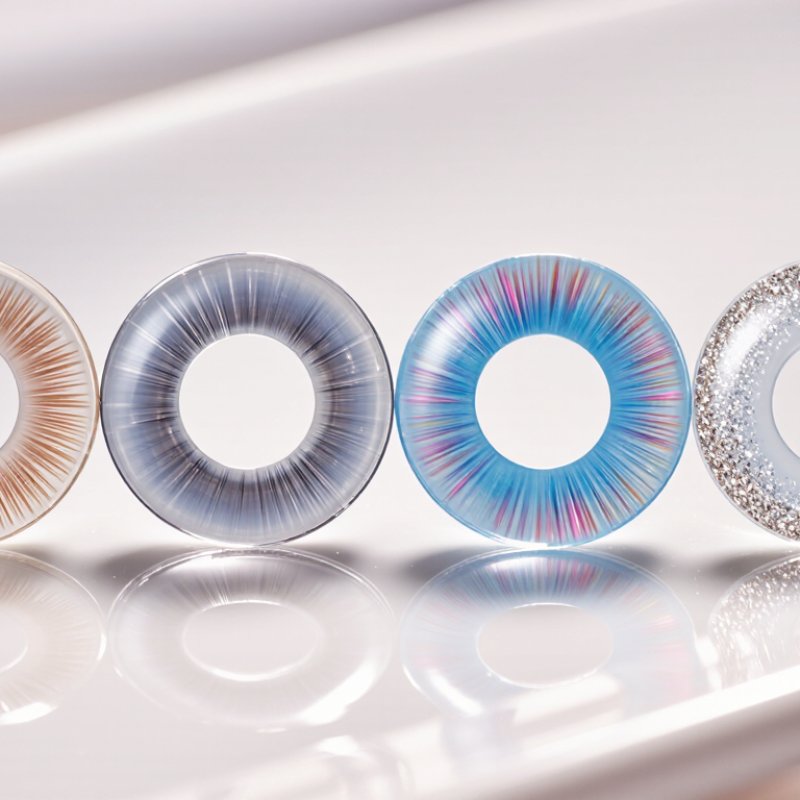
What Are the Top BeautyTone Luminous Contact Lens Types?
BeautyTone luminous contact lenses are cosmetic lenses designed to make the iris appear brighter, larger, or more dimensional. “Luminous” is not a standardized medical term. It usually describes visual effects created by limbal rings, gradient pigments, reflective patterns, or enlarged diameters. Common types include natural enhancement lenses, bold circle lenses, and light-catching designs. Some create a soft honey or gray effect. Others produce a sharper, more dramatic edge.
The U.S. Food and Drug Administration classifies decorative contact lenses as medical devices, even when no vision correction is needed. This matters because poor fitting can reduce oxygen flow and irritate the cornea. The Centers for Disease Control and Prevention reports that about 45 million Americans wear contact lenses. Yet appearance still influences many buying decisions. That preference can lead users to ignore base curve, diameter, water content, and replacement schedules. A brighter pattern is not automatically safer or more comfortable.
Tips: Check the prescription and fitting details with an eye-care professional. Examine the lens under bright light. Pigment should look even, without flakes or rough edges. Wash and dry your hands before handling lenses. Never share them, sleep in them, or use unapproved liquid. Stop wearing them if redness, pain, blurred vision, or unusual sensitivity appears. Cosmetic appeal is useful, but comfort remains the real test. Even experienced users can misjudge fit.
A comparison of common luminous-effect concepts by illumination method and operating features.
UV-fluorescent lenses glow only while exposed to ultraviolet light, while phosphorescent designs may continue glowing briefly after light exposure. Electroluminescent concepts require an electrical power source and embedded electronics. These categories describe technical concepts rather than product rankings; decorative contact lenses should only be used with professional eye-care guidance.
Luminous contact lenses usually fall into several visual types, each creating a different iris effect. Natural-enhancement lenses use soft color and a faint outer ring. They can brighten brown, hazel, or gray eyes without looking dramatic. Enlarging-ring lenses extend the visible iris and create a wider, doll-like appearance. Their effect depends heavily on your natural eye size and lighting.
High-contrast lenses use stronger pigment layers and sharper patterns. These suit photography, evening events, or expressive makeup. Some designs feature a glowing halo, while others create a starburst or multi-tone iris pattern. The categories sound neat, but real eyes are less predictable. A pattern may look subtle indoors and intense under flash photography.
Comfort and safety matter more than visual impact. Choose lenses fitted by a licensed eye-care professional, even when vision correction is unnecessary. A professional can check the lens diameter, curve, oxygen flow, and your tear health. Purchase only from a regulated seller with clear material and replacement information. Wash and dry your hands before handling lenses. Never share them, sleep in them, or wear them while swimming. Discomfort is a warning, not a challenge. Remove the lenses and seek professional advice if redness or blurred vision continues.
| Lens Type | Primary Design Feature | Light-Reflecting Appearance | Typical Iris Coverage | Best For | Key Wearing Considerations |
|---|---|---|---|---|---|
| Limbal-Ring Lenses | A defined darker or enhanced outer ring follows the edge of the iris. | Creates a sharper iris outline and makes the eyes appear more vivid and visually defined. | Usually transparent or semi-transparent through the central iris area, with emphasis on the perimeter. | A natural-looking brightening effect and subtle eye enlargement. | The ring pattern should be properly centered; an incorrect fit can cause visual discomfort or unstable appearance. |
| Enlarging Circle Lenses | The printed iris pattern extends slightly beyond the natural visible iris edge. | Produces a wide-eyed, luminous appearance by increasing the apparent diameter of the iris. | Designed to cover the visible iris and part of the surrounding area. | Doll-eye styling, photography, stage makeup, and dramatic cosmetic looks. | Larger graphic diameters may feel more noticeable and require careful fitting and adequate lubrication. |
| Translucent Tint Lenses | A transparent or lightly tinted color layer allows some of the natural iris pattern to show through. | Blends with the natural iris to provide a soft, reflective-looking color enhancement. | Partial visual coverage with a relatively natural transition between the lens color and the iris. | Subtle daytime enhancement and users who prefer a low-contrast result. | The final color depends on the original iris shade, lighting, and lens translucency. |
| Opaque Color Lenses | A denser printed color pattern substantially masks the natural iris color. | Delivers a more noticeable luminous color effect with stronger contrast and saturation. | Broad iris coverage, including darker natural iris colors. | Visible color transformation, themed styling, and high-impact cosmetic makeup. | Color may look different indoors and outdoors; the pupil opening must remain aligned with the wearer’s line of sight. |
| Gradient Iris Lenses | Uses a gradual transition between darker and lighter tones across the iris pattern. | Creates depth and dimension while avoiding a flat, single-color appearance. | Typically covers most of the visible iris with layered color zones. | Multidimensional eye makeup and a balanced combination of natural and dramatic styling. | Gradient placement and lens movement can affect how evenly the pattern appears on the eye. |
| Starburst or Radiant-Pattern Lenses | Fine lines or rays extend outward from the pupil area toward the iris edge. | Gives the iris a sparkling, radiant, or “glowing” visual texture. | Usually covers the visible iris with a patterned central and outer zone. | Evening events, editorial makeup, costumes, and expressive eye looks. | High-contrast patterns may appear more artificial; comfort depends on correct fit and material quality. |
| Enhancement Lenses with Clear Pupil Zone | A colored iris pattern surrounds an unprinted central area for unobstructed vision through the pupil. | Brightens the visible iris while preserving a relatively clean central visual field. | Color is concentrated around the iris; the central pupil area remains clear. | Everyday cosmetic enhancement and users seeking a balanced appearance. | The clear zone must remain centered during blinking and eye movement; prescription options vary by product. |
Cosmetic contact lenses are medical devices in many regions. A valid prescription, professional fitting, proper hygiene, and compliance with the labeled replacement schedule are important, even when lenses are worn only for appearance.
Choosing luminous contact lenses begins with understanding three visual controls: color, pattern, and opacity. Color changes the overall impression, from soft honey and gray to brighter green or blue. Pattern creates depth through rings, flecks, or blended spokes. A simple limbal ring can make the iris appear larger, while fine radial lines may look more natural under daylight. The effect is immediate.
Opacity determines how strongly the lens covers the natural iris. Transparent tints work best when you want a subtle enhancement and already have light-colored eyes. Opaque lenses create a clearer transformation, especially over brown or deep hazel irises. However, heavy opacity can appear flat if the pattern lacks tonal variation. Indoor lighting may also make a dramatic lens seem softer than expected. Not always.
From a fitting perspective, appearance should never outweigh eye health. A prescription and professional fitting help confirm proper movement, comfort, and oxygen flow. Decorative lenses still require careful hygiene and safe replacement schedules. Never share them, sleep in them, or use unapproved solutions.
I have noticed that shoppers often compare online photos too literally; camera lighting, makeup, and editing can change the result. A better test considers your natural eye color, skin undertone, and typical lighting. Even then, personal judgment can be imperfect. A lens that looks elegant in a close-up may feel too intense during daily wear.
Choosing the right luminous lens type begins with your daily purpose. A soft, translucent design can brighten natural eyes without looking dramatic. A limbal-ring style adds visible definition around the iris. Opaque lenses create stronger color changes but may feel less natural in daylight. Consider your eye color, makeup, workplace, and preferred level of attention. Bright studio photos can be misleading. Real lighting matters more.
Comfort depends on more than appearance. An eye-care professional should check your prescription, corneal shape, base curve, and lens diameter. Even cosmetic lenses require proper fitting and professional guidance. Material also matters because oxygen permeability affects wearing comfort. A shorter wearing schedule may suit sensitive eyes. Fit matters most. Do not select a type only because it looks attractive online.
Daily disposable lenses can be practical for occasional events and reduce cleaning concerns. Reusable lenses require careful cleaning, a fresh storage solution, and timely replacement. Never use tap water, share lenses, or sleep in them unless specifically directed by a professional. Remove them immediately if you notice pain, redness, blurred vision, or unusual dryness. A common mistake is choosing the most dramatic color first. I would reconsider that choice after one full day of wear, especially under bright sunlight.
Luminous cosmetic lenses usually come in daily, monthly, and enlarged-circle designs. Daily lenses reduce deposit buildup because each pair is discarded after use. Monthly lenses create less waste, but they require fresh solution, clean hands, and strict replacement dates. Enlarged-circle lenses may cover more of the iris. They can feel drier, especially in air-conditioned rooms. The U.S. FDA classifies decorative lenses as medical devices, even without vision correction. A prescription and professional fitting remain important. Comfort is not proof of safety.
Wear time should follow an eye-care professional’s instructions, not a product advertisement. Never sleep, swim, or shower in lenses. The CDC’s 2016 MMWR report found that 85% of surveyed wearers reported at least one risky contact-lens behavior. That figure is uncomfortable, but useful. It shows how ordinary habits can create serious infection risks. Redness, pain, light sensitivity, or blurred vision requires immediate removal and professional advice. Do not “push through” discomfort. I have found that this is where appearance often wins over judgment.
Tips: Wash and dry hands before handling lenses. Use only recommended disinfecting solution. Never top off old solution. Replace the case at least every three months, or sooner if damaged. Daily lenses should never be reused. Check the expiry date and packaging seal. Store lenses away from heat and cosmetics. The FDA and CDC both emphasize following labeled care instructions. Still, instructions can feel overly cautious. They are not.
Color changes the overall impression, such as soft honey, gray, green, or blue. Pattern adds depth through rings, flecks, or fine radial lines. Opacity controls how much of your natural iris remains visible. The effect can change quickly.
Translucent tints usually enhance light eyes gently. Fine radial lines may appear natural in daylight. A simple outer ring adds definition without a complete color change. Results still vary.
Opaque lenses usually create clearer color changes over brown or deep hazel irises. However, heavy opacity can look flat without tonal variation. Bright sunlight may reveal this more clearly.
Camera lighting, makeup, editing, and studio brightness can change the appearance. A close-up image may look elegant but feel too intense outdoors. Test the effect under workplace lighting and sunlight. Photos are not perfect.
Consider your natural eye color, skin undertone, makeup, workplace, and usual lighting. Your preferred attention level also matters. A dramatic design may suit an event but feel tiring during daily wear. I might choose differently after one full day.
A professional can check prescription, corneal shape, base curve, and lens diameter. Proper fitting supports comfortable movement and oxygen flow. Appearance should not outweigh eye health. Fit matters most.
Daily lenses can suit occasional events and reduce cleaning concerns. Reusable lenses need careful cleaning, fresh storage solution, and timely replacement. Never share lenses or use tap water. Shorter wear may help sensitive eyes.
Remove them if you notice pain, redness, blurred vision, or unusual dryness. Do not sleep in them unless a professional specifically directs you. Contact an eye-care professional if symptoms continue. Do not ignore warning signs.
BeautyTone Luminous Contact Lens refers to a cosmetic lens designed to enhance the appearance of the eyes through color, pattern, and visual brightness. Common types may include natural enhancement lenses, limbal-ring lenses that define the iris, softly tinted lenses for subtle changes, patterned lenses for a more noticeable look, and opaque lenses that create a stronger color transformation. Each type differs in shade intensity, edge definition, transparency, and overall visual effect, so the best choice depends on personal style, natural eye color, desired realism, and the occasion.
Before selecting a BeautyTone Luminous Contact Lens, users should confirm the correct fit and follow professional eye-care guidance, especially when vision correction is involved. Lenses should be worn only for the recommended period, handled with clean hands, stored in suitable solution, and never shared or used beyond their approved lifespan. Discomfort, redness, blurred vision, or dryness means the lenses should be removed and evaluated by an eye-care professional.
