10 Tips for Buying Realistic Color Contact Lenses

Time:2026-10-28 Author:Sophia
0%

Realistic color contact lenses can transform an ordinary look, but they still sit directly on the eye. A natural limbal ring, layered iris tones, and a centered pupil can look convincing in a mirror. Poor fit can create redness, dryness, blurred vision, or painful scratches.

Market research shows continued demand for cosmetic and specialty lenses. Grand View Research reported that the global contact lens market was valued at approximately USD 9.7 billion in 2023, with further growth expected through 2030. However, broad market figures do not prove that every online seller is reliable. That distinction matters.

The U.S. Food and Drug Administration classifies decorative lenses as medical devices. The Centers for Disease Control and Prevention also warns that buying lenses without professional fitting can cause serious eye problems. As ophthalmologist Dr. Thomas Steinemann stated, “Decorative contact lenses are not cosmetics or over-the-counter merchandise. They are medical devices regulated by the U.S. Food and Drug Administration.”

Safety comes before appearance.

This guide, “10 Tips for Buying Realistic Color Contact Lenses,” examines fit, prescription requirements, material quality, hygiene, seller transparency, and return policies. It also explains how to inspect color patterns under daylight, where artificial lighting can hide obvious flaws. Some advice may feel inconvenient. That is intentional. A beautiful lens that causes discomfort is not a successful purchase.

Readers should compare product claims with clinical guidance and local regulations. Even experienced wearers can overlook small warning signs, such as missing manufacturer details or unusually cheap pricing. The safest choice is not always the most dramatic one.
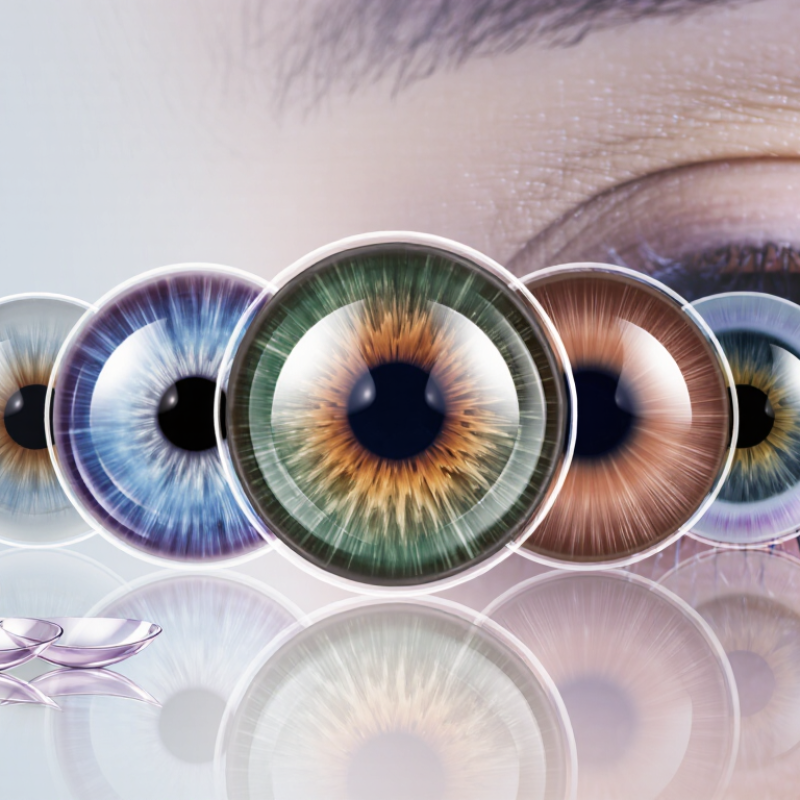
10 Tips for Buying Realistic Color Contact Lenses

Define Realistic Color Contact Lenses and FDA Prescription Rules

Realistic color contact lenses are designed to imitate the natural structure of the iris. They usually combine soft color transitions, tiny radial lines, and a subtle outer ring. The best designs do not look like flat paint on the eye. Under daylight, they should blend with your natural eye color and facial features. A slightly imperfect pattern may look more convincing than a perfectly uniform one.

In the United States, decorative lenses are medical devices, even when they have no vision correction. The FDA requires a valid prescription for their purchase. An eye-care professional should examine your eyes, measure the correct fit, and check whether the material suits your tear quality. A prescription is not merely about strength. It also identifies the lens size and fitting details. Skipping this step can cause redness, pain, corneal scratches, infection, or reduced vision.

Buy only from a seller that requires a prescription and provides clear product information. Check the packaging for the prescribed parameters, expiration date, and sealed condition. Never share lenses, sleep in them, or rinse them with tap water. Replace the storage case regularly and follow the recommended wearing schedule. I once assumed a natural-looking lens would be comfortable automatically; that assumption was wrong. Appearance cannot reveal oxygen transmission, surface quality, or contamination. If discomfort continues after removal, seek professional eye care promptly.

Check Fit and Eye Health Before Purchase: FDA Requires Professional Fitting

10 Tips for Buying Realistic Color Contact Lenses

Check Fit and Eye Health Before Purchase: FDA Requires Professional Fitting

Realistic color contact lenses should begin with an eye examination, not a picture search. In the United States, FDA rules require decorative lenses to be prescribed and professionally fitted. An eye-care professional measures your eyes, checks the cornea, and reviews your tear film. A lens that looks natural may still move poorly or press against delicate tissue.

Fit matters more than dramatic color. During an appointment, describe how often you plan to wear the lenses. Mention dryness, allergies, previous infections, or any history of sleeping in lenses. Your practitioner may assess comfort after several minutes of blinking. Pay attention to redness, stinging, foggy vision, or a lens that shifts when you look sideways.

Ask how to clean, store, and replace the lenses. Never share them, rinse them with tap water, or sleep in them unless specifically directed. Buy only through a source that verifies a valid prescription. Online photos can hide poor manufacturing or unclear instructions. That is easy to overlook.

I would also question my first impression. A perfect color match is not worth painful eyes. Stop wearing the lenses and seek professional care if pain, light sensitivity, discharge, or sudden blurred vision appears. Mild discomfort is not something to “get used to.”

Evaluate Color, Diameter, and Material for a Natural Appearance

10 Tips for Buying Realistic Color Contact Lenses

Evaluate the color in daylight, not only under bright store lighting. Natural lenses usually blend with your existing eye color instead of covering it completely. Look for subtle depth, uneven flecks, and a soft outer ring. Extremely uniform color can appear artificial. Tip: Compare the lens with your skin tone and hair color. Warm browns may suit golden undertones, while gray or blue shades can emphasize cooler tones. Your ideal shade may look different online.

Diameter strongly affects realism. A larger lens can make the iris appear wider, but excessive enlargement may look theatrical. Measure your natural iris if possible, or ask an eye-care professional for guidance. Pay attention to the graphic diameter, not only the overall lens diameter. Tip: Check the lens while smiling and looking sideways. Poorly centered lenses may shift visibly. This detail is easy to miss in a quick mirror check.

Material affects comfort, movement, and appearance. Breathable materials may help maintain moisture, but comfort depends on your eyes and wearing habits. A lens that dries quickly can look dull and move unpredictably. Tip: Get a professional fitting and a valid prescription, even for cosmetic lenses. Confirm the packaging includes clear material and safety information. Never share lenses, sleep in them, or ignore redness and pain. Remove them promptly if vision becomes blurry. I used to think color mattered most, but comfort often decides whether a natural look remains convincing.

10 Tips for Buying Realistic Color Contact Lenses

Natural-looking lenses usually depend on several measurable factors. The chart compares representative parameter ranges commonly seen in soft cosmetic lenses; actual suitability depends on professional fitting, prescription, and eye health.

Prioritize a diameter close to your natural iris, a breathable material, a subtle limbal pattern, and a base curve that fits comfortably. Never buy lenses without proper eye-care guidance.

Verify Brand Safety: FDA Warns Against Unapproved Decorative Lenses

Realistic color contact lenses can change an entire look, but appearance should never outrank eye safety. The FDA warns against unapproved decorative lenses, including products sold without proper fitting or medical oversight. These lenses may scratch the cornea, restrict oxygen, or cause serious infection. A convincing iris pattern proves nothing. Packaging can look professional and still hide poor manufacturing standards.

Check the seller before checking the color. Choose a licensed eye-care professional for an eye examination and proper measurements. Ask whether the lenses are legally authorized for sale in your location. Verify the prescription, expiry date, sealed packaging, and complete care instructions. Do not buy lenses from informal websites, beauty stalls, or social media messages. Do not share them.

Watch your eyes after insertion. Pain, redness, blurred vision, unusual discharge, or strong light sensitivity requires immediate removal and professional advice. Never sleep or swim while wearing decorative lenses unless an eye-care professional specifically permits it. Wash and dry your hands first. Replace the storage case regularly. Small habits matter.

I used to think comfort was a reliable safety signal. It is not. Some eye damage begins quietly. A lens may feel fine during the first hour, then cause irritation later. When information is missing, pause before purchasing. The cheapest option can become an expensive medical problem.

Follow Hygiene and Replacement Rules: CDC Links Poor Care to Eye Infections

Realistic color contact lenses can change your appearance, but they still sit directly on the eye. A natural-looking design does not guarantee safety. Before buying, arrange an eye examination and obtain lenses fitted to your eyes. An eye-care professional can check your vision, corneal health, and suitable lens measurements. Decorative lenses from an unverified seller may lack accurate fit information or sterile packaging.

Clean hands matter. Wash and dry them before touching the lenses, even when your fingers look clean. Use only fresh contact lens solution, and never rinse lenses with tap water or saliva. Water can carry organisms linked to serious eye infections. Do not share lenses, sleep in them, or wear them while swimming. Small shortcuts matter.

Follow the replacement schedule exactly. A lens marked for daily use should not become a weekly lens because it still looks clear. Replace the storage case regularly, let it air-dry, and discard old solution instead of topping it up. Check the package expiry date and seal before opening. Comfort can mislead you. Remove the lenses immediately if you notice pain, redness, unusual discharge, light sensitivity, or blurred vision, then contact an eye-care professional promptly. The CDC connects poor lens care with eye infections, yet perfect routines are difficult. Keep improving them, especially when rushed or tired.

FAQS

What makes a color contact lens look realistic?

Realistic lenses use soft color transitions, fine radial lines, and a subtle outer ring.

Are decorative color contact lenses medical devices in the United States?

Yes. Even non-corrective lenses require a valid prescription in the United States.

Why should I have an eye examination before buying lenses?

An eye-care professional checks your corneal health, tear quality, vision, and lens fit.

How can I identify a safer seller?

Choose a seller requiring a prescription and providing complete product information.

How should I clean my hands before handling lenses?

Wash and dry your hands carefully before touching the lenses.

Can I rinse color contact lenses with tap water?

No. Use fresh contact lens solution only.

Can I sleep, swim, or share lenses?

Do not sleep in lenses, wear them while swimming, or share them with anyone.

When should I replace lenses and storage cases?

Follow the exact replacement schedule, even when a lens still looks clear.

What symptoms mean I should remove my lenses?

Remove them immediately for pain, redness, unusual discharge, light sensitivity, or blurred vision.

Conclusion

Buying a Realistic Color Contact Lens requires more than choosing an attractive shade. These lenses are medical devices, so users should understand prescription requirements and obtain a professional eye examination and fitting before purchase. An eye-care professional can check vision, eye health, lens movement, and comfort, helping reduce the risk of irritation or injury. To achieve a natural appearance, consider how the color complements your eyes, as well as the lens diameter, pattern, and breathable material. A proper fit should look balanced rather than overly enlarged or artificial.

Safety should remain the top priority. Choose lenses from legitimate sources and confirm that they are approved and properly labeled, since unauthorized decorative lenses may cause serious eye problems. Follow the recommended wearing schedule, wash and dry hands before handling lenses, use fresh approved disinfecting solution, and never share or sleep in lenses unless specifically instructed by a professional. Replace lenses as directed, store them correctly, and stop wearing them if pain, redness, blurred vision, or unusual sensitivity occurs. CDC guidance emphasizes that poor lens care can contribute to eye infections, making consistent hygiene essential.

Sophia

Sophia

Sophia is a dedicated marketing professional with an exceptional depth of knowledge about her company's products and services. With a keen understanding of market trends and customer needs, she crafts insightful blog posts that not only inform but also engage readers, enriching the company’s online......